
10 Essential Lawn Care Tips for a Lush, Green Yard
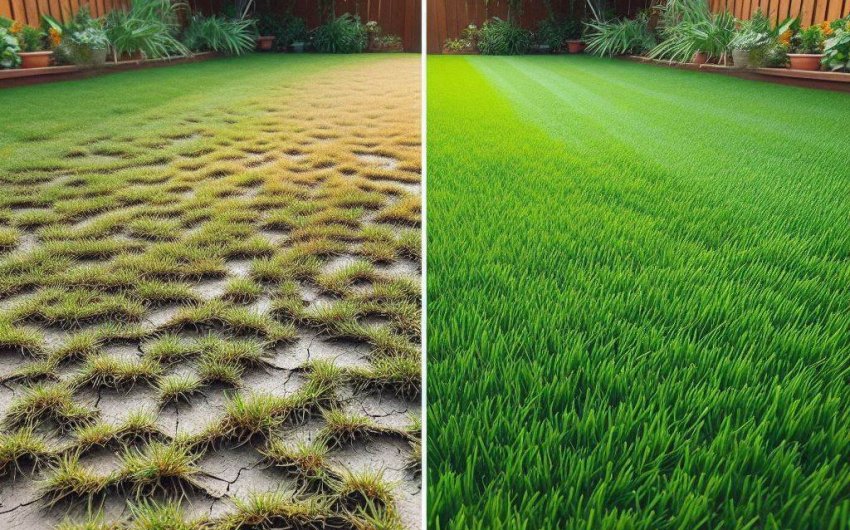
Why Is a Lush, Green Yard So Desirable?
A lush, green yard is more than just pretty to look at. It’s often the first thing people notice about your home, adding to its curb appeal and making your outdoor space feel inviting and vibrant. Beyond aesthetics, a healthy lawn offers many benefits, from practical advantages to environmental contributions. Achieving that perfect green carpet isn't just about showing off; it's about creating a functional and enjoyable extension of your home. It's the cornerstone of great home landscaping.
What Are the Benefits of a Healthy Lawn?
A well-maintained lawn provides a surprising number of advantages:
- Enhanced Curb Appeal: A vibrant green lawn instantly boosts your home's appearance, making it look well-cared for and increasing its attractiveness. This can even add to your home's value.
- Outdoor Living Space: A soft, thick lawn creates a comfortable and safe area for outdoor activities – playing with kids or pets, picnicking, or simply relaxing in the sun. It’s a natural carpet for your outdoor living.
- Environmental Benefits:
- Oxygen Production: Healthy grass produces oxygen and absorbs carbon dioxide, acting as a natural air purifier.
- Water Filtration: Lawns help filter pollutants from rainwater runoff, protecting local waterways.
- Soil Erosion Control: Dense grass roots hold soil in place, preventing erosion, especially on slopes.
- Temperature Regulation: Lawns can cool down urban areas by absorbing sunlight and releasing moisture, making surrounding air temperatures lower than paved surfaces.
- Noise Reduction: A dense lawn can help absorb sound, reducing noise pollution in your neighborhood.
- Allergy Reduction: While grass itself can be an allergen, a well-maintained lawn with fewer weeds can reduce the amount of pollen from other allergenic plants.
- Improved Soil Health: Healthy grass roots and organic matter from clippings contribute to rich, living soil.
What Makes a Lawn Lush and Green?
Achieving a lush, green lawn isn't magic; it's a result of consistent and correct lawn care practices. It comes down to understanding the basic needs of grass: proper nutrition, adequate water, correct mowing, and a healthy soil environment. When these elements are in balance, your grass will thrive, showing off its best color and density. This blog post will guide you through the essential lawn care tips to make that dream a reality.
1. Know Your Grass Type: The Foundation of Lawn Care
Before you do anything else, the absolute first step to achieving a lush, green yard is to know your grass type. This single piece of information will dictate nearly every other decision you make about lawn care, from when to fertilize to how often to water. Treating all grass the same is a common mistake that can lead to frustrating results. Your turf management begins here.
Why Is Grass Type So Important?
Different types of grass have different needs, growing habits, and tolerances.
- Climate Adaptation: Grasses are broadly categorized into cool-season grasses and warm-season grasses, each suited to different climates.
- Growth Habits: Some spread aggressively, others grow in clumps. This affects how they fill in bare spots and how often they need mowing.
- Nutrient Needs: While all grasses need nutrients, their peak feeding times vary.
- Water Requirements: Some grasses are more drought-tolerant than others.
- Mowing Height: Cutting some grass types too short can severely damage them.
- Pest and Disease Susceptibility: Knowing your grass type can help you anticipate common problems in your region.
Cool-Season Grasses
These grasses thrive in regions with cold winters and hot summers, growing most actively in the cool temperatures of spring and fall. They often go dormant (turn brown) during the hottest parts of summer if not irrigated.
- Common Types:
- Kentucky Bluegrass: Known for its beautiful deep green color and dense turf. It spreads by rhizomes (underground stems), helping it fill in bare spots well. Requires moderate water and fertilizer.
- Perennial Ryegrass: Establishes quickly, making it good for overseeding or quick cover. Often used in mixes. Grows well in sun and light shade.
- Tall Fescue: More heat and drought-tolerant than bluegrass or perennial ryegrass. Has a coarser blade but forms a durable turf. Good for high-traffic areas.
- Fine Fescues (Creeping Red Fescue, Chewings Fescue): Good for shady areas and require less water and fertilizer. Have very fine blades.
Warm-Season Grasses
These grasses prefer warmer climates, thriving in hot summers and going dormant (turn brown) during cooler fall and winter months. They are generally more drought-tolerant than cool-season types.
- Common Types:
- Bermudagrass: Very aggressive and drought-tolerant. Forms a dense, tough turf, excellent for high-traffic areas and sunny locations. Can become invasive.
- Zoysiagrass: Forms a thick, dense mat that chokes out weeds. Drought-tolerant once established but can be slow to establish.
- St. Augustinegrass: Popular in warm, humid climates. Has a coarse, broad blade and forms a thick, carpet-like lawn. Needs more water than Bermudagrass.
- Centipedegrass: A low-maintenance, slow-growing grass popular in the Southeast. Forms a dense, apple-green lawn but is sensitive to iron deficiency.
How to Identify Your Grass Type
- Observe Growth Season: Does your lawn green up in spring/fall or summer?
- Look at the Blades: Are they fine, coarse, pointed, rounded? Do they fold or roll?
- Check Growth Habit: Does it spread with runners (stolons or rhizomes) or grow in clumps?
- Consult Local Experts: Your local university extension office, a reputable garden center, or a lawn care professional can help you identify your grass.
- Use an Identification Guide: Many online resources offer visual guides to different grass types.
Once you know your grass type, you have the fundamental information needed to tailor your lawn care practices, leading to a much more effective and successful journey toward a lush, green yard.
2. Mow Correctly: The Art of a Perfect Cut
Mowing seems simple, right? Just cut the grass! But there's an art to mowing correctly that can make a huge difference in the health and appearance of your lush, green yard. Incorrect mowing is a common mistake that can stress your lawn, encourage weeds, and make it more susceptible to disease. Proper mowing practices are central to effective lawn care.
The "One-Third Rule"
This is the most important rule of mowing correctly:
- Never remove more than one-third of the grass blade's total height at any one time.
- Why it's Important: Removing too much at once (scalping) shocks the grass plant. It puts stress on the roots, which then have to work harder to recover. This weakens the plant, making it more prone to disease, drought stress, and weed invasion. It also depletes the grass's energy reserves.
Mow at the Right Height
The ideal mowing height varies by grass type, but generally, taller grass is healthier grass.
- Cool-Season Grasses: Aim for 2.5 to 3.5 inches, or even 4 inches during hot summer stress periods. Taller blades provide more surface area for photosynthesis, allow for deeper root growth, and help shade the soil, reducing weed germination and moisture evaporation.
- Warm-Season Grasses: Heights can vary more. Bermudagrass might be cut lower (1-2 inches), while St. Augustinegrass prefers 2-4 inches. Always research the specific recommended height for your warm-season grass.
- Benefits of Taller Grass:
- Deeper Roots: Taller grass blades encourage roots to grow deeper, making the lawn more drought-tolerant.
- Weed Suppression: Denser, taller grass shades out weed seeds, preventing them from sprouting.
- Stress Resistance: Healthier, less-stressed grass is more resistant to pests and diseases.
Keep Your Mower Blades Sharp
- Why it's Important: Dull mower blades tear and shred grass blades instead of cutting them cleanly. Torn blades have ragged edges that turn brown, making the lawn look unhealthy. These jagged cuts also create open wounds that are more susceptible to fungal diseases.
- How Often: Sharpen your mower blades every 10-12 hours of mowing, or at least once per season. If you hit rocks or debris, check them immediately. You can sharpen them yourself with a Mower Blade Sharpener or have a professional do it.
Mow at the Right Frequency
- Adapt to Growth: The frequency of mowing depends on how fast your grass is growing. During peak growing seasons (spring/early summer for cool-season, summer for warm-season), you might need to mow every 5-7 days. During slower growth periods, it might be every 10-14 days. Always stick to the one-third rule.
- Avoid Over-Mowing: Don't mow just because it's Saturday. Mow when the grass is tall enough to justify the cut based on the one-third rule.
Leave the Clippings (Mulch Mowing)
- Why it's Good: Unless the clippings are very long and clumpy, leaving grass clippings on the lawn (mulch mowing) is highly beneficial. Clippings decompose quickly, returning valuable nitrogen and other nutrients to the soil. This can reduce your need for synthetic fertilizers.
- Use a Mulching Mower: A Mulching Lawn Mower is designed to cut grass clippings into very fine pieces that fall easily into the lawn without clumping.
By mastering the art of mowing correctly, you'll contribute significantly to the health, resilience, and vibrant green color of your yard, making your lawn care efforts much more effective.
3. Water Wisely: Deep and Infrequent
Water is essential for life, and your lawn is no exception. However, simply soaking your grass every day is not watering wisely. In fact, overwatering is a common mistake that can lead to shallow roots, fungal diseases, and wasted resources. For a truly lush, green yard, the key is to water deeply and infrequently, encouraging strong, resilient grass. Smart irrigation techniques are vital to good lawn care.
The Goal: Deep Root Growth
- Why it Matters: The primary goal of proper watering is to encourage your grass roots to grow deep into the soil. Deep roots make your lawn more drought-tolerant, more resilient to stress, and better able to find water and nutrients during dry spells.
- Shallow Watering: Frequent, shallow watering (just wetting the top inch or two of soil) encourages roots to stay near the surface. This makes the grass highly dependent on constant watering and very susceptible to drought stress when conditions dry out.
How to Water Deeply and Infrequently
- Water for 20-30 Minutes: A good rule of thumb is to water long enough to deliver about 1 inch of water. For most sprinklers, this takes about 20-30 minutes, but you can test your sprinkler's output with a rain gauge. You can use a simple Rain Gauge for Sprinkler Testing to accurately measure.
- Water 1-3 Times Per Week (as needed): Instead of daily light watering, aim for deeper watering sessions just 1-3 times per week, adjusting based on rainfall and temperature. The goal is for the top 4-6 inches of soil to be moist, then to allow the surface to dry out a bit before the next watering.
- Check Soil Moisture: The best way to know when to water is to actually feel the soil. Stick a screwdriver or a soil probe into the lawn. If it goes in easily to about 4-6 inches, there's enough moisture. If it's hard to push in, it's time to water. A Soil Moisture Meter can also be very helpful.
When to Water: Morning is Best
- Ideal Time: The best time to water your lawn is early in the morning (between 4 AM and 10 AM).
- Why Morning?
- Less Evaporation: Temperatures are cooler, and winds are typically calmer, reducing water loss to evaporation.
- Foliage Dries Quickly: The sun and morning breezes help dry the grass blades quickly, which minimizes the risk of fungal diseases like rust or leaf spot that thrive in prolonged leaf wetness.
- Avoid Evening Watering: Watering in the evening or at night leaves the grass blades wet for extended periods, creating an ideal environment for fungi to grow.
Signs of Thirsty Grass
Your lawn will tell you when it needs water:
- Footprints Stay: If you walk across the lawn and your footprints remain visible for a long time, the grass blades are losing turgor (water pressure) and need water.
- Dull, Bluish-Gray Color: A healthy, well-hydrated lawn is a vibrant green. A thirsty lawn often takes on a duller, bluish-gray tint.
- Leaf Blades Fold: Grass blades might start to fold in half lengthwise to conserve moisture.
By adopting wise watering practices – going deep and infrequent, and watering in the morning – you'll build a stronger, more drought-resistant, and significantly healthier lush, green yard.
4. Fertilize Strategically: Feeding for Green
Just like any living thing, your grass needs food to grow strong, green, and lush. That food comes in the form of fertilizer. But simply throwing down any old bag of fertilizer at any time isn't fertilizing strategically. Understanding what your grass needs, when it needs it, and how much to give is crucial for a truly lush, green yard and avoiding common lawn care pitfalls.
What's in Fertilizer (NPK)?
Most lawn fertilizers list three numbers on the bag, representing the percentage by weight of Nitrogen (N), Phosphorus (P), and Potassium (K) – known as the NPK ratio.
- Nitrogen (N): The most important nutrient for leafy green growth. It promotes healthy green color and vigorous blade growth.
- Phosphorus (P): Crucial for root development and seedling establishment.
- Potassium (K): Supports overall plant health, stress tolerance (drought, cold, disease), and nutrient uptake. For an established lawn focused on greening up, you often want a fertilizer higher in nitrogen.
When to Fertilize (Timing is Key!)
The best time to fertilize depends on your grass type.
- Cool-Season Grasses: Fertilize in fall (most important feeding), early spring, and possibly a light feeding in late spring. Avoid heavy fertilization in summer heat.
- Fall: This is the most crucial feeding for cool-season grasses. It helps roots grow deeply before winter and provides energy for a strong spring green-up.
- Early Spring: A lighter feeding as grass emerges from dormancy.
- Warm-Season Grasses: Fertilize in late spring/early summer when temperatures are consistently warm and grass is actively growing. Fertilize again in late summer. Avoid fertilizing in fall or winter as grass is entering dormancy.
- Never Fertilize a Dormant Lawn: Grass that is brown and dormant (due to heat/drought or cold) cannot take up nutrients. Fertilizing dormant grass wastes product and can even burn the turf.
How Much Fertilizer to Apply
- Read the Label: Always, always, always follow the application rates on the fertilizer bag! Over-fertilizing can burn your lawn (turning it yellow or brown), create excessive top growth at the expense of roots, and contribute to nutrient runoff pollution.
- Use a Spreader: Use a broadcast or drop spreader for even application. This prevents "striping" (alternating dark green and pale green stripes) and ensures consistent feeding. Calibrate your spreader for accuracy. A Scotts Broadcast Spreader works well.
- Water In (Usually): Many granular fertilizers should be watered in after application. This helps move the nutrients into the soil where roots can absorb them and washes any fertilizer off the grass blades to prevent burn. Check the product label.
Choose the Right Fertilizer Type
- Slow-Release vs. Quick-Release:
- Quick-release: Provides a rapid burst of green but can lead to growth surges and higher risk of burn. Useful for quick green-up.
- Slow-release: Releases nutrients gradually over weeks or months, providing more consistent feeding, less risk of burn, and healthier overall growth. Often preferred for main feedings.
- Organic Fertilizers: Derived from natural sources (e.g., blood meal, bone meal, composted manures). They release nutrients slowly and improve soil health over time. They are excellent for long-term lawn health. A Organic Lawn Fertilizer is a good choice.
- Weed & Feed Products (Use with Caution): These combine fertilizer with herbicides. Only use if you have widespread weeds that match the product's targets. They can be less precise than separate applications and might harm desirable plants.
By fertilizing strategically, you provide your grass with the nourishment it needs to grow vibrant, thick, and green, making your lawn care efforts truly pay off.
5. Aerate Your Lawn: Letting Your Soil Breathe
Even with perfect mowing and watering, your lawn can suffer from compacted soil. Over time, foot traffic, heavy machinery (like mowers), and even rain can squeeze the air out of the soil particles. Compacted soil makes it hard for grass roots to grow deep, and difficult for water, air, and nutrients to penetrate. That's where aeration comes in – it's like giving your soil a breath of fresh air, vital for a truly lush, green yard. This is a key step in advanced turf management.
What Is Lawn Aeration?
Lawn aeration is the process of creating small holes or plugs in the lawn to alleviate soil compaction.
- Core Aeration (Recommended): This method uses a machine called a core aerator that pulls out small plugs of soil (cores) from the lawn. These plugs are then left on the surface to break down, returning nutrients to the soil. This is the most effective type of aeration.
- Spike Aeration (Less Effective): This uses solid tines to poke holes in the soil. While it creates holes, it can also further compact the soil around the edges of the holes. Not generally recommended for serious compaction issues.
Why Aeration Is So Important
- Improved Air Exchange: Compaction starves roots of oxygen. Aeration creates channels for air to penetrate the soil, allowing roots to breathe and thrive.
- Better Water Penetration: Water often puddles on compacted lawns or runs off. Aeration allows water to soak deeply into the root zone, reducing runoff and making your watering more efficient.
- Enhanced Nutrient Uptake: Fertilizer and natural nutrients can more easily reach the grass roots when compaction is relieved.
- Deeper Root Growth: With easier access to oxygen, water, and nutrients, grass roots can grow deeper, leading to a more resilient, drought-tolerant lawn.
- Reduced Thatch Buildup: Aeration can help break up the thatch layer (a layer of dead and living organic matter that accumulates between the soil surface and the green grass blades). Excessive thatch can prevent water and nutrients from reaching the soil.
When to Aerate
The timing of aeration is crucial and depends on your grass type:
- Cool-Season Grasses (Kentucky Bluegrass, Fescues, Ryegrass): Best to aerate in early fall (late August to October in most regions) or early spring (March to May). These are their active growth periods, allowing them to recover quickly. Fall is generally preferred as it also prepares the lawn for overseeding.
- Warm-Season Grasses (Bermudagrass, Zoysiagrass, St. Augustinegrass): Best to aerate in late spring to early summer (late April to July), during their peak growth period.
- Avoid Aerating During Stress: Never aerate when your lawn is stressed (e.g., in extreme heat, drought, or disease).
How Often to Aerate
- High-Traffic/Heavy Clay: If your lawn sees a lot of foot traffic, has heavy clay soil, or has never been aerated, you might need to aerate annually.
- Healthy Lawns: For healthy lawns with good soil structure, every 2-3 years might be sufficient.
- DIY or Rent: You can rent a core aerator from a local equipment rental store, or hire a lawn care professional to do it for you. Renting a Core Aerator is a common DIY lawn care task.
After aerating, it's an excellent time to overseed (spread new grass seed) and fertilize, as the new holes provide perfect little pockets for seeds to germinate and nutrients to penetrate deeply. Aeration is a powerful tool in your arsenal for achieving a dense, healthy, and lush, green yard.
6. Control Weeds: Unwanted Guests in Your Green Carpet
Weeds are the arch-nemesis of a lush, green yard. They compete with your grass for water, nutrients, and sunlight, making your lawn look patchy, unhealthy, and less vibrant. Effective weed control is a continuous battle, but with the right strategies, you can keep these unwanted guests from taking over your beautiful green carpet. This is a constant focus in good lawn care.
Why Are Weeds So Problematic?
- Competition: Weeds steal vital resources from your grass, weakening it.
- Unsightly Appearance: They disrupt the uniform look of a lush lawn.
- Rapid Spreading: Many weeds spread aggressively through seeds, stolons, or rhizomes, quickly colonizing bare spots.
- Indicator of Problems: A heavy weed presence can often indicate underlying issues in your soil or lawn care practices.
Common Types of Weeds
Knowing the type of weed helps in choosing the right control method.
- Broadleaf Weeds: Dandelions, clover, plantain, chickweed. These have wide leaves and are often easily identifiable.
- Grassy Weeds: Crabgrass, quackgrass. These look like grass but are coarser, grow faster, and are often a different color.
- Annual Weeds: Complete their life cycle in one year (e.g., crabgrass, purslane).
- Perennial Weeds: Live for more than two years and often return from roots (e.g., dandelions, clover, thistle).
Strategies for Weed Control
- Prevention (The Best Defense!):
- Thick, Healthy Lawn: The best weed deterrent is a dense, healthy lawn. Taller, thicker grass shades out weed seeds, preventing them from germinating. Practice proper mowing, watering, and fertilizing.
- Pre-Emergent Herbicides: These products form a chemical barrier in the soil that prevents weed seeds from sprouting. They are effective against annual weeds like crabgrass. Apply in early spring (for warm-season weeds) or late summer/early fall (for cool-season weeds) before germination. Follow label instructions precisely. A Pre-Emergent Crabgrass Preventer is a common product. Do not apply pre-emergent if you plan to overseed your lawn.
- Manual Removal (Hand-Pulling):
- When to Use: Ideal for small infestations or scattered weeds. Best done when the soil is moist, making it easier to pull the entire root.
- Tips: Use a weeding tool (like a Fiskars Ergo Weeder) to get the taproot of dandelions. This is effective and environmentally friendly.
- Post-Emergent Herbicides: These chemicals kill weeds that have already sprouted.
- Selective Herbicides: Target specific types of weeds (e.g., broadleaf weeds) without harming your grass. Read the label carefully to ensure it's safe for your grass type and effective against your weeds.
- Non-Selective Herbicides: Kill any plant they touch (e.g., glyphosate). Use with extreme caution for spot treatment only, as they will kill grass too.
- Application: Apply on a calm day to prevent drift. Follow label instructions for dilution, application rate, and safety precautions.
- Timing: Often most effective when weeds are young and actively growing.
- Organic/Natural Weed Killers:
- Corn Gluten Meal: Can act as a natural pre-emergent.
- Horticultural Vinegar: Can burn down top growth of small weeds, but often doesn't kill the roots of perennial weeds. Use with caution as it's non-selective.
Integrated Weed Management: The most effective weed control combines healthy lawn care practices with targeted removal and, if necessary, responsible use of herbicides. A robust, well-maintained lawn is your best defense against weed invasion, making your lush, green yard truly shine.
7. Dethatch Your Lawn: Removing the Mat
Imagine a thick, spongy blanket lying on top of your soil. That's essentially what thatch is – a layer of dead and living organic matter (grass clippings, stems, roots) that builds up between the soil surface and the green grass blades. A thin layer of thatch is normal and even beneficial, but when it becomes too thick, it can strangle your lawn. That's when you need to dethatch – a vital step in comprehensive lawn care for a truly lush, green yard.
What Is Thatch and Why Is It a Problem?
- What it Is: Thatch is a tightly intermingtwined layer of organic debris that accumulates at the base of the grass blades. It's often misunderstood as just clippings, but it's more than that.
- The "Good" Thatch: A thin layer (less than 1/2 inch) is actually beneficial. It helps insulate the soil, reduce water evaporation, and protect the crown of the grass plant.
- The "Bad" Thatch (Excessive Thatch): When thatch builds up to 1/2 inch or more, it becomes problematic:
- Blocks Water and Nutrients: It creates a barrier, preventing water, air, and fertilizer from reaching the soil and grass roots effectively. Water can even puddle on top of the thatch.
- Shallow Roots: Because water and nutrients can't penetrate, roots stay shallow within the thatch layer itself, making the lawn very susceptible to drought stress and heat damage.
- Pest and Disease Haven: The dense, moist environment of thick thatch is an ideal breeding ground for insects and fungal diseases.
- Reduces Mower Efficiency: A very thick thatch layer makes mowing difficult and less effective.
How to Check for Thatch
It's easy to check your thatch level:
- Use a trowel or spade to dig up a small section of your lawn, about 2-3 inches deep.
- Examine the profile between the green grass blades and the soil.
- Measure the spongy, brownish layer. If it's 1/2 inch or more, it's time to dethatch.
When to Dethatch (Timing is Crucial!)
The timing for dethatching is similar to aeration, as both are intensive processes that require the grass to be actively growing to recover quickly.
- Cool-Season Grasses: Best to dethatch in early fall (late August to October) or early spring (March to May). Fall is often preferred as it allows the lawn to recover before winter and sets it up for a strong spring.
- Warm-Season Grasses: Best to dethatch in late spring to early summer (late April to July), during their peak growing period.
- Avoid During Stress: Never dethatch during periods of extreme heat, drought, or when your lawn is stressed or dormant.
How to Dethatch Your Lawn
- Powered Dethatchers/Verticutters: For most lawns with a significant thatch problem, a powered dethatcher (also called a verticutter) is the most effective tool. These machines have rotating blades that cut vertically into the thatch layer and pull it to the surface. You can rent these from equipment rental stores.
- Manual Dethatching Rake: For very small areas or lighter thatch, a specialized dethatching rake (which has sharp, curved blades) can be used. This is physically demanding.
- Collect Debris: After dethatching, rake up all the removed thatch and dispose of it. It can be quite a large amount!
- Follow-Up: After dethatching, it's an excellent time to overseed (spread new grass seed) and fertilize, as the soil is now much more receptive to seed-to-soil contact and nutrient penetration.
Dethatching is a demanding but incredibly rewarding lawn care task that directly addresses a major underlying problem, allowing your grass to breathe, access nutrients, and grow into a truly lush, green yard.
8. Overseed Your Lawn: Filling in the Gaps
Even the healthiest lawn can thin out over time due to normal wear and tear, environmental stress, or minor pest issues. Overseeding is the practice of planting new grass seed directly into an existing lawn without tearing up the entire turf. It’s like giving your lush, green yard a refresh, adding density, improving color, and helping to fill in any bare or weak spots. It's a key restorative step in comprehensive lawn care.
Why Overseed Your Lawn?
- Increases Density: A thicker lawn is more beautiful and better able to compete with weeds. Overseeding helps fill in those thin areas that can make your lawn look sparse.
- Improves Color: New grass seedlings often have a vibrant, fresh green color, enhancing the overall appearance of your lawn.
- Enhances Disease/Pest Resistance: You can choose grass seed varieties that have improved resistance to common diseases or pests, gradually improving your lawn's resilience.
- Fills Bare Spots: Overseeding effectively repairs minor bare or thin patches, preventing them from becoming larger problems or being taken over by weeds.
- Rejuvenates Older Lawns: As grass plants age, they can become less vigorous. Overseeding introduces new, strong grass plants, rejuvenating your turf.
When to Overseed (Timing is Crucial!)
The timing of overseeding is critical for successful germination and establishment. It depends on your grass type:
- Cool-Season Grasses (Kentucky Bluegrass, Fescues, Ryegrass): The absolute best time to overseed is in early fall (late August to October).
- Why Fall? Soil temperatures are still warm enough for good germination, but air temperatures are cooler. This reduces competition from summer weeds, and new seedlings have several months to establish a strong root system before winter dormancy and before the stress of summer heat.
- Warm-Season Grasses (Bermudagrass, Zoysiagrass, St. Augustinegrass): The best time to overseed is in late spring to early summer (late April to July), during their active growing period when temperatures are consistently warm.
How to Overseed Successfully
- Prepare the Lawn:
- Mow Short: Mow your existing lawn shorter than usual (e.g., 2 inches) before overseeding. This reduces competition for light and ensures good seed-to-soil contact.
- Dethatch/Aerate (Highly Recommended): This is the ideal time to dethatch and/or aerate your lawn. The holes created by aeration or the exposed soil from dethatching provide perfect little pockets for grass seeds to settle into and germinate. This is key for good seed-to-soil contact.
- Remove Debris: Rake up any thatch or other debris after preparing the lawn.
- Choose the Right Seed: Select a grass seed variety that matches your existing grass type or is suitable for your climate and conditions. If your lawn is shaded, choose a shade-tolerant mix. A Quality Grass Seed for Overseeding is essential.
- Apply the Seed: Use a broadcast spreader for even distribution. Apply half the seed going in one direction (e.g., north to south), and the other half going perpendicular (east to west). This ensures complete coverage and prevents bare strips. Follow the seeding rate recommended on the seed bag for overseeding (which is usually less than for starting a new lawn).
- Lightly Topdress (Optional but Recommended): After seeding, you can lightly rake the seed into the soil or apply a very thin layer (1/4 inch) of compost or topsoil over the seed. This improves seed-to-soil contact and helps retain moisture.
- Water Consistently: This is the most crucial step after seeding. Keep the top inch of soil consistently moist (but not soggy) until the seeds germinate and the seedlings are established (usually 2-4 weeks). This might mean light watering 2-3 times per day, depending on temperature. Once established, gradually transition to deeper, less frequent watering.
Overseeding is a cornerstone of proactive lawn care, ensuring your lawn stays thick, healthy, and a vibrant lush, green yard year after year.
9. Test Your Soil: Unlocking Your Lawn's Potential
Think of your soil as the foundation of your house. No matter how much you water or fertilize, if the foundation is weak, your house (or lawn) won't thrive. Testing your soil is perhaps the most overlooked yet vital step in achieving a truly lush, green yard. It provides concrete data about what your soil truly needs, taking the guesswork out of lawn care.
Why Is Soil Testing So Important?
- Identifies Nutrient Deficiencies or Excesses: Without a soil test, you're just guessing what nutrients your lawn needs. You might be applying too much of something it doesn't need (wasting money and potentially harming the environment) or not enough of something it desperately craves.
- Determines Soil pH: Soil pH (a measure of acidity or alkalinity) is critical. It directly affects how well grass roots can absorb nutrients. Most grass types prefer a slightly acidic to neutral pH (between 6.0 and 7.0). If the pH is too high or too low, nutrients become "locked up" and unavailable to the grass, even if they are present in the soil.
- Saves Money: By knowing exactly what nutrients are lacking, you can buy and apply only the fertilizers and amendments your lawn truly needs, preventing unnecessary purchases.
- Optimizes Growth: Addressing specific soil imbalances allows your grass to take up nutrients more efficiently, leading to much stronger, healthier, and more vibrant growth.
- Prevents Problems: Soil imbalances can lead to nutrient deficiencies, poor root development, increased weed pressure, and susceptibility to disease. A soil test helps prevent these issues.
What Does a Soil Test Tell You?
A standard soil test typically provides information on:
- Soil pH: The most important reading.
- Macronutrients: Nitrogen (N), Phosphorus (P), Potassium (K).
- Micronutrients: Sometimes includes calcium, magnesium, sulfur, iron, manganese, boron, zinc, etc.
- Organic Matter Content: An indicator of overall soil health and fertility.
- Recommendations: Most test reports will give specific recommendations for how much fertilizer and what types of amendments (like lime to raise pH or sulfur to lower pH) to add, based on your grass type and desired results.
How to Collect a Soil Sample
- Get a Soil Test Kit: Contact your local university extension office or purchase a Home Soil Test Kit. The university extension office often provides more comprehensive results and specific local recommendations for a small fee.
- Timing: Test your soil every 3-5 years, ideally in the fall or spring before you begin your main fertilizing schedule.
- Tools: You'll need a clean trowel, spade, or soil probe, and a clean bucket.
- Collect Samples: Take 10-15 random core samples from various areas of your lawn. Each sample should go down about 4-6 inches deep (the root zone). Avoid areas right next to foundations, driveways, or spots that are obviously different (like a wet spot).
- Mix Samples: Mix all the individual soil samples together thoroughly in your clean bucket. This creates a representative sample of your entire lawn.
- Prepare for Submission: Remove any large pieces of grass, roots, or debris. Let the mixed soil dry slightly. Place the recommended amount (usually 1-2 cups) into the provided sample bag from your kit and send it off according to the instructions.
Interpreting and Acting on Results
- Understand Recommendations: Read your soil test report carefully. If anything is unclear, don't hesitate to contact the testing lab or your extension office for clarification.
- Adjust pH First: If your pH is significantly off, correct it before focusing heavily on other nutrients. Adjusting pH correctly is crucial for nutrient availability. It can take several months for pH adjustments to take full effect.
- Apply Amendments: Based on the recommendations, apply the necessary fertilizers or amendments (like garden lime to raise pH or elemental sulfur to lower pH) at the recommended rates.
Soil testing is an investment that pays dividends in a healthier, more beautiful lawn and smarter lawn care spending. It's the scientific approach to achieving a truly lush, green yard.
10. Stay Vigilant and Adapt: The Ongoing Journey of Lawn Care
Achieving a lush, green yard isn't a one-and-done project; it's an ongoing journey of observation, learning, and adaptation. Your lawn is a living system constantly responding to weather changes, seasons, and stresses. The final and arguably most important lawn care tip is to stay vigilant and adapt your practices. This continuous attention will help you spot problems early and maintain the vibrant health of your turf.
What Does "Stay Vigilant" Mean?
- Regular Observation: Make it a habit to walk around your lawn regularly. Don't just admire it from afar; get up close. Look for subtle changes.
- Color Changes: Are there any yellowing spots, dull areas, or streaks of different color?
- Texture Differences: Does any part of the lawn feel spongy (thatch), overly hard (compaction), or look sparse?
- Weed Invasions: Are new weeds popping up? Are existing ones spreading aggressively?
- Pest Activity: Look for signs of insect pests like brown patches (grubs), chewed blades (sod webworms), or small mounds (ants). You can use Spectracide Triazicide Insect Killer if needed.
- Disease Symptoms: Watch for spots, powdery coatings, or wilting that could indicate fungal diseases.
- Listen to Your Lawn: Learn to interpret what your lawn is telling you. A dull color means it's thirsty. A strong ammonia smell might indicate too much nitrogen.
Why Adaptation Is Key
Environmental conditions are constantly changing, and what worked last year might not be ideal this year.
- Weather Variability: Hotter summers, drier springs, or unusually wet periods will demand adjustments to your watering schedule.
- Seasonal Changes: Your grass's needs shift dramatically between its active growth periods and dormancy.
- Lawn Evolution: As your lawn ages, or as you introduce new seed types, its needs might change over time.
- Problem-Solving: If a problem arises (e.g., a disease outbreak), adapting means researching the specific issue and applying targeted solutions, rather than a generic approach.
Practical Ways to Stay Vigilant and Adapt
- Keep a Garden Journal: Jot down when you fertilized, watered, mowed, or observed any issues. This helps you track what works and what doesn't, and recognize patterns year after year.
- Monitor Weather Forecasts: Stay aware of upcoming rain or heat waves so you can adjust your watering schedule proactively.
- Learn About Local Issues: Be aware of common lawn diseases, insect pests, and weed pressures specific to your region. Your local university extension office is an invaluable resource for this, offering research-backed advice and solutions.
- Educate Yourself: Continuously learn about lawn care. Read reputable gardening blogs, books, or university extension publications. The more you know, the better equipped you'll be to diagnose and address problems.
- Don't Panic at Imperfections: Even the most beautiful lawns have occasional imperfections. Don't immediately jump to drastic measures. Often, a small adjustment in watering, a targeted spot treatment for a few weeds, or just consistent good practices will solve the issue.
- Seek Professional Help (When Needed): If you encounter a problem you can't identify or solve, don't hesitate to consult a lawn care professional or your local extension office. They have the expertise to diagnose complex issues like persistent diseases or significant nutrient imbalances.
The journey to a lush, green yard is a rewarding one, filled with learning and the satisfaction of seeing your efforts pay off. By staying vigilant, observing your lawn closely, and adapting your lawn care practices to its changing needs, you'll ensure your green carpet remains a source of pride and enjoyment for years to come.