
10 Best Indoor Plants for a Healthy and Stylish Home
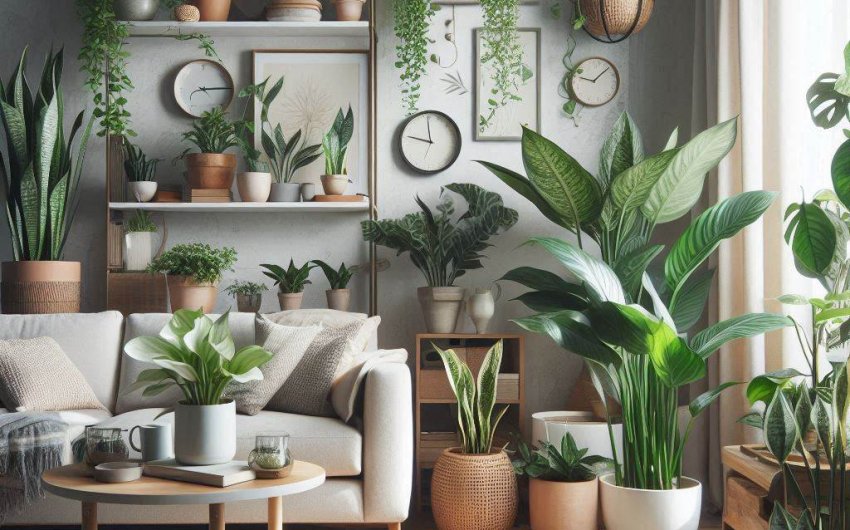
Bringing the vibrant beauty of nature indoors is a wonderful way to enhance your living space. Indoor plants do more than just fill an empty corner; they breathe life into a room, adding color, texture, and a sense of calm. Beyond their aesthetic appeal, many houseplants offer surprising health benefits, from purifying the air to boosting your mood. Whether you're a seasoned plant parent or just starting your green journey, selecting the right plants is key to a thriving indoor garden and a truly healthy and stylish home.
Choosing the best indoor plants can feel a bit overwhelming with so many options available. The ideal plant should not only look good in your space but also thrive in your home's unique conditions with a level of care that suits your lifestyle. This guide will highlight ten exceptional houseplants that excel in both beauty and benefits, offering something for every style and skill level. Get ready to discover your next green companion and transform your home into a lush, inviting sanctuary.
What Are the General Benefits of Having Indoor Plants?
Before we dive into specific plants, it's worth highlighting the many wonderful reasons to fill your home with greenery. The benefits of indoor plants go far beyond just looking pretty. They contribute significantly to both your well-being and the atmosphere of your living space.
How Do Indoor Plants Improve Air Quality?
One of the most well-known and scientifically backed benefits of indoor plants is their ability to improve air quality. Our homes can contain various airborne toxins released from everyday items like furniture, carpets, cleaning products, and paints. These toxins, known as Volatile Organic Compounds (VOCs), can include substances like formaldehyde, benzene, xylene, and trichloroethylene.
Plants act as natural air filters through a process called phytoremediation. Their leaves absorb these harmful compounds from the air, and their root systems convert them into nutrients or harmless substances. They also release oxygen as a byproduct of photosynthesis, refreshing the air around them. While a single plant might not purify an entire house, having several plants, especially larger ones, can make a noticeable difference in reducing indoor air pollution. This creates a healthier environment for breathing and contributes to a genuinely healthy home. For severe air quality issues, a HEPA air purifier can offer additional support.
How Do Plants Contribute to Mental Well-being and Stress Reduction?
Beyond clean air, indoor plants have a remarkable impact on our mental well-being and stress reduction. Simply being around nature, even indoors, can have a calming and uplifting effect.
- Reduced Stress and Anxiety: Studies have shown that interacting with plants can lower blood pressure, reduce muscle tension, and decrease feelings of anxiety. The act of caring for a plant – watering, pruning, observing new growth – can be a meditative and grounding activity, providing a welcome break from daily stressors.
- Improved Mood: The presence of greenery and life can create a more positive and cheerful atmosphere. Plants add a vibrant energy to a room, which can help combat feelings of sadness or loneliness.
- Increased Focus and Productivity: For those who work from home or have a home office, plants can enhance concentration and cognitive performance. A touch of nature can reduce mental fatigue and improve alertness.
- Enhanced Connection to Nature: In an increasingly urbanized world, indoor plants provide a vital link to the natural world, fostering a sense of connection and appreciation for living things.
These psychological benefits make indoor plants invaluable for creating a serene, inviting, and truly healthy home environment. They are an essential part of biophilic design, which aims to connect us with nature.
How Do Indoor Plants Add Aesthetic Value to a Home?
The most immediate and obvious benefit of indoor plants is the incredible aesthetic value they add to any home. They are living decor that can transform a room in countless ways.
- Color and Texture: Plants introduce natural hues of green, variegated patterns, and sometimes vibrant flower colors, breaking up monotonous walls or furniture. Their diverse leaf shapes and textures add visual interest and depth.
- Focal Points: A large, striking plant can become a powerful focal point in a room, drawing the eye and anchoring a design scheme.
- Softening Hard Edges: Plants can soften the rigid lines of modern furniture and architecture, creating a more welcoming and organic feel.
- Filling Empty Spaces: They are perfect for filling awkward corners, empty shelves, or adding life to tabletops.
- Connecting Spaces: By repeating certain plant types or styles, you can create a cohesive flow between different rooms in your home.
- Reflecting Personal Style: The choice of plants and their accompanying pots allows you to express your individual taste, from minimalist to bohemian.
Whether you're aiming for a modern home decor look with clean lines and sculptural plants, or a cozy, jungle-like feel, indoor plants are versatile design elements that contribute significantly to a stylish home interior.
What Are 10 of the Best Indoor Plants for a Healthy and Stylish Home?
Here are ten fantastic indoor plants that combine stunning looks with proven health benefits and a reputation for being relatively easy to care for, making them perfect additions to a healthy and stylish home.
1. Snake Plant (Sansevieria trifasciata)
The Snake Plant, also known as Mother-in-Law's Tongue, is renowned for its upright, sword-like leaves that grow tall and stiff. Its distinct architectural form makes it a favorite for modern home decor and minimalist styles.
- Key Benefits: Excellent air purifier, capable of removing toxins like formaldehyde, benzene, and trichloroethylene from the air, even at night (releasing oxygen). Extremely low maintenance and tolerant of neglect.
- Light Requirements: Highly adaptable. Prefers bright, indirect light but can tolerate very low light conditions, making it suitable for almost any room. Avoid direct, harsh sunlight.
- Watering Needs: Drought-tolerant. Allow soil to dry out completely between waterings, especially in lower light conditions. Overwatering is its biggest killer.
- Style Notes: Its vertical lines add height and a contemporary touch to a space. Looks great in simple, clean-lined pots.
2. Pothos (Epipremnum aureum)
The Pothos, especially the Golden Pothos with its green and yellow variegated leaves, is one of the most popular and forgiving houseplants. Its cascading vines are perfect for hanging baskets or trailing from shelves.
- Key Benefits: Very effective air purifier, removing formaldehyde, carbon monoxide, and benzene. Extremely easy to care for and resilient.
- Light Requirements: Prefers bright, indirect light for best variegation, but tolerates low light. Avoid direct sun, which can scorch leaves.
- Watering Needs: Allow the top few inches of soil to dry out between waterings. Can tolerate some drought.
- Style Notes: Versatile trailing habit for high shelves, plant stands, or hanging baskets. Brings a lush, jungle-like feel.
3. ZZ Plant (Zamioculcas zamiifolia)
The ZZ Plant is known for its waxy, dark green, upright leaves that grow from thick rhizomes. It has a sleek, sculptural appearance and is incredibly hardy, making it perfect for those new to plant care.
- Key Benefits: Exceptional drought tolerance and virtually indestructible. Another great air purifier, removing xylene, toluene, and benzene.
- Light Requirements: Prefers medium to bright indirect light but thrives in very low light conditions, even in office settings with fluorescent lights.
- Watering Needs: Extremely drought-tolerant. Water only when the soil is completely dry, which might be every 2-4 weeks or even longer depending on light and temperature. Overwatering will cause root rot.
- Style Notes: Its glossy, deep green foliage adds sophistication. Ideal for minimalist or contemporary interiors.
4. Spider Plant (Chlorophytum comosum)
The Spider Plant is famous for its arching green and white variegated leaves and its adorable "spiderettes" (baby plants) that dangle from the mother plant. It's a classic choice for a reason: it's easy to grow and charming.
- Key Benefits: Excellent air purifier, tackling formaldehyde and xylene. Non-toxic to pets, making it a safe choice for homes with animals. Easy to propagate new plants from the spiderettes.
- Light Requirements: Prefers bright, indirect light. Can tolerate lower light but may produce fewer spiderettes. Avoid direct sun.
- Watering Needs: Keep soil consistently moist but not soggy. Allow the top inch of soil to dry out between waterings.
- Style Notes: Perfect for hanging baskets or on pedestals where its spiderettes can trail. Adds a cheerful, retro vibe.
5. Peace Lily (Spathiphyllum)
The Peace Lily is a graceful plant with dark green leaves and elegant white "flowers" (which are actually modified leaves called spathes) that resemble flags. It's beautiful and tells you when it needs water by drooping its leaves.
- Key Benefits: Top-rated air purifier by NASA for removing multiple VOCs, including formaldehyde, benzene, trichloroethylene, and ammonia. Visually soothing and adds a touch of serenity.
- Light Requirements: Prefers medium to low indirect light. Too much direct light can scorch leaves and reduce flowering.
- Watering Needs: Keep soil consistently moist but never soggy. It will dramatically droop when thirsty, making it easy to know when to water.
- Style Notes: Adds a touch of tropical elegance and purity. Looks striking in white or black pots.
6. Money Tree (Pachira aquatica)
The Money Tree is often recognized by its braided trunk and five-lobed leaves, said to bring good luck and prosperity. It has a cheerful, abundant look that brightens any space.
- Key Benefits: Helps purify air. Generally easy to care for and adaptable. Its symbolism adds a positive aura to the home.
- Light Requirements: Prefers bright, indirect light. Can tolerate some lower light but will grow more slowly. Avoid direct sun.
- Watering Needs: Water thoroughly when the top 2-3 inches of soil are dry. Don't let it sit in standing water.
- Style Notes: Makes a great floor plant or tabletop centerpiece. Its unique braided trunk and lush foliage add an exotic, stylish touch. A good quality planter for floor plants can enhance its appearance.
7. Aloe Vera (Aloe barbadensis miller)
Beyond its popular use for soothing minor burns, the Aloe Vera plant is a beautiful and practical succulent that makes a great indoor companion. Its thick, fleshy leaves grow in a rosette pattern.
- Key Benefits: Medicinal properties for skin soothing. Low maintenance and very forgiving of neglect.
- Light Requirements: Prefers bright, direct to indirect sunlight. Place in a sunny window (South or West facing is often ideal).
- Watering Needs: As a succulent, it's very drought-tolerant. Water deeply but infrequently, allowing the soil to dry out completely between waterings. Overwatering is fatal.
- Style Notes: Its unique, spiky texture adds a modern, desert-chic vibe. Looks great in terracotta or ceramic pots.
8. Boston Fern (Nephrolepis exaltata 'Bostoniensis')
The Boston Fern is a classic and lush plant known for its graceful, arching fronds. It brings a timeless, natural elegance and a touch of vintage charm to any room.
- Key Benefits: Excellent air humidifier and air purifier, removing formaldehyde and xylene. Creates a natural, refreshing atmosphere.
- Light Requirements: Prefers bright, indirect light. Can tolerate medium light. Avoid direct sun, which can scorch its delicate fronds.
- Watering Needs: Keep soil consistently moist but not soggy. It dislikes drying out completely. Requires more frequent watering than succulents or Pothos.
- Style Notes: Perfect for hanging baskets, pedestals, or on top of bookshelves where its fronds can cascade. Creates a verdant, classic feel.
9. Rubber Plant (Ficus elastica)
The Rubber Plant is a bold and stately plant with large, glossy, dark green leaves (or variegated varieties with burgundy or pink tints). It can grow quite tall, making it a fantastic statement piece.
- Key Benefits: Effective air purifier, removing formaldehyde and carbon monoxide. Its large leaves are highly efficient at photosynthesis. Adds significant visual impact.
- Light Requirements: Prefers bright, indirect light. Can tolerate medium light but will grow slower and less vibrantly. Avoid direct sun which can burn leaves.
- Watering Needs: Water when the top 1-2 inches of soil feel dry. Don't let it sit in standing water.
- Style Notes: Its strong, architectural presence makes it ideal for modern home decor or as a focal point in a spacious room. The dark leaves offer a striking contrast against lighter walls.
10. Cast Iron Plant (Aspidistra elatior)
As its name suggests, the Cast Iron Plant is incredibly tough and resilient, almost impossible to kill. It features long, dark green, leathery leaves that emerge directly from the soil, creating a dense, understated elegance.
- Key Benefits: Extremely low maintenance and tolerant of neglect, making it perfect for beginners or busy individuals. Survives in very low light and can handle fluctuating temperatures.
- Light Requirements: Tolerates very low light, deep shade, and even some periods of drought. Avoid direct sunlight.
- Watering Needs: Allow soil to dry out between waterings. It prefers to be on the drier side to prevent root rot.
- Style Notes: Its dark, strong leaves offer a timeless, classic look. Ideal for filling dark corners, hallways, or spaces where other plants struggle. A robust choice for a truly easy-care indoor plant.
How Do You Care for Indoor Plants to Ensure They Thrive?
Choosing the best indoor plants is just the first step. To ensure they remain healthy and continue to enhance your stylish home, consistent and appropriate care is essential. Even "low-maintenance" plants have basic needs.
What Is the Importance of Proper Lighting Placement?
Proper lighting placement is paramount for the health and vitality of your indoor plants. Light is their primary source of energy, and getting it right is often the biggest factor in their success.
- Match Plant Needs to Light Levels: Understand the specific light requirements of each plant (bright indirect, medium, low).
- Observe Your Home's Light: Pay attention to how light moves through your rooms throughout the day and across seasons. East-facing windows offer gentle morning sun, North-facing provide consistent indirect light, while South and West-facing get intense afternoon sun (which may need filtering).
- Avoid Extremes: Keep plants away from direct, harsh sun that can scorch leaves, and also avoid excessively dark corners where they won't get enough light to thrive.
- Rotate Plants: Periodically rotate your plants so all sides receive even light, encouraging balanced growth.
- Supplement with Grow Lights: If natural light is insufficient, consider using a full-spectrum LED grow light to provide the necessary illumination, especially during darker winter months.
Correct lighting ensures your plants photosynthesize efficiently, promoting vibrant color, strong growth, and overall vigor. This is foundational to a healthy home plant collection.
How Does Watering Technique Impact Plant Health?
Watering technique is often where new plant parents make the most mistakes. Getting it right is crucial for preventing common problems like root rot or dehydration.
- Check Before Watering: Don't water on a schedule. Instead, feel the soil. For most plants, allow the top 1-2 inches of soil to dry out before watering again. For succulents (like Aloe Vera or ZZ Plant), allow the soil to dry out completely.
- Water Thoroughly: When you do water, water deeply until you see water draining from the bottom of the pot. This ensures the entire root ball gets hydrated. Discard any excess water from the saucer to prevent "wet feet."
- Avoid Overwatering: This is the most common cause of houseplant death. Symptoms include yellowing leaves (especially lower ones), mushy stems, and a foul odor from the soil. Overwatering leads to root rot, where roots suffocate and die.
- Avoid Underwatering: Signs include wilting, drooping leaves, crispy edges, and dry, shrinking soil. While some plants (like Peace Lilies) bounce back quickly, chronic underwatering stresses the plant.
- Use Room Temperature Water: Cold water can shock roots.
Understanding your plant's specific needs (e.g., consistently moist vs. drought-tolerant) and adjusting your watering frequency based on light, temperature, and season are key to healthy root systems and happy plants. A soil moisture meter can be a helpful tool.
What Is the Importance of Proper Potting Mix and Drainage?
Proper potting mix and drainage are fundamental to the long-term health of your indoor plants. Without them, even perfect watering and light can't prevent issues.
- Potting Mix: Use a high-quality potting mix designed for houseplants. This is different from garden soil; it's lighter, drains better, and is sterile, reducing the risk of pests and diseases indoors. Some plants (like succulents) need a specialized fast-draining mix (often with added perlite or grit).
- Drainage Holes: This is non-negotiable. Every plant pot must have drainage holes at the bottom. These holes allow excess water to escape, preventing waterlogging and root rot. If a decorative pot doesn't have holes, use it as a cachepot (a decorative outer pot) and keep the plant in a smaller, nursery pot with drainage holes inside it.
- Aeration: A good potting mix provides aeration for the roots, allowing them to breathe. Compacted or dense soil deprives roots of oxygen, leading to suffocation.
- Nutrient Retention: While draining well, a good mix also retains enough moisture and nutrients for the plant's needs.
Repotting your plants every 1-2 years (or when they become root-bound) into fresh potting mix is also beneficial, as nutrients in the old mix get depleted and the soil can become compacted. Ensuring adequate drainage and the right mix is a vital step in maintaining a healthy and stylish home filled with thriving plants.
How Does Humidity and Temperature Affect Indoor Plants?
Humidity and temperature are critical environmental factors for indoor plants, especially those of tropical origin like the Boston Fern or Peace Lily. They work hand-in-hand to create the right atmosphere.
- Temperature: Most houseplants thrive in typical household temperatures, generally between 65°F and 80°F (18°C and 27°C). Avoid placing plants in cold drafts (from windows or doors) or directly next to heat sources (radiators, heating vents) that can cause extreme temperature swings or dry out the air. Consistent temperatures are generally preferred over drastic fluctuations.
- Humidity: Many popular houseplants come from humid tropical environments. Indoor air, especially in winter with heating systems, can be very dry (low humidity). Low humidity leads to:
- Crispy leaf edges or tips
- Stunted growth
- Increased susceptibility to pests like spider mites
To increase humidity around your plants:
- Misting: Regularly mist the leaves with distilled or filtered water. (Temporary but helpful)
- Pebble Trays: Place pots on trays filled with pebbles and water. As the water evaporates, it raises local humidity.
- Humidifier: For significant boosts in humidity, especially in dry rooms, a room humidifier is the most effective solution.
- Grouping Plants: Grouping plants together naturally increases humidity in their immediate area as they release moisture through transpiration.
Monitoring and adjusting humidity and temperature levels helps prevent stress, encourages lush growth, and minimizes pest issues, contributing to an optimal healthy home environment for your plants.