
The Benefits of Using Compost Tea for Plants
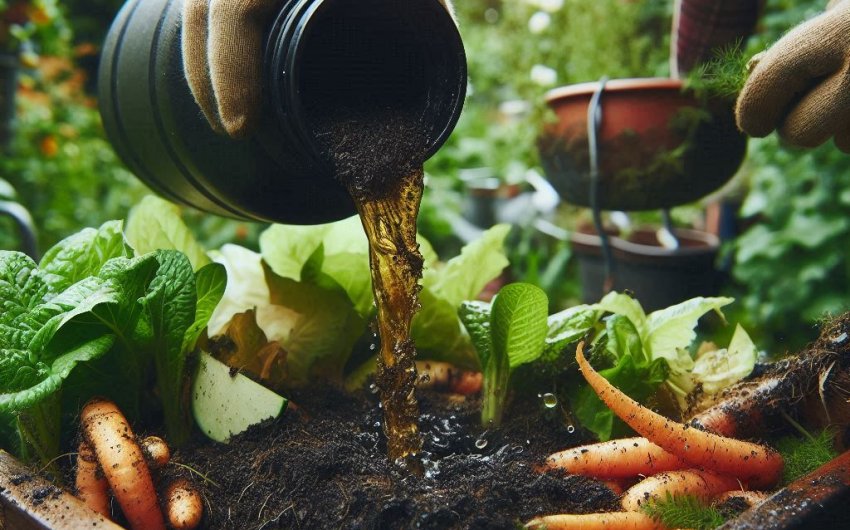
Harnessing the power of compost goes beyond simply amending the soil; extracting its liquid essence offers a potent boost to plant health and vitality. The myriad benefits of using compost tea for plants stem from its rich microbial diversity and readily available nutrients, which can be delivered directly to foliage and root zones. This organic elixir promotes a thriving soil ecosystem, enhances plant immunity, and boosts growth, making it an invaluable tool for any gardener seeking sustainable and effective ways to nourish their green companions.
What Exactly is Compost Tea?
Compost tea is a liquid extract made by steeping finished compost in water, often with aeration and additional food sources, to proliferate beneficial microorganisms. It's essentially a concentrated liquid form of the microbial and nutrient power found in solid compost.
1. Key Components
Compost tea, at its core, is about extracting and multiplying the "good stuff" from compost.
- Compost: The foundation of the tea. High-quality, mature compost teeming with diverse beneficial bacteria, fungi, protozoa, and nematodes is essential. The type of compost (e.g., worm castings, hot compost) influences the microbial profile of the resulting tea.
- Water: The medium for brewing. Non-chlorinated water is crucial because chlorine can kill beneficial microorganisms. Rainwater, well water, or tap water that has been left out for 24-48 hours (to allow chlorine to dissipate) are good choices.
- Microbial Food Source (Brewing Aids): These ingredients are added to help beneficial microbes multiply rapidly during the brewing process.
- Molasses (unsulphured): Provides simple sugars that are excellent food for bacteria.
- Kelp Meal: A good source of micronutrients, hormones, and complex sugars that feed fungi and a broader range of microbes.
- Fish Emulsion: Offers nitrogen and other nutrients, also supporting bacterial growth.
- Humic/Fulvic Acids: Can enhance nutrient chelation and microbial activity.
- Oxygen (for Aerated Tea): Crucial for aerobic brewing, which promotes beneficial microbes and prevents harmful anaerobic conditions. An air pump and air stone are used for this purpose.
2. The Brewing Process
Compost tea is primarily made through two methods: passive (non-aerated) and aerated.
- Passive (Non-Aerated) Compost Tea:
- Method: Simply placing compost (often in a porous bag) in a bucket of non-chlorinated water and letting it steep for 12-48 hours. It's similar to making a cup of tea.
- Characteristics: Tends to be more nutrient-rich and less microbially diverse than aerated tea. Can become anaerobic if steeped too long, producing foul odors and potentially harmful microbes.
- Use: Better for nutrient delivery, but less effective for microbial inoculation.
- Aerated Compost Tea (ACT):
- Method: This involves continuously bubbling air through the compost and water mixture using an air pump and air stone for 12-36 hours. A compost tea brewer simplifies this.
- Characteristics: Actively multiplies beneficial aerobic bacteria and fungi, resulting in a tea rich in living microorganisms. Less likely to develop harmful anaerobic pathogens. Should smell fresh and earthy.
- Use: Excellent for inoculating soil and plant surfaces with beneficial microbes for disease suppression and enhanced nutrient cycling.
3. What It's Not
It's important to distinguish compost tea from other related terms.
- Compost Leachate: The liquid that drains from the bottom of a compost pile. This liquid is often anaerobic and may contain plant pathogens or harmful compounds; it should not be used on plants.
- Compost Extract: A non-aerated, quick steeping (e.g., a few hours) of compost in water, primarily to extract water-soluble nutrients and a smaller number of microbes. It's a precursor to tea.
Compost tea, especially aerated compost tea, is a potent liquid full of beneficial microbes and dissolved nutrients, ready to be utilized in soil gardening for a range of positive effects on plant health.
How Does Compost Tea Enhance Nutrient Availability?
While solid compost slowly releases nutrients, compost tea for plants offers a more immediate and bioavailable surge of nutrition. It acts as a liquid bridge, making essential elements readily accessible to plant roots and foliage.
1. Readily Available Nutrients
Compost tea contains dissolved nutrients that plants can quickly absorb.
- Water-Soluble Forms: During the brewing process, water-soluble nutrients from the compost are leached into the liquid. These nutrients are already in ionic forms that plant roots can directly take up, making them a fast-acting supplement compared to solid compost.
- Micro and Macronutrients: Compost tea typically contains a balanced array of both macronutrients (like nitrogen, phosphorus, potassium) and micronutrients (such as iron, manganese, zinc, boron, and copper). While the concentrations are generally lower than synthetic fertilizers, they are present in a highly accessible form.
- Amino Acids and Humic Substances: The tea also contains beneficial organic compounds like amino acids, enzymes, and humic and fulvic acids, which can act as growth stimulants and improve nutrient chelation (making nutrients more soluble and available to plants).
2. Microbial Role in Nutrient Cycling
The living microorganisms in compost tea are critical for long-term nutrient release in the soil.
- Mineralization: When applied to the soil, the teeming microbes in compost tea continue the process of mineralization. They break down organic matter in the soil, converting complex organic compounds into simpler inorganic forms that plant roots can absorb. For example, they transform organic nitrogen into ammonium and nitrate, the forms plants can use.
- Solubilizing Immobile Nutrients: Certain microbes, particularly specific fungi and bacteria, are capable of solubilizing "locked-up" nutrients in the soil. For instance, some microbes can make phosphorus, which often binds tightly to soil particles, more available to plants. Others can convert atmospheric nitrogen into usable forms (nitrogen fixation).
- Improved Root Uptake: A healthy soil microbiome fostered by compost tea improves the efficiency of nutrient uptake by plant roots. Some microbes form symbiotic relationships with roots, extending their reach and ability to absorb nutrients and water.
3. Buffering Soil pH
While not its primary role, the organic acids and microbial activity in compost tea can help buffer soil pH, further enhancing nutrient availability.
- Stabilizing pH: Compost tea tends to bring soil pH closer to neutral, which is the optimal range for most plant nutrient absorption.
- Unlocking Nutrients: When pH is within the ideal range, nutrients that might otherwise be "locked up" at very acidic or alkaline extremes become more accessible to plant roots.
4. Direct Foliar Feeding
Compost tea can be applied directly to plant leaves, offering a unique avenue for nutrient uptake.
- Stomatal Absorption: Plants can absorb some nutrients directly through their leaves via stomata (tiny pores). Foliar application of compost tea provides an immediate, albeit limited, nutrient boost.
- Enhanced Photosynthesis: The enzymes and nutrients in the tea can sometimes stimulate photosynthesis and overall metabolic activity in the plant.
By providing both immediate, soluble nutrients and a thriving microbial workforce for ongoing nutrient cycling, compost tea for plants is a powerful tool for enhancing nutrient availability and promoting vigorous growth.
How Does Compost Tea Suppress Pests and Diseases?
One of the most exciting benefits of using compost tea for plants lies in its remarkable ability to act as a natural defense mechanism against various pests and diseases. This is primarily achieved through a combination of microbial competition, induced systemic resistance, and the creation of an overall healthier plant environment.
1. Microbial Competition and Exclusion
The vast diversity of beneficial microorganisms in compost tea outcompetes or directly suppresses harmful pathogens.
- "Good Guys Crowd Out Bad Guys": When compost tea is applied to plant surfaces (foliar spray) or soil (soil drench), it inoculates these areas with billions of beneficial bacteria, fungi, and other microbes. These "good guys" quickly colonize the available space and consume available food sources.
- Resource Competition: By rapidly multiplying and consuming nutrients on leaf surfaces or in the rhizosphere (the area around plant roots), the beneficial microbes effectively "starve out" harmful pathogens, leaving them no room or food to proliferate.
- Direct Predation: Some beneficial microbes in the tea directly prey on or parasitize disease-causing fungi or nematodes, reducing their populations. For instance, certain fungi can ensnare and consume pathogenic nematodes.
2. Induced Systemic Resistance (ISR)
Compost tea can trigger a plant's natural defense mechanisms.
- Plant Immunity Boost: The presence of beneficial microbes, or compounds they produce, can "prime" the plant's immune system. This means the plant becomes more vigilant and better prepared to defend itself when attacked by pathogens or pests.
- Enhanced Defense Responses: When a disease or pest does strike, a plant with ISR will mount a faster and stronger defense response, producing compounds that make it less palatable to pests or more resistant to disease progression. This is similar to a "vaccination" for plants.
3. Direct Antagonism
Some microbes in compost tea actively work against pathogens.
- Antibiotic Production: Certain beneficial bacteria and fungi can produce antibiotic-like compounds that directly inhibit the growth of pathogenic microorganisms.
- Enzyme Secretion: Microbes may also secrete enzymes that break down the cell walls of harmful fungi or the protective coatings of insect pests.
4. Improved Plant Health and Vigor
A healthy plant is naturally more resistant to problems.
- Nutrient Availability: As discussed, compost tea enhances nutrient cycling and availability, leading to stronger, more robust plants. Healthy plants with optimal nutrition are inherently more resilient to pest attacks and less susceptible to disease.
- Stress Reduction: By improving soil structure, water retention, and nutrient uptake, compost tea helps reduce overall plant stress. Stressed plants are typically more vulnerable to pests and diseases.
5. Physical Barrier (for Foliar Application)
When sprayed on leaves, compost tea can sometimes create a temporary physical barrier.
- Coating Leaves: The microbial film and dissolved organic matter can physically coat leaf surfaces, making it harder for fungal spores to germinate and penetrate the leaf tissue. This effect is short-lived and relies on frequent reapplication.
By leveraging these multifaceted mechanisms, compost tea for plants offers a powerful and sustainable way to build plant resilience and naturally suppress common garden adversaries, reducing the reliance on chemical pesticides and fungicides.
How Does Compost Tea Improve Soil Structure and Health?
While bulk compost is renowned for its long-term soil building, compost tea for plants plays a crucial, albeit distinct, role in rapidly inoculating and enhancing the soil's living ecosystem. This microbial boost significantly improves soil structure and overall vitality.
1. Accelerates Organic Matter Decomposition
The teeming microbes in compost tea are engines of decomposition.
- Inoculation: When applied as a soil drench, compost tea introduces billions of active bacteria, fungi, and other microorganisms directly into the soil. Many soils, especially those that have been heavily tilled or treated with chemicals, can be depleted of these vital microbes.
- Breakdown of Residual Organic Matter: These newly introduced microbes immediately go to work breaking down existing organic matter in the soil, such as old roots, plant debris, or undecomposed mulch. This accelerates the natural nutrient cycling process.
- Humus Formation: Over time, the decomposition process contributes to the formation of stable humus, a highly beneficial form of organic matter that significantly improves soil structure and fertility.
2. Enhances Soil Aggregation
Microbial activity is essential for creating a healthy, crumbly soil structure.
- Microbial "Glues": Bacteria and fungi excrete sticky polysaccharides (sugars) and other glues that bind individual soil particles (sand, silt, clay) together into larger, more stable clumps called aggregates.
- Fungal Hyphae: Fungal mycelia (thread-like structures) grow through the soil, physically binding aggregates together and creating stable channels.
- Improved Aeration and Drainage: The formation of these aggregates creates a porous, open structure in the soil. This leads to improved aeration (more air pockets for roots) and better drainage (water moves through more easily), preventing compaction and waterlogging.
- Root Penetration: Looser, aggregated soil is easier for plant roots to penetrate and explore, leading to stronger root systems.
3. Increases Microbial Diversity
A diverse soil microbiome is a resilient and productive one.
- Introducing Diversity: Compost tea introduces a wide array of microbial species that might be lacking in your native soil, especially if it's been disturbed, over-fertilized, or compacted.
- Fostering a Balanced Ecosystem: This increased diversity helps create a balanced soil food web, where different types of microorganisms perform various functions, leading to a more robust and self-sustaining soil environment.
- Resilience: A diverse microbial community makes the soil more resilient to stress, such as drought, extreme temperatures, or the introduction of pathogens.
4. Supports Earthworm Activity
Earthworms are major contributors to soil health, and compost tea helps create conditions they love.
- Food Source: The presence of abundant microorganisms and the softened organic matter in compost tea provide a rich food source for earthworms.
- Improved Habitat: As soil structure improves (better aeration, drainage, and reduced compaction), the soil becomes a more favorable habitat for earthworms to thrive, burrow, and deposit their nutrient-rich castings.
5. Buffers Environmental Stress
A healthy soil microbiome, supported by compost tea, helps plants cope with challenging conditions.
- Drought Tolerance: Improved soil structure and microbial activity can enhance the soil's ability to retain moisture and make it available to plants, increasing drought tolerance.
- Nutrient Buffering: The vibrant microbial community helps stabilize nutrient levels and pH, allowing plants to access nutrients even under suboptimal conditions.
By rapidly introducing a thriving community of beneficial microbes, compost tea for plants acts as a powerful catalyst for enhancing soil structure, promoting aggregation, and building a resilient and fertile living environment beneath your garden.
How to Make and Use Compost Tea for Your Garden?
Making and using compost tea for plants effectively requires attention to detail, especially regarding sanitation and timing. Following a clear process ensures you create a beneficial brew and apply it in a way that maximizes its positive impact on your garden.
1. Gathering Your Supplies
Before you begin, ensure you have all the necessary components for a successful brew.
- High-Quality Compost: This is the most crucial ingredient. Use mature, finished compost that smells earthy and has no recognizable food scraps. Worm castings are highly recommended for excellent tea.
- Non-Chlorinated Water:
- Rainwater: Ideal if available.
- Well Water: Usually fine, but test it if you're unsure.
- Tap Water: If using tap water, let it sit out in an open container for 24-48 hours to allow chlorine to evaporate. For chloramines (a more stable disinfectant), you may need a charcoal filter or a specialized treatment like a dechlorinator for aquariums.
- 5-Gallon Bucket (or larger): A clean, food-grade plastic bucket.
- Air Pump and Air Stone: An aquarium air pump and a few air stones with tubing.
- Mesh Bag: A large paint strainer bag, old nylon stocking, or fine mesh laundry bag to hold the compost.
- Brewing Aids (Microbial Food):
- Unsulphured Molasses: 1-2 tablespoons per gallon of water.
- Kelp Meal: 1 tablespoon per gallon of water.
- Fish Emulsion (Optional): 1 tablespoon per gallon of water.
- Stirring Stick: For mixing.
- Spray Bottle or Watering Can: For application.
2. The Brewing Process (Aerated Compost Tea)
This method ensures a high concentration of beneficial aerobic microbes.
- Fill Bucket: Fill your clean 5-gallon bucket with 4 gallons of non-chlorinated water. Leave some space at the top.
- Add Brewing Aids: Add your chosen brewing aids (molasses, kelp meal, etc.) to the water and stir well to dissolve.
- Prepare Compost Bag: Place 1-2 cups of high-quality compost or worm castings into the mesh bag. Tie the top securely to prevent compost from floating free.
- Suspend Compost: Suspend the mesh bag containing the compost in the water. You can clip it to the rim of the bucket or simply let it sink.
- Set Up Aeration: Place the air stone(s) at the bottom of the bucket, making sure they are submerged. Connect the air pump to the tubing and turn it on. You should see a vigorous stream of bubbles.
- Brew Time: Brew the tea for 12 to 36 hours. The ideal time depends on temperature (warmer temps mean faster brewing) and the specific compost.
- Too Short: Not enough microbial multiplication.
- Too Long: Can lead to anaerobic conditions or exhaustion of food sources, causing microbes to die off.
- Smell Test: Finished compost tea should smell fresh, earthy, and pleasant. If it smells foul, rotten, or like rotten eggs, it has gone anaerobic and should be discarded.
- Filter (Optional but Recommended): After brewing, remove the mesh bag. For spraying applications, strain the tea through a fine mesh cloth or cheesecloth to remove any large particles that could clog sprayers.
3. Using Compost Tea
Compost tea is best used immediately after brewing to ensure maximum microbial viability.
- Timing: Use the tea within 4-6 hours of turning off the air pump. The microbes are most active and abundant right after brewing.
- Dilution (Optional): Compost tea can be used undiluted, or you can dilute it with non-chlorinated water up to a 1:10 ratio, especially for very young plants or general soil drenching. For foliar sprays, use it undiluted if desired, ensuring fine straining.
- Application Methods:
- Foliar Spray: Use a clean spray bottle or pump sprayer to thoroughly mist the leaves of your plants, coating both the tops and undersides. Apply in the early morning or late afternoon when temperatures are cooler and the tea has time to be absorbed before evaporating, and to avoid leaf scorch.
- Soil Drench: Apply the tea directly to the soil around the base of your plants using a watering can. This inoculates the root zone and feeds the soil food web.
- Frequency:
- General Maintenance: Apply every 2-4 weeks during the active growing season.
- Addressing Problems: For stressed plants or those showing signs of disease, apply weekly until improvement is seen.
- After Disturbance: Apply after transplanting, heavy pruning, or soil disturbance to help re-establish beneficial microbial populations.
- Clean Up: Thoroughly clean all equipment (bucket, air stones, tubing, mesh bag) with hot water and dish soap immediately after use to prevent bacterial buildup and ensure future brews are healthy. Sanitize with a diluted bleach solution if necessary.
By mastering the creation and application of compost tea for plants, you'll unlock a powerful, organic tool to boost your garden's health and vitality.