
Can You Compost Paper Towels and Napkins?
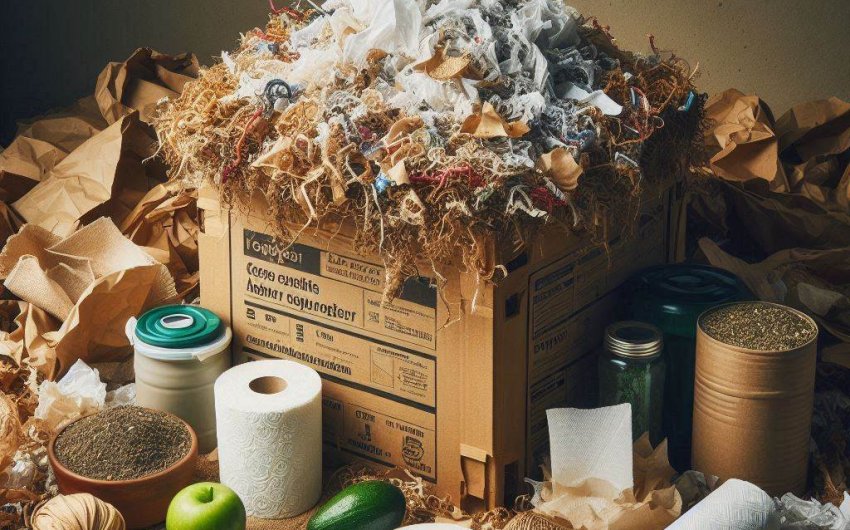
A common question for eco-conscious households looking to reduce waste is, "Can you compost paper towels and napkins?" The good news is, in many cases, yes! These ubiquitous paper products, often used once and then discarded, can indeed be diverted from landfills and transformed into valuable compost for your garden. However, there are important considerations regarding their contents and proper preparation to ensure a healthy and effective composting process.
What is Compost and Why Should You Care?
Compost is the result of the natural decomposition of organic materials, transforming them into a rich, dark, nutrient-dense soil amendment. It's often called "black gold" by gardeners due to its immense benefits for plants and soil. Understanding what compost is and why it matters helps frame the discussion about including items like paper towels and napkins in your composting efforts.
What is the Composting Process?
Composting is essentially controlled decomposition. It involves microorganisms (bacteria, fungi) breaking down organic matter in the presence of oxygen and moisture. The process generates heat, which helps speed up decomposition and kills off many pathogens and weed seeds. The result is humus, a stable, earthy material that looks and smells like rich soil.
The composting process relies on a balance of two main types of materials:
- "Greens" (Nitrogen-rich): These are typically fresh, moist materials like food scraps (fruit and vegetable peels, coffee grounds, tea bags), fresh grass clippings, and plant trimmings. They provide the nitrogen necessary for microbial growth.
- "Browns" (Carbon-rich): These are dry, often woody materials like dry leaves, shredded newspaper, cardboard, and, yes, paper towels and napkins. They provide carbon, which is the energy source for the microbes, and help create air pockets in the compost pile.
Why is Composting Beneficial?
Composting offers a multitude of benefits for your garden, your wallet, and the environment.
- Enriches Soil: Compost improves soil structure, aeration, and water retention, making it easier for plant roots to grow. It slowly releases essential nutrients, reducing the need for synthetic fertilizers.
- Reduces Waste: A significant portion of household waste (food scraps, yard waste, paper products) can be composted, diverting it from landfills. This helps extend the life of landfills and reduces methane emissions (a potent greenhouse gas produced when organic matter decomposes without oxygen in landfills).
- Suppresses Plant Diseases: Healthy, biologically active soil, bolstered by compost, can help plants resist pests and diseases.
- Saves Money: By creating your own soil amendment, you reduce or eliminate the need to purchase bags of topsoil, potting mix, or chemical fertilizers.
- Promotes Healthy Soil Ecosystem: Compost introduces beneficial microorganisms to your soil, creating a thriving environment that supports plant growth.
What Kinds of Paper Towels and Napkins Can Be Composted?
While many paper towels and napkins are compostable, it's crucial to differentiate between those that are safe and beneficial for your compost pile and those that should be avoided. The key lies in their material composition, particularly the presence of inks, dyes, and chemical residues.
Unbleached and Unprinted Paper Products
These are the safest and most recommended options for your compost bin.
- Plain Brown Paper Towels: These are typically made from recycled fibers and are often unbleached and undyed. They are an excellent source of carbon ("brown" material) for your compost pile. You can find unbleached paper towels from many brands.
- Plain White Paper Towels: As long as they are free from excessive dyes or patterns, most plain white paper towels are compostable. They are generally bleached, but the amount of bleach residue is usually minimal and breaks down during composting.
- Plain White or Brown Napkins: Similar to paper towels, unprinted napkins, whether white or brown, are usually safe for composting. This includes most everyday dinner napkins. Look for compostable napkins.
What About Printed, Colored, or "Heavy Duty" Varieties?
Here's where caution is needed.
- Colored or Heavily Printed Paper Towels/Napkins: Many colored paper products contain synthetic dyes that can introduce undesirable chemicals into your compost. While some newer, eco-friendly products may use vegetable-based inks, it's often difficult to tell. When in doubt, it's best to avoid them or use them sparingly.
- "Heavy-Duty" or Treated Paper Towels: Some paper towels are treated with wet-strength resins or other chemicals to make them more durable when wet. These treatments can slow down decomposition and potentially introduce non-biodegradable components into your compost. If a paper towel feels unusually strong or fabric-like when wet, it might be treated.
- Paper Towels with Cleaning Product Residues: This is a definite NO. If a paper towel or napkin has been used to wipe up chemical cleaners, grease, oil, or toxic substances, do not compost it. These residues can harm beneficial microorganisms in your compost pile and introduce harmful chemicals to your garden soil.
- Waxed or Plastic-Coated Paper: These items are not compostable. The wax or plastic coating prevents them from breaking down naturally.
The "Cleanliness" Rule: Food Residues
- Food-Soiled Paper Towels/Napkins: These are often the best candidates for composting. If they've been used to wipe up food scraps (e.g., crumbs, sauce remnants, fruit juice), they add both carbon (the paper) and a small amount of nitrogen (the food residue) to your pile. This helps the decomposition process.
- Grease/Oil Soiled Paper Towels: Small amounts of plant-based cooking oil or grease on paper towels are generally acceptable in a hot compost pile. However, large amounts of animal fats or excessive oil can attract pests and slow down decomposition. It's usually better to discard paper towels heavily saturated with grease.
How Do You Prepare Paper Towels and Napkins for Composting?
Simply tossing whole paper towels and napkins into your compost bin isn't the most effective method. Proper preparation can significantly speed up their decomposition and ensure they integrate well into your compost pile. Think of it as making it easier for the microorganisms to do their job.
Shredding or Tearing for Faster Decomposition
- Increase Surface Area: Paper products, especially when whole, can form dense mats that limit air circulation and slow down decomposition. Tearing or shredding them into smaller pieces dramatically increases their surface area, providing more points of entry for microorganisms.
- Methods:
- Tear by Hand: For smaller amounts, simply tear paper towels and napkins into strips or smaller squares.
- Shredding: For larger volumes, a paper shredder (though typically used for documents) can create perfect confetti-like pieces. Ensure it's a cross-cut shredder for best results.
- Rip into Strips: If you don't have a shredder, ripping them lengthwise into strips works well.
- Benefit: Smaller pieces break down much faster, usually within a few weeks to months, depending on your compost system's efficiency.
Balancing "Greens" and "Browns"
Paper towels and napkins are considered "brown" materials because they are high in carbon. For a successful compost pile, you need a good balance of "greens" (nitrogen-rich) and "browns."
- Ideal Ratio: Aim for roughly a 2:1 or 3:1 ratio of carbon to nitrogen by volume. This translates to about two to three times as much brown material as green material.
- Why Balance Matters:
- Too Many Browns: A pile with too many browns will decompose very slowly and might even seem dry and lifeless.
- Too Many Greens: A pile with too many greens can become wet, slimy, and develop unpleasant odors (like rotten eggs) due to anaerobic conditions.
- Incorporating Paper Products: When adding paper towels and napkins, treat them as a "brown" component. For example, if you're adding a bucket of kitchen scraps (greens), add a similar volume of shredded paper towels, dry leaves, or other browns. This balance helps maintain aeration and supports the microbial activity.
Layering in Your Compost Bin
Layering helps ensure proper mixing of materials and good air circulation, especially when adding paper.
- Alternating Layers: Instead of adding a large clump of paper all at once, alternate layers of "greens" and "browns."
- Start with a layer of coarser brown material (like twigs or straw) at the bottom for drainage and aeration.
- Add a layer of kitchen scraps or fresh grass clippings (greens).
- Follow with a layer of shredded paper towels and napkins (browns).
- Repeat the layers.
- Moisture and Air: As you add layers, lightly moisten dry materials. The moisture in the green materials will help dampen the browns. Regular turning of the pile will also help mix the layers and introduce air.
Avoiding Large Clumps
- Prevents Matting: Whole or large pieces of paper towels and napkins can stick together, forming dense, impenetrable mats that become waterlogged and anaerobic. These clumps decompose very slowly and can become smelly.
- Ensures Aeration: By tearing or shredding and layering, you prevent these mats from forming, allowing air to circulate throughout the compost pile. This maintains aerobic conditions, which are essential for efficient, odor-free decomposition.
What Are the Potential Drawbacks of Composting Paper Products?
While generally safe and beneficial, there are a few potential downsides or considerations when deciding to compost paper towels and napkins. Being aware of these helps you manage your compost pile effectively and ensure the quality of your finished compost.
Potential for Contaminants
- Inks and Dyes: As mentioned, many colored or heavily printed paper towels and napkins use synthetic inks and dyes that might contain heavy metals or other undesirable chemicals. While research suggests the risk of significant contamination in home compost is low with occasional use, consistent addition of such materials could theoretically lead to accumulation. It's always safest to stick to unbleached, unprinted products.
- Chemical Residues: This is the most significant concern. Paper towels used to wipe up harsh cleaning chemicals (like bleach, oven cleaner, disinfectants), motor oil, paint, or other toxic substances should absolutely never be composted. These chemicals can kill beneficial microorganisms in your compost pile and introduce harmful toxins directly into your garden soil.
- Wet-Strength Resins: Some "heavy-duty" or "ultra-strong" paper towels contain resins that help them maintain integrity when wet. These can be plastics or other synthetic compounds that do not readily break down in a typical home compost system. If a paper towel feels unusually fibrous or doesn't tear easily when wet, it might contain these. These should be avoided if you want truly organic compost.
Slower Decomposition Rates
- Density and Structure: Paper towels and napkins are primarily cellulose, which is a fibrous material that can take longer to break down compared to softer "green" materials like food scraps. If not shredded or torn and properly mixed, they can form dense, slow-decomposing clumps.
- Low Nitrogen Content: As "brown" materials, paper products have a high carbon-to-nitrogen ratio. If you add too many without enough "green" (nitrogen-rich) materials, your compost pile can become imbalanced, and decomposition will slow to a crawl. The microorganisms need nitrogen to fuel their work.
- Tips for Faster Breakdown:
- Always shred or tear them into smaller pieces.
- Ensure a good carbon-to-nitrogen ratio.
- Keep the pile consistently moist (like a wrung-out sponge).
- Turn the pile regularly to introduce oxygen.
Attracting Pests (If Soiled)
- Grease and Oils: While a small amount of plant-based grease on a paper towel is usually fine in a hot, active compost pile, large quantities of animal fats, meat grease, or oils can attract unwanted pests like rodents, flies, and other animals. These types of residues are generally best avoided in home compost bins, especially if they are open or not actively managed.
- Dairy Products: Similarly, paper towels used to wipe up significant amounts of milk, cheese, or other dairy products can attract pests and create foul odors.
- Meat Scraps: Paper towels used with meat scraps are also a no-go for standard home compost bins due to pest attraction and potential for pathogens.
- Smell: If paper towels heavily soiled with food (beyond simple crumbs) are left in an open pile without being properly covered by other materials, they can begin to smell, especially as food decomposes.
By being mindful of these potential drawbacks and adhering to best composting practices, you can effectively integrate paper towels and napkins into your system without compromising the quality or safety of your finished compost.
What are the Best Practices for Composting Paper Products?
To ensure that paper towels and napkins effectively break down and contribute positively to your compost pile, it's essential to follow certain best practices. These guidelines will help you maintain a balanced, active, and efficient composting system, maximizing your efforts to divert waste and create valuable soil amendments.
Only Compost "Clean" Paper Towels and Napkins
- No Contaminants: This is the golden rule. Only compost paper products that are free from harmful chemicals, heavy grease, or non-biodegradable residues.
- Yes: Paper towels used for wiping water spills, drying hands, absorbing food juices, wiping up vegetable scraps, or dabbing clean surfaces.
- No: Paper towels used with bleach, ammonia, paint, motor oil, strong detergents, pet waste, or excessive meat/dairy grease.
- Plain is Best: Prioritize unbleached, unprinted, and undyed paper towels and napkins. If you occasionally add a colored napkin, ensure it's free of hazardous materials, but minimizing them is always safer.
Tear or Shred Them for Faster Breakdown
- Increase Surface Area: Large pieces of paper can mat together, reducing air circulation and slowing decomposition.
- Action: Always tear or shred paper towels and napkins into smaller pieces (e.g., 1-2 inch squares or strips) before adding them to the compost bin. A paper shredder works wonders if you have one.
Balance with "Greens" for Optimal Decomposition
- Carbon Source: Remember that paper towels and napkins are "brown" (carbon-rich) materials.
- Ratio Matters: For optimal decomposition, your compost pile needs a balance of carbon (browns) and nitrogen (greens). A good rule of thumb is about 2-3 parts browns to 1 part greens by volume.
- Action: When you add a batch of shredded paper towels, ensure you also add a corresponding amount of "greens" like kitchen scraps, coffee grounds, or fresh grass clippings. This provides the necessary nitrogen for the microorganisms to break down the carbon.
Ensure Adequate Moisture
- Microbial Activity: Microorganisms need moisture to thrive and decompose organic matter.
- Consistency: Your compost pile should be consistently moist, like a wrung-out sponge – damp, but not soggy.
- Action: If you're adding a lot of dry paper towels, lightly mist them with water as you add them, or ensure they are mixed with moist green materials. If the entire pile feels too dry, add water as you turn it.
Turn Your Compost Pile Regularly
- Aeration: Turning your compost pile introduces oxygen, which is vital for the aerobic microorganisms that do the decomposition work. It also helps distribute moisture and mix materials.
- Prevents Compaction: Turning prevents the paper products from compacting into dense, anaerobic layers.
- Action: Turn your compost pile every few days to once a week, especially after adding a new batch of materials. Use a compost aerator or a pitchfork to mix the contents thoroughly.
Bury Food-Soiled Paper Deeply (Especially in Open Piles)
- Pest Prevention: If you're composting paper towels soiled with food (even small amounts), burying them under a layer of other materials (especially "browns" or finished compost) helps deter pests like flies and rodents.
- Odor Control: Burying also helps contain any potential odors from the decomposing food residue.
Integrate into Various Composting Systems
- Hot Composting: In a well-managed hot compost pile (which reaches temperatures of 120-160°F), paper towels and napkins will break down very quickly, often within weeks.
- Cold Composting: In a cold compost pile (less managed, slower process), they will still break down but will take longer, usually several months to a year.
- Worm Composting (Vermicomposting): Yes, paper towels and napkins (torn or shredded) are excellent bedding material for worm bins. They provide carbon and absorb moisture. Ensure they are unprinted and free of chemicals. The worms will consume the paper along with food scraps. You can use a vermicomposting bin for this.
By following these best practices, you can confidently include paper towels and napkins in your home composting routine, transforming them from waste into a valuable resource for your garden.