
How to Make Leaf Compost for a Healthier Garden?
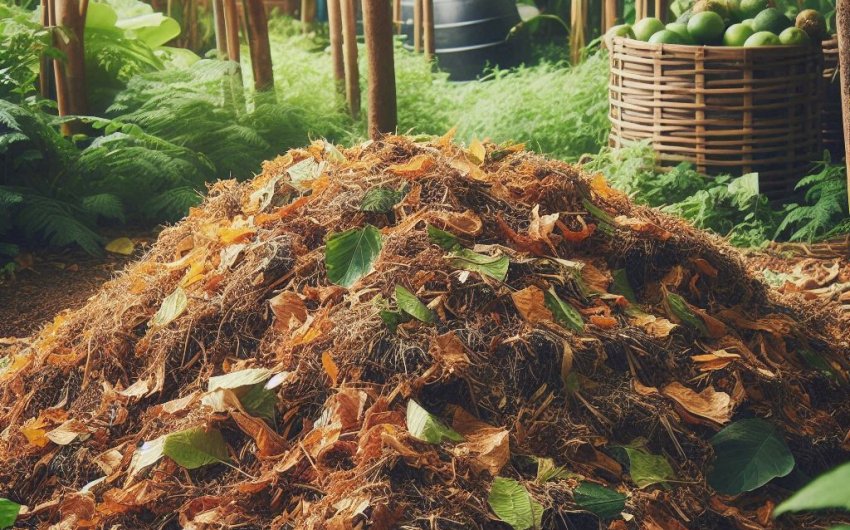
As autumn descends, bringing with it a spectacular display of fiery hues, it also signals the annual deluge of fallen leaves. For many, these leaves are seen as a nuisance to be bagged and discarded, but for the savvy gardener, they represent a free, abundant, and incredibly valuable resource. Learning how to make leaf compost for a healthier garden is one of the easiest and most effective ways to boost your soil's fertility, improve its structure, and drastically reduce garden waste. This guide will walk you through the simple steps of transforming fallen leaves into rich, dark "leaf mold" or combining them into traditional compost, unlocking their full potential for your thriving garden.
Why is Leaf Compost So Beneficial for Your Garden?
Leaf compost, often specifically called leaf mold, is a distinct and highly prized form of organic matter that offers unique advantages to garden soil.
What are the Unique Benefits of Leaf Mold?
Leaf mold is not the same as general compost; it's the result of fungal decomposition of leaves, creating a structure and set of benefits that are particularly valuable.
- Exceptional Soil Conditioner: Leaf mold excels at improving soil structure.
- For heavy clay soils, it helps to break up compaction, improving drainage and aeration.
- For sandy soils, it significantly increases water retention and nutrient-holding capacity, acting like a sponge.
- Improves Water Retention: Its sponge-like texture allows it to hold up to 500 times its weight in water, making your garden more drought-resilient and reducing your watering needs.
- Enhances Soil Aeration: The loose, crumbly structure of leaf mold creates air pockets in the soil, which are essential for healthy root growth and beneficial microbial activity.
- Feeds Soil Microbes: It provides a slow-release source of food for earthworms, fungi, and beneficial bacteria, fostering a thriving soil food web.
- Buffers Soil pH: Leaf mold is typically neutral to slightly acidic (around pH 6.0-6.5), which is beneficial for most garden plants and helps stabilize soil pH.
- Slow-Release Nutrients: While lower in nitrogen than general compost, leaf mold contains a good range of trace minerals (calcium, magnesium, potassium) that are slowly released over time, providing gentle, sustained nourishment.
- Weed Suppression: When used as a topdressing or mulch, it helps suppress weed growth.
How Do Leaves Contribute to General Compost?
Beyond creating pure leaf mold, fallen leaves are an essential "brown" (carbon-rich) ingredient for balancing your regular compost pile.
- Carbon Source: Leaves are an abundant source of carbon, crucial for balancing the nitrogen-rich "green" materials (like grass clippings and kitchen scraps). A proper carbon-to-nitrogen ratio is essential for efficient, hot composting.
- Bulk and Structure: Leaves add bulk to the compost pile, preventing compaction and ensuring good airflow, which is vital for aerobic decomposition.
- Year-Round Material: Collecting and storing autumn leaves provides a steady supply of "browns" for composting throughout the year.
What Materials Are Best for Leaf Compost (Leaf Mold)?
Not all leaves are created equal when it comes to making leaf mold. Understanding which leaves to use and which to avoid can significantly impact the quality and speed of decomposition.
What are the Best Leaves for Leaf Mold?
- Deciduous Tree Leaves: The vast majority of common deciduous tree leaves are excellent for leaf mold.
- Ideal: Maple, Oak, Birch, Poplar, Ash, Elm, Cherry. These leaves generally break down at a good rate.
- Oak Leaves: While acidic when fresh, they become neutral as they decompose into leaf mold. They break down slowly, but the resulting mold is highly beneficial.
- Shredding Leaves: This is arguably the most important step for speeding up the leaf mold process.
- Increases Surface Area: Shredding leaves into smaller pieces exposes more surface area to decomposers (primarily fungi), drastically accelerating breakdown.
- Prevents Matting: Whole leaves, especially larger ones, can mat together, creating anaerobic (oxygen-lacking) pockets that slow decomposition and can smell bad. Shredding prevents this.
- Tools: Use a leaf shredder, or simply run a lawnmower (with a bagger attachment) over dry leaves. A lawnmower with a bagging attachment is highly effective for shredding.
What Leaves Should You Avoid or Use with Caution?
- Black Walnut Leaves: Contain juglone, a natural herbicide that can inhibit the growth of many plants. While juglone breaks down over time, it's safer to avoid large quantities or skip them entirely.
- Eucalyptus Leaves: High in oils that can slow decomposition and may inhibit some plant growth. Use sparingly.
- Magnolia Leaves: Very tough and waxy, they break down extremely slowly. Shred thoroughly if using.
- Leaves from Diseased Plants: Do not compost leaves from plants that show signs of disease (e.g., fungal spots, blights) as pathogens can survive and reinfect your garden. Bag and discard these.
- Leaves Treated with Herbicides: If leaves come from an area sprayed with persistent herbicides (e.g., broadleaf weed killers on lawns), avoid them. These chemicals can persist in the compost and harm your garden plants.
How Do You Make Leaf Compost (Leaf Mold)?
Making pure leaf mold is one of the simplest forms of composting, requiring minimal effort and no precise layering.
1. The Simple Leaf Mold Pile/Bin:
This method focuses solely on breaking down leaves into a rich, dark, crumbly soil conditioner.
- Collect and Shred Leaves: Gather fallen leaves, ideally when they are dry. The drier they are, the easier they are to shred. Run them over with a lawnmower with a bagger, or use a dedicated leaf shredder. This step is crucial for speed.
- Choose a Location/Container:
- Simple Pile: You can simply create a large pile of shredded leaves in an out-of-the-way corner of your yard.
- Dedicated Bin: For a neater approach, construct a simple bin. This can be made from:
- Wire mesh fencing formed into a cylinder.
- Four wooden pallets stood on end and wired together.
- An old trash can with holes drilled in the bottom for drainage.
- Moisten Thoroughly: Once piled, moisten the shredded leaves until they are damp like a wrung-out sponge. If the leaves are dry, this can take a lot of water. This is vital for fungal activity.
- Wait and Turn (Occasionally): Leaf mold is primarily created by fungi, which work more slowly than the bacteria in hot compost.
- Patience: It can take 6 months to 2 years for leaves to fully decompose into leaf mold, depending on shredding size and moisture.
- Occasional Turning: While not strictly necessary for decomposition, turning the pile once or twice a year can help speed up the process and ensure even moisture.
- Keep Moist: Periodically check the pile's moisture level. If it feels dry, re-moisten it.
2. How to Incorporate Leaves into General Hot Compost?
Fallen leaves are an indispensable "brown" ingredient for your regular hot compost pile, balancing "greens" and adding structure.
- Collect and Shred Leaves: Same as for pure leaf mold. Shredding is even more important here to ensure rapid breakdown in a hot pile. Store excess shredded leaves in large bags (e.g., leaf bags heavy duty) for use throughout the year.
- Layer in the Compost Pile: As you build your compost pile, alternate layers of nitrogen-rich "greens" (e.g., grass clippings, kitchen scraps) with carbon-rich "browns" (your shredded leaves).
- Ratio: Aim for a ratio of roughly 2-3 parts "browns" (leaves) to 1 part "greens" by volume.
- Mixing: Actively mix the layers as you add them to ensure good carbon-to-nitrogen distribution.
- Maintain Moisture and Aeration:
- Moisture: Keep the entire pile consistently damp.
- Turning: Turn the pile regularly (every few days to a week for hot composting) to introduce oxygen and ensure proper breakdown. The leaves provide structure, helping to maintain good airflow.
- Monitor Temperature: A compost thermometer can confirm that the pile is heating up (130-160°F / 54-71°C), indicating active decomposition.
What are the Best Uses for Leaf Compost in Your Garden?
Once your leaves have transformed into dark, crumbly leaf mold or integrated into general compost, they become invaluable for a healthier garden.
1. How to Use Pure Leaf Mold?
Leaf mold is an exceptional soil conditioner, particularly useful for specific applications.
- Soil Amendment/Topdressing: Mix leaf mold generously into garden beds, raised beds, or containers. It will dramatically improve soil structure, water retention, and aeration. Spread as a thin topdressing around established plants.
- Potting Mix Component: Combine leaf mold with other ingredients like perlite and sand to create a lightweight, moisture-retentive, and well-draining potting mix for containers or seed starting.
- Seed Starting Mix: Fine, screened leaf mold can be a key component of a homemade seed starting mix, providing a sterile, moisture-retentive medium.
- Mulch: A 1-2 inch layer of coarse leaf mold (partially decomposed leaves) makes an excellent mulch, suppressing weeds and conserving moisture.
2. How to Use General Compost (with Leaves)?
Finished compost that includes leaves as a "brown" component is a versatile all-around garden booster.
- Soil Enrichment: Incorporate into garden beds before planting to provide slow-release nutrients and improve overall soil health.
- Top Dressing: Spread a 1-2 inch layer around the base of plants as a general fertilizer and soil conditioner.
- Lawn Topdressing: Lightly spread over lawns to improve turf health and soil structure. Use a compost spreader for even application on larger lawns.
- Potting Mix Component: Mix into potting soil for containers.
- Mulch: Can also be used as a mulch in thicker layers.
What are Other Tips for Maximizing Leaf Compost?
- Storage of Shredded Leaves: If you have more leaves than your compost pile can handle at once, store shredded leaves in large, breathable bags (like burlap or old feed sacks) in a dry place. This provides a ready supply of "browns" for year-round composting.
- Batch Composting: If you have a massive influx of leaves in fall, consider creating a dedicated leaf mold bin or pile just for them.
- Moisture is Key: Always remember that leaves need to be thoroughly moistened to break down, whether in a dedicated leaf mold pile or a general compost heap.
- Patience: While shredded leaves can break down into usable compost in a hot pile in a few months, pure leaf mold takes longer. Don't rush the process.
Transforming fallen leaves from garden "waste" into valuable leaf compost or a crucial component of your general compost is a truly sustainable practice. By mastering how to make leaf compost for a healthier garden, you harness nature's recycling power, creating a free, abundant source of soil enrichment that will lead to more vibrant plants and a thriving garden ecosystem.