
Best Heavy-Duty Wheelbarrows for Landscaping Projects
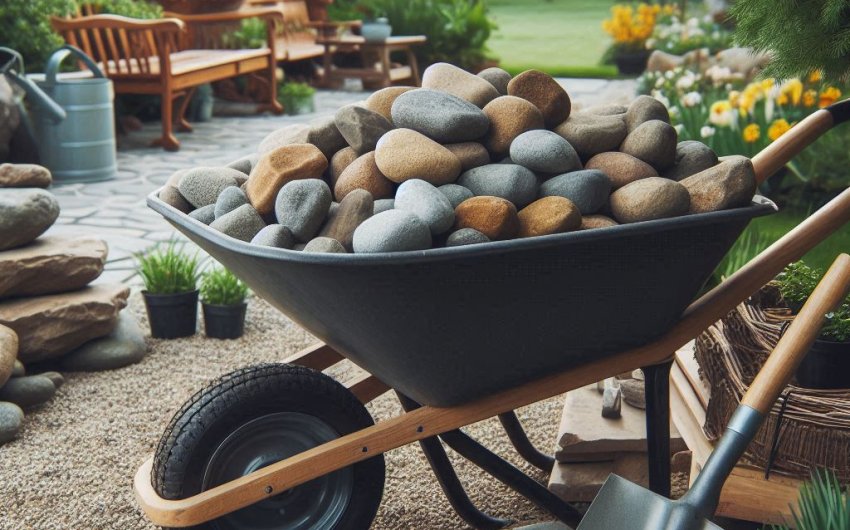
If you've ever tackled a serious landscaping project, you know that moving heavy materials by hand is a back-breaking task. Whether it's bags of soil, loads of gravel, large rocks, or demolition debris, a good wheelbarrow isn't just a convenience; it's a necessity. But not all wheelbarrows are created equal. For demanding tasks, you need a heavy-duty wheelbarrow that can withstand tough conditions and carry substantial weight without breaking down. This guide will help you understand what makes a wheelbarrow heavy-duty and point you toward the best wheelbarrows for your serious landscaping needs.
Why Do You Need a Heavy-Duty Wheelbarrow for Landscaping?
A standard, lightweight wheelbarrow might be fine for a few bags of mulch, but for real landscaping projects, it simply won't cut it. Heavy-duty wheelbarrows are built for the long haul and the heavy load.
Durability for Tough Materials
Landscaping projects often involve rough, abrasive, or very heavy materials.
- Rocks and Gravel: Sharp edges and immense weight can bend or puncture flimsy trays. A heavy-duty wheelbarrow with a robust tray material (like steel or thick polyurethane) can handle these without damage.
- Soil and Sand: While not sharp, wet soil is incredibly heavy. A stronger frame and tray prevent buckling under such loads.
- Construction Debris: Broken concrete, bricks, and wood scraps are unforgiving on a weak wheelbarrow.
Carrying Capacity for Efficiency
Doing multiple small trips wastes time and effort. A heavy-duty wheelbarrow offers a larger carrying capacity, allowing you to move more material in fewer trips. This boosts your efficiency, saving you time and energy on large landscaping projects.
Longevity and Value
Investing in a heavy-duty wheelbarrow means buying a tool that will last for years, even with frequent, rigorous use. This saves you money in the long run by avoiding constant replacements of cheaper, less durable models. It’s a workhorse that pays for itself.
What Are the Key Features of a Heavy-Duty Wheelbarrow?
When searching for the best heavy-duty wheelbarrow, look for specific features that indicate its strength, durability, and ease of use.
Tray Material: Steel vs. Polyurethane
The material of the pan or tray is one of the most critical aspects.
- Steel Tray:
- Pros: Extremely durable, can handle very heavy and sharp objects (rocks, concrete), won't crack in cold weather, often has a higher weight capacity.
- Cons: Can rust if not properly cared for (look for powder-coated or galvanized steel), heavier overall weight, can dent.
- Ideal For: Demolition, moving rocks, gravel, bricks, and other construction materials.
- Polyurethane (Poly) Tray:
- Pros: Lighter weight (easier to maneuver), won't rust or dent, quieter for certain materials (like firewood), resistant to chemicals, easier to clean (nothing sticks).
- Cons: Can crack or become brittle in extreme cold, not as resistant to sharp objects as steel, might not hold up to truly heavy, abrasive materials as well as steel.
- Ideal For: Mulch, soil, compost, leaves, general garden debris, firewood.
- Heavy-Duty Poly: Look for thick, high-density polyethylene for durability.
Frame Construction: Steel is King
The frame provides the structural integrity of the wheelbarrow.
- Heavy-Gauge Steel: A heavy-duty wheelbarrow will have a robust frame made from heavy-gauge steel. This means the steel tubing is thicker and stronger, less likely to bend or buckle under heavy loads.
- Welded Joints vs. Bolted: Welded frames generally offer superior strength and durability compared to frames that are mostly bolted together. While some bolts are necessary for assembly, extensive bolting can lead to weak points.
- Cross Bracing: Look for ample cross-bracing, especially under the tray and between the legs. This adds stability and prevents the frame from twisting.
Handles: Material and Ergonomics
The handles are your connection to the wheelbarrow, affecting comfort and control.
- Hardwood Handles:
- Pros: Traditional, naturally absorb some shock, comfortable to grip, can be replaced.
- Cons: Can splinter, rot if left exposed to elements, might be less durable than steel in some scenarios.
- Steel Handles:
- Pros: Extremely durable, won't rot or splinter, often integrated into the frame for added strength.
- Cons: Can be cold to the touch, can transmit more vibration, may require rubber grips for comfort.
- Ergonomics: Look for handles that are comfortable to grip, with good length to provide leverage. Rubber or padded grips improve comfort, especially for extended use.
Wheels: Single vs. Dual and Tire Type
The wheel setup dictates maneuverability and stability.
- Single Wheel:
- Pros: More maneuverable in tight spaces, easier to pivot and dump precisely.
- Cons: Less stable with very heavy or unbalanced loads, can tip over more easily on uneven terrain.
- Ideal For: Garden paths, tight corners, precision dumping.
- Dual Wheels:
- Pros: Superior stability, especially with heavy or unbalanced loads, easier to push straight.
- Cons: Less maneuverable in tight spaces, harder to pivot, might be wider.
- Ideal For: Moving very heavy items, long hauls on open terrain, improved balance.
- Tire Type:
- Pneumatic (Air-Filled): Offers good shock absorption, smoother ride over rough terrain. Requires occasional air checks and can get flats (though usually repairable).
- Flat-Free (Solid): No flats ever, low maintenance. Can be harder, offering less shock absorption on rough terrain. Often made of solid rubber or polyurethane foam.
- Look for sturdy wheel assemblies with good bearings.
Top Heavy-Duty Wheelbarrows for Landscaping Projects
Let's look at some of the best heavy-duty wheelbarrows often praised by professionals and serious DIYers for landscaping projects.
Ames True Temper Poly Wheelbarrow (8 cu ft)
A popular choice that balances durability with a manageable weight.
- Key Features: Features a large, seamless poly tray that resists rust and dents. Its steel frame provides excellent support, and the classic wooden handles offer comfortable grip. Often comes with a pneumatic tire for a smooth ride.
- Best For: Moving large volumes of lighter materials like mulch, soil, leaves, and compost. It can handle moderately heavy loads but shines with bulkier, less dense materials due to its large capacity. A great all-around option for many landscaping tasks. Find the Ames True Temper Poly Wheelbarrow.
Jackson M8ST 8 cu ft Steel Wheelbarrow
A true workhorse known for its industrial-grade strength.
- Key Features: This is a steel tray wheelbarrow designed for heavy-duty use. It features a heavy-gauge seamless steel tray that can take a beating from rocks and concrete. Its all-steel frame is robust, and the steel handles are integrated for maximum strength. Often comes with a heavy-duty pneumatic tire.
- Best For: Professional landscapers, construction sites, moving very heavy and abrasive materials like concrete debris, large rocks, gravel, and firewood. It's built to last in the toughest conditions. The Jackson M8ST Steel Wheelbarrow is a top contender.
Marathon Dual-Wheel Yard Rover (7 cu ft)
A favorite for those prioritizing stability and easy handling.
- Key Features: This wheelbarrow features a lighter, more balanced design with dual wheels for superior stability. It has a durable poly tray and loop handles that allow for pushing with one or two hands. Its low center of gravity makes tipping and loading easier. Often comes with flat-free tires.
- Best For: Homeowners who move various materials and want maximum stability, especially on uneven terrain. Ideal for those who might struggle with balancing a single-wheelbarrow, or for moving heavier loads over longer distances without strain. Find the Marathon Dual-Wheel Yard Rover.
Polar Trailer Original HD 1500 Series Utility Cart
While not a traditional wheelbarrow, this two-wheeled utility cart is worth considering for very large landscaping projects and heavy hauling.
- Key Features: This is a tow-behind or pull-by-hand cart with an extra-large 1500 lb hauling capacity and durable polyethylene bed. It features two large, rugged tires and a heavy-duty steel frame. Its dump feature makes unloading easy.
- Best For: Moving massive amounts of soil, gravel, logs, or large piles of debris. It's fantastic for very large properties or professional use where a traditional wheelbarrow isn't enough. The Polar Trailer Original HD 1500 Series Utility Cart is perfect for big jobs.
What Factors Should I Consider When Buying a Heavy-Duty Wheelbarrow?
Beyond the features, several practical considerations will help you make the best choice for your specific landscaping projects.
Capacity (Cubic Feet)
- Determine Your Needs: Wheelbarrows are rated by capacity in cubic feet (cu ft). A typical homeowner might use 6-8 cu ft. For very heavy-duty landscaping, 8-10 cu ft is common.
- Match to Material: Remember, heavier materials (like concrete) might mean you can't fill the wheelbarrow to its stated cubic foot capacity due to weight limits.
Weight Capacity (Pounds)
- Check the Manufacturer's Rating: This tells you the maximum weight the wheelbarrow is designed to safely carry. For heavy-duty tasks, look for ratings of 200-300 lbs or more.
Maneuverability vs. Stability
- Single Wheel: Choose if you need to navigate tight spaces, pivot easily, or dump precisely into small areas. Requires more balance.
- Dual Wheel: Choose if you prioritize stability, move very heavy or awkward loads, or traverse uneven terrain where tipping is a concern. Less nimble.
Assembly Required
Most wheelbarrows require some assembly upon arrival. Read reviews to gauge how difficult or time-consuming the assembly process might be. Some come mostly pre-assembled, while others require more effort.
Storage Space
Consider where you will store your wheelbarrow. Will it fit through gates? Do you have space in your shed or garage? Some models might be wider or longer than others.
How Do I Maintain My Heavy-Duty Wheelbarrow for Longevity?
Even a heavy-duty wheelbarrow needs proper care to ensure it lasts through years of tough landscaping projects.
Cleaning After Use
- Remove Debris: After each use, especially with wet soil, concrete, or chemicals, scrape out all remaining material from the tray.
- Rinse Thoroughly: Hose down the tray, frame, and wheels. For steel trays, dry them as much as possible to prevent rust.
- Inspect: Briefly check for any damage, loose bolts, or punctures.
Rust Prevention (for Steel Trays/Frames)
- Store Indoors: The best way to prevent rust is to store your steel wheelbarrow in a dry place, like a shed or garage, out of the rain and elements.
- Touch Up Scratches: If the paint or powder coat gets scratched, touch it up with a rust-inhibiting paint to prevent rust from spreading.
Tire Maintenance (for Pneumatic Tires)
- Check Air Pressure: Regularly check and maintain the recommended air pressure in pneumatic tires. Under-inflated tires can make pushing harder and lead to premature wear. A tire pressure gauge is a cheap and essential tool.
- Repair or Replace Flats: If you get a flat, try a tire repair kit or replace the inner tube. If the tire is severely damaged, replace the wheel and tire assembly.
Lubrication
- Axle and Bearings: Periodically apply a little grease or spray lubricant (like WD-40 Multi-Use Product) to the wheel axle and any moving parts to ensure smooth operation and prevent rust.
Tighten Fasteners
- Regular Check: Over time, bolts and screws can loosen due to vibration and heavy loads. Periodically check all fasteners and tighten them as needed to maintain the wheelbarrow's structural integrity.
Can a Heavy-Duty Wheelbarrow Also Be Used for Smaller Garden Tasks?
Absolutely! While a heavy-duty wheelbarrow is essential for big landscaping projects, its durability and capacity make it perfectly capable of handling smaller garden chores with ease.
Versatility for Everyday Use
- Mulching Beds: Its large capacity means fewer trips when spreading mulch in flower beds or around trees.
- Weed Hauling: Gather large piles of weeds from your garden without having to empty the wheelbarrow constantly.
- Leaf Collection: In autumn, it’s invaluable for moving large volumes of fallen leaves.
- Transporting Plants: Safely move potted plants, shrubs, or small trees from one area of your yard to another.
Benefits Even for Light Loads
Even with lighter loads, the sturdy construction and balanced design of a heavy-duty wheelbarrow can make the job easier and more stable than a flimsy model. You'll appreciate the smooth rolling and comfortable handles, regardless of the load.
What Are Some Alternatives to a Traditional Wheelbarrow for Heavy Loads?
While a heavy-duty wheelbarrow is excellent, some tasks or physical limitations might make other options more suitable.
Garden Carts
- Pros: Usually have four wheels, offering superior stability and balance. Some models have a dump feature. Often have a higher weight capacity than traditional wheelbarrows. Easier on the back for pulling or pushing very heavy loads.
- Cons: Less maneuverable in tight spaces, harder to dump precisely than a wheelbarrow.
- Ideal For: Long hauls of heavy items, individuals with back problems who need maximum stability, and very large landscaping projects. A popular example is the Gorilla Carts GOR866D Heavy-Duty Garden Cart.
Utility Wagons
- Pros: Similar to garden carts but often with a flatbed design, making them versatile for odd-shaped items like lumber or long tools. Can be pulled by hand or sometimes hitched to a lawn tractor.
- Cons: Not ideal for loose materials like soil or sand unless it has high sides or a specific liner.
- Ideal For: Moving tools, bags of material, cut logs, or plants in pots.
Tow-Behind Dump Carts (for Tractors/Riding Mowers)
- Pros: For very large properties, these are essential. They attach to a lawn tractor or riding mower and can handle massive loads, making huge landscaping projects much more manageable. They often feature a dump mechanism.
- Cons: Requires owning a compatible tractor/mower. Not practical for small yards.
- Ideal For: Large-scale material transport, professional landscaping, and property owners with acres of land. The Agri-Fab 45-0318 10 cu. ft. Steel Dump Cart is a good example.
What Safety Tips Should I Follow When Using a Heavy-Duty Wheelbarrow?
Even with a well-built heavy-duty wheelbarrow, safety should always be a priority, especially when moving heavy loads.
Proper Lifting and Pushing Technique
- Bend Your Knees, Not Your Back: When loading or lifting the handles, bend your knees and keep your back straight. Let your legs do the work.
- Keep Load Balanced: Distribute the weight evenly in the tray. If the load is unbalanced, it's harder to control and more likely to tip.
- Push, Don't Pull: Always push the wheelbarrow. Pushing allows you to use your body weight for leverage and maintain better control.
Navigate Terrain Carefully
- Watch for Obstacles: Be aware of rocks, roots, holes, or uneven ground that could cause the wheelbarrow to tip.
- Go Slow on Slopes: When going downhill, keep the wheelbarrow in front of you and use your body as a brake. When going uphill, lean into the handles and use your leg strength.
- Beware of Mud/Soft Ground: Heavy loads can sink into soft or muddy ground, making the wheelbarrow difficult to move. If possible, avoid these areas or use boards to create a temporary path.
Wear Appropriate Gear
- Gloves: Protect your hands from splinters, blisters, and rough materials.
- Closed-Toe Shoes/Boots: Essential for foot protection, especially when handling heavy or sharp objects.
- Safety Glasses: If there's a risk of flying debris when loading or unloading.
Don't Overload
Even a heavy-duty wheelbarrow has its limits. Respect the manufacturer's stated weight capacity to avoid damaging the tool or injuring yourself. If a load feels too heavy, make two trips.
How Does Tire Type Affect Performance on Different Terrains?
The choice between pneumatic and flat-free tires impacts how your heavy-duty wheelbarrow performs on various landscaping surfaces.
Pneumatic (Air-Filled) Tires
- Rough/Uneven Terrain: Excellent for absorbing shock over rocky, bumpy, or uneven ground. Provides a smoother ride, reducing strain on the user and the wheelbarrow. Think gravel paths, grassy slopes, or unpaved construction sites.
- Soft Ground: The wider contact patch and ability to slightly deform allow pneumatic tires to float over softer soil, sand, or mud better than solid tires, reducing sinking.
- Heavy Loads: The cushioning effect is beneficial when carrying very heavy loads, as it reduces jarring.
- Considerations: Requires air pressure checks and can get flats.
Flat-Free (Solid) Tires
- Hard/Paved Surfaces: Ideal for paved driveways, concrete paths, or firm, level ground. They roll smoothly and never go flat, making them very low maintenance.
- Less Cushioning: Offers less shock absorption, so can feel bumpier on rough terrain.
- Compact Surfaces: Good for compact dirt or gravel, but can sink more easily into very soft soil or mud compared to pneumatic tires.
- Heavy Loads: While they can carry heavy loads, the lack of cushioning can make pushing less comfortable on long hauls over uneven ground.
- Considerations: Zero maintenance once installed.
For truly heavy-duty landscaping projects involving varied terrain, a high-quality pneumatic tire is often preferred for its versatility and user comfort, provided you're willing to do occasional air checks. If flat tires are a constant nuisance and your work is mostly on firm surfaces, a robust flat-free tire is a great alternative.