
How to Water Indoor Ferns Correctly?
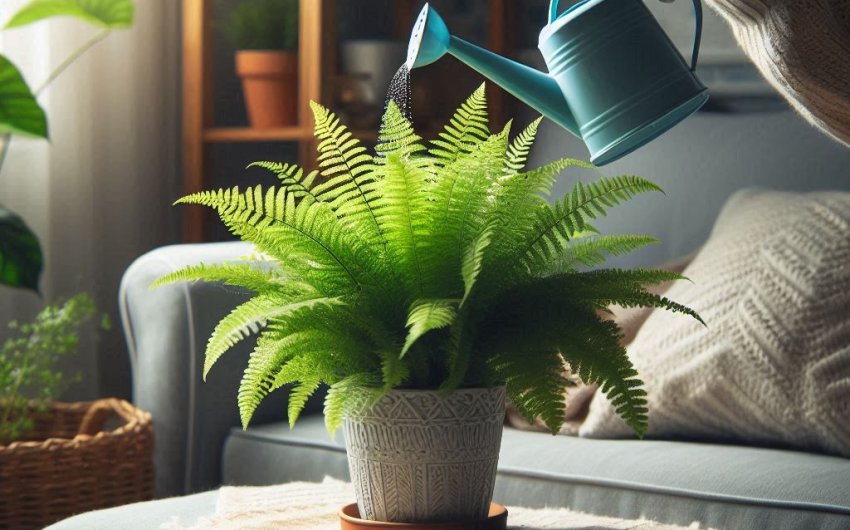
Mastering the art of proper hydration is perhaps the most critical factor in cultivating thriving indoor greenery. Learning how to water indoor ferns correctly is paramount for their health and vibrant appearance. These delicate plants, originating from humid forest environments, have specific moisture needs that, if neglected or overdone, can quickly lead to their decline. This guide will delve into the nuances of providing optimal moisture, ensuring your ferns flourish with lush, verdant fronds.
Why is watering so crucial for indoor ferns?
For indoor ferns, watering isn't just one aspect of care; it's often the single most crucial factor determining their survival and vibrancy. Unlike many other houseplants, ferns have evolved in environments with consistent, high moisture, both in the soil and in the air. Replicating these conditions indoors is challenging, and improper watering is the leading cause of fern decline.
Here's why watering is so critical for indoor ferns:
- Native Habitat: Most popular indoor ferns, such as the Boston fern, Maidenhair fern, and Bird's Nest fern, originate from tropical or subtropical forests. In these environments, they receive constant moisture from rainfall, high humidity, and damp forest floors. Their root systems are adapted to a consistently moist (but not waterlogged) soil environment.
- Shallow Root Systems: Many ferns have relatively shallow, fibrous root systems. These roots are efficient at absorbing moisture from the upper layers of the soil, but they are highly susceptible to drying out quickly if the soil isn't consistently moist. They also struggle to absorb nutrients from dry soil.
- High Transpiration Rate: Ferns, with their abundant and often delicate foliage, transpire (release water vapor) at a high rate. This means they lose water quickly through their fronds, requiring a steady supply from the roots to compensate. If the roots don't get enough water, the fronds will quickly dry out.
- Intolerance to Drying Out: Unlike succulents or many other houseplants that can tolerate periods of drought, ferns are highly intolerant of their soil drying out completely. Even a short period of dryness can cause their delicate fronds to crisp up, turn brown, and die back, often irreversibly. This is why consistent moisture is key.
- Susceptibility to Root Rot from Overwatering: While they love moisture, ferns are equally susceptible to root rot if their roots sit in perpetually soggy, oxygen-deprived soil. A delicate balance is required: consistently moist but never waterlogged. The fine roots need air as well as water.
- Impact on Humidity: Proper watering directly impacts the plant's ability to thrive in dry indoor air. A well-hydrated fern is better able to cope with lower ambient humidity than a parched one, though supplemental humidity is still often needed.
- Visual Decline: Improper watering leads to immediate and noticeable signs of distress:
- Underwatering: Fronds turn brown and crispy, often starting from the tips. The plant looks wilted and parched.
- Overwatering: Fronds turn yellow, then brown and mushy, and the plant appears to be rotting at the base.
Because ferns operate on such a narrow margin of moisture tolerance – neither too dry nor too wet – mastering how to water indoor ferns correctly is the most critical skill for keeping these beautiful plants healthy and lush in your home.
What type of water is best for indoor ferns?
The type of water you use for your indoor ferns might seem like a minor detail, but it can significantly impact their long-term health and vibrancy. Ferns, being somewhat sensitive plants, can react poorly to certain minerals or chemicals found in tap water. Understanding the best water types helps you properly water indoor ferns correctly.
Here are the best water types for indoor ferns:
1. Rainwater
- Why it's best: Rainwater is often considered the ideal water source for ferns and many other houseplants.
- Naturally Soft: It's naturally soft, meaning it has a very low mineral content (calcium, magnesium).
- Chemical-Free: It's free from chlorine, fluoride, and other chemicals commonly found in municipal tap water.
- Slightly Acidic: Rainwater is often slightly acidic, which many ferns prefer, as it helps with nutrient uptake.
- How to collect: You can collect rainwater in a rain barrel or even a clean bucket placed outside during a storm.
- Consideration: Ensure your collection method keeps the water clean and free of debris. Store it in a covered container to prevent mosquito breeding.
2. Filtered Water
- Why it's good: If rainwater isn't feasible, filtered water is an excellent alternative.
- Removes Chemicals: A good water filter, such as a Brita filter or a filter installed on your tap, can remove chlorine, chloramines, and other impurities that can be detrimental to sensitive plants over time.
- Reduces Mineral Buildup: While not always as effective as reverse osmosis, some filters can also reduce hard water minerals.
- Consideration: The effectiveness depends on the type of filter. Reverse osmosis (RO) systems provide the purest filtered water but can be expensive to install and maintain.
3. Distilled Water
- Why it's good: Distilled water is essentially pure H2O, with all minerals and chemicals removed through the distillation process.
- Pros: It eliminates any concerns about hard water or chemical buildup.
- Cons: It's often the most expensive option if purchased regularly, and it lacks any beneficial trace minerals (though plants typically get these from the soil and fertilizer).
- Consideration: Best for highly sensitive ferns or as a periodic "flush" to reduce mineral buildup in the soil.
4. Tap Water (with caution)
- Can it be used? For many ferns, especially if your local tap water quality is good (soft water, low chlorine), it can be acceptable. However, many ferns show signs of stress from tap water.
- Chlorine and Chloramines:
- Chlorine: Can be dissipated by letting tap water sit out in an open container for 24-48 hours before use.
- Chloramines: Are more stable and do not dissipate by sitting out. Many municipalities now use chloramines. Filters are needed to remove them.
- Hard Water (Mineral Buildup): If you have hard water, you might notice a white crust building up on the rim of your pots or on the soil surface. This is mineral residue (salts) from the water.
- Impact: This buildup can increase soil pH over time and interfere with nutrient uptake, leading to yellowing or crispy frond tips and edges.
- Solution: If using hard tap water, periodically flush the soil thoroughly with distilled or rainwater to wash out accumulated salts.
- Fluoride: Some tap water contains fluoride, which can be toxic to certain plant species, including some ferns (though often less sensitive than Dracaenas or spider plants). Unfortunately, it's hard to remove with standard filters.
In summary, while tap water might seem convenient, for truly healthy and lush indoor ferns, rainwater or filtered water are superior choices. This mindful approach to water quality is a key component of learning how to water indoor ferns correctly.
How do I determine when to water my indoor ferns?
Knowing when to water indoor ferns correctly is more crucial than following a strict schedule. Ferns are particular about moisture, and their needs can change based on the season, light, temperature, and humidity. Relying on observation and feeling the soil is the most accurate way to ensure optimal hydration.
Here are the best ways to determine when to water your indoor ferns:
1. The Finger Test (Most Reliable)
- Technique: Stick your finger about 1 to 2 inches deep into the potting mix.
- Interpretation:
- If it feels dry: It's time to water.
- If it feels moist: Wait. Check again in a day or two.
- Adaptation: For smaller pots, 1 inch deep is usually sufficient. For larger pots, go a full 2 inches. This method directly assesses the moisture level at the roots.
2. Checking Pot Weight
- Technique: Carefully lift the pot before watering, noting its weight. Lift it again a few days after watering when you expect it might be getting dry.
- Interpretation:
- Heavy Pot: Indicates the soil is still saturated with water.
- Light Pot: Indicates the soil is quite dry and ready for watering.
- Benefits: This method gets easier with practice and is useful for quickly assessing multiple pots without sticking your finger in each.
3. Using a Moisture Meter
- Tool: A plant moisture meter is a device with a probe that you insert into the soil to get a digital or analog reading of the moisture level.
- Pros: Provides a more objective reading than the finger test and can reach deeper into the pot.
- Cons: Meters can sometimes be inaccurate or need recalibration. Don't rely solely on them; use them as a guide in conjunction with the finger test.
- Interpretation: Aim for a reading in the "moist" or "slightly moist" range, avoiding the "dry" end for ferns.
4. Observing the Plant's Signs
While it's best to water before your fern shows signs of stress, recognizing these signals can confirm a need for water.
- Fronds Drooping or Wilting: The fronds might lose their stiffness and start to droop. This is a common sign of underwatering.
- Brown, Crispy Frond Tips or Edges: This is a classic sign of insufficient moisture, either from drying soil or consistently low humidity.
- Lifting the Potting Mix from the Sides of the Pot: When soil becomes extremely dry, it can shrink, pulling away from the sides of the pot. This creates a gap where water might just run straight through without reaching the roots. If this happens, you've waited too long to water.
Factors Affecting Watering Frequency:
- Season: Ferns generally need more water during their active growing season (spring and summer) and less during dormancy (fall and winter).
- Temperature: Warmer temperatures increase water evaporation from both soil and leaves, requiring more frequent watering.
- Humidity: In dry indoor environments, soil dries faster, and plants transpire more, increasing water needs.
- Light Exposure: Ferns in brighter (indirect) light will use more water than those in lower light.
- Pot Size and Material:
- Smaller Pots: Dry out faster than larger ones.
- Terra Cotta Pots: Porous material allows water to evaporate through the sides, so they dry out faster than plastic or glazed ceramic pots.
- Air Circulation: Drafty areas or proximity to heating/AC vents can dry out soil more quickly.
The key is to develop a feel for your individual fern and its environment. Checking your ferns regularly with the finger test will quickly train you to recognize their needs, allowing you to accurately water indoor ferns correctly and keep them flourishing.
What is the best way to water indoor ferns to avoid common problems?
Proper watering technique goes beyond just knowing when to water; it's also about how you deliver the moisture to ensure your indoor ferns get what they need without suffering from common problems like root rot or dehydration. Adopting the right methods helps you water indoor ferns correctly for lush, healthy growth.
Here's the best way to water indoor ferns:
1. Water Thoroughly Until It Drains
- Deep Saturation: When it's time to water, pour water slowly and evenly over the entire soil surface until you see water draining freely from the bottom of the pot's drainage holes.
- Why it's important: This ensures that the entire root ball is thoroughly moistened, encouraging deep root growth and flushing out any accumulated mineral salts that can harm the plant over time. Shallow watering only wets the topsoil, leaving lower roots dry.
- Method: Use a small watering can with a long spout to direct water to the soil without splashing the fronds too much.
2. Discard Excess Water Immediately
- Prevent Root Rot: Once water has drained from the pot, empty any standing water from the saucer or cachepot within 15-30 minutes. Never let a fern sit in standing water.
- Why it's important: If roots sit in soggy, oxygen-deprived conditions for too long, they will rot, leading to a host of problems, including yellowing leaves, mushy stems, and eventually plant death. This is one of the most common causes of indoor fern demise.
3. Consider Bottom Watering (Periodically)
- Technique: Place the fern's pot in a sink, tray, or larger container filled with about 1-2 inches of water. Let the pot sit for 15-30 minutes, or until the top of the soil feels moist to the touch as water wicks up through the drainage holes.
- Benefits:
- Ensures even saturation of the entire root ball.
- Encourages roots to grow downwards.
- Reduces the risk of overwatering (as the plant only absorbs what it needs).
- Prevents soil compaction from top-watering pressure.
- When to Use: Great to use every few waterings, or if your soil has become very dry and hydrophobic (water runs straight through without soaking in).
- Follow-Up: Always remove the pot from the water and let it drain completely before returning it to its spot.
4. Provide Adequate Humidity (Indirectly Related to Watering)
While not a watering technique itself, consistent humidity significantly reduces the rate at which ferns lose water through their fronds, making them less susceptible to crispy tips, even with correct soil watering.
- Methods:
- Pebble Tray: Place the fern pot on a tray filled with pebbles and water, ensuring the pot bottom does not sit in the water. As the water evaporates, it increases local humidity.
- Humidifier: Use a room humidifier nearby, especially in dry winter months.
- Grouping Plants: Group ferns with other plants, as their collective transpiration can create a microclimate of higher humidity.
- Avoid Misting: Misting provides only a very temporary increase in humidity and can sometimes promote fungal issues on leaves if done improperly or without good air circulation.
5. Use the Right Potting Mix and Pot
- Well-Draining Potting Mix: Use a light, airy, well-draining potting mix specifically formulated for ferns or other moisture-loving plants. Avoid heavy, dense soils that retain too much water.
- Drainage Holes: Always use pots with drainage holes. This is non-negotiable for preventing root rot. If you love a decorative pot without holes, use it as a cachepot and keep your fern in a nursery pot with drainage inside it.
By combining thorough watering, diligent drainage, and attention to ambient humidity, you will successfully water indoor ferns correctly and avoid the common pitfalls that lead to their decline, ensuring they remain lush and vibrant.
What are common watering mistakes for indoor ferns and how to fix them?
Even with the best intentions, it's easy to make common watering mistakes with indoor ferns, leading to their rapid decline. Recognizing these errors and knowing how to fix them is essential for bringing your ferns back to health and ensuring you water indoor ferns correctly in the future.
Here are the most common watering mistakes and their solutions:
Mistake 1: Overwatering
This is the number one killer of indoor ferns.
- Signs:
- Yellowing fronds, often turning brown and mushy.
- Wilting, even though the soil feels wet.
- Foul, rotten smell from the soil (indicating root rot).
- Fungus gnats (small black flies hovering around the soil).
- Mushy stem bases.
- Why it happens: Too frequent watering, heavy potting mix that retains too much water, or a pot without drainage holes. Roots are suffocated and rot due to lack of oxygen.
- How to fix it:
- Stop Watering Immediately: Do not water again until the soil has significantly dried out.
- Check Drainage: Ensure your pot has drainage holes and that water isn't sitting in the saucer.
- Repot (if severe): If the plant is severely overwatered and showing signs of root rot:
- Gently remove the fern from its pot.
- Inspect the roots: Healthy roots are firm and white or tan. Rotted roots are black, mushy, and often smelly.
- Trim away all black, mushy roots with clean, sharp scissors.
- Repot into a clean pot (or the same pot after cleaning) with fresh, well-draining potting mix for ferns (orchid mix with added peat moss can work well, or a specific fern mix).
- Wait several days to a week before watering lightly again, allowing the roots to recover.
- Adjust Routine: Learn to feel the soil; only water when the top 1-2 inches feel dry.
Mistake 2: Underwatering / Letting Soil Dry Out Completely
- Signs:
- Fronds turning brown and crispy, often starting from the tips or edges.
- Fronds drooping and feeling brittle.
- The entire plant looking dull and parched.
- Potting mix pulling away from the sides of the pot.
- Why it happens: Forgetting to water, infrequent watering for a fern's needs, or a highly porous pot drying out too quickly.
- How to fix it:
- Water Thoroughly: Water deeply until water drains from the bottom.
- Bottom Watering (if very dry): If the soil is so dry that water runs straight through, try bottom watering. Place the pot in a basin of water for 30 minutes to an hour to allow the soil to rehydrate from the bottom up.
- Trim Damaged Fronds: Remove any completely brown and crispy fronds, as they won't recover. New growth should emerge if the roots are still healthy.
- Adjust Routine: Establish a more consistent watering routine. Check your fern's soil moisture every few days, especially in warmer months.
Mistake 3: Lack of Humidity
While not directly a watering technique, low humidity compounds watering problems for ferns.
- Signs:
- Frond tips and edges turning brown and crispy, even if soil moisture is adequate.
- Overall lack of vigor, stunted growth.
- Why it happens: Indoor air, especially during winter with heating systems, is often much drier than a fern's native humid environment.
- How to fix it:
- Increase Ambient Humidity:
- Place the pot on a pebble tray filled with water (ensure the pot bottom is not in the water).
- Use a room humidifier near your fern.
- Group ferns with other plants to create a humid microclimate.
- Avoid Misting: While popular, misting only provides temporary relief and often isn't enough to significantly raise ambient humidity for ferns.
- Increase Ambient Humidity:
Mistake 4: Using Water with High Chlorine or Mineral Content
- Signs: White crust on the pot rim or soil surface, or unexplained brown tips/edges even with seemingly good care.
- Why it happens: Over time, minerals and chemicals in tap water can build up in the soil, affecting pH and plant health.
- How to fix it:
- Let Tap Water Sit Out: Allow tap water to sit in an open container for 24-48 hours before use to dissipate chlorine. This doesn't remove chloramines or minerals.
- Use Filtered/Rainwater: Switch to filtered water or collected rainwater if possible.
- Periodic Flushing: Every few months, thoroughly flush the soil by watering heavily with clean, distilled, or rainwater until water runs freely for several minutes. This helps wash out mineral buildup.
By being vigilant and understanding these common mistakes and their solutions, you can effectively water indoor ferns correctly, rescuing them from distress and ensuring they remain vibrant and beautiful additions to your home.