
How to Repot a Root-Bound Peace Lily?
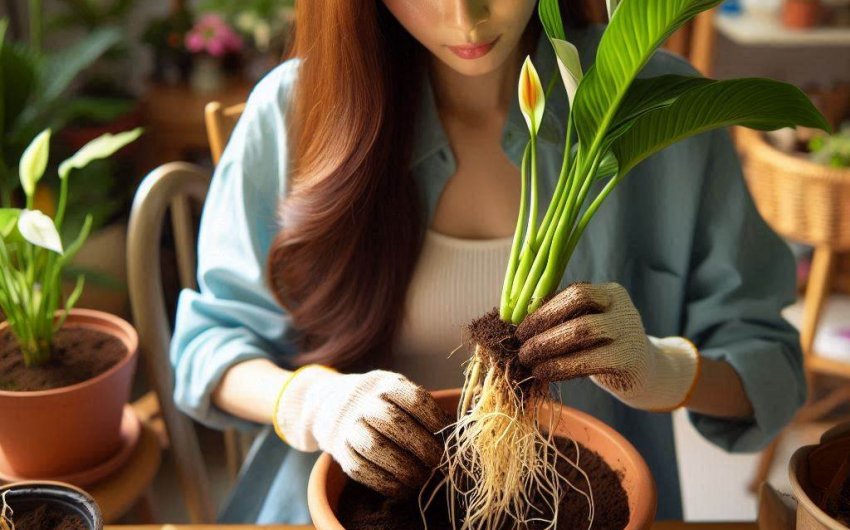
Is your elegant Peace Lily looking a bit lackluster, constantly thirsty, or struggling to bloom? It might be root-bound, a common issue for many houseplants. Learning how to repot a root-bound Peace Lily is a simple yet crucial skill that can rejuvenate your plant, promoting healthier growth and more abundant, iconic white spathes. This guide will walk you through the signs, steps, and aftercare to ensure your Peace Lily continues to flourish.
What Are the Signs Your Peace Lily is Root-Bound?
Peace Lilies (Spathiphyllum) are relatively fast-growing plants, and they often become root-bound sooner than you might expect. Recognizing these signs is the first step in knowing when it's time to repot.
Why Does Being Root-Bound Happen?
A plant becomes root-bound when its roots have completely filled the pot, leaving little to no room for soil. The roots begin to grow in a tight, tangled mass, often circling the inside of the pot. This happens naturally over time as the plant grows and its root system expands.
What Visible Clues Indicate Root-Bound Status?
Several visual cues can tell you your Peace Lily is feeling cramped in its current home.
- Roots Growing Out of Drainage Holes: This is the most obvious and common sign. If you see white or brown roots peeking out of the bottom drainage holes, your plant is definitely outgrowing its pot.
- Roots Circling on Top of the Soil: Sometimes, roots will start to grow above the soil line, forming a visible mat on the surface.
- The Plant Looks Top-Heavy or Unstable: If the plant seems wobbly or tips over easily, it's likely because the root ball has become so dense and large that it's displacing the soil, making the plant unstable.
- Water Runs Straight Through the Pot: When you water, does the water immediately flow out of the drainage holes without seeming to soak into the soil? This indicates that the root mass is so dense it's preventing the water from penetrating the soil effectively. The roots can't absorb moisture.
- Soil Pulling Away from the Pot Edges: The compacted root ball can cause the soil to shrink and pull away from the sides of the pot, creating gaps.
- Stunted Growth Despite Adequate Care: If your Peace Lily isn't growing much, or new leaves are significantly smaller than older ones, even though you're watering and fertilizing correctly, it could be due to roots having no room to expand.
- Constant Wilting or Drooping Leaves: Peace Lilies are dramatic droopers when thirsty. If your plant is wilting frequently, sometimes just a day or two after watering, but perks up after a drink, it's a strong sign it's root-bound. The dense root ball can't hold enough moisture, and it dries out too quickly.
- Fewer or No Blooms: Peace Lilies are known for their elegant white "flowers" (actually modified leaves called spathes). If your normally blooming plant stops producing these or if they are much smaller than usual, it can indicate nutrient and water stress from being root-bound.
- Difficulty Removing the Plant from its Pot: When you try to slip the plant out of its pot for inspection, if it's firmly stuck and you see a solid mass of roots instead of soil, it's root-bound.
When is the Best Time to Repot a Peace Lily?
The ideal time to repot a root-bound Peace Lily is during its active growing season, typically in spring or early summer. This allows the plant to recover quickly from the stress of repotting and establish itself in its new home. Avoid repotting in late fall or winter when the plant's growth naturally slows down.
What Supplies Do You Need to Repot a Peace Lily?
Having all your tools and materials ready before you start the repotting process will make it smooth and stress-free for both you and your plant.
Essential Repotting Supplies:
- New Pot:
- Size: Choose a pot that is only 1 to 2 inches larger in diameter than the current one. Peace Lilies prefer to be slightly snug in their pots. Going too large can lead to overwatering, as the excess soil retains moisture longer than the plant's roots can absorb it.
- Drainage Holes: This is non-negotiable. The new pot must have drainage holes to prevent root rot. If your decorative pot doesn't have holes, use it as a cachepot (a decorative outer pot) with a smaller, utilitarian pot inside that has drainage.
- Material: Plastic, terracotta, or ceramic all work. Terracotta wicks away moisture faster, which can be good if you tend to overwater. Plastic retains moisture longer.
- Fresh Potting Mix:
- Type: Use a high-quality, well-draining indoor potting mix. A general-purpose mix formulated for houseplants is usually fine.
- Enhancements: For even better drainage and aeration, you can amend the potting mix by adding:
- Perlite: About 25-30% of the total volume. Perlite adds porosity and prevents compaction. Perlite for potting mix
- Orchid Bark: Small pieces can improve aeration and drainage. Orchid bark for plants
- Sphagnum Moss (small amount): Can help retain a little moisture without waterlogging.
- Clean Pruning Shears or Scissors:
- Sterilize: It's crucial to sterilize your tools before use to prevent the spread of diseases. You can wipe them with rubbing alcohol or a bleach solution (1 part bleach to 9 parts water). A good pair of houseplant pruning shears is ideal.
- Watering Can: For pre- and post-repotting watering. A small indoor watering can is convenient.
- Newspaper, Tarp, or Plastic Sheet: To protect your work surface from soil spills.
- Gardening Gloves (Optional): If you prefer to keep your hands clean or have sensitive skin. A pair of gardening gloves for houseplants can be helpful.
Optional Supplies for Specific Needs:
- Horticultural Charcoal: A thin layer at the bottom of the pot can help with drainage and reduce odor, though it's not strictly necessary if you have good drainage holes and soil. Horticultural charcoal
- Rooting Hormone: If you plan to take cuttings or divide the plant. Rooting hormone powder
- Small Trowel or Hand Scoop: For scooping soil. A small hand trowel can make things easier.
Gathering all these supplies beforehand ensures a smooth and efficient repotting process, minimizing stress for your Peace Lily.
How Do You Repot a Root-Bound Peace Lily Step-by-Step?
Repotting a root-bound Peace Lily is a straightforward process, but taking your time and being gentle will yield the best results.
Prepare Your Workspace:
- Lay down newspaper, a tarp, or a plastic sheet on your work surface to catch spilled soil. This makes cleanup much easier.
- Gather all your supplies: new pot, potting mix, sterilized pruning shears, watering can, etc.
- If your new pot doesn't have a screen over the drainage hole, you can place a small piece of mesh or a coffee filter over it to prevent soil from washing out while still allowing water to drain.
Water the Peace Lily (Pre-Repotting):
- Water your Peace Lily thoroughly a day or two before repotting. This makes the plant less stressed, and the soil will be moist enough to hold together, making it easier to remove from the old pot.
Gently Remove the Plant from its Old Pot:
- Turn the plant on its side.
- Gently tap the sides and bottom of the pot to loosen the soil.
- Place one hand on the soil surface, supporting the plant's base, and carefully slide the plant out of the pot. If it's very root-bound, you might need to gently wiggle or twist the pot while pulling the plant. Avoid pulling on the stems too hard. If the pot is flexible plastic, you can gently squeeze and massage the sides to loosen the root ball. For stubborn plants, you might need to carefully run a thin knife around the inside edge of the pot.
Inspect and Loosen the Root Ball:
- Once out of the pot, you'll likely see a dense mass of roots. Carefully examine them. Healthy roots are typically white or tan and firm.
- Gently tease apart the roots: Use your fingers to carefully loosen the roots, especially those circling the bottom or sides. Try to untangle them gently. This encourages the roots to grow outwards into the new soil.
- Trim Damaged or Rotted Roots: Use your sterilized shears to cut away any dark brown, black, mushy, or stringy roots. These are signs of root rot, often caused by overwatering. Trim only the unhealthy parts. If you find a lot of rot, you may need to scale back the plant size to match the remaining healthy root system.
- Trim Long, Circling Roots (Optional): If there are very long, circling roots at the bottom, you can trim about 1/4 to 1/3 of them to encourage new, outward growth, but don't over-prune.
Add Fresh Potting Mix to the New Pot:
- Place a layer of fresh, well-draining potting mix at the bottom of the new pot. The amount depends on the size of the root ball and the depth of the new pot. You want the top of the root ball to be about 1 inch below the rim of the new pot when placed inside.
Position the Peace Lily in the New Pot:
- Center the Peace Lily in the new pot.
- Ensure the plant is at the same soil level as it was in its old pot, or slightly higher if the old soil had settled significantly. Do not bury the base of the stems deeper than they were previously, as this can lead to rot.
Fill with Potting Mix:
- Gently fill around the root ball with fresh potting mix, working it into any gaps.
- Lightly pat down the soil to remove large air pockets, but avoid compacting it too tightly. The goal is to provide good contact between the roots and the new soil without suffocating them. Leave about 1 inch of space from the top of the pot to the soil line for watering.
Water Thoroughly (Post-Repotting):
- Water the newly repotted Peace Lily thoroughly until water drains out of the bottom. This helps settle the soil around the roots.
- Empty any excess water from the saucer.
What Are the Aftercare Steps for a Repotted Peace Lily?
After repotting, your Peace Lily will need a little extra TLC to help it recover and settle into its new home.
Immediately After Repotting:
- Location: Place the repotted Peace Lily in a warm spot with consistent bright, indirect light. Avoid direct sunlight or extreme temperature fluctuations for the first few weeks, as the plant is already under stress.
- Initial Watering: As mentioned in the steps, water immediately after repotting to help settle the soil and provide moisture to the disturbed roots.
What to Expect in the First Few Weeks:
- Temporary Drooping: It's very common for Peace Lilies to droop or look a bit sad for a few days to a week after repotting. This is perfectly normal and a sign of transplant shock. Don't panic! It's the plant adjusting to its new environment and disturbed root system.
- Reduced Watering: While you watered thoroughly right after repotting, be careful not to overwater during the recovery period. The plant's roots might not be absorbing water as efficiently initially, and the larger volume of new soil will retain moisture longer. Check the soil moisture frequently with your finger (top 1-2 inches should be dry) before watering again.
- No Fertilizing: Do not fertilize your Peace Lily for at least 4-6 weeks after repotting. The fresh potting mix will contain enough nutrients to sustain the plant during its recovery phase, and adding more fertilizer could burn the already stressed roots.
Long-Term Aftercare Tips:
- Monitor Watering: Establish a regular watering routine based on how quickly the new, larger pot dries out. Remember to water when the top 1-2 inches of soil are dry.
- Consistent Light: Maintain consistent bright, indirect light.
- Maintain Humidity: Continue to provide moderate to high humidity, especially if your indoor air is dry. A humidifier or pebble tray can help.
- Watch for New Growth: Once new leaves start to emerge, it's a good sign that your Peace Lily has successfully adapted to its new pot. This usually happens within a few weeks to a month.
- Resume Fertilization: After about 4-6 weeks, you can resume your regular fertilization schedule (typically every 2-4 weeks during spring/summer, diluted to half-strength). Use a balanced liquid houseplant fertilizer.
- Future Repotting: Monitor your Peace Lily for signs of being root-bound again. Depending on its growth rate, you might need to repot every 1-2 years.
By following these guidelines on how to repot a root-bound Peace Lily, you can ensure your beloved plant recovers quickly and continues to thrive, gracing your home with its beautiful foliage and elegant blooms for many years to come.