
Best Indoor Plants for Beginners That Thrive
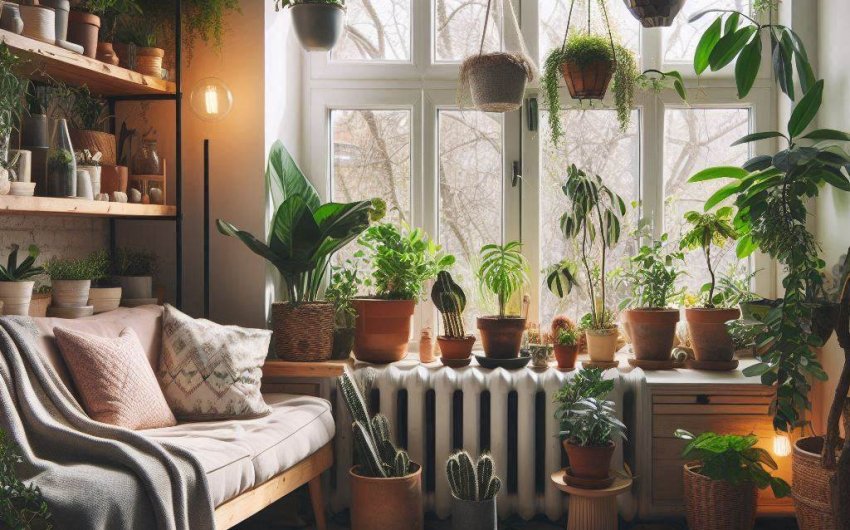
Discovering the perfect indoor plants for beginners that genuinely thrive can transform any living space into a vibrant oasis. Many aspiring plant parents hesitate, fearing their lack of a "green thumb." However, with the right knowledge and a selection of resilient houseplants, anyone can cultivate a flourishing indoor garden. This guide aims to demystify houseplant care, highlighting species known for their hardiness and ability to bounce back, making your journey into indoor gardening both rewarding and enjoyable.
What Makes a Plant Easy to Care For?
The definition of an easy-care plant often boils down to its tolerance for common beginner mistakes. These include plants that forgive occasional missed waterings, can handle varying light conditions, and are less susceptible to common pests. Understanding these fundamental characteristics helps in selecting the best indoor plants for beginners that effortlessly flourish in diverse home environments.
Low Water Needs
Plants that don't require frequent watering are ideal for those who might forget to water regularly. Succulents and cacti are prime examples, but many other houseplants also fit this description, storing water in their leaves or stems.
Adaptable to Light Conditions
While all plants need light, some are far more forgiving if they don't receive perfect conditions. Low-light indoor plants are excellent choices for apartments with fewer windows or rooms that don't get direct sunlight. These resilient varieties will still grow, albeit sometimes slower, even in dim areas.
Pest Resistance
Certain plants naturally deter common houseplant pests or are simply more robust when an infestation occurs. Choosing these varieties can save beginners a lot of frustration and the hassle of dealing with pest control.
Which Plants Tolerate Low Light Conditions?
Not every home is bathed in sunlight, yet many individuals desire the refreshing presence of greenery. Fortunately, a variety of beginner-friendly houseplants are renowned for their ability to prosper even in dimly lit corners, proving that a lack of abundant light doesn't have to be a barrier to successful indoor gardening.
ZZ Plant (Zamioculcas zamiifolia)
The ZZ Plant is truly a champion among low-light indoor plants, known for its extreme drought tolerance and ability to thrive on neglect. Its waxy, dark green leaves are not only attractive but also highly efficient at retaining moisture, making it one of the best indoor plants for beginners. You can find healthy ZZ Plants available online, such as the Costa Farms ZZ Plant. This plant can go weeks without water and tolerates very low light, making it nearly indestructible for the novice plant parent.
Snake Plant (Sansevieria trifasciata)
Often called Mother-in-Law's Tongue, the Snake Plant is another virtually indestructible option. Its upright, sword-like leaves add a modern touch to any space, and it's incredibly versatile when it comes to light, flourishing in bright indirect light but perfectly content in low-light conditions. The Snake Plant Laurentii is a popular variety. Overwatering is its only true enemy, so infrequent watering is key to its success.
Pothos (Epipremnum aureum)
Pothos varieties are celebrated for their cascading vines and cheerful foliage, making them ideal for hanging baskets or shelves. They are remarkably forgiving plants, tolerant of a wide range of light conditions, from bright indirect to low light. The Golden Pothos is a common and highly adaptable choice. Pothos will even tell you when it needs water by its slightly droopy leaves, making it simple to know when to tend to it.
Peace Lily (Spathiphyllum)
With its elegant white blooms and glossy green leaves, the Peace Lily is a beautiful addition to any home. It prefers medium to low light and will visibly droop when thirsty, providing a clear signal for watering. A Peace Lily Plant can also help purify the air, adding another benefit to its beginner-friendly nature. Just be careful not to overwater, as yellowing leaves can be a sign of too much moisture.
Cast Iron Plant (Aspidistra elatior)
As its name suggests, the Cast Iron Plant is incredibly tough and resilient, earning its reputation as one of the hardiest indoor plants. It can tolerate deep shade and inconsistent watering, making it perfect for those neglected corners. Its dark green, leathery leaves maintain their appeal even with minimal care. For a reliable option, consider an Aspidistra Elatior.
What Are Some Drought-Tolerant Plants for Busy People?
For individuals with demanding schedules or those prone to forgetting to water, selecting plants that thrive on neglect is a game-changer. These resilient varieties store water efficiently, allowing them to endure prolonged periods without a drink, making them perfect indoor plants for beginners seeking minimal maintenance.
Succulents and Cacti
This broad category offers an incredible variety of shapes, sizes, and colors. Succulents like Echeveria, Sedum, and Haworthia, along with various cacti, are masters of water retention. They need bright light and very infrequent watering, typically once every few weeks. A diverse Succulent Plant Assortment can provide an exciting collection for any beginner. The key to their success is well-draining soil and avoiding overwatering.
Ponytail Palm (Beaucarnea recurvata)
Despite its name, the Ponytail Palm is actually a succulent, characterized by its bulbous trunk that stores water and long, arching leaves. It’s incredibly forgiving of missed waterings and thrives in bright, indirect light. A small Ponytail Palm Tree makes a unique and low-maintenance statement piece. This plant is an excellent choice for those who travel frequently or simply want a plant that doesn't demand constant attention.
Yucca Plant (Yucca elephantipes)
The Yucca Plant is another hardy choice, boasting sturdy, sword-like leaves atop a woody stem. It's incredibly drought-tolerant and prefers bright light but can adapt to lower light conditions. The Spineless Yucca is a popular houseplant variety. Yuccas are very resilient and can withstand a good deal of neglect, making them perfect indoor plants for beginners who might forget to water on occasion.
Which Plants Are Easy to Propagate?
For beginners looking to expand their indoor plant collection without spending more money, propagation offers an exciting and rewarding avenue. Many easy-care indoor plants readily sprout new life from cuttings, making it simple to create new plants from existing ones. This process not only saves money but also deepens the connection between the grower and their plants, providing a satisfying sense of accomplishment as you watch new roots and leaves emerge.
Pothos (Epipremnum aureum)
As mentioned earlier, Pothos is not only easy to care for but also incredibly simple to propagate. Simply snip a section of vine with a few leaves and a node (the bump on the stem where leaves and roots emerge) and place it in water. Roots will typically form within a few weeks, after which you can plant it in soil. This makes it an ideal plant for sharing with friends or expanding your own collection. You can easily start new plants from your existing Pothos Plant.
Philodendron (Philodendron hederaceum)
Similar to Pothos, Philodendrons are vining plants that are remarkably easy to propagate from stem cuttings. Just cut a piece of stem below a node and place it in water. The Heartleaf Philodendron is a particularly common and beginner-friendly variety. A new Heartleaf Philodendron Plant can be started with very little effort. Their rapid rooting makes them a satisfying project for new plant enthusiasts.
Spider Plant (Chlorophytum comosum)
Spider Plants are famous for their "spiderettes" or plantlets that dangle from the mother plant. These small offshoots are essentially ready-to-go baby plants. You can simply snip them off and place them in water or directly into soil. This self-propagating nature makes the Spider Plant an exceptionally rewarding choice for beginners. A vibrant Spider Plant Live will soon be producing its own little offspring.
Snake Plant (Sansevieria trifasciata)
While slightly slower than Pothos or Philodendron, Snake Plants can also be propagated from leaf cuttings. Simply cut a healthy leaf into sections, allow the cut ends to callous over for a day or two, then plant them in well-draining soil. This method takes patience, but it's a great way to create new plants from an existing Snake Plant Laurentii. Rooting hormone, such as Garden Safe TakeRoot Rooting Hormone, can aid in the process.
How Can I Ensure My Plants Thrive?
Beyond choosing the right plant, understanding a few fundamental care principles can significantly improve your success rate. Even the best indoor plants for beginners benefit from a little attention to their basic needs, helping them not just survive but truly flourish in your home. These simple practices build confidence and establish good habits for future plant endeavors.
Proper Watering Techniques
Overwatering is the number one killer of houseplants. Always check the soil moisture before watering. Stick your finger about an inch or two into the soil; if it feels dry, it's time to water. For most plants, water thoroughly until it drains from the bottom of the pot. Ensure your pots have drainage holes, and use a saucer to catch excess water. A useful tool is a Soil Moisture Meter to accurately gauge when your plants need a drink.
Adequate Light Placement
Even low-light tolerant plants appreciate some indirect light. Observe your home throughout the day to identify areas that receive bright, indirect light (away from direct sunbeams that can scorch leaves) and areas with lower light. Rotate your plants occasionally to ensure all sides receive light evenly.
Well-Draining Potting Mix
The right soil is crucial. Most indoor plants for beginners prefer a well-draining potting mix that prevents water from sitting around the roots, leading to rot. Look for mixes specifically designed for houseplants or consider adding perlite or vermiculite for extra drainage. A good quality Houseplant Potting Mix can make a significant difference.
Consistent Humidity (If Needed)
Some tropical plants appreciate higher humidity, especially during dry winter months. While many beginner-friendly plants are forgiving, a little extra humidity can make a big difference for some. Grouping plants together or using a pebble tray can help. For plants that really love humidity, a small Plant Humidifier can be beneficial.
Occasional Fertilizing
Once your plants have settled in and are actively growing, they will benefit from occasional feeding. During the spring and summer growing seasons, use a balanced liquid fertilizer diluted to half strength about once a month. Avoid fertilizing in the fall and winter when most plants are dormant. A popular option is Miracle-Gro Indoor Plant Food.
Pest Prevention and Early Detection
Regularly inspect your plants for any signs of pests, such as sticky residue, tiny webs, or distorted leaves. Early detection is key. Wiping down leaves with a damp cloth can help remove dust and deter pests. If you notice pests, a gentle solution of Neem Oil Spray can often resolve the issue. Healthy, well-cared-for plants are naturally more resistant to infestations.
Are There Any Pet-Friendly Options for Beginners?
For households with furry friends, choosing pet-safe indoor plants is a paramount concern. Many common houseplants can be toxic if ingested, causing anything from mild irritation to serious health problems for pets. Fortunately, numerous beautiful and easy-care indoor plants pose no threat to curious cats or dogs, allowing pet owners to enjoy the benefits of indoor greenery without worry.
Prayer Plant (Maranta leuconeura)
The Prayer Plant is a beautiful, non-toxic option known for its striking foliage patterns and unique habit of folding its leaves up at night, like hands in prayer. It prefers bright, indirect light and consistent moisture, making it an engaging and safe choice. A vibrant Red Vein Prayer Plant adds a pop of color.
Christmas Cactus (Schlumbergera)
Unlike many other cacti, the Christmas Cactus is non-toxic to pets and is a delightful bloomer, offering colorful flowers in the winter months. It’s relatively easy to care for, preferring bright, indirect light and consistent moisture during its growing and blooming season. A blooming Christmas Cactus Plant can bring joy and color to your home safely.
African Violet (Saintpaulia)
These charming flowering plants are not only pet-safe but also bloom almost continuously with proper care. They prefer bright, indirect light and consistent moisture, and their velvety leaves and delicate flowers make them a delightful addition to any space. A selection of African Violet Plants can provide year-round color.
Boston Fern (Nephrolepis exaltata)
The Boston Fern is a classic choice for its lush, feathery fronds and air-purifying qualities, and it’s also safe for pets. It thrives in high humidity and indirect light, making it suitable for bathrooms or kitchens. Keeping the soil consistently moist is key to its success. A healthy Boston Fern Plant can add a touch of classic elegance to your home.
Areca Palm (Dypsis lutescens)
The Areca Palm is a popular choice for adding a tropical touch to indoor spaces and is a pet-friendly houseplant. It requires bright, indirect light and consistent moisture, but its air-purifying benefits and non-toxic nature make it a worthwhile addition for pet owners. A tall Areca Palm Live Plant can create a dramatic statement.
What Supplies Do I Need to Get Started?
Embarking on your indoor plant journey doesn't require a vast array of specialized equipment, but having a few essential tools and supplies on hand can significantly smooth the process and contribute to your plants' long-term health. These foundational items help provide the ideal environment for your beginner-friendly houseplants to genuinely thrive.
Pots with Drainage Holes
This is perhaps the most critical supply. Proper drainage prevents root rot, the leading cause of houseplant death. Always choose pots with holes at the bottom, and pair them with a saucer to catch excess water. Terra cotta pots, like Terra Cotta Pots with Drainage, are excellent as they allow the soil to breathe.
Quality Potting Mix
As mentioned earlier, a good potting mix is essential. Avoid using garden soil, as it can be too dense and contain pests or diseases. Look for a mix specifically formulated for houseplants, often containing perlite or peat moss for drainage and aeration. A Premium Indoor Plant Potting Mix will provide the necessary nutrients and structure.
Watering Can
A small watering can with a long spout, like a Long Spout Watering Can, allows for precise watering, directing water to the soil without splashing leaves or making a mess. This precision is especially helpful for smaller pots or plants with dense foliage.
Pruning Shears or Scissors
Clean, sharp shears or scissors are important for trimming dead or yellowing leaves, shaping your plants, and taking cuttings for propagation. Investing in a small pair of Plant Pruning Shears can prevent damage to plant tissue.
Spray Bottle (Optional)
For plants that appreciate higher humidity, a simple spray bottle filled with distilled water can be used for misting. While not all plants benefit from misting, some, like ferns and prayer plants, enjoy the boost in humidity. A fine misting bottle like an Indoor Plant Mister is perfect for this.
Fertilizer (Optional, for later)
Once your plants are established and actively growing, they will benefit from a general houseplant fertilizer during the spring and summer. Choose a balanced liquid fertilizer and follow the dilution instructions carefully. A general purpose Liquid Houseplant Fertilizer is a great starting point.
Plant Labels (Optional)
If you have multiple plants or propagate frequently, plant labels can help you remember plant names, watering schedules, or propagation dates. Simple Garden Plant Labels can be very useful for organization.
With these simple supplies and the knowledge of which plants are the most resilient, you are well on your way to cultivating an impressive collection of best indoor plants for beginners that will truly thrive.