
How to Train a Philodendron to Climb a Pole?
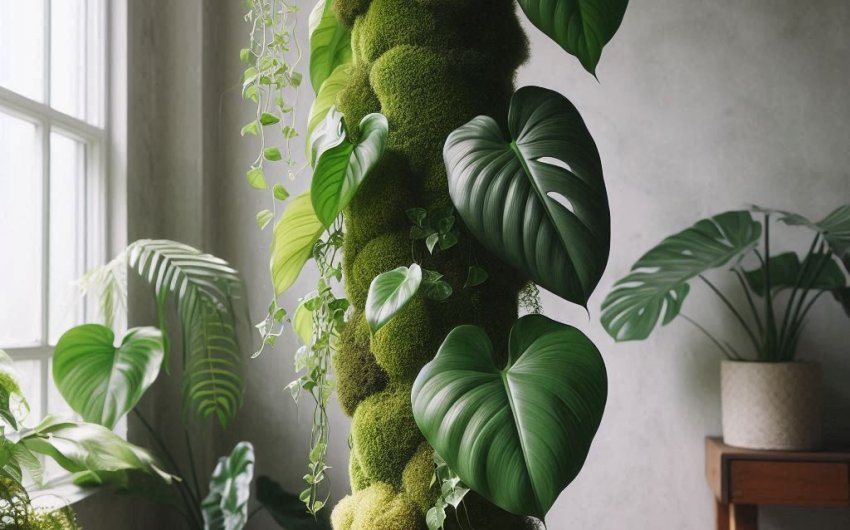
Training a philodendron to climb a pole is a fantastic way to encourage larger leaves, more vigorous growth, and a stunning vertical display, mimicking its natural jungle habitat. While many philodendron varieties are happy to trail, providing them with a sturdy support to ascend can unlock their full potential, transforming a sprawling vine into an impressive, upright specimen. This process leverages their natural aerial roots and climbing instincts for a healthier, more beautiful plant.
Why Should I Train My Philodendron to Climb?
While many philodendrons are beautiful as trailing plants, encouraging them to climb a pole offers several significant benefits that improve the plant's health, appearance, and overall vigor.
What are the Benefits of Vertical Growth?
Allowing your philodendron to grow vertically on a support pole taps into its natural growth habits and unlocks several advantages compared to letting it trail or cascade.
Larger Leaves (Maturity Form): This is one of the most exciting benefits! Many vining philodendrons (like Philodendron hederaceum varieties such as 'Brasil' or 'Micans', or even some Monstera deliciosa, which is often mistaken for a philodendron) exhibit a phenomenon called heterophylly. This means their leaf shape and size change as they mature and climb. When a philodendron senses it has found a sturdy surface to climb (via its aerial roots), it will produce significantly larger, more mature leaves, sometimes even developing fenestrations (splits or holes) in certain species (like Monstera). This can transform a plant with small, heart-shaped leaves into a dramatic display with huge, impressive foliage.
More Robust and Sturdy Growth: Trailing stems can become long, thin, and sometimes weak, especially if they are allowed to hang too far. Climbing encourages the development of thicker, stronger stems as the plant focuses its energy upwards. This leads to a more resilient and healthy plant overall.
Mimics Natural Habitat: In their native tropical environments, most vining philodendrons are epiphytes or hemi-epiphytes. They don't grow in the ground but climb trees, clinging with their aerial roots to seek out brighter light in the canopy. Providing a pole or moss pole allows them to behave as they would in nature, which contributes to their vigor.
AdvertisementBetter Light Exposure: As a philodendron climbs, its leaves are exposed to more uniform and intense light. Trailing plants often have their lower leaves shaded by upper ones, leading to leggy growth or shedding of lower leaves. Vertical growth ensures all parts of the plant receive adequate light, promoting more even and lush foliage.
Increased Air Circulation: Lifting the foliage off the ground or away from dense clustering improves air circulation around the plant. This helps to prevent fungal diseases (like powdery mildew) that thrive in stagnant, humid conditions.
Enhanced Aesthetics: A philodendron gracefully climbing a pole creates a striking vertical accent in your indoor space. It turns a sprawling plant into a more architectural and impactful statement piece, adding drama and height to your plant collection. It can make a plant look more mature and intentional.
By embracing vertical growth, you're not just supporting your philodendron; you're actively helping it achieve its full genetic potential, resulting in a more stunning and healthier plant.
How Do Aerial Roots Aid in Climbing?
The aerial roots of a philodendron are fascinating structures that play a critical role in its natural climbing ability and are key to successful pole training. Understanding their function is essential.
Purpose of Aerial Roots: Unlike the roots that grow in the soil and absorb water and nutrients, aerial roots (also called adventitious roots) emerge from the stems of philodendrons specifically to cling to surfaces. In their native jungle environments, these roots would attach to tree bark, rocks, or other plants, providing stability as the vine climbs towards light.
Anchoring and Support: As a philodendron vine grows, these roots extend outwards. When they encounter a suitable surface like a moss pole, they will adhere to it, essentially "taping" the vine to the support. This provides the physical anchorage the plant needs to climb upwards. Without these roots, the vine would simply fall or remain sprawling.
Moisture and Nutrient Absorption (Supplemental): While their primary role is anchorage, philodendron aerial roots can also absorb moisture and some nutrients directly from the air, from rain, or from the surface they cling to. This is especially true for roots that embed themselves into a moss pole, where they can draw moisture and nutrients from the constantly damp sphagnum moss. This supplemental absorption contributes to the plant's overall hydration and nutrient intake, particularly benefiting the upper parts of a tall climbing plant.
Signal for Maturity: The presence of healthy, active aerial roots that are attaching to a support is a signal to the philodendron that it is effectively climbing. This signal is believed to be one of the triggers for the plant to start producing larger, more mature leaves and to grow more vigorously.
How to Encourage Aerial Roots to Attach:
- Moss Poles are Ideal: The rough, fibrous texture of a moss pole provides an excellent surface for aerial roots to cling to and penetrate. Keep the moss pole consistently damp (more on this below).
- Humidity: While philodendrons don't need extremely high humidity, consistently moist air (especially around the aerial roots) encourages them to develop and adhere. Misting the pole (not necessarily the leaves) can be beneficial.
- Gentle Guidance: Initially, you might need to gently guide the aerial roots towards the pole and even temporarily secure the vine to the pole with plant clips or soft ties until the roots take hold.
By understanding and working with the natural inclination of philodendron aerial roots, you can effectively train your plant to climb, unlocking its full potential for a stunning vertical display.
What Kind of Support Pole is Best?
Choosing the right support pole is crucial for successfully training your philodendron to climb. Not all poles are created equal, and the best choice will encourage those vital aerial roots to attach.
Why Are Moss Poles Preferred for Philodendrons?
Moss poles are widely considered the best choice for training vining philodendrons to climb, especially compared to plain stakes or trellises. Their design directly caters to the natural needs of the plant's aerial roots.
Mimics Natural Environment: A moss pole closely imitates the tree trunks or other rough surfaces that philodendrons would naturally climb in the jungle. The moist, fibrous sphagnum moss provides an ideal substrate for aerial roots to latch onto and penetrate.
Provides Moisture and Nutrients to Aerial Roots: This is the key advantage. You can keep the moss pole consistently damp, either by misting it regularly or by slowly watering from the top down. The aerial roots will grow into the moist moss, allowing them to absorb supplemental moisture and nutrients directly. This significantly contributes to the overall hydration and vigor of the climbing plant, which in turn encourages larger, more mature leaf growth. A humidifier for plants nearby also helps.
Excellent Grip for Aerial Roots: The fibrous texture of sphagnum moss offers numerous tiny crevices and rough surfaces that are perfect for aerial roots to cling to. They can easily burrow into the moss, securing the plant firmly. Other smoother poles might require more frequent tying.
Stability and Support: A well-constructed moss pole provides a sturdy vertical support that can handle the weight of a growing philodendron as it matures.
Encourages Maturity: The consistent moisture and the ease with which aerial roots can attach to a moss pole provide the ideal signals to the philodendron that it is successfully climbing. This encourages the plant to produce larger leaves and more vigorous growth, transitioning into its mature form.
Aesthetics: A natural moss pole often looks more appealing and integrated into the plant's aesthetic than a plain stick or plastic pole.
Types of Moss Poles:
- Pre-Made Moss Poles: Readily available at garden centers or online. They consist of a support (often PVC or a wooden stake) wrapped with sphagnum moss, often held in place with netting or wire. Look for a real moss pole rather than coco coir, as sphagnum holds moisture better.
- DIY Moss Poles: You can make your own by wrapping sphagnum moss around a sturdy stick or PVC pipe, securing it with fishing line or green garden twine. This allows for customization of height and diameter.
While a simple stake can provide initial support, a moss pole actively participates in the plant's growth and development, making it the superior choice for truly thriving and mature philodendrons.
What Other Options Are Available for Climbing Support?
While moss poles are generally the best, there are other climbing support options for your philodendron, especially if you have a smaller plant, specific aesthetic preferences, or simply want to use readily available materials.
Plain Stakes (Wood or Bamboo):
- What it is: A simple bamboo stake or a wooden dowel inserted into the pot alongside the plant.
- Pros: Inexpensive, readily available, and easy to use. Provides basic physical support for stems.
- Cons: Does not provide moisture to aerial roots, so they won't typically attach to it on their own. You'll need to tie the plant to the stake regularly as it grows. The plant won't achieve its full "mature" form as readily.
- Best for: Small, young philodendrons that are just starting to vine, or for temporary support.
Trellises (Small Indoor Trellises):
- What it is: A small indoor plant trellis made of metal, plastic, or wood. Can be a classic fan shape, obelisk, or grid.
- Pros: Offers multiple points for stems to grow through or be tied to, providing good support. Can be very decorative and add to the aesthetic of the plant.
- Cons: Like plain stakes, they don't provide moisture for aerial roots to latch onto naturally. You'll need to manually guide and tie stems. Some are not tall enough for very vigorous climbers.
- Best for: Philodendron varieties with a slightly less aggressive climbing habit, or for those who prefer a more structured, decorative look.
Coco Coir Poles:
- What it is: Similar to moss poles, but wrapped with coco coir fiber instead of sphagnum moss.
- Pros: Natural appearance, environmentally friendly. Can provide some grip for aerial roots.
- Cons: Coco coir tends to dry out much faster than sphagnum moss, making it harder to keep consistently damp for aerial root penetration.
- Best for: An alternative to moss poles if sphagnum is unavailable, but be prepared for more frequent misting to keep it moist.
Rough-Textured Branches/Driftwood:
- What it is: A piece of clean, sturdy driftwood or a branch with a rough, textured bark.
- Pros: Very natural and artistic look. Provides good grip for aerial roots.
- Cons: Can be difficult to anchor securely in a pot. May not be tall enough for long-term growth. Needs to be collected responsibly and cleaned before use (sterilized if desired).
- Best for: Creating a unique, organic display, particularly for philodendron varieties that naturally adhere well.
When choosing an alternative support, remember that you will likely need to be more proactive in tying your philodendron's stems to the support as it grows, since the aerial roots won't adhere as readily as they would to a moist moss pole.
How Do I Choose the Right Size Pole?
Selecting the correct size of your support pole for your philodendron is important for long-term success. It needs to be appropriate for both the current plant size and its expected future growth.
Current Plant Size:
- Height: The pole should be tall enough to support the existing main vine(s) of your philodendron with some room to grow. For a relatively small plant, a (1-2) foot pole might be sufficient initially.
- Diameter: The pole needs to be thick enough to provide sturdy support for the current stems, and for the roots to attach without the pole bending. A general diameter of (1.5-2.5) inches is good for most standard philodendrons.
Anticipated Growth:
- Philodendron Growth Rate: Philodendrons can grow quite rapidly, especially with good light and support. Don't choose a pole that the plant will outgrow in just a few months.
- Room to Grow: The pole should ideally extend at least (1) foot beyond the current height of your longest vine. This gives the plant room to grow upwards before it reaches the top.
- Extendable Poles: Many moss poles are designed to be extendable. They have internal stakes or connectors that allow you to add another section on top as the plant grows taller. This is an excellent feature as it means you don't have to repot or replace the entire pole once the plant reaches its top. This is the most practical option for vigorous growers.
Pot Size and Stability:
- Firm Anchoring: The pole needs to be firmly anchored in the pot to support the plant's weight without wobbling or falling over. At least (6-8) inches of the pole should be buried in the potting mix.
- Pot Weight: As the plant and pole grow taller, the entire setup can become top-heavy. Ensure your pot is sturdy and has enough weight (like a terracotta or heavy ceramic pot) to counteract the height. You might need to move to a heavier pot as the plant matures. A heavy planter pot is essential for large philodendrons.
Aesthetics: While function is key, consider how the pole will look in your space. A natural wooden moss pole might blend in more seamlessly than a bright white PVC pipe, for example.
Choosing a pole that is slightly taller than your current needs and ideally extendable will save you headaches down the line, ensuring your philodendron has continuous, stable support for its climbing ambitions.
How Do I Set Up the Pole and Plant?
The initial setup of your philodendron with its new climbing pole is a critical step that lays the foundation for successful vertical growth. Doing it right from the start makes future training much easier.
What are the Steps for Initial Pole Placement?
Placing the support pole correctly when you initially pot or repot your philodendron is crucial for stability and effective training.
Timing: The best time to introduce a support pole is when you are repotting your philodendron. This allows you to integrate the pole firmly without disturbing established roots unnecessarily. If you're not repotting, you can still add a pole, but be more careful.
Choose the Right Pot: Ensure your pot has drainage holes (essential for all philodendrons) and is sturdy enough to hold both the plant and the pole. For larger plants and taller poles, a heavier pot (like terracotta or ceramic) will provide better stability than plastic.
Prepare the Potting Mix: Use a well-draining aroid potting mix or a mix specifically for philodendrons and other epiphytes. This usually involves bark, perlite, and a lighter soil component to provide aeration and drainage, similar to how they'd grow on trees.
Position the Pole First (Ideally):
- Empty Pot (Repotting): If repotting, place a layer of your prepared potting mix at the bottom of the empty pot.
- Insert Pole: Carefully insert the bottom end of your moss pole (or other chosen support) into the center of the pot. Push it down firmly until it's stable. Aim to bury at least (6-8) inches of the pole into the soil for good anchorage. This is easier to do before the plant is in place.
- Add More Soil: Add more potting mix around the base of the pole to hold it steady.
Position the Plant:
- Orientation: Take your philodendron out of its old pot. Identify the main stem or stems that you want to train upwards. Try to orient the plant so that these main stems are facing and closest to the pole.
- Against the Pole: Gently place the philodendron into the pot, positioning its back (the side with the aerial roots, which usually faces away from the light source) directly against the moss pole. The aerial roots naturally grow towards darker, moist surfaces (like a tree trunk) in search of support.
- Fill with Soil: Backfill the rest of the pot with your potting mix, gently firming it around the plant's root ball and the base of the pole. Ensure the plant's crown (where the stem meets the roots) is at the same level as it was in its previous pot.
Initial Watering (After Settling): After placing the plant and pole, wait for a few days before watering to allow any disturbed roots to heal. Then, water thoroughly until it drains from the bottom. If using a moss pole, also dampen the pole itself.
By following these initial steps, you create a stable and inviting structure for your philodendron to begin its upward journey.
How Do I Guide the Vines to Attach to the Pole?
Once the support pole is in place, the next step is to actively guide your philodendron's vines to encourage them to attach to the pole, initiating the climbing process.
Identify the Main Vines: Look for the longest or most vigorous vines of your philodendron. These are the ones you'll want to train upwards. Identify the side of the vine where the aerial roots are emerging (this is often the "back" of the vine, facing away from the most dominant light source). This is the side that should be pressed against the pole.
Gentle Positioning: Carefully gather the main vine(s) and gently position them against the moss pole. Ensure that the side of the stem with the developing aerial roots is in direct contact with the moss.
Securing the Vines: Initially, the aerial roots won't be strong enough to hold the vine on their own, so you'll need to provide temporary support.
- Soft Plant Ties: Use soft, stretchy materials like velcro plant ties, soft cloth strips, or green garden twine. Avoid thin wire or anything that could cut into the delicate stems as they grow.
- Plant Clips: Small plant clips are very effective and easy to use. They often come in various sizes and can be easily opened and repositioned as the plant grows.
- Tie Loosely: Loop the tie or clip around the stem and the pole, securing it firmly enough to hold the vine in place, but not so tightly that it chokes the stem or prevents future growth. Leave a little room for the stem to expand.
- Placement of Ties: Place ties every (6-12) inches along the vine, or wherever necessary to keep it pressed firmly against the pole.
Encourage Aerial Root Adherence (Crucial for Moss Poles):
- Keep the Pole Moist: If using a moss pole, consistently keep the moss damp. Misting the pole several times a week, or slowly watering the pole from the top when you water the plant, will encourage the aerial roots to grow into and attach to the moss. This moisture is what signals to the aerial roots that the pole is a viable climbing surface.
- Humidity: While not strictly necessary for all philodendrons, slightly higher ambient humidity (from a room humidifier for plants) can encourage aerial root development.
Patience and Observation: Aerial roots don't attach overnight. It takes time for them to grow and secure themselves. Continue to monitor your philodendron's growth. As new growth emerges, gently guide it towards the pole and add new ties or clips as needed. Once the roots firmly latch on, you can often remove the temporary ties.
Consistent guidance and providing the right moist surface are the keys to convincing your philodendron to embrace its climbing nature and ascend the pole.
When Do I Need to Add More Pole Sections?
For vigorous philodendrons, reaching the top of your initial moss pole is a sign of success! But it also means it's time to add more sections to allow for continued vertical growth and the development of larger leaves.
Signs It's Time to Extend:
- Vine Reaches Top: The most obvious sign is when the main climbing vine(s) reach the very top of your current pole.
- Aerial Roots Overhang: You'll see aerial roots emerging from the top of the pole, or reaching out into the air above the pole, indicating they're searching for more climbing surface.
- New Growth Slows or Leaves Get Smaller: If the plant's vigorous upward growth seems to be slowing, or new leaves at the top are smaller than previous ones, it's a sign that the plant is no longer getting the signal to mature from a climbing surface.
Choosing an Extendable Pole: This is why buying an extendable moss pole is highly recommended. These poles usually have a narrow stake or a connection system that allows you to easily slot one pole section directly into the top of another, creating a seamless extension.
Steps for Adding a New Section:
- Preparation: Gather your new pole section and a spray bottle of water for the moss.
- Moisten Top of Current Pole: Thoroughly mist the very top of your existing moss pole to soften the moss and make it easier to insert the new section.
- Insert New Section: Carefully insert the bottom (stake or connecting part) of the new pole section directly into the top of the existing pole. Push down firmly to ensure a secure connection. If it's a tight fit, a gentle twisting motion can help.
- Guide and Secure New Growth: Gently guide any vines that have already grown past the top of the old pole onto the new section. Use soft ties or plant clips to secure them in place against the fresh moss.
- Dampen New Pole: Meticulously dampen the new moss pole section to encourage the aerial roots to immediately attach.
- Water Plant (If Due): If it's time for your plant's regular watering, also water the pole from the top down to ensure both the soil and the new pole section are thoroughly hydrated.
Consider Stability: As your philodendron and its pole grow taller, the entire setup will become more top-heavy. Ensure your pot is stable and consider moving to a heavier pot if needed.
Adding new sections ensures that your philodendron can continue its vertical journey, producing increasingly larger and more impressive foliage as it matures, turning your plant into a true showstopper.
How Do I Maintain a Climbing Philodendron?
Once your philodendron is happily climbing its pole, ongoing maintenance is necessary to keep it healthy, thriving, and looking its best. This involves specific watering, pruning, and monitoring techniques.
How Does Watering Change for a Pole-Climbing Philodendron?
Watering a philodendron that is climbing a moss pole differs slightly from watering a trailing one, primarily because the pole itself becomes a source of moisture for the aerial roots.
Watering the Pot (Soil):
- Same "Soak and Dry" Rule: Continue to water the soil in the pot using the "soak and dry" method. Water thoroughly until it drains from the bottom, then wait until the top (1-2) inches of soil are dry (or even deeper, depending on plant size and light) before watering again.
- Don't Overwater the Soil: The fact that the pole is damp does NOT mean you should water the soil less frequently. The soil still needs to go through its dry cycle to prevent root rot.
Watering the Moss Pole (Crucial!): This is the key difference.
- Keep the Pole Damp: The moss pole needs to be kept consistently damp (not soaking wet, but always moist) to encourage the aerial roots to grow into and draw moisture from it.
- Frequency: This often means misting the pole daily or every other day, or slowly watering the pole from the top down when you water the plant, ensuring the water saturates the moss. The frequency will depend on your home's humidity and temperature.
- Benefits: Keeping the pole damp allows the aerial roots to actively absorb moisture and nutrients, contributing to the larger leaf size and overall plant vigor, especially for the upper sections of the plant. A humidifier for houseplants near the plant can also help maintain ambient humidity around the pole.
Integrated Watering (When Watering the Plant): When it's time to water the soil, pour some water directly onto the top of the moss pole. The water will slowly seep down through the moss, hydrating both the pole and then eventually the soil. This is an efficient way to water both simultaneously.
Signs of a Dry Pole: If the moss pole becomes crispy dry, the aerial roots will likely stop adhering, and the plant's growth might slow or new leaves might become smaller.
By understanding the dual watering needs – hydrating the soil for primary root function and keeping the moss pole damp for aerial root activity – you'll provide optimal moisture for your climbing philodendron.
How Does Pruning Change for a Climbing Philodendron?
Pruning a climbing philodendron takes on a slightly different focus than pruning a trailing one. While still encouraging bushiness, it also involves managing the vertical growth and promoting new vines.
Encouraging Bushiness on the Pole:
- Pinching Back: If your philodendron is growing as a single, long vine up the pole, you might want to encourage it to branch out. To do this, simply "pinch back" (cut off the tip) of the main vine once it has established several aerial roots on the pole. This encourages new growth to emerge from the nodes below the cut, leading to a bushier top section.
- Lateral Growth: You can also prune off the very tip of a lateral (side) vine to encourage it to branch further.
Controlling Height:
- Reaching the Top: Once your philodendron reaches the desired height on its pole (or the top of the extendable pole), you'll need to prune it regularly to maintain that height.
- Cutting Back the Leader: Cut back the main "leader" vine to just below the top of the pole, making the cut just above a node where new growth can emerge. This will encourage the plant to branch outwards at the top instead of continually growing upwards.
Managing Stray or Trailing Vines:
- Redirecting: Some vines might grow away from the pole. Gently try to guide them back towards the pole and tie them if necessary.
- Pruning Trailing Segments: If you have vines that continue to trail or hang downwards, you can prune them off to redirect the plant's energy towards its climbing growth. These cuttings are excellent for propagation!
Removing Old/Damaged Growth: Continue to remove any yellowing leaves, dead stems, or damaged sections as part of regular maintenance.
When to Prune: The best time for significant pruning is during the active growing season (spring and summer) when the plant can quickly recover and produce new growth. Light trimming can be done as needed throughout the year.
Clean Cuts: Always use clean, sharp pruning shears to make clean cuts, which heal faster and reduce the risk of disease.
Pruning a climbing philodendron is about shaping it, encouraging the growth you want, and maintaining its health as it reaches for the sky on its pole.
How Do I Prevent Pests and Diseases in a Climbing Philodendron?
Keeping your climbing philodendron healthy involves proactive measures against common indoor plant pests and diseases, especially since its denser, vertical growth can sometimes create hiding spots.
Common Pests:
- Spider Mites: Tiny arachnids that thrive in dry, warm conditions. They cause tiny yellow speckles on leaves and can create fine webbing, especially on the undersides of leaves.
- Prevention/Control: Increase humidity slightly (misting the pole, not leaves, can help). Regularly wipe down leaves with a damp cloth. For infestations, use insecticidal soap or a horticultural oil spray.
- Mealybugs: Small, white, cottony insects that cluster in leaf axils (where leaves meet stems) and on the undersides of leaves.
- Prevention/Control: Dab them with a cotton swab dipped in rubbing alcohol. For larger infestations, use insecticidal soap.
- Aphids: Small, pear-shaped insects that cluster on new growth, sucking sap.
- Prevention/Control: Blast them off with a strong spray of water (if you can move the plant outdoors or to a sink). Use insecticidal soap.
- Fungus Gnats: Small, dark flies that fly around the plant and are attracted to overly moist soil. Their larvae feed on roots.
- Prevention/Control: The best prevention is proper watering – allow the top inch or two of soil to dry out between waterings. You can also use sticky traps or BTi dunks in the watering can.
- Spider Mites: Tiny arachnids that thrive in dry, warm conditions. They cause tiny yellow speckles on leaves and can create fine webbing, especially on the undersides of leaves.
Common Diseases:
- Root Rot: The number one killer, caused by overwatering and poor drainage.
- Prevention: Absolutely essential: use well-draining soil and a pot with drainage holes. Only water when the soil is dry.
- Fungal Leaf Spots: Can appear as dark or brown spots on leaves, often in high humidity with poor air circulation.
- Prevention: Ensure good air circulation around the plant. Avoid misting the leaves themselves. Remove infected leaves.
- Bacterial Blight: Causes watery, dark spots that can spread quickly.
- Prevention: Good air circulation, avoid overhead watering leaves. Remove infected leaves immediately.
- Root Rot: The number one killer, caused by overwatering and poor drainage.
General Prevention Strategies:
- Regular Inspection: Inspect your philodendron regularly, especially the undersides of leaves and stem joints, for any signs of pests or disease. Early detection is key.
- Quarantine New Plants: Always quarantine new plants for a few weeks before introducing them to your existing collection to prevent pest spread.
- Good Air Circulation: Placing an oscillating fan nearby can help air circulation, especially in humid environments.
- Proper Watering: As always, correct watering is foundational to a healthy plant resistant to problems.
- Cleanliness: Keep the leaves clean by wiping them down gently. Remove any fallen leaves or debris from the soil surface.
- Sterilize Tools: Clean your pruning shears with rubbing alcohol before and after each use to prevent disease spread.
By staying vigilant and maintaining good cultural practices, you can largely prevent pests and diseases from taking hold of your magnificent climbing philodendron.
Training your philodendron to climb a pole is a deeply satisfying process that transforms your plant from a mere houseplant into a dynamic, living sculpture. By understanding their aerial roots, providing the right support, and committing to consistent care, you'll unlock the full potential of these beautiful vining plants, enjoying their stunning, mature foliage as they ascend in your home.