
What Are the Best Pet-Safe Houseplants?
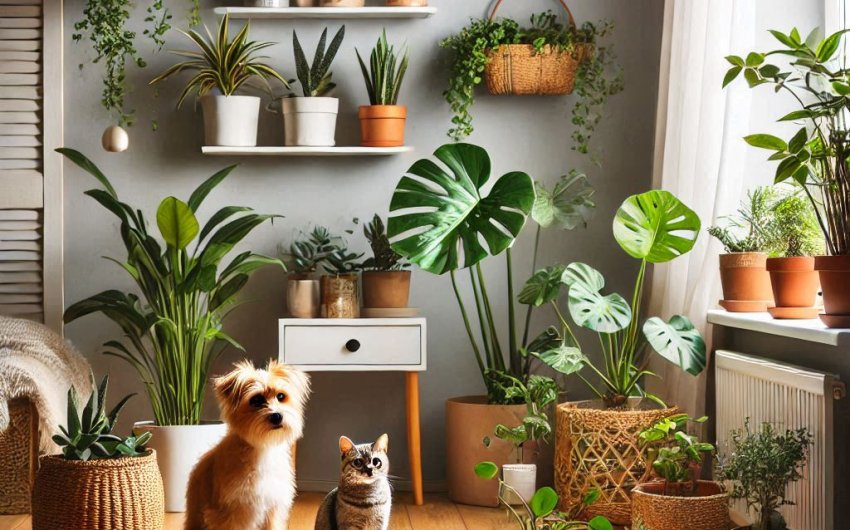
Bringing greenery into your home creates a more vibrant and peaceful living space. Houseplants purify the air, boost moods, and add a touch of nature's beauty to any room. However, for pet owners, the joy of a new plant can quickly turn to worry if a curious cat or playful dog decides to take a nibble. Many common houseplants are surprisingly toxic to our furry friends, causing symptoms ranging from mild upset stomachs to serious health issues.
The good news is that you don't have to choose between a beautiful indoor garden and your beloved pets. There are many gorgeous, easy-to-care-for plants that are perfectly safe for cats and dogs. This guide will help you discover the best pet-safe houseplants, allowing you to create a lush, animal-friendly environment where both your plants and your pets can thrive without worry. Let's explore some fantastic options that will bring beauty and peace of mind to your home.
Why Is Pet Safety Important When Choosing Houseplants?
Pets, especially curious cats and dogs, often explore the world with their mouths. They might chew on leaves out of boredom, playfulness, or simply because a plant looks inviting. Unfortunately, many common houseplants contain compounds that can be harmful if ingested.
What Makes a Plant Toxic to Pets?
Toxic plants contain various substances that can cause adverse reactions in animals. These can include:
- Calcium Oxalates: These are tiny, sharp crystals found in many popular plants like Peace Lilies, Pothos, and Philodendrons. When chewed, these crystals cause immediate pain and irritation in the mouth, tongue, and throat, leading to swelling, drooling, vomiting, and difficulty swallowing. While rarely fatal, they are very uncomfortable.
- Glycosides: Found in plants like Foxglove (though not typically a houseplant, some related species might be). These can affect the heart.
- Alkaloids: A diverse group of compounds, some of which can be highly toxic, affecting the nervous system, digestive system, or other organs.
- Saponins: Compounds that can cause gastrointestinal upset (vomiting, diarrhea).
Even plants that are considered "mildly" toxic can cause significant discomfort and a trip to the vet, which is stressful for both you and your pet. Preventing exposure is always the best approach.
What Are the Risks of Having Toxic Plants Around Pets?
The risks vary depending on the plant, the amount ingested, and the size and sensitivity of the pet.
- Mild Symptoms: Nausea, vomiting, diarrhea, drooling, mouth irritation, swelling.
- Moderate Symptoms: Lethargy, loss of appetite, weakness, skin rashes, tremors.
- Severe Symptoms: Seizures, difficulty breathing, organ damage, coma, or even death in extreme cases.
Puppies and kittens are often more at risk due to their heightened curiosity and tendency to chew on everything. Even if a plant is only mildly toxic, it's best to avoid it if you know your pet is a habitual plant chewer.
How Can I Check If a Plant Is Pet-Safe?
The most reliable resources for checking plant toxicity are:
- ASPCA (American Society for the Prevention of Cruelty to Animals): Their website has a comprehensive list of toxic and non-toxic plants for cats, dogs, and horses. This is often the go-to resource for pet owners.
- Pet Poison Helpline: Another excellent resource with detailed information.
When you're at a nursery or store, always check the plant's botanical name (scientific name). Common names can be misleading, as different plants might share the same common name. Then, cross-reference the botanical name with a reliable pet-safe plant list before you buy.
What Are the Best Pet-Safe Houseplants for Your Home?
Here's a list of beautiful and popular houseplants that are considered non-toxic to cats and dogs by the ASPCA. Remember to always confirm the scientific name when purchasing.
Easy-Care & Popular Options
These plants are widely available, generally forgiving, and perfect for beginners.
1. Spider Plant (Chlorophytum comosum)
- Why it's great: Extremely easy to care for, tolerant of various light conditions, and produces "spiderettes" (baby plants) that are fun to propagate. They are also excellent air purifiers.
- Look: Long, arching, variegated leaves, often with green and white stripes.
- Care Level: Very easy.
- Benefit: Known to be non-toxic to cats and dogs. In fact, some cats are drawn to them, possibly due to a mild hallucinogenic effect similar to catnip, but it's harmless. A standard spider plant is a classic choice.
2. Boston Fern (Nephrolepis exaltata 'Bostoniensis')
- Why it's great: Lush, feathery fronds bring a classic, natural feel to a room. They thrive in humidity, making them great for bathrooms.
- Look: Long, arching green fronds with many small leaflets.
- Care Level: Moderate. Needs consistent moisture and high humidity.
- Benefit: Non-toxic to pets. A Boston fern adds a vibrant green texture.
3. African Violet (Saintpaulia spp.)
- Why it's great: Produces beautiful, often vibrant, small flowers throughout the year. They are compact, making them ideal for shelves or small spaces.
- Look: Fuzzy, dark green leaves with clusters of purple, pink, white, or blue flowers.
- Care Level: Moderate. Needs consistent, indirect light and careful watering.
- Benefit: Non-toxic to cats and dogs. An African violet plant offers charming blooms.
4. Christmas Cactus (Schlumbergera bridgesii or S. truncata)
- Why it's great: A popular holiday plant known for its beautiful, tubular flowers that bloom in winter. It's a succulent that is relatively easy to care for.
- Look: Flat, segmented green stems that drape, with colorful flowers (red, pink, white, orange) at the tips.
- Care Level: Easy. Needs bright, indirect light and consistent watering when blooming.
- Benefit: Non-toxic. A Christmas cactus plant can bring festive cheer safely.
5. Parlor Palm (Chamaedorea elegans)
- Why it's great: An elegant, slow-growing palm that thrives indoors, even in lower light conditions. It adds a tropical touch.
- Look: Slender stems with delicate, arching green fronds.
- Care Level: Easy. Tolerates a range of light and fairly forgiving with watering.
- Benefit: Non-toxic. A parlor palm offers beautiful, architectural foliage.
Larger & Statement Plants
These plants can create a focal point in your room while remaining pet-friendly.
6. Areca Palm (Dypsis lutescens)
- Why it's great: A popular, larger palm that can grow quite tall, providing a significant green presence and excellent air purification.
- Look: Multiple slender, bamboo-like stems with feathery, arching fronds.
- Care Level: Moderate. Needs bright, indirect light and consistent moisture.
- Benefit: Non-toxic. An areca palm can become a stunning centerpiece.
7. Money Tree (Pachira aquatica)
- Why it's great: Often sold with braided trunks, the Money Tree is considered a symbol of good luck and prosperity. It's relatively easy to care for and can grow into a small tree indoors.
- Look: Thick, braided trunk with five-fingered, glossy green leaves.
- Care Level: Easy to moderate. Prefers bright, indirect light and consistent watering.
- Benefit: Non-toxic to pets. A money tree plant is a great symbolic and aesthetic choice.
8. Bird's Nest Fern (Asplenium nidus)
- Why it's great: Offers a unique texture with its large, undivided fronds that resemble a bird's nest. It thrives in high humidity and indirect light.
- Look: Wavy, bright green, broad fronds growing from a central rosette.
- Care Level: Moderate. Needs consistent moisture and high humidity; avoid getting water in the "nest" to prevent rot.
- Benefit: Non-toxic. A bird's nest fern adds sculptural interest.
Flowering & Colorful Options
Add a pop of color with these pet-safe flowering plants.
9. Orchid (Phalaenopsis spp. - Moth Orchid)
- Why it's great: Elegant, long-lasting flowers that come in a huge variety of colors and patterns. They are surprisingly easy to care for once you understand their specific needs.
- Look: Thick, glossy green leaves and graceful stems with beautiful, often large, multi-petaled flowers.
- Care Level: Moderate. Needs bright, indirect light and specific orchid potting mix.
- Benefit: Non-toxic to pets. A moth orchid plant can bring sophisticated beauty.
10. Friendship Plant (Pilea involucrata)
- Why it's great: Known for its beautifully textured, crinkled leaves that often have a reddish-brown tint and silvery markings. It's a compact plant that thrives in humidity.
- Look: Small, fuzzy, textured leaves with dark green and sometimes red or silver patterns.
- Care Level: Easy. Prefers bright, indirect light and high humidity.
- Benefit: Non-toxic. A friendship plant is perfect for a terrarium or a small desktop spot.
11. Gloxinia (Sinningia speciosa)
- Why it's great: Produces large, velvety, bell-shaped flowers in vibrant colors. A beautiful blooming plant for seasonal color.
- Look: Large, fuzzy leaves with showy flowers in shades of red, purple, pink, and white.
- Care Level: Moderate. Requires bright, indirect light and consistent moisture.
- Benefit: Non-toxic. A Gloxinia plant adds a dramatic floral display.
Unique & Succulent Options
For those who love plants with interesting forms and textures.
12. Haworthia (Haworthia spp.)
- Why it's great: A small, sculptural succulent that resembles mini aloe plants or spiky rosettes. Very low maintenance.
- Look: Compact rosettes of fleshy, often translucent, green leaves, sometimes with white markings or ridges.
- Care Level: Very easy. Needs bright light and infrequent watering (like most succulents).
- Benefit: Non-toxic. A Haworthia succulent is perfect for a sunny windowsill.
13. Prayer Plant (Maranta leuconeura)
- Why it's great: Famous for its beautiful, variegated leaves that fold upwards at night, resembling hands in prayer.
- Look: Oval leaves with striking patterns of red veins, green, and light green centers.
- Care Level: Moderate. Needs high humidity and indirect light.
- Benefit: Non-toxic. A prayer plant adds dynamic charm.
14. Polka Dot Plant (Hypoestes phyllostachya)
- Why it's great: Known for its distinctive speckled leaves, coming in pink, white, or red spots on green foliage. Adds a fun pop of color.
- Look: Green leaves with prominent spots or splashes of pink, red, or white.
- Care Level: Easy to moderate. Prefers bright, indirect light and consistent moisture.
- Benefit: Non-toxic. A polka dot plant is a playful addition.
How Can I Keep My Pets Safe Around ALL Houseplants?
Even with pet-safe plants, some pets might still nibble or interact with them. Here are extra tips for keeping your furry friends safe.
How Can I Deter Pets from Chewing Plants?
- Provide Alternatives: Make sure your pets have their own safe chewing toys. For cats, provide catnip or cat grass (which is typically grown from wheat, oat, rye, or barley seeds and is safe for them to nibble). You can buy cat grass seeds to grow your own.
- Bitter Sprays: Use a pet-safe bitter spray on plant leaves. The taste is unpleasant for pets but harmless. Reapply regularly. A pet bitter spray can be effective.
- Physical Barriers:
- High Shelves/Hanging Baskets: Place plants out of reach. This is especially good for curious cats.
- Terrariums or Plant Stands with Cages: For smaller plants, a closed terrarium or a decorative cage can protect them.
- Designated Plant Room: If you have highly toxic plants that you can't part with, keep them in a room that pets cannot access.
- Distraction: If you catch your pet chewing, redirect their attention with a toy or a game.
What if My Pet Ingests a Toxic Plant?
Even with the best precautions, accidents can happen.
- Stay Calm: Panic will only make the situation worse.
- Identify the Plant: If possible, identify the plant (or take a sample with you). Knowing the plant's name helps the vet determine the best course of action.
- Contact Your Vet or Pet Poison Helpline: Call your veterinarian immediately, or the Pet Poison Helpline (a paid service, but invaluable in emergencies). They will guide you on what to do.
- Do NOT Induce Vomiting Unless Directed: Some toxins can cause more harm if vomiting is induced without professional guidance.
- Monitor Your Pet: Watch for any changes in behavior or symptoms.
What About Repotting and Soil?
- Secure Soil: Some pets (especially cats) might be tempted to dig in plant pots. Cover the soil with decorative pebbles, mesh, or aluminum foil to deter digging.
- Fertilizers: If you use chemical fertilizers, make sure pets cannot access them or the fertilized soil. Consider using organic fertilizers that are less harmful if ingested. Always follow directions carefully.
Consider Plant Size and Pet Temperament
- Small Plants, Large Pets: A large dog might accidentally knock over a small pot. Secure plants to prevent spills.
- Vining Plants: Be careful with vining plants that trail. Even if the plant itself is safe, your pet might get tangled or pull down the pot.
- Playful Pets: If your pet is known for being extra curious or destructive with household items, it's always safer to err on the side of caution and opt for fewer, carefully placed plants, or choose only very robust options.
By thoughtfully choosing pet-safe houseplants and implementing these safety tips, you can create a beautiful and nurturing home environment where both your plant collection and your beloved pets can thrive together in harmony.