
How to Mow a Lawn for Thick Grass Growth?
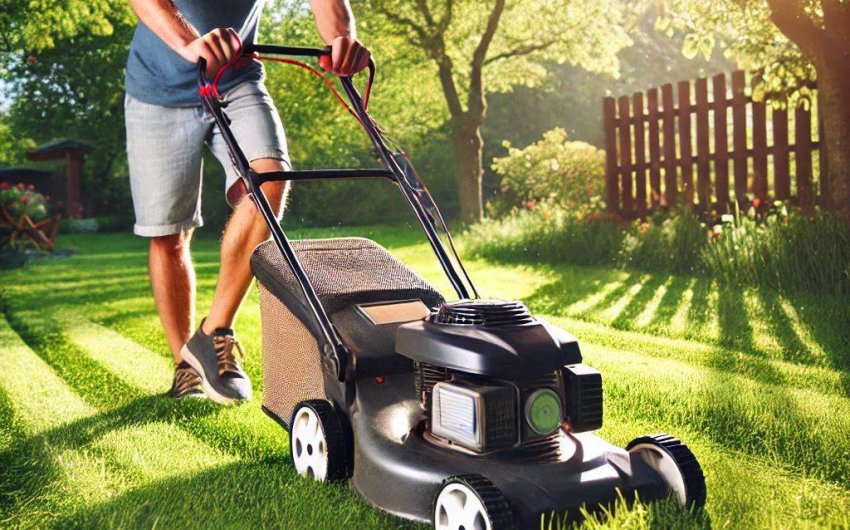
Achieving a lush, verdant lawn often starts with a fundamental chore: how to mow a lawn for thick grass growth. More than just neatening the appearance, proper mowing techniques are crucial for fostering dense, healthy turf that can outcompete weeds and resist disease. By understanding the science behind grass growth and applying strategic cutting practices, homeowners can transform their ordinary yard into a vibrant, resilient carpet of green, all through the simple act of mowing.
Why is mowing height crucial for thick grass?
The mowing height you choose is perhaps the single most important factor in promoting thick grass growth. It might seem counterintuitive, but cutting your grass too short actually harms its health and density, while maintaining a taller cut encourages a robust, resilient lawn. This principle is often referred to as the "one-third rule."
When you cut grass, you are removing its blades, which are essentially its "food factories" where photosynthesis occurs. Longer grass blades mean more surface area for photosynthesis, allowing the plant to produce more energy. This extra energy is then channeled into developing a deeper, stronger root system. A dense, deep root system is vital for a thick lawn because it allows the grass to access more water and nutrients from the soil, making it more drought-tolerant and less susceptible to stress.
Conversely, when grass is cut too short, it's forced to put its limited energy into regrowing its blades quickly, rather than investing in root development. This creates a shallow, weaker root system, making the grass vulnerable to drought, heat stress, and disease. Short grass also provides less shade to the soil surface, allowing weed seeds to germinate more easily and increasing soil moisture evaporation. So, if you want a dense, resilient turf that chokes out weeds, setting your mower height correctly is the absolute first step.
What is the "one-third rule" of mowing?
The "one-third rule" is a fundamental principle in lawn care that states you should never remove more than one-third of the grass blade's total height in a single mowing. This rule minimizes stress on the grass plant and allows it to recover quickly.
- How it Works: If you want your grass to stand at a final height of 3 inches, you should mow when it reaches approximately 4.5 inches (since 1/3 of 4.5 inches is 1.5 inches, leaving 3 inches). This ensures that enough of the blade remains to continue photosynthesis efficiently and support the root system.
- Why it's Important: Removing too much of the grass blade (scalping) puts the grass into a state of shock. It has to rapidly expend stored energy to regrow, weakening the plant. This stress makes the lawn more susceptible to disease, insect infestations, and weed invasion. Consistent adherence to the one-third rule encourages steady, healthy growth rather than stress-induced regrowth, leading to a denser turf over time.
What is the ideal mowing height for different grass types?
The "ideal" mowing height varies depending on your specific grass type. Lawns are generally composed of either cool-season or warm-season grasses, each with different growth habits and preferred heights.
- Cool-Season Grasses: These grasses thrive in cooler climates with cold winters and moderate summers. They include Kentucky bluegrass, perennial ryegrass, tall fescue, and fine fescue.
- Recommended Height: For most cool-season grasses, an ideal mowing height is generally between 2.5 to 3.5 inches. During periods of stress (like hot summer weather or drought), it's beneficial to raise the mowing height to 3 inches or even 3.5 inches. The taller blades help shade the soil, reducing water evaporation and keeping the soil cooler, which benefits the roots.
- Warm-Season Grasses: These grasses prefer warmer climates with hot summers and mild winters. They include Bermudagrass, Zoysiagrass, St. Augustinegrass, and Centipedegrass.
- Recommended Height: Warm-season grasses generally tolerate and often prefer shorter mowing heights than cool-season grasses, typically between 1 to 2.5 inches. However, even for these types, going too short can cause stress. For example, Bermudagrass can be mowed shorter (1-2 inches) if regularly maintained with a reel mower, while St. Augustinegrass typically prefers 2-2.5 inches.
- Dormancy: Remember that warm-season grasses go dormant and turn brown in winter; do not attempt to force them green with short cuts or heavy fertilization during this time.
Always research the specific ideal mowing height for your particular grass cultivar. Adjusting your lawn mower's deck height accordingly is a simple yet powerful step towards achieving a thick, healthy lawn.
How often should I mow for optimal grass density?
The frequency of mowing is just as important as the mowing height when aiming for optimal grass density. Mowing too infrequently can allow the grass to grow too long, forcing you to remove too much blade length in a single cut (violating the one-third rule). Mowing regularly, on the other hand, encourages lateral growth, which is key to a thick, lush lawn.
Regular mowing stimulates the grass plant to produce more tillers (new shoots from the base) and rhizomes or stolons (spreading stems), depending on the grass type. This lateral growth fills in bare spots and makes the lawn denser and more carpet-like. Think of it like pruning a bush to make it fuller; regular trimming encourages bushier growth.
The ideal frequency depends on your grass type, growth rate, and the time of year. During peak growing seasons (spring and fall for cool-season grasses, summer for warm-season grasses), you might need to mow more often. During slower growth periods, you can extend the time between mowings.
What is the relationship between frequency and the "one-third rule"?
The frequency of mowing is directly tied to the "one-third rule." To consistently adhere to the rule (never removing more than one-third of the blade height), you must mow often enough so that the grass doesn't grow excessively tall between cuts.
- Example: If your target mowing height is 3 inches, and your grass grows quickly, reaching 4.5 inches in just 3-4 days, then you'll need to mow every 3-4 days. If it takes a week to reach 4.5 inches, then weekly mowing is fine.
- Consequences of Infrequent Mowing: If you wait too long between mowings, the grass becomes excessively tall (e.g., 6 inches). When you then cut it back to 3 inches, you've removed half its height, which violates the one-third rule. This "scalping" effect shocks the grass, leading to a weaker lawn, increased susceptibility to disease, and brown patches (since the lower parts of the blades, normally shaded, are now exposed to sunlight).
- Encouraging Density: Frequent, light mowing (adhering to the one-third rule) actually encourages the grass to produce more side shoots, known as tillers. This process, called tillering, is what makes a lawn dense and thick, helping it fill in open areas and crowd out weeds.
Therefore, rather than mowing on a strict schedule (e.g., always once a week), it's more beneficial to mow based on the growth rate of your grass, ensuring you always remove no more than one-third of the blade height. This might mean mowing twice a week during peak growth and every two weeks during slower periods.
How does grass type and season affect mowing frequency?
The growth rate of your grass type and the time of year are key determinants of how often you need to mow.
- Cool-Season Grasses:
- Spring & Fall: This is their peak growing season. You might need to mow every 5-7 days, sometimes even more frequently during periods of rapid growth with ample rain and mild temperatures.
- Summer: Growth slows down significantly during hot summer months. Mowing frequency can drop to every 7-14 days, or even less during drought or dormancy.
- Winter: Growth is minimal or non-existent once temperatures drop below 40°F. Mowing might not be necessary at all, or only very occasionally during mild spells.
- Warm-Season Grasses:
- Summer: This is their peak growing season. You might need to mow every 5-7 days or even more frequently for aggressive spreaders like Bermudagrass.
- Spring & Fall: Growth is slower in these shoulder seasons. Mowing frequency can reduce to every 7-14 days.
- Winter: Warm-season grasses go dormant and turn brown in winter (in most climates). Mowing is usually not required during this period.
Monitoring your grass's height and adhering to the one-third rule, rather than a calendar, will give you the best guide for mowing frequency. This approach promotes a healthier, thicker lawn by minimizing stress and encouraging vigorous growth.
Why is sharp mower blades vital for a healthy lawn?
The condition of your mower blades might seem like a small detail, but it has a profound impact on the health and appearance of your lawn, directly influencing its ability to grow thick and resilient. Using sharp mower blades is not just about getting a clean cut; it's about minimizing stress on the grass plant and preventing damage that can lead to disease and an unhealthy turf.
A dull mower blade doesn't cut the grass cleanly. Instead, it tears or shreds the grass blades, leaving a ragged, frayed edge. This damaged edge then looks whitish or brownish, giving the entire lawn an unhealthy, faded appearance. More importantly, this tearing creates a larger wound on the grass blade, making it more vulnerable to disease pathogens and increasing the rate of moisture loss from the plant. A healthy, thick lawn is built on healthy, undamaged grass plants, and sharp blades are fundamental to this.
What are the consequences of dull blades?
Using dull mower blades creates several detrimental effects on your lawn that hinder thick growth.
- Ragged Cuts and Frayed Tips: The most immediate and visible sign of dull blades is the appearance of frayed, tattered, or torn grass blade tips after mowing. Instead of a clean, straight cut, the blades look ragged and stressed. This gives the entire lawn a whitish, grayish, or brownish cast, especially a day or two after mowing, which can be mistaken for other problems.
- Increased Water Loss and Stress: The ragged edges created by dull blades expose more of the grass plant's internal tissues to the air. This significantly increases transpiration, meaning the grass loses water more rapidly. This increased water loss puts the grass under severe stress, especially during hot or dry conditions, making it more susceptible to dehydration, yellowing, and thinning.
- Disease Entry Points: The large, open, and irregular wounds left by dull blades serve as easy entry points for fungal pathogens and other diseases. A healthy grass blade can quickly seal off a clean cut, but a torn blade struggles to do so, leaving it vulnerable to infection. This can lead to unsightly disease spots or widespread weakening of the turf.
- Reduced Photosynthesis: Damaged blade tips can also impede the plant's ability to efficiently perform photosynthesis, as the frayed edges reduce the functional surface area for light absorption. Less photosynthesis means less energy for root development and overall plant vigor, directly impacting density.
- More Fuel Consumption: Your lawn mower's engine has to work harder to tear through grass with dull blades, leading to increased fuel consumption and unnecessary wear and tear on the mower itself.
How often should I sharpen or replace blades?
The frequency of mower blade sharpening depends on several factors, including the size of your lawn, the type of grass, and whether you frequently encounter debris (rocks, twigs).
- General Rule: As a general rule, sharpen your mower blades after every 10-12 hours of mowing or at least once per season (at the beginning of the prime mowing season).
- Signs of Dullness: Pay attention to the appearance of your grass after mowing. If you see frayed, white, or brownish tips, or if the grass looks "chewed" rather than cleanly cut, it's definitely time to sharpen your blades.
- DIY Sharpening: You can learn to sharpen your own blades using a file, a grinder, or a drill attachment sharpener. Ensure you maintain the correct blade angle and balance the blade after sharpening to prevent mower vibration. A blade balancer is inexpensive and crucial.
- Professional Sharpening: If you're unsure or don't have the tools, many hardware stores or small engine repair shops offer professional blade sharpening services.
- Replacement: Even with regular sharpening, blades eventually wear down, bend, or get damaged beyond repair. Keep a spare set of sharp blades on hand so you can easily swap them out and continue mowing while you sharpen the dull set. Replacement lawn mower blades are relatively inexpensive.
Investing in sharp mower blades and maintaining them regularly is a simple yet high-impact practice that directly promotes a healthier, thicker, and more resilient lawn by minimizing stress and protecting the grass from disease.
Should I bag or mulch grass clippings for a thick lawn?
The question of whether to bag or mulch grass clippings is a common one, and for promoting thick grass growth, the answer overwhelmingly favors mulching. While bagging removes organic material from your lawn, mulching actively returns valuable nutrients and organic matter to the soil, creating a healthier, denser turf over time. This practice is a cornerstone of sustainable lawn care.
When you mulch grass clippings, your lawn mower cuts the blades into very fine pieces that fall back into the turf. These small pieces quickly decompose, releasing essential nutrients back into the soil where the grass can reuse them. This natural recycling process provides a continuous source of fertilizer, reduces the need for synthetic inputs, and builds soil health.
What are the benefits of mulching grass clippings?
Mulching grass clippings offers numerous advantages that directly contribute to a thicker, healthier lawn.
- Natural Fertilization: Grass clippings are primarily composed of water (around 80-85%) and about 15% dry matter. This dry matter is rich in essential nutrients, particularly nitrogen, but also contains phosphorus, potassium, and micronutrients. By mulching, you're essentially providing a slow-release, natural fertilizer. It's estimated that mulching can provide up to 25% of your lawn's annual nitrogen needs, significantly reducing your reliance on synthetic fertilizers. This consistent nutrient supply promotes strong, sustained growth, leading to a denser lawn.
- Increased Soil Organic Matter: As the finely chopped clippings decompose, they add organic matter to the soil. Organic matter improves soil structure, increases water retention (making the lawn more drought-tolerant), enhances drainage in clay soils, and promotes a healthy population of beneficial soil microorganisms. Over time, this makes the soil richer and more fertile, which is ideal for thick grass growth.
- Weed Suppression: A healthy, thick lawn is naturally better at suppressing weeds. However, the thin layer of mulched clippings can also act as a mini-mulch layer, helping to cool the soil and reduce weed seed germination.
- Reduced Thatch: Contrary to a common misconception, mulching grass clippings does not cause thatch buildup. Thatch is a layer of undecomposed organic matter (stems, roots) that accumulates between the green blades and the soil surface. Finely mulched grass clippings are primarily water and soft tissue; they decompose quickly and actually contribute to breaking down existing thatch.
- Environmental Benefits: Mulching reduces yard waste sent to landfills, saving space and reducing transportation emissions. It also lessens the need for synthetic fertilizers, contributing to healthier waterways by preventing nutrient runoff.
- Time and Effort Savings: You save the time and effort of raking, bagging, and disposing of grass clippings. This makes mowing a much quicker and easier chore.
To effectively mulch, you need a mulching lawn mower (mulching lawn mower) or a mulching blade kit installed on your existing mower (mulching blade kit). Ensure the grass is dry, and don't try to mulch excessively long grass, as this can result in clumps. Adhere to the one-third rule; if the grass is too long, bag the clippings, or make multiple passes.
When should I consider bagging clippings?
While mulching is generally preferred, there are specific situations where bagging grass clippings is advisable.
- Excessively Long Grass: If your grass has grown too long between mowings (e.g., you've been away, or rain has prevented regular mowing), and you would violate the one-third rule by mulching, it's better to bag the clippings. Trying to mulch too much grass at once can lead to large clumps of clippings that smother the lawn underneath, encouraging disease and yellowing.
- Diseased Grass: If your lawn is suffering from a fungal disease (e.g., brown patch, dollar spot, snow mold), it's best to bag the clippings. This helps to remove diseased plant material and prevents the spread of fungal spores across your lawn. Dispose of these bagged clippings in the trash, not your compost bin.
- Heavy Weed Infestation with Seeds: If your lawn is heavily infested with weeds that have gone to seed, bagging the clippings can help remove the weed seeds from the lawn, preventing them from spreading and germinating. Again, dispose of these in the trash.
- Aesthetics: Some homeowners simply prefer the perfectly clean look of a bagged lawn, although this comes at the cost of sacrificing the natural nutrient recycling and soil building benefits.
For the vast majority of mowing occasions and for the ultimate goal of a thick, healthy lawn, mulching grass clippings is a highly beneficial and environmentally friendly practice. It's a simple change that can make a profound difference in the density and vigor of your turf.
What is the role of pattern changing in promoting thick grass?
The pattern you use for mowing might seem purely aesthetic, but believe it or not, regularly changing your mowing pattern plays a subtle yet important role in promoting thick grass growth. Sticking to the same pattern every time can actually compact the soil and stress the grass in predictable ways, leading to uneven growth and a less dense lawn. Varying your pattern, on the other hand, encourages more uniform growth and better overall turf health.
The main reasons to change your mowing pattern are to prevent soil compaction in specific wheel paths and to ensure that grass blades are cut evenly from different angles. When you repeatedly mow in the exact same direction, your mower wheels follow the same lines, gradually compacting the soil in those paths. This compaction reduces air and water circulation in the soil, which stifles root growth and weakens the grass. It can lead to thin, stressed lines in your lawn where the soil is overly compacted.
Additionally, mowing in the same direction can cause the grass blades to lean or grow in a particular direction. This makes it harder for your mower blades to get a clean, even cut on all the blades, especially those that are "bent over." Changing the pattern helps lift the grass blades from different directions, ensuring a more thorough and even cut, which is beneficial for stimulating dense growth.
How do different mowing patterns benefit the lawn?
Varying your mowing pattern offers several specific advantages for grass health and density.
- Prevents Soil Compaction: By alternating the direction of your mower, you distribute the weight of the mower (and your footsteps) more evenly across the entire lawn surface. This significantly reduces the risk of creating permanent wheel ruts or overly compacted soil paths, allowing roots to grow freely and evenly throughout the turf. Preventing compaction ensures uniform access to water, nutrients, and oxygen for all grass plants.
- Promotes Upright Growth: Grass tends to lean in the direction it's habitually mowed. By changing patterns (e.g., from vertical strips to horizontal strips, or diagonals), you encourage the grass blades to grow more upright. This makes them easier to cut cleanly and uniformly on subsequent mowings, and it also contributes to the appearance of a thicker, fuller lawn.
- Ensures Even Cut: Mowing from different angles helps ensure that all grass blades are cut to the intended height. Some blades might bend over in one direction, but when you approach them from a different angle, they stand up and get cut, resulting in a more uniform and attractive finished lawn. An even cut promotes more consistent growth across the entire lawn.
- Reduces Stress: When grass blades are forced to lean in one direction due to repetitive mowing, they can become stressed. Varying patterns reduces this directional stress, allowing the grass to grow more naturally and robustly.
What are some effective mowing patterns to try?
To effectively change your mowing pattern, aim to alternate between a few different simple patterns with each mowing.
- Parallel Strips (Alternating Direction): This is the most common pattern. One week, mow in straight lines from north to south. The next week, mow in straight lines from east to west. This simple alternation is highly effective at preventing ruts and promoting even growth.
- Diagonal Strips: For added variety, sometimes mow your lawn in diagonal lines across the property. You can alternate between two different diagonal directions on subsequent mowings. This can also create an attractive checkerboard pattern.
- Perimeter First: Some gardeners like to mow a strip or two around the perimeter of the lawn first, then mow in parallel or diagonal lines within that border. This gives a clean edge and helps you line up your passes.
- Circles/Spirals (for irregular lawns): For very irregularly shaped lawns or areas around obstacles, mowing in concentric circles or spirals can be practical. However, this pattern might be harder to vary consistently and could lead to more soil compaction if always done in the exact same way.
- Vary the Starting Point: Even if you use the same general pattern (e.g., parallel strips), try starting your first pass from a different edge of the lawn each time. This slightly shifts the wheel paths, further preventing localized compaction.
Consistency in varying your mowing patterns, combined with the correct mowing height and sharp blades, contributes significantly to a stronger, more resilient root system and visibly thicker grass growth by ensuring uniform health and minimizing compaction across the entire lawn.