
Best Multi-Purpose Gardening Knives for Cutting and Pruning
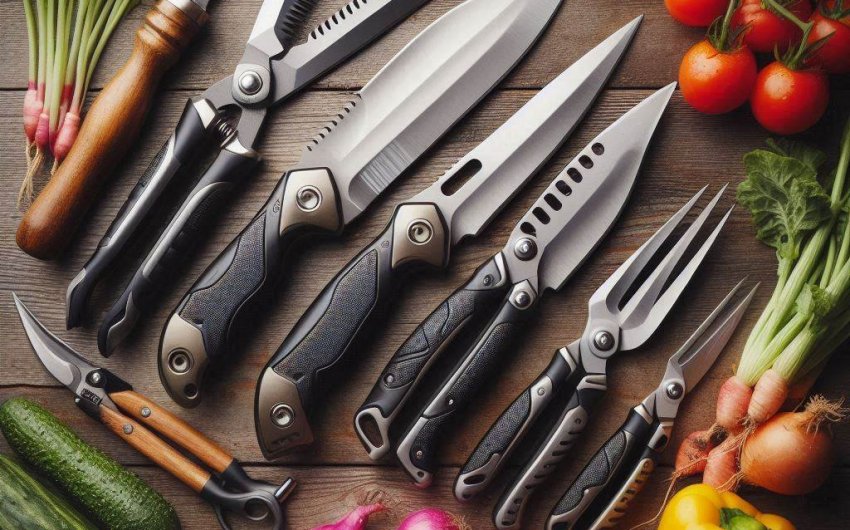
Finding the best multi-purpose gardening knives for cutting and pruning can significantly enhance your efficiency and enjoyment in the garden. A versatile and sharp garden knife is an indispensable tool, capable of handling a wide array of tasks from precisely severing stubborn roots to carefully preparing cuttings. Instead of juggling multiple specialized instruments, a single, high-quality all-purpose garden knife streamlines your toolkit, making gardening simpler and more productive.
Why is a multi-purpose gardening knife essential for every gardener?
A multi-purpose gardening knife stands out as a core tool because it offers unmatched versatility, reducing the need for an arsenal of specialized implements. Instead of reaching for separate tools for digging, weeding, pruning, or harvesting, a single, well-designed knife can tackle most of these tasks. This efficiency saves time and effort, making gardening more enjoyable and less about fumbling for the right tool. Its compact nature also means less clutter in your tool shed and easier portability as you move around the garden.
What tasks can a multi-purpose gardening knife handle?
A good multi-purpose garden knife is designed to perform a variety of chores with ease and precision, making it incredibly valuable for diverse gardening needs.
- Cutting: This is perhaps the most fundamental use. A sharp blade can easily sever twine, opening bags of soil or mulch, or cutting through fabric weed barriers. It provides clean cuts for various materials encountered in the garden.
- Pruning: While not a substitute for heavy-duty pruners on thick branches, a versatile knife excels at light pruning tasks. This includes removing small dead or diseased stems, shaping delicate plants, or tidying up herbaceous perennials. Its sharp edge ensures a clean cut, which is important for plant health.
- Dividing Plants: When dividing perennials like hostas or daylilies, a sturdy knife can precisely cut through the root ball, separating clumps cleanly without excessive damage to the plant. This helps in propagation and rejuvenation of mature plants.
- Weeding: A knife can be surprisingly effective for weeding, especially for stubborn tap-rooted weeds like dandelions. Its blade can be inserted deep into the soil to sever the root below the crown, preventing regrowth. The sharp point can also extract small weeds from tight spaces without disturbing nearby plants.
- Harvesting: For harvesting vegetables such as lettuce, cabbage, or herbs, a sharp knife provides a clean cut, minimizing damage to the plant and extending its freshness. It's also useful for cutting flower stems for bouquets.
- Digging: While not designed for extensive digging, a robust gardening knife can be used for small-scale digging tasks, such as creating a narrow furrow for seeds, planting small bulbs, or prying out small stones. Its pointed tip can help break through compacted soil.
- Transplanting: When transplanting seedlings or small plants, a knife can help loosen soil around the roots or create appropriately sized holes, ensuring minimal disturbance to the plant during the move.
- Slicing and Scoring: From scoring bark for propagation to slicing through stubborn root mats in pots, a sharp, sturdy blade provides the necessary precision and force.
The ability of a single tool to competently handle such a diverse range of tasks truly highlights why a multi-purpose garden knife is a cornerstone of an efficient gardener's toolkit.
What features define the best multi-purpose gardening knives?
The effectiveness and longevity of a multi-purpose gardening knife hinge on several key features that contribute to its performance, durability, and user comfort. When choosing one, paying attention to the blade material, edge type, handle design, and overall construction will ensure you select a tool that meets your gardening demands.
What blade materials are superior for gardening knives?
The blade material is arguably the most critical component of any knife, determining its sharpness, edge retention, and resistance to corrosion.
- High-Carbon Steel: Blades made from high-carbon steel are renowned for their exceptional sharpness and ability to hold a keen edge for extended periods. This means less frequent sharpening, which is a major advantage during continuous use. However, high-carbon steel is susceptible to rust if not properly maintained, requiring regular cleaning and oiling after each use.
- Stainless Steel: Stainless steel blades, while not typically achieving the same level of sharpness as high-carbon steel, offer superior corrosion resistance. This makes them much more forgiving if left wet or used in damp conditions, as they are less likely to rust. They are a good choice for gardeners who prioritize low maintenance.
- Japanese Stainless Steel (e.g., SK-5, AUS-8): Many high-quality Japanese gardening knives utilize specialized stainless steel alloys like SK-5 or AUS-8. These steels often combine the rust resistance of stainless steel with improved edge retention and hardness, offering a good balance of performance and durability. For instance, the Niwaki Hori Hori is known for its excellent Japanese steel blade.
What are the ideal blade edge types?
The blade edge significantly influences a knife's versatility and effectiveness for different tasks.
- Plain Edge: A plain edge (or straight edge) is excellent for clean, precise cuts, making it ideal for pruning, grafting, and slicing. It is easier to sharpen and maintain a razor-sharp finish.
- Serrated Edge: A serrated edge features a series of teeth along the blade, which are highly effective for sawing through tougher materials like woody stems, roots, or fibrous ropes. This edge type often maintains its cutting ability even when partially dull, but it is more challenging to sharpen.
- Combination Edge: Many multi-purpose knives feature a combination edge, incorporating both plain and serrated sections. Typically, the plain edge is near the tip for detailed work, while the serrated section is closer to the handle for sawing power. This offers the best of both worlds, making the knife adaptable to a wide range of tasks. The Hori Hori knife, for example, often has a combination edge.
What handle materials and designs are most ergonomic?
A comfortable and secure handle is crucial for reducing hand fatigue and ensuring safe operation, especially during extended gardening sessions.
- Wood: Wooden handles offer a classic aesthetic and can provide a good grip, particularly when wet, as they absorb some moisture. However, they can be susceptible to rot or splintering if not treated and maintained. Hardwoods like oak or beech are generally more durable.
- Rubberized/Synthetic: Rubberized or other synthetic handles offer excellent non-slip grip, even when wet, making them very safe to use. They are also highly durable and resistant to rot, mildew, and temperature changes. Examples include handles made from ABS plastic or TPR (Thermoplastic Rubber). The AMES Saw-Tooth Hori Hori Knife often features a comfortable synthetic grip.
- Ergonomics: Beyond material, the handle's design should fit comfortably in the hand, offering a secure grip without causing pressure points. Look for features like finger grooves, a slight curve, or a textured surface that enhances control and reduces slippage. A well-balanced knife feels natural in the hand, preventing strain during repetitive tasks.
What about tang construction and overall durability?
The tang refers to the part of the blade that extends into the handle, and its construction is a major indicator of a knife's strength and durability.
- Full Tang: A full tang knife has a blade that extends all the way through the length of the handle, mirroring its shape. This construction is considered the strongest and most durable because the force applied to the blade is distributed evenly across the entire handle, minimizing the risk of the blade breaking or detaching from the handle. Knives with a full tang are typically heavier but much more robust, ideal for prying or heavier cutting tasks. Many top-tier Hori Hori knives boast full tang construction for maximum strength.
- Partial Tang: A partial tang means the blade extends only partway into the handle. While lighter and sometimes more affordable, these knives are generally less durable for heavy-duty tasks as the point of connection between blade and handle is a potential weak spot.
- Overall Construction: Beyond the tang, assess the quality of the rivets or fasteners securing the handle scales to the tang. The blade should be firmly fixed with no wobble. High-quality knives will often feature a protective sheath made of nylon, canvas, or leather. A good sheath protects the blade from damage and users from accidental cuts, while also making the knife easier and safer to carry, such as the Fiskars Hori Hori Garden Knife which usually comes with a durable sheath.
By carefully evaluating these features, you can select a multi-purpose gardening knife that not only performs exceptionally but also lasts for many seasons of garden work.
What is a Hori Hori knife and why is it so popular?
The Hori Hori knife is a traditional Japanese gardening tool that has gained immense popularity worldwide due to its exceptional versatility and robust design. Often called a "soil knife," "digging knife," or "weeding knife," its name, "Hori Hori," is an onomatopoeia for the digging sound it makes. This tool is a prime example of a multi-purpose gardening knife, embodying functionality, durability, and efficiency in one compact package.
What makes the Hori Hori knife a multi-purpose powerhouse?
The design of the Hori Hori knife is what makes it so incredibly effective for a wide range of gardening tasks, truly living up to its reputation as a versatile tool.
- Concave Blade: Its most distinctive feature is its concave, scoop-shaped blade, often about 7-8 inches long. This unique curvature allows it to function effectively as a small trowel for digging, scooping soil, and planting small bulbs or seedlings. It can effortlessly move soil around roots or create perfect furrows for planting.
- Sharp, Beveled Edges: Both sides of the Hori Hori blade are typically sharp, and one side often features a serrated edge, while the other has a straight, plain edge. This combination edge is crucial for its multi-purpose functionality. The serrated side is excellent for sawing through tough roots, cutting twine, or trimming small branches. The plain edge provides a clean, precise cut for tasks like dividing plants, weeding close to desirable plants, or opening bags.
- Pointed Tip: The blade tapers to a sharp, reinforced pointed tip. This strong point allows the knife to penetrate hard or compacted soil, making it effective for weeding, prying out rocks, or even opening stubborn containers. It's strong enough to withstand considerable leverage.
- Depth Markings: Many Hori Hori knives include depth markings (in inches or centimeters) etched onto the blade. This practical feature is incredibly useful for precise planting, ensuring bulbs or seeds are placed at the correct depth, which is vital for their successful growth.
- Strong Tang and Handle: Most high-quality Hori Hori knives, such as the Barebones Living Hori Hori Ultimate, feature a full tang construction, where the blade extends entirely through the handle. This design provides exceptional strength and durability, preventing the blade from breaking or becoming loose during rigorous use. The handles are typically made from durable materials like wood or synthetic compounds, designed for a comfortable and secure grip.
- Protective Sheath: A good Hori Hori knife almost always comes with a durable sheath made of heavy-duty canvas, nylon, or leather. This sheath protects the sharp blade from damage when not in use and, more importantly, ensures safe carrying and storage, minimizing the risk of accidental cuts.
The combination of these features makes the Hori Hori knife an incredibly powerful and efficient tool that can handle almost any small to medium-sized gardening task. Its ability to dig, weed, cut, prune, and measure all in one instrument is why it has become a beloved staple for both amateur and professional gardeners alike. It truly embodies the concept of the best multi-purpose gardening knife for cutting and pruning.
What are the top recommended multi-purpose gardening knives?
Selecting the best multi-purpose gardening knife depends on individual preferences and specific gardening needs, but several models consistently receive high praise for their quality, versatility, and durability. These knives are often cited as essential tools for both novice and experienced gardeners.
Which Hori Hori knives are highly rated?
The Hori Hori knife category is exceptionally strong when it comes to multi-purpose functionality, and several brands have perfected their versions.
- Niwaki Hori Hori: This Japanese-made knife is often considered the gold standard by many serious gardeners. It features a high-quality Japanese stainless steel or carbon steel blade known for its exceptional sharpness and edge retention. The Niwaki Hori Hori often boasts a full tang for superior durability and a comfortable wooden handle. Its robust construction and traditional design make it ideal for heavy-duty digging, weeding, and precise cutting. It's an investment, but one that typically lasts a lifetime with proper care. You can often find a Niwaki Hori Hori with a durable sheath.
- Barebones Living Hori Hori Ultimate: This knife is highly regarded for its blend of classic aesthetic and modern durability. It features a heat-tempered stainless steel blade with both a straight and serrated edge, offering excellent versatility for various tasks. The comfortable, stained walnut handle provides a secure grip, and its full tang construction ensures longevity. It often comes with a robust canvas sheath for safe storage and transport. The Barebones Living Hori Hori Ultimate is known for its balanced feel and appealing design.
- Fiskars Hori Hori Garden Knife: Fiskars is a well-known brand in gardening tools, and their Hori Hori knife is a popular choice for its reliability and value. It typically features a rust-resistant stainless steel blade with a serrated edge on one side and a sharp, straight edge on the other, along with depth markings. The ergonomic handle is often made of durable, non-slip material, providing a comfortable and secure grip. It usually includes a durable sheath with a belt loop for easy carrying. The Fiskars Hori Hori Garden Knife is a solid, affordable option for everyday use.
- A.M. Leonard Deluxe Hori Hori Knife: This professional-grade Hori Hori is a favorite among landscapers and serious gardeners. It features a heavy-gauge stainless steel blade, often with a concave shape for digging and a sharp, serrated edge for cutting roots. The strong full tang and comfortable handle (sometimes composite or wood) ensure it can withstand rigorous use. It's built for durability and long-term performance. You might find a A.M. Leonard Deluxe Hori Hori Knife is a true workhorse.
Are there other multi-purpose garden knife styles?
While the Hori Hori is dominant, other knife styles offer excellent multi-purpose utility.
- Folding Garden Knife: A folding garden knife is highly portable and safe to carry in a pocket. These knives often feature a strong, sharp blade (sometimes curved for specific tasks like budding or harvesting) that folds securely into the handle. While not suitable for heavy digging, they are excellent for light pruning, harvesting, cutting twine, and other delicate tasks where a compact, sharp edge is needed. The Opinel No. 8 Garden Knife is a classic example, known for its carbon steel blade and comfortable wooden handle.
- Soil Knife (non-Hori Hori style): Some knives are specifically marketed as "soil knives" but don't have the distinct Hori Hori scoop shape. They often feature a sturdy, straight blade with a sharp tip and possibly a serrated edge, designed for weeding, prying, and cutting through tough roots. These can be slightly lighter than a Hori Hori while still offering significant utility.
- Harvesting Knives with Broad Blades: While more specialized, certain broad-bladed harvesting knives can double as general utility knives for cutting larger vegetable stalks or delicate leafy greens. Their sharp, often thin blades provide very clean cuts, useful for garden cleanup and preparing produce.
When choosing, consider the primary tasks you'll perform, your hand size and comfort with different handle types, and your budget. Investing in a high-quality multi-purpose gardening knife for cutting and pruning will pay dividends in gardening efficiency and enjoyment.
How do you maintain and sharpen a gardening knife for longevity?
Proper maintenance and regular sharpening are crucial for ensuring your multi-purpose gardening knife remains effective, safe, and lasts for many years. A well-cared-for knife performs better, reduces effort, and prevents unnecessary plant damage. Neglecting these steps can lead to a dull, rusty, and ultimately unusable tool.
How should I clean my gardening knife after use?
Regular cleaning is the first line of defense against rust and sap buildup, which can dull your blade and harbor plant diseases.
- Remove Debris: Immediately after each use, wipe off any soil, sap, or plant debris from the blade. A stiff brush or an old cloth works well. For stubborn sap, a little rubbing alcohol or a specialized sap remover can be effective.
- Wash and Dry: Wash the blade and handle with warm, soapy water. Use a dish brush or sponge to thoroughly clean all surfaces.
- Thorough Drying: This step is critical, especially for high-carbon steel blades. Dry the knife completely with a clean cloth. Any residual moisture can lead to rust.
- Oil the Blade (for carbon steel): If your knife has a high-carbon steel blade, apply a thin layer of camellia oil or any light machine oil to the blade before storing. This creates a protective barrier against moisture and prevents rust. Even stainless steel blades can benefit from a light oiling, especially if stored in humid environments.
What's the best way to sharpen a gardening knife?
A sharp knife is a safe and efficient knife. Dull blades require more force, leading to slips and potential injury, and can damage plants by tearing rather than cleanly cutting.
- Sharpening Stone: A sharpening stone (or whetstone) is a classic and effective tool for sharpening. Stones come in various grits: coarse for repairing nicks or very dull edges, medium for general sharpening, and fine for refining the edge to a razor-sharp finish.
- Prepare the Stone: If using a water stone, soak it in water until no more bubbles appear. For oil stones, apply a thin layer of honing oil.
- Find the Angle: Hold the knife blade at a consistent angle (typically 20-30 degrees for most gardening knives) against the stone. You can use a sharpening guide to help maintain the correct angle.
- Stroke the Blade: Using light to moderate pressure, push the blade away from you across the coarse side of the stone, moving from the heel to the tip. Repeat on the other side by pulling the blade towards you. Perform an equal number of strokes on each side.
- Move to Finer Grit: Once a burr (a slight ridge of metal) forms along the edge, switch to a finer grit stone and repeat the process, reducing pressure with each stroke.
- Finish: Finish with the finest grit or a leather strop to remove the burr and polish the edge.
- Pull-Through Sharpeners: These devices, often featuring ceramic or carbide V-shaped slots, are quick and easy to use but may remove more metal from the blade. They are suitable for quick touch-ups but might not achieve the same fine edge as a stone. Look for models designed for garden tools.
- Diamond Sharpeners: Diamond sharpeners are excellent for their durability and ability to sharpen even very hard steels. They come in various forms, including flat plates and rod shapes, and are particularly good for serrated edges.
- Serrated Edge Sharpening: Sharpening a serrated edge requires a round or conical sharpening rod that matches the curve of the serrations. Each serration is sharpened individually on one side until a burr appears on the flat side, which is then removed by a single light pass on that flat side.
How should I store my gardening knife?
Proper storage protects your knife from damage and ensures its longevity.
- Sheath: Always store your multi-purpose gardening knife in its dedicated sheath when not in use. This protects the blade from dulling by accidental contact with other tools and prevents accidental cuts.
- Dry Location: Store the knife in a dry place, away from extreme temperatures and humidity. A pegboard in a shed, a tool drawer, or a tool belt is ideal. Avoid leaving it exposed to the elements or in damp conditions, especially if it has a carbon steel blade.
- Away from Children: For safety, always store sharp tools out of reach of children.
By consistently cleaning, sharpening, and properly storing your best multi-purpose gardening knives for cutting and pruning, you ensure they remain reliable, efficient, and safe companions for all your garden adventures, making every task from weeding to harvesting a breeze.