
Why Are My Zucchini Plants Turning Yellow?
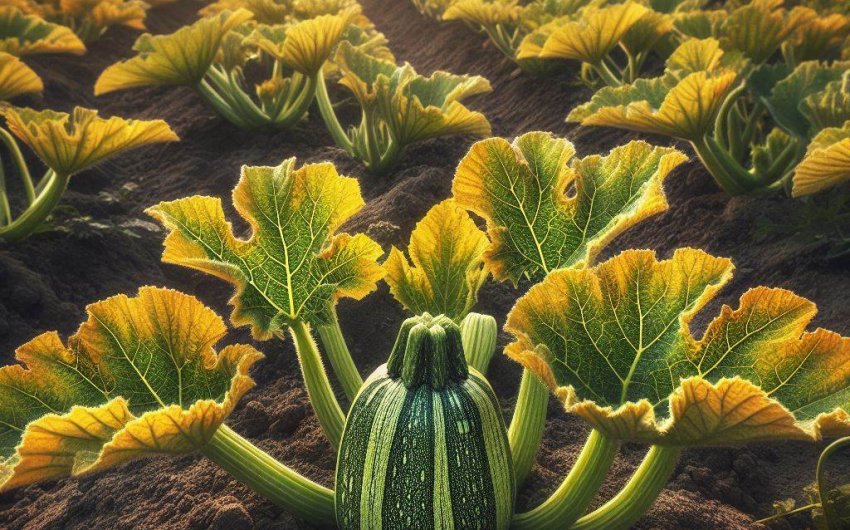
There's nothing quite like the thrill of watching your zucchini plants grow, spreading their large leaves and promising an abundant summer harvest. But sometimes, a disheartening sight appears: the vibrant green leaves or even the young zucchini fruit themselves start to turn yellow. This common problem can be a frustrating puzzle for any gardener, signaling that your beloved zucchini plants are in distress.
Don't panic! Yellowing leaves or fruit on your zucchini plants are usually a sign that something isn't quite right in their environment or care, but often, it's a problem you can diagnose and fix. This guide will walk you through the main reasons why your zucchini plants might be turning yellow, from common environmental factors to pests and diseases, and offer practical solutions to help you get back to a bountiful and healthy zucchini harvest.
Are My Zucchini Leaves Turning Yellow?
When zucchini leaves start to yellow, it's the plant signaling a form of stress or deficiency. The location of the yellowing (old vs. new leaves) can provide a crucial clue.
Is It a Watering Problem?
Water is life for plants, and both too much and too little can cause yellowing.
- Underwatering: Zucchini plants are very thirsty, especially when they are actively growing and producing fruit. If they don't get enough water, especially during hot, dry spells, the leaves can start to yellow, wilt, and even become crispy at the edges. This happens because the plant cannot properly transport nutrients, and its cells lose turgor (firmness due to water).
- Symptoms: Overall wilting, dull green leaves progressing to yellow, especially noticeable in hot weather.
- Solution: Check the soil moisture regularly. Stick your finger about an inch or two into the soil. If it feels dry, it's time to water. Water deeply and consistently, aiming for about 1 inch of water per week, either from rain or irrigation. Consistent deep watering encourages strong root development. A drip irrigation system can be very effective for zucchini.
- Overwatering: On the other hand, too much water can be even more damaging. When the soil is constantly soggy, the zucchini plant's roots are deprived of oxygen and essentially drown, leading to root rot. Damaged roots cannot absorb water and nutrients, causing the leaves to yellow, often starting from the veins or edges.
- Symptoms: Leaves may look pale yellow, feel soft, and sometimes the plant might also look wilted even though the soil is wet.
- Solution: Ensure your soil has excellent drainage. If your soil is heavy clay, amend it with plenty of organic matter like compost to improve aeration. Water less frequently, allowing the top few inches of soil to dry out between waterings. Raised beds can significantly help with drainage.
Could It Be a Nutrient Deficiency?
Zucchini plants are heavy feeders and require a balanced diet of nutrients. Yellowing often points to a specific hunger.
- Nitrogen Deficiency: Nitrogen is vital for lush, green, leafy growth. If your zucchini plant is lacking nitrogen, older leaves (at the base of the plant) will typically turn uniformly yellow first, while new growth might appear pale green and stunted.
- Solution: Amend your soil with nitrogen-rich compost or apply a balanced liquid fertilizer with a higher nitrogen content (e.g., 20-5-5 NPK ratio). Follow product instructions carefully to avoid over-fertilizing. You can use an organic nitrogen fertilizer.
- Magnesium Deficiency: This common deficiency can cause interveinal chlorosis, where the areas between the veins of the leaves turn yellow, while the veins themselves remain green. This usually starts on older leaves.
- Solution: Apply Epsom salts (magnesium sulfate) as a foliar spray (1 tablespoon per gallon of water) for a quick absorption, or sprinkle around the base of the plant.
- Iron Deficiency: Similar to magnesium, iron deficiency also causes interveinal chlorosis, but it typically appears on newer, younger leaves first. This is common in alkaline (high pH) soils where iron is present but unavailable to the plant.
- Solution: Test your soil pH using a soil testing kit. For alkaline soils, you might need to lower the pH by adding elemental sulfur or sphagnum peat moss. For a quick fix, apply a chelated iron supplement directly to the leaves (foliar spray).
Are Pests or Diseases Causing It?
These culprits can weaken plants and cause yellowing.
- Squash Vine Borers: These are notorious for killing zucchini plants. The adult moth lays eggs on the stems. The larvae hatch and bore into the stem, feeding from the inside and blocking water and nutrient flow.
- Symptoms: Sudden, rapid wilting of a single vine or the entire plant, often accompanied by yellowing leaves. You might see "frass" (sawdust-like excrement) near a hole in the stem base.
- Solution: Prevention is key: wrap stems with foil or pantyhose when young. For active infestation, try to slit the stem and remove the borer, then bury the stem to encourage new roots. You can find garden insect netting to deter moths.
- Squash Bugs: These shield-shaped bugs suck sap from leaves and stems, causing them to yellow, wilt, and eventually turn black and crispy. They lay distinctive bronze, oval eggs on the undersides of leaves.
- Symptoms: Yellowing, stippling (tiny dots), and wilting of leaves, leading to eventual browning and death.
- Solution: Handpick adult bugs and eggs from the leaves and drop them into soapy water. Use row covers early in the season. For severe infestations, use insecticidal soap or neem oil.
- Spider Mites: Tiny, almost invisible arachnids that suck sap, causing yellow stippling on leaves. Fine webbing may be visible on the undersides of leaves in severe infestations.
- Symptoms: Tiny yellow or white dots on leaves, leading to overall yellowing and bronzing.
- Solution: Increase humidity around plants (they hate moisture). Spray vigorously with water, insecticidal soap, or neem oil, focusing on the undersides of leaves.
- Powdery Mildew: A common fungal disease that appears as white, powdery patches on the upper surface of leaves. Over time, affected leaves turn yellow, then brown and crispy.
- Symptoms: White powdery spots, leading to yellowing and crisping leaves.
- Solution: Improve air circulation by proper spacing and pruning. Water at the base. Spray with a homemade solution of baking soda (1 teaspoon baking soda to 1 quart of water with a few drops of dish soap) or an organic fungicide approved for powdery mildew. Choose resistant varieties.
- Downy Mildew: Appears as angular yellow spots on the upper leaf surface, with fuzzy gray or purple mold on the underside.
- Symptoms: Angular yellow spots on upper surface, fuzzy mold on underside.
- Solution: Not easily curable once present. Focus on prevention through good air circulation, avoiding overhead watering, and choosing resistant varieties. Remove infected plants.
- Mosaic Virus: Causes mottled yellow and green patterns on leaves, often with distortion, blistering, or stunted growth.
- Symptoms: Mottled yellow/green patterns, distorted leaves, stunted growth.
- Solution: No cure. Remove and destroy (do not compost!) infected plants immediately to prevent spread. Control sap-sucking insects that transmit viruses (e.g., aphids).
Why Are My Young Zucchini Fruits Turning Yellow and Falling Off?
It's disheartening to see tiny zucchini shrivel and die. This is often a different issue than just leaf yellowing.
Is It a Pollination Problem?
Poor pollination is the most common reason for zucchini fruit abortion.
- Male vs. Female Flowers: Zucchini plants produce two types of flowers:
- Male flowers: Appear first, often on long, thin stalks, and do not have a swollen base. They produce pollen.
- Female flowers: Have a tiny, swollen "baby zucchini" at their base, just behind the petals. These are the ones that will develop into full-sized zucchini if pollinated.
- How Pollination Happens: For a female zucchini flower to develop into a fruit, pollen from a male flower needs to be transferred to the stigma (the sticky, central part) of the female flower. This is usually done by bees or other pollinators. If the female flower is not pollinated within a day or two of opening, the tiny zucchini will yellow from the blossom end, shrivel, and fall off.
- Symptoms of Poor Pollination: You'll see the small zucchini fruit start to yellow and shrink at the blossom end soon after the flower closes, usually within a few days. The fruit often feels soft and might even have mold.
- Solution:
- Attract Pollinators: Plant pollinator-friendly flowers (like marigolds, zinnias, borage) near your zucchini plants. Avoid using broad-spectrum pesticides that harm bees.
- Hand Pollination: If you don't see many bees or if the weather is rainy/cloudy, you can hand pollinate your zucchini plants. Identify a fresh, open male flower and a fresh, open female flower. Gently pluck the male flower, remove its petals to expose the stamen (the pollen-producing part), and then carefully brush the pollen onto the stigma of the female flower. Do this early in the morning when the flowers are open. A small paintbrush for hand pollination can also be used.
Is the Plant Under Stress?
A stressed plant may not have the energy to support all its developing fruit.
- Too Many Fruit: A single zucchini plant can only support so many fruits. If the plant is trying to develop too many zucchini at once, it might abort some of the smaller ones, especially if it's already under environmental stress.
- Solution: While zucchini are prolific, if you see excessive fruit abortion, ensure the plant is otherwise healthy and well-fed.
- Nutrient Imbalance: While yellow leaves often point to nitrogen issues, aborting fruits can indicate a deficiency in other nutrients crucial for fruit development, such as phosphorus or potassium.
- Solution: Ensure your fertilizer is balanced, especially as the plant starts setting fruit. Fertilizers with higher phosphorus and potassium (e.g., 5-10-10 NPK) are good for fruiting plants. A good vegetable garden fertilizer should have these.
- Extreme Temperatures: Very hot or very cold temperatures can stress zucchini plants, leading to flower or fruit drop. This can also affect pollination.
- Solution: Provide temporary shade during extreme heat with shade cloth. Ensure consistent watering during hot spells.
What Are General Tips for Healthy Zucchini Plants?
Prevention is always better than cure! Here are some general practices to keep your zucchini plants happy and productive.
Proper Soil and Planting
Getting the foundation right is crucial.
- Rich, Well-Draining Soil: Zucchini are heavy feeders and love rich, fertile, well-draining soil. Amend your soil with plenty of compost or well-rotted manure before planting. This provides essential nutrients and improves soil structure.
- Full Sun: Zucchini plants need at least 6-8 hours of direct sunlight per day to produce well. Choose the sunniest spot in your garden.
- Spacing: Give your zucchini plants plenty of room to spread. Overcrowding can lead to poor air circulation, making plants more susceptible to diseases like powdery mildew. Consult your seed packet for specific spacing.
Consistent Watering
This cannot be stressed enough for zucchini.
- Deep and Regular: Aim for deep watering 1-3 times per week, depending on your climate and soil type. This encourages deep root growth. Avoid light, frequent sprinkles, which only wet the surface.
- Water at the Base: Always water the soil at the base of the plant, rather than overhead. Wet leaves can encourage fungal diseases, especially powdery mildew. A soaker hose is excellent for this.
- Mulching: Apply a 2-4 inch layer of organic mulch (like straw, shredded leaves, or chemical-free wood chips) around your zucchini plants. Mulch helps retain soil moisture, suppress weeds, and regulate soil temperature.
Fertilization Schedule
Feed your zucchini what they need, when they need it.
- Early Growth: When plants are young, a balanced fertilizer or one slightly higher in nitrogen can promote initial leafy growth.
- Flowering and Fruiting: Once flowers appear and fruits begin to set, switch to a fertilizer higher in phosphorus and potassium. These nutrients are crucial for flowering, fruit set, and overall fruit quality.
- Soil Testing: The best way to know what your soil needs is to perform a soil test every few years. This will give you specific recommendations for your garden.
Pest and Disease Management
Stay vigilant to catch problems early.
- Regular Inspection: Routinely inspect the tops and undersides of your zucchini leaves for any signs of pests (aphids, squash bugs, spider mites) or diseases (powdery mildew, downy mildew). Early detection makes problems much easier to manage.
- Good Airflow: As mentioned, proper spacing helps. You can also carefully prune some inner, non-producing leaves to improve air circulation within the canopy, especially in humid conditions.
- Crop Rotation: If you've had disease issues in the past, rotate your cucurbit crops (zucchini, pumpkins, squash, cucumbers, melons) to a different part of the garden each year. This helps prevent diseases from building up in the soil.
- Cleanliness: Remove any diseased leaves or plant parts promptly and dispose of them away from the garden to prevent spread.
Seeing your zucchini plants turning yellow can be a worrying sign, but by understanding the common causes – whether it's watering woes, nutrient needs, or pesky pests and diseases – you can usually take action to help your plants recover. With consistent care, good cultural practices, and a keen eye, you'll be well on your way to a thriving zucchini patch and a bountiful summer harvest!