
How to Treat Leaf Curl in Citrus Trees Naturally?
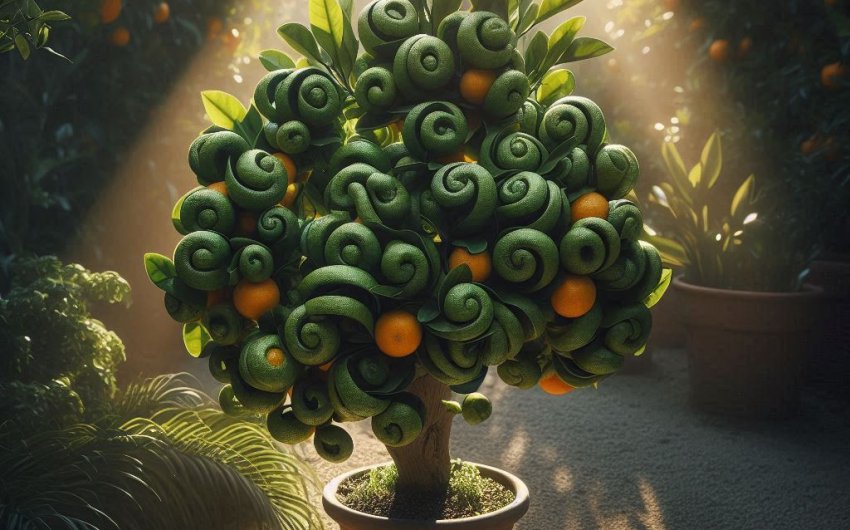
The sight of fresh, vibrant green leaves on a citrus tree is a gardener's delight, promising juicy fruits and fragrant blossoms. However, finding those leaves curled, distorted, or discolored can be a sign of underlying problems that need attention. Leaf curl in citrus trees is a common issue, often indicating a pest infestation, nutrient deficiency, or environmental stress. While chemical treatments are available, many gardeners prefer a more eco-friendly approach. Understanding how to treat leaf curl in citrus trees naturally involves identifying the root cause and implementing organic strategies to restore your tree's health and vitality. This guide explores the various reasons for leaf curl and provides practical, natural solutions to get your citrus back on track.
Why Do Citrus Leaves Curl? Understanding the Causes
Before you can effectively treat leaf curl in citrus trees, you need to play detective and figure out what's causing it. Leaf curl isn't a single disease; it's a symptom that points to several potential issues.
Pest Infestations: The Most Common Culprits
The vast majority of leaf curl issues in citrus are caused by tiny, sap-sucking insects that feed on new, tender growth, causing the leaves to distort as they develop.
- Aphids: These small, pear-shaped insects are often green, black, or orange. They cluster on new shoots and the undersides of young leaves, sucking out plant sap. As they feed, they excrete a sticky substance called honeydew. Their feeding causes leaves to curl downwards and inward, becoming distorted.
- Citrus Leaf Miners: These are tiny moth larvae that tunnel within the leaf tissue, creating distinctive silvery, squiggly trails. Their feeding activity causes leaves to curl, crumple, and distort, often with a silvery sheen on the underside. New leaves are particularly vulnerable.
- Scale Insects: Small, immobile pests that appear as raised bumps on stems and the undersides of leaves. They suck sap, leading to yellowing and curling leaves, and also produce honeydew.
- Mealybugs: Soft-bodied, white, cottony insects that feed in crevices and on leaf undersides, causing wilting, yellowing, and leaf curl.
- Spider Mites: Tiny arachnids that are difficult to see with the naked eye. They cause speckling (tiny white dots) on leaves, followed by yellowing, bronzing, and downward curling. In severe infestations, you might see fine webbing on the undersides of leaves or between branches.
Environmental Stress: Water, Temperature, and Wind
Citrus trees are sensitive to their environment. Extreme or inconsistent conditions can also lead to leaf curl.
- Underwatering: When a citrus tree doesn't get enough water, its leaves curl inward or upward as a self-preservation mechanism to reduce water loss (transpiration). The leaves may also feel crispy.
- Overwatering: Too much water can lead to root rot, which prevents the roots from absorbing water and nutrients effectively. This can ironically cause symptoms similar to underwatering, including wilting and curling leaves, often accompanied by yellowing. The soil will remain consistently soggy.
- Extreme Temperatures:
- Cold Stress: Sudden drops in temperature, or frost damage, can cause leaves to curl inward and become brittle, sometimes turning purplish or brown.
- Heat Stress: Intense heat and strong, direct sun can cause leaves to curl downward or cup to protect themselves from excessive light and reduce water loss.
- Wind Burn: Strong, dry winds can cause leaves to curl and dry out, especially on newly planted or exposed trees.
Nutrient Deficiencies: Missing Essential Elements
While less common than pests or environmental stress for widespread curling, specific nutrient deficiencies can also lead to distorted or curled leaves.
- Calcium Deficiency: Can cause new leaves to emerge distorted, curled, or stunted.
- Boron Deficiency: Can result in thick, leathery, and curled leaves, often with some discoloration.
- Nitrogen Deficiency: While primarily causing overall yellowing of older leaves, severe nitrogen deficiency can weaken growth and make leaves more prone to general distortion.
Fungal Diseases: Less Common, But Possible
Though rare, some fungal diseases can cause leaf curl on citrus.
- Citrus Scab: While primarily causing raised, warty lesions on leaves and fruit, severe infection can lead to leaf distortion and curling.
- Fungicides are sometimes used for fungal diseases, but natural treatment relies heavily on cultural control.
How to Naturally Treat Pest-Induced Leaf Curl?
Once you've identified pests as the cause of your citrus leaf curl, there are several effective natural treatments to eradicate them and protect your tree.
Manual Removal and Pruning
- Hand Picking: For small infestations of aphids or visible scale insects, you can simply pick them off the leaves or gently wipe them away with a damp cloth or cotton swab dipped in rubbing alcohol.
- Strong Water Spray: A strong jet of water from a hose can dislodge aphids and spider mites from leaves. Repeat every few days until the infestation is under control. Focus on the undersides of leaves. A hose-end sprayer with adjustable nozzle can be very useful here.
- Pruning Infested Branches: For heavily infested or severely curled leaves, especially those affected by citrus leaf miners (as their damage is irreversible), prune off the affected leaves or branches. Dispose of them immediately in the trash, not your compost, to prevent the pests from spreading. Disinfect your pruning shears after each cut to avoid spreading disease.
Organic Sprays for Pest Control
These natural sprays are effective against a wide range of sap-sucking pests without harming beneficial insects when used correctly.
- Neem Oil Spray: Neem oil is a natural insecticide and fungicide derived from the neem tree. It works by disrupting insect feeding, growth, and reproduction.
- Application: Mix neem oil concentrate with water according to package directions. Spray all surfaces of the affected citrus tree, including the undersides of leaves, until thoroughly wet.
- Frequency: Apply every 7-10 days until the pests are gone. Apply in the early morning or late evening to avoid harming beneficial insects that are active during the day.
- Insecticidal Soap: Insecticidal soap works by smothering soft-bodied insects like aphids, mealybugs, and spider mites.
- Application: Purchase a ready-to-use insecticidal soap spray or mix your own using mild liquid dish soap (avoid detergents with degreasers) at a rate of 1-2 teaspoons per gallon of water. Spray thoroughly, ensuring full coverage of pests.
- Frequency: Repeat every 4-7 days as needed. It only works on contact, so reapplication is important for new hatching pests.
- Horticultural Oil (Dormant or Summer Oil): These highly refined petroleum-based oils smother pests and their eggs.
- Application: Apply according to label directions. Dormant oil is applied in late winter/early spring when trees are still dormant to kill overwintering eggs. Summer oils are lighter and can be used during the growing season. They are effective against scale, mites, and aphids.
- Caution: Always read the label carefully, as some citrus varieties can be sensitive to horticultural oils, especially in hot temperatures.
Beneficial Insects: Natural Predators
Biological control is a powerful natural way to treat pests in your garden.
- Ladybugs: Both adult ladybugs and their larvae are voracious predators of aphids. You can purchase live ladybugs and release them in your garden.
- Lacewings: Lacewing larvae are also excellent predators of aphids, mealybugs, and spider mites.
- Encourage Natural Predators: Create a diverse garden ecosystem by planting flowering plants that attract beneficial insects, such as dill, fennel, calendula, and sweet alyssum. Avoid broad-spectrum pesticides that can harm these helpful predators.
How to Naturally Treat Environmental-Induced Leaf Curl?
Addressing environmental stressors is key to preventing and resolving leaf curl caused by non-pest factors.
Proper Watering Practices
Consistent and appropriate watering is vital for citrus trees.
- Deep Watering: Water deeply and thoroughly when the top 2-3 inches of soil feel dry. This encourages deep root growth.
- Check Soil Moisture: Don't water on a set schedule. Instead, check the soil moisture. You can use your finger or a moisture meter to determine when your tree needs water.
- Drainage: Ensure your citrus tree (especially if potted) has excellent drainage. Overwatering in poorly draining soil leads to root rot. If planting in the ground, ensure the site drains well; if in a pot, use a potting mix for citrus and a pot with ample drainage holes.
Temperature Management
- Protect from Cold: In colder climates, protect citrus trees from frost. For potted trees, bring them indoors or move them to a sheltered location (garage, greenhouse). For in-ground trees, cover them with frost cloths or blankets when temperatures drop. Consider planting them in a sheltered spot, close to a south-facing wall.
- Protect from Extreme Heat: In very hot climates, provide some afternoon shade for young or newly planted citrus trees. You can use shade cloth during heat waves. Ensure consistent watering during hot periods to prevent heat stress.
Wind Protection
- Sheltered Location: Plant citrus trees in a location sheltered from strong, persistent winds.
- Windbreaks: If your area is very windy, consider planting windbreaks (taller shrubs or fences) around your citrus trees to protect them.
How to Naturally Treat Nutrient Deficiency Leaf Curl?
If your citrus leaves are curling due to a nutrient deficiency, a soil test is your best friend. This allows for targeted and natural amendments.
Perform a Soil Test
- Identify Deficiencies: A soil test is the most accurate way to determine which nutrients are lacking in your soil and what its pH is. You can purchase a soil test kit or send a sample to your local cooperative extension office.
- pH Importance: The soil pH directly affects how well your citrus tree can absorb available nutrients. Citrus generally prefers slightly acidic to neutral soil (pH 6.0-7.0). If your pH is off, nutrients may be present but unavailable to the plant, leading to deficiency symptoms.
Natural Soil Amendments
Based on your soil test results, you can naturally amend your soil:
- Compost: Regularly incorporating a generous layer of finished compost or well-rotted manure improves overall soil fertility, structure, and water retention, providing a wide range of essential nutrients over time.
- Calcium: If calcium deficiency is indicated, amend the soil with natural sources like bone meal, crushed eggshells, or gypsum.
- Boron: Boron deficiency is less common and should be corrected carefully, as too much boron can be toxic. If indicated by a soil test, very small amounts of borax can be mixed into the soil or applied as a foliar spray (follow very specific instructions for dilution).
- Nitrogen: For nitrogen deficiency, natural sources include blood meal, alfalfa meal, or more compost/manure.
Epsom Salts (Magnesium Sulfate)
While often promoted for many plant issues, Epsom salts specifically provide magnesium and sulfur.
- For Magnesium Deficiency: If your citrus tree shows yellowing between leaf veins (chlorosis), which can sometimes be accompanied by some curling, it might indicate a magnesium deficiency.
- Application: Dissolve 1-2 tablespoons of Epsom salts in a gallon of water and water your tree with this solution once a month during the growing season. Or, lightly sprinkle around the drip line and water in.
What Are Overall Natural Care Practices for Healthy Citrus Trees?
Beyond specific treatments, maintaining overall plant health through good cultural practices is the best long-term strategy for preventing leaf curl and other issues in citrus trees.
Proper Fertilization Schedule
Even with natural amendments, citrus trees are heavy feeders and benefit from a regular feeding schedule.
- Citrus-Specific Fertilizer: Use a slow-release, balanced citrus fertilizer that contains micronutrients like iron, zinc, and manganese, which are crucial for healthy citrus leaves.
- Frequency: Fertilize according to the product's instructions, typically every 1-3 months during the active growing season (spring through fall). Reduce or stop fertilizing in winter when growth slows.
Regular Pruning
- Air Circulation: Prune your citrus tree annually to remove dead, diseased, or crossing branches. This improves air circulation within the canopy, which helps leaves dry more quickly and reduces the risk of fungal issues and makes it harder for pests to hide.
- Remove Suckers: Remove any suckers (shoots growing from the rootstock below the graft union) as they emerge, as these can divert energy from the main tree.
- Pest/Disease Control: As mentioned earlier, prune off severely infested or diseased leaves/branches immediately.
Pest Monitoring and Early Detection
- Inspect Regularly: Make a habit of inspecting your citrus trees regularly, especially the undersides of new leaves and shoots. The earlier you detect a pest infestation, the easier it is to control naturally.
- Honeydew Check: Look for sticky honeydew on leaves or ants crawling on the tree (ants often "farm" sap-sucking insects like aphids and scale).
Encourage Beneficial Insects
- Plant Diversity: Plant a variety of flowering plants around your citrus tree that attract beneficial insects, such as ladybugs, lacewings, and parasitic wasps. Herbs like dill, cilantro, and parsley, and flowers like marigolds and sweet alyssum are great choices.
- Avoid Broad-Spectrum Pesticides: These chemicals kill beneficial insects along with pests, disrupting the natural balance in your garden and often leading to a rebound of pest populations.
Mulching Around the Base
- Benefits: Apply a 2-4 inch layer of organic mulch (like wood chips or shredded bark) around the base of your citrus tree, keeping it a few inches away from the trunk. This helps:
- Retain soil moisture (reducing watering frequency and stress).
- Regulate soil temperature.
- Suppress weeds that compete for nutrients.
- Slowly add organic matter to the soil as it decomposes.
Choose the Right Location
- Sunlight: Ensure your citrus tree receives full sun (at least 6-8 hours of direct sunlight) for optimal health and vigor.
- Drainage: Plant in a location with well-draining soil. If your soil is heavy clay, amend it deeply with compost to improve drainage.
By combining proper identification of the problem with consistent natural care, you can effectively treat leaf curl in citrus trees naturally and ensure your beloved trees remain healthy, productive, and beautiful for years to come.