
What Causes Wilting in Newly Transplanted Plants?
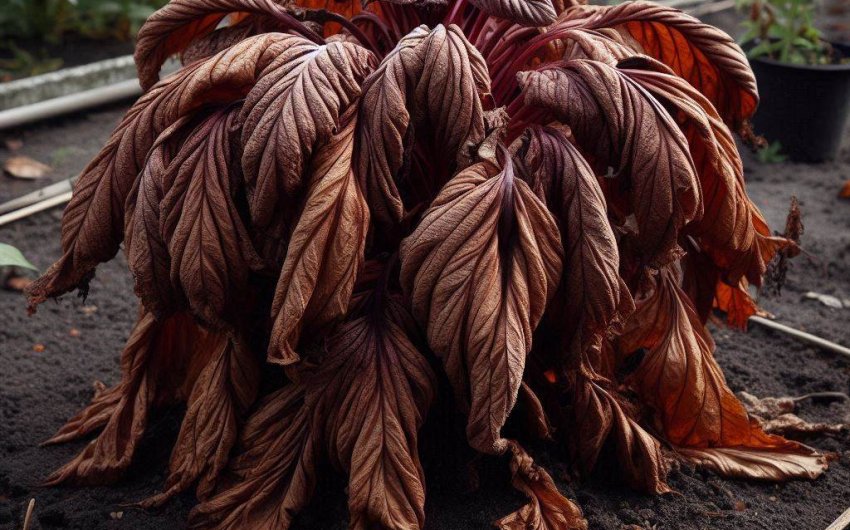
Many gardeners experience the stress of wilting in their newly transplanted plants. This problem can be frustrating when you have put time and care into moving your plant to a new spot in your garden or pot. Wilting occurs when a plant is not receiving the proper support from its soil, water, and environment. In this blog, we explore the many factors that cause wilting in newly transplanted plants and offer detailed guidance to help you fix the problem.
Understanding Wilting in Transplanted Plants
When a plant wilts, it loses turgor pressure, which is the force within the cells that keeps it firm and upright. A lack of water or damage to the roots can cause a plant to droop. In many cases, wilting is a sign of transplant shock, a temporary setback that occurs when a plant is moved from one environment to another.
Transplant shock can result from many stress factors including differences in soil moisture, temperature, light, and even the physical disturbance of the root system during transplantation. It is important to recognize that wilting is not always an indication of a dying plant. Instead, it is a signal that the plant is under stress and needs extra care during the adjustment period.
Causes of Wilting in Newly Transplanted Plants
Several factors can lead to wilting after transplanting. Understanding these causes is the first step in correcting the issue. The most common causes include:
- Water Stress: Both overwatering and underwatering can stress a plant.
- Transplant Shock: The disturbance of the root system during transplanting can lead to temporary wilting.
- Soil Quality and Drainage: Poor soil structure or inadequate drainage can limit a plant’s ability to take up water.
- Temperature Extremes: Sudden changes in temperature or exposure to harsh sunlight can cause a plant to wilt.
- Pest Infestation and Disease: Pests and pathogens can damage the roots and leaves of a plant, leading to wilting.
- Nutrient Deficiencies: A lack of essential nutrients may weaken a plant, making it more prone to stress.
Each of these causes can interact with the others. For example, a plant that is overwatered may suffer from poor soil drainage, which in turn exacerbates transplant shock and makes it more vulnerable to disease.
Water Stress: Overwatering vs. Underwatering
One of the most common culprits behind wilting in newly transplanted plants is improper watering. Water stress can come from both overwatering and underwatering.
Overwatering
Overwatering can saturate the soil and suffocate the roots. When too much water fills the soil, the air pockets that the roots need to breathe disappear. This condition can lead to root rot, which in turn causes the plant to wilt and become weak.
- Use a watering can with a fine spout to control the flow of water.
- Ensure that your plant pot or garden bed has adequate drainage holes.
- Check the soil moisture with a moisture meter to determine if the soil is too wet before watering again.
Underwatering
Underwatering causes a plant to become dehydrated. When a plant does not get enough water, its cells lose turgor, and the leaves droop. In the heat of the day, newly transplanted plants that are underwatered will wilt quickly.
- Water the plant thoroughly so that water reaches the root system.
- Use a watering can that delivers water slowly and evenly.
- Regularly check the soil moisture using a moisture meter to ensure the plant receives adequate water without being oversaturated.
Transplant Shock and Root Disturbance
Transplant shock is a natural response when a plant is moved from one location to another. The process of transplanting can disturb the root system, leading to wilting and slower growth as the plant adapts to its new environment.
Signs of Transplant Shock
- Wilting that does not improve with watering.
- Drooping leaves that may appear yellow or brown.
- Stunted growth and delayed new shoots.
- A general lack of vigor in the plant.
Minimizing Transplant Shock
- Water the plant thoroughly before and after transplanting to reduce stress.
- Handle the plant gently to minimize damage to the roots. Use gloves and trowels when moving the plant.
- Plant the plant at the same depth as it was in its original pot or bed.
- Use a high-quality potting mix that is rich in organic matter to support root recovery.
- Consider using a root stimulant to help the roots recover faster.
Soil Quality and Drainage Issues
The soil is the foundation for any plant. When newly transplanted plants are moved into soil that does not provide adequate drainage or is lacking in nutrients, the plant may start to wilt.
Importance of Proper Soil
- Soil texture plays a major role in how water is absorbed and held.
- Loamy soil is ideal for most plants because it offers a balance of water retention and drainage.
- If the soil is too clayey, it may hold too much water, leading to root rot.
- If the soil is too sandy, it may not retain enough water, leading to underwatering.
Improving Soil Conditions
- Amend the soil with compost to improve its structure and nutrient content.
- Add perlite or vermiculite to enhance drainage.
- Choose a well-draining potting mix if you are planting in containers.
- Regularly check the soil for compaction. Use a fork to gently loosen the soil around the plant.
Temperature Extremes and Environmental Stress
Temperature and other environmental conditions have a profound effect on the health of newly transplanted plants. Sudden changes in temperature or prolonged exposure to extreme heat or cold can cause a plant to wilt.
Heat Stress
- High temperatures increase evaporation from the soil, leading to water stress.
- Heat can also damage the cells in the leaves, causing them to crisp and turn brown.
- In hot weather, provide shade for your plant with a shade cloth.
Cold Stress
- Cold drafts or exposure to freezing temperatures can shock the plant.
- Newly transplanted plants are especially vulnerable because their root systems are still adjusting.
- Use frost cloth or mulch to help protect your plant during sudden temperature drops.
Wind and Physical Stress
- Strong wind can cause mechanical damage to newly transplanted plants.
- Wind may also increase evaporation from the soil, compounding water stress.
- Protect your plant with a windbreak or by placing it in a sheltered area.
Pest Infestation and Disease
Pests and diseases can be hidden factors that lead to wilting in newly transplanted plants. The stress from transplantation may make a plant more vulnerable to attacks from insects and pathogens.
Common Pests
- Aphids, whiteflies, and spider mites can infest the leaves and stems.
- These pests sap nutrients from the plant and weaken it further.
Dealing with Pests
- Inspect your plant frequently for any signs of pest activity.
- Use a gentle insecticidal soap or neem oil to treat infestations.
- Prune off severely affected leaves to prevent the spread of pests.
Disease Management
- Fungal infections such as damping-off can occur in overly wet soil.
- Bacterial diseases may also attack newly transplanted plants if their roots are damaged.
- Remove any infected plant material and treat with a fungicide if necessary.
- Ensure good air circulation around your plant to reduce disease risk.
Nutrient Deficiencies and Fertilization Practices
While nutrient deficiencies are not always the primary cause of wilting in newly transplanted plants, they can exacerbate the problem. When the soil lacks essential nutrients such as nitrogen, phosphorus, and potassium, the plant may struggle to recover from transplant shock.
Recognizing Nutrient Deficiencies
- Yellowing leaves or stunted growth may indicate a lack of nutrients.
- Wilting combined with a pale color is often a sign of nitrogen deficiency.
Correcting Nutrient Deficiencies
- Apply a balanced liquid fertilizer that is designed for newly transplanted plants.
- Follow the recommended dosage to avoid overfertilizing.
- Use a fertilizer spreader for even application on larger garden beds.
The Role of Transplanting Techniques
The methods used during the transplant process play a vital role in determining whether a plant will wilt. Careful handling during transplanting can minimize root disturbance and reduce the severity of transplant shock.
Proper Transplanting Techniques
- Water the plant well before transplanting to reduce stress.
- Dig a hole that is slightly larger than the plant’s root ball.
- Gently remove the plant from its old container, being careful not to damage the roots.
- Place the plant into the new hole at the same depth it was previously growing.
- Backfill with high-quality potting mix and firm gently around the plant to remove air pockets.
- Water the plant immediately after transplanting to settle the soil.
Post-Transplant Care
- Keep the plant in a sheltered, shaded area for a few days to help it adjust.
- Protect the plant from direct sunlight until it recovers from transplant shock.
- Monitor the soil moisture closely and water only when needed.
- Consider using a root stimulator to help encourage root recovery.
Environmental Adjustments for Newly Transplanted Plants
The immediate environment around your newly transplanted plants can either help or hinder their recovery. Adjusting the environment to match the plant’s needs is crucial.
Adjusting Light Conditions
- Ensure your plant receives bright, indirect light.
- If your plant is exposed to intense direct sunlight, use a shade cloth to filter the light.
- For indoor transplants, supplement natural light with a grow light to provide consistent illumination.
Managing Humidity
- Newly transplanted plants often suffer in low humidity environments.
- Increase the humidity by placing a humidifier nearby or setting the plant on a pebble tray with water.
- Misting the plant leaves regularly with a spray bottle can also help maintain adequate moisture in the air.
Temperature Control
- Keep the environment stable. Avoid sudden temperature drops or spikes.
- Use a room thermometer to monitor the temperature.
- Protect the plant from cold drafts or excessive heat by choosing a sheltered location.
Physical Damage and Handling Errors
Sometimes, wilting is not directly related to water stress or transplant shock, but rather to physical damage incurred during the transplanting process.
Handling Errors
- Rough handling can bruise the plant’s stems and leaves.
- Damaged roots are less effective at absorbing water and nutrients.
- Always use clean, sharp pruning shears and trowels when working with plants.
Preventing Physical Damage
- Handle plants gently and support the root ball when moving them.
- Avoid pulling or tugging on the plant.
- Use a plant support if necessary to prevent the plant from falling over during transplanting.
Nutrient Uptake and Fertilizer Application
A plant’s ability to absorb nutrients from the soil is critical for its recovery. After transplanting, the root system may be weakened, affecting nutrient uptake.
Fertilizer Considerations
- Use a balanced liquid fertilizer that is gentle on newly transplanted plants.
- Avoid heavy nitrogen fertilizers immediately after transplanting, as they can burn the roots.
- Apply fertilizer sparingly during the initial recovery period.
Enhancing Nutrient Uptake
- Incorporate organic matter such as compost into the soil.
- Use a soil test kit to check the soil’s pH and nutrient levels.
- Adjust the potting mix as needed based on the test results.
Practical Aftercare Tips for Newly Transplanted Plants
After transplanting, care for your plant with these practical tips to reduce wilting and encourage healthy growth:
- Water Immediately: After transplanting, water the plant well to settle the soil around the roots.
- Monitor Closely: Check the plant daily for signs of wilting and adjust your care routine as needed.
- Use Mulch: Apply a thin layer of mulch around the base of the plant to retain soil moisture.
- Support the Plant: Use stakes or a cage to help stabilize the plant as it recovers.
- Acclimate Gradually: If you are moving a plant from indoors to outdoors, gradually increase its exposure to the natural environment over a week or two.
Common Mistakes That Lead to Wilting
Avoid these common mistakes to help your newly transplanted plants thrive:
- Inconsistent Watering: Both under- and overwatering can cause wilting.
- Ignoring Drainage: Using soil that does not drain well traps too much water.
- Improper Transplanting Techniques: Rushing the transplant process can damage the root system.
- Neglecting Environmental Conditions: Failing to adjust for temperature, light, and humidity differences between locations.
- Overfertilizing: Too much fertilizer can stress the plant and lead to wilting.
Monitoring and Troubleshooting Wilting
Regular monitoring of your newly transplanted plants is key to early detection of wilting. Use these steps to troubleshoot and correct issues as they arise:
- Daily Inspections: Check the leaves and stems for signs of wilting or stress.
- Soil Moisture Checks: Use a moisture meter to measure soil moisture regularly.
- Temperature Monitoring: Use a room thermometer to ensure the environment is stable.
- Visual Assessments: Look for changes in leaf color, texture, and overall plant vigor.
- Record Observations: Keep a journal of your plant care activities. This record can help you identify patterns and make adjustments quickly.
Tools and Supplies to Aid in Transplant Recovery
Having the right tools and supplies on hand can make a big difference in managing wilting in newly transplanted plants. Consider the following:
- Watering can: For controlled watering.
- Moisture meter: To check soil moisture levels.
- Plant pot: With proper drainage holes.
- Potting mix: A high-quality mix that supports root growth.
- Mulch: To help retain soil moisture.
- Fertilizer: A balanced formula suitable for new transplants.
- Shade cloth: To protect plants from harsh sunlight.
- Windbreak: If your garden is exposed to strong wind.
- Root stimulator: To encourage root recovery after transplanting.
Adapting Your Care Routine Over Time
A flexible care routine is essential for the long-term success of your newly transplanted plants. Conditions change over time, and your plant care practices should adapt accordingly.
- Seasonal Adjustments: Be aware that temperature and humidity levels will change with the seasons. Adjust your watering and fertilizing schedules to suit these changes.
- Observation and Feedback: Regularly observe your plant’s response to your care routine. If wilting persists, revisit each potential cause and make small adjustments.
- Progressive Changes: Implement changes gradually. Sudden changes in care routines can stress the plant further.
- Record Keeping: Maintain a garden journal to track what works best for your new transplants. Document watering, light exposure, and any environmental adjustments you make.
Environmental Influences and Their Effects on Transplanted Plants
Beyond the immediate care practices, the broader environment can influence the success of your newly transplanted plants.
Light Intensity and Duration
- Direct sunlight is vital for many plants, but excessive exposure right after transplanting can be harmful.
- Use a grow light indoors if natural sunlight is insufficient.
- Adjust the placement of your plant so that it receives bright, indirect light during the first few days after transplanting.
Air Quality and Circulation
- Good air circulation helps reduce the risk of disease and ensures that the plant gets enough oxygen.
- In a confined space, a small fan can improve air flow.
- Avoid placing newly transplanted plants near sources of pollution or dust that could stress the plant.
Humidity Levels
- Low humidity can cause wilting even if the plant is watered properly.
- Using a humidifier or setting your plant on a pebble tray with water can help maintain moisture in the air.
- Monitor indoor humidity levels with a hygrometer to ensure they remain within an optimal range.
Troubleshooting Persistent Wilting
Sometimes, despite your best efforts, wilting continues. When this happens, it is time to troubleshoot further.
Reassessing Watering Techniques
- Verify that you are neither overwatering nor underwatering.
- Use a moisture meter to check the soil moisture regularly.
- Adjust the frequency of watering based on the plant’s response and weather conditions.
Evaluating Soil Composition
- Reevaluate the potting mix. Is it providing good drainage and nutrients?
- Consider repotting your plant if the soil is old or compacted.
- Mix in fresh compost to rejuvenate the soil.
Checking for Pests and Disease
- Examine the leaves and stems for signs of pest infestation or fungal disease.
- Treat any infestations with an insecticidal soap or a mild fungicide.
- Remove any damaged plant material to prevent the spread of disease.
Adjusting Transplant Techniques for Future Success
Learning from experience is key to preventing wilting in future transplants. Reflect on your recent transplant process and consider the following adjustments:
- Pre-Transplant Preparation: Water your plant well before transplanting to reduce shock. Use a root stimulator if necessary.
- Gentle Handling: Avoid unnecessary disturbance of the root ball during removal and replanting.
- Proper Spacing: Ensure that each plant has enough room to grow without competing for light and nutrients.
- Post-Transplant Care: After transplanting, keep the plant in a sheltered area with indirect light and stable temperature for several days.
Implementing a Long-Term Care Plan
A thoughtful long-term care plan helps prevent issues like wilting from recurring. Here are some strategies to keep your newly transplanted plants healthy over time:
- Regular Monitoring: Check your plant daily for signs of stress.
- Scheduled Watering: Develop a consistent watering schedule that adjusts for seasonal changes.
- Nutrient Management: Use a balanced liquid fertilizer during the growing season to support strong growth.
- Environmental Adjustments: Keep an eye on indoor humidity and temperature, and make changes as necessary.
- Routine Pruning: Remove any damaged or excess leaves to encourage healthier growth.
- Soil Renewal: Refresh the potting mix periodically to maintain nutrient levels and proper drainage.
Integrating Multiple Strategies for Optimal Recovery
Often, no single factor is responsible for wilting in newly transplanted plants. It is the interplay of various stressors that causes a plant to struggle. Therefore, a combination of strategies is usually required for full recovery. Consider the following integrated approach:
- Watering: Use a watering can and a moisture meter to fine-tune your watering schedule.
- Soil Management: Improve the soil with fresh compost and perlite to ensure optimal drainage.
- Light and Temperature: Adjust the light conditions using a grow light or shade cloth, and monitor temperature with a room thermometer.
- Pest Control: Keep a close watch on pest populations and treat any issues promptly with insecticidal soap.
- Post-Transplant Adjustment: Allow your plant time to adjust in a protected area, and gradually expose it to full environmental conditions.
Learning from Experience and Fine-Tuning Your Approach
Every garden is unique, and every newly transplanted plant has its own response to the stresses of moving to a new location. Over time, you will learn to recognize the early signs of wilting and adjust your techniques accordingly. Here are some tips to help you fine-tune your approach:
- Keep Detailed Records: Document the transplant date, watering schedule, fertilizer applications, and any observed changes in your plant’s condition. A garden journal can be an invaluable tool for learning what works best.
- Experiment with Different Methods: Try different watering techniques, change the potting mix composition, or adjust the planting depth to see how your plant responds.
- Consult Resources: There are many gardening books, online forums, and expert blogs that can provide additional insights and help troubleshoot persistent issues.
- Seek Peer Advice: Sometimes, sharing your experience with fellow gardeners can offer new ideas and perspectives on managing transplant shock and wilting.
Long-Term Benefits of Overcoming Wilting
Addressing wilting in newly transplanted plants not only helps your plant recover but also sets the stage for a stronger, more resilient garden overall. By learning to manage factors such as water stress, soil quality, light exposure, and environmental conditions, you build a foundation for healthy plant growth that lasts throughout the growing season.
- Stronger Plants: A well-cared-for plant will develop a more robust root system and healthier leaves.
- Increased Yields: In the case of vegetable plants like tomatoes or peppers, overcoming wilting can lead to better fruit production.
- Enhanced Resilience: Plants that recover from transplant shock are often more capable of handling future stressors, be they temperature fluctuations or minor pest attacks.
- Greater Garden Beauty: A healthy, thriving garden adds beauty and vitality to your outdoor space, creating an environment where both plants and gardeners flourish.
Integrating Care Practices for Ongoing Success
The journey of a newly transplanted plant does not end once the initial wilting is addressed. Continued care is essential to ensure that the plant not only recovers but also grows vigorously. Incorporate these practices into your daily routine:
- Daily Observations: Spend a few minutes each day checking your plant for any signs of stress. Look at the leaves, stems, and overall posture.
- Scheduled Watering: Stick to a watering schedule that suits the needs of your plant and the soil conditions. Use a moisture meter to adjust frequency.
- Regular Fertilization: Use a balanced liquid fertilizer during the growing season to supply essential nutrients.
- Environmental Monitoring: Keep track of changes in temperature, light, and humidity. Adjust your care routines as the season changes.
- Pruning and Maintenance: Remove any damaged or dead leaves promptly with clean pruning shears. This not only improves the plant’s appearance but also helps it conserve energy for new growth.
- Support and Protection: If necessary, provide physical support with stakes or cages until the plant establishes itself firmly in its new environment.
Additional Considerations for Wilting in Different Plant Types
While the focus here is on newly transplanted plants in general, different types of plants may exhibit wilting for slightly different reasons. Here are a few examples:
Flowering Plants
- Wilting in flowering plants after transplanting can sometimes be due to the stress of moving buds and flowers.
- Ensure that you handle flowers with care during the transplant process.
- Provide a gentle water supply and a stable environment to help them recover quickly.
Vegetable Plants
- Vegetable plants like tomatoes, peppers, and lettuce are particularly sensitive to transplant shock.
- Use specific vegetable fertilizers and support structures designed for vegetable gardens.
- Monitor soil moisture closely to ensure that these plants receive the right balance of water and nutrients.
Herbs
- Many herbs are resilient, but wilting in newly transplanted herbs can occur if they are exposed to too much direct sunlight too soon.
- Gradually acclimate your herbs to full sunlight and use a light shade cloth if necessary.
- Avoid overwatering, as many herbs prefer slightly drier conditions once established.
Adapting to Local Conditions and Climate
Local climate and weather patterns have a significant impact on the success of newly transplanted plants. Whether you are gardening in a hot, dry region or a cool, humid area, you must tailor your care practices accordingly.
- In hot climates, increase watering frequency and use mulch to keep the soil cool.
- In cooler climates, ensure that plants are protected from sudden frost or cold drafts by using frost cloth.
- Monitor humidity levels, especially in indoor gardens, where air conditioning or heating can drastically alter environmental conditions.
Incorporating Technology into Plant Care
Modern technology offers many tools that can help you monitor and manage the conditions that affect newly transplanted plants. Using these tools can reduce the risk of wilting and help your plants thrive.
- Soil test kits provide detailed information on nutrient levels and pH, guiding you in adjusting your soil composition.
- Smart irrigation systems can automate watering schedules based on soil moisture and weather forecasts.
- Environmental sensors can track temperature, humidity, and light intensity, alerting you to changes that might require intervention.
Exploring Case Studies and Real-Life Examples
Many gardeners have encountered wilting in their newly transplanted plants and have found effective solutions through careful observation and adjustment. Here are a few examples:
- One gardener noticed that their transplanted roses began to wilt within days. By using a moisture meter and adjusting their watering schedule, they were able to restore the plant’s vigor.
- Another gardener found that wilting in their vegetable garden was due to transplant shock. They implemented a routine of gentle handling, proper spacing, and the use of a root stimulator, which helped the plants recover faster.
- A third example involved herbs that showed signs of wilting after being moved indoors. By increasing humidity with a humidifier and providing supplemental grow light, the gardener managed to stabilize the herbs and encourage robust new growth.
Integrating Sustainable Practices into Transplant Care
Sustainability is an important aspect of modern gardening. By using eco-friendly practices, you can reduce stress on your newly transplanted plants and create a healthier environment overall.
- Use organic fertilizers that enrich the soil without harsh chemicals.
- Choose compost and organic matter to improve soil structure.
- Practice water conservation by using drip irrigation systems that deliver water directly to the plant roots.
- Recycle and reuse mulch materials to help regulate soil moisture.
Adapting to Unique Garden Conditions
Every garden is unique, and the conditions that cause wilting can vary widely depending on the local climate, soil type, and plant species. When faced with wilting in your newly transplanted plants, consider the following:
- Evaluate the local weather patterns and adjust your watering and care routines accordingly.
- Test different potting mixes and amendments to find the best match for your soil.
- Experiment with various transplanting techniques to determine which methods minimize transplant shock for your specific plant species.
- Use garden tools that are best suited to your gardening style and the environmental conditions of your garden.
Embracing Continuous Learning in Plant Care
Gardening is a journey of continuous learning. As you gain more experience with newly transplanted plants, you will become more adept at spotting early signs of wilting and taking action before the problem worsens.
- Attend gardening workshops and read gardening books to keep up with the latest techniques.
- Join online gardening communities to share experiences and solutions with other gardeners.
- Experiment with different plant care routines to see what works best for your garden.
Fine-Tuning Your Approach Over Time
Every season brings new challenges and opportunities for growth in your garden. The process of fine-tuning your plant care approach is ongoing. By remaining observant and flexible, you can adapt to changing conditions and ensure that your newly transplanted plants remain healthy and vigorous.
- Adjust watering schedules as the season changes.
- Modify fertilizer applications based on plant growth and soil tests.
- Continue to monitor environmental factors like light, temperature, and humidity.
- Use your garden journal to track improvements and setbacks, learning from each experience.
Utilizing Technology to Enhance Transplant Success
Modern gardening technology can greatly assist in preventing wilting. Tools such as smart irrigation systems, environmental sensors, and soil testing kits can provide real-time data that helps you make informed decisions about plant care. By integrating these tools into your routine, you can maintain optimal conditions for your new transplants.
- Smart irrigation systems adjust watering based on weather data and soil moisture.
- Environmental sensors alert you to changes in temperature and humidity, allowing you to take action before wilting occurs.
- Soil testing kits help you monitor the nutrient levels and pH of your soil, ensuring that your plants have the best possible growing medium.
Ongoing Maintenance and Adaptation
The success of newly transplanted plants depends on ongoing maintenance. Every plant in your garden requires regular care and attention. By integrating all the practices discussed above, you can create a comprehensive plant care routine that minimizes wilting and promotes healthy growth.
- Stay consistent with your watering and fertilizer schedule.
- Regularly inspect your plants for any signs of stress or wilting.
- Adjust your techniques based on feedback from your garden.
- Keep your garden tools and supplies ready and in good condition.
- Continue to learn from both successes and challenges.
Implementing a Holistic Approach
Fixing wilting in newly transplanted plants is not about addressing one factor in isolation. It requires a holistic approach that considers the plant, the soil, the water, and the environment as a whole. By integrating multiple strategies—from proper transplanting techniques to advanced environmental monitoring—you can build a resilient garden where your plants not only survive but thrive.
- Combine proper watering with soil amendments for better drainage and nutrient availability.
- Use support structures like stakes or cages to physically support the plants during their adjustment period.
- Adjust the light conditions by repositioning plants or using grow lights.
- Integrate sustainable practices to ensure long-term plant health.
Embracing the Journey of Gardening
Each newly transplanted plant tells a story of adaptation and growth. While wilting can be a challenging obstacle, it also offers a learning opportunity. By understanding the causes and implementing the right care techniques, you set the stage for a more resilient and productive garden.
- Learn from every transplant and adjust your practices accordingly.
- Celebrate small victories as your plants overcome transplant shock.
- Stay patient, as recovery may take time, but with proper care, your plants will regain their strength.
- Enjoy the process of nurturing your garden, knowing that each improvement contributes to the overall success of your plant care efforts.
Final Thoughts on a Continuous Process
Every gardener faces challenges with newly transplanted plants. Wilting is a common issue, but by addressing factors such as water stress, transplant shock, soil quality, light exposure, and environmental conditions, you can significantly improve your plant’s chances of recovery. Maintaining vigilance and adapting your care routine over time will result in a healthier, more robust garden.
Regular observations, proper watering, and the use of quality tools and supplies are essential to success. Over time, you will find that the adjustments you make not only help your new transplants recover but also enhance the overall beauty and productivity of your garden.
By integrating these various strategies and remaining attentive to the needs of your plants, you create an environment in which wilting is minimized and your newly transplanted plants can thrive. Each step—from careful transplanting and proper watering to ensuring the right soil composition and light conditions—contributes to the lasting health of your garden.
Stay committed to learning and adapting your plant care practices, and you will see your new transplants develop into strong, flourishing specimens. The process is ongoing, and with each season, you refine your techniques and build a deeper understanding of what your plants need to succeed. Enjoy the journey, knowing that every effort you make contributes to a more vibrant and resilient garden.