
Best Outdoor Wall Art for Garden Spaces
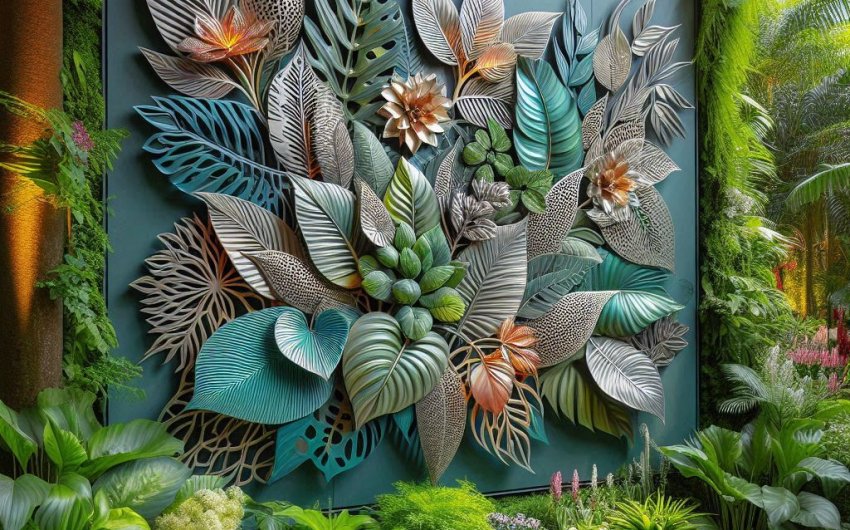
To select the best outdoor wall art for garden spaces, prioritize pieces made from durable, weather-resistant materials like metal, treated wood, or outdoor-grade canvas that can withstand UV exposure, moisture, and temperature fluctuations. Consider how the art complements your garden's aesthetic, scale, and existing features to create a cohesive and captivating outdoor living area.
Why Should I Add Outdoor Wall Art to My Garden Space?
Adding outdoor wall art to your garden space is a transformative design choice that elevates your exterior living areas from mere planting zones to vibrant, personalized extensions of your home. It's an often-overlooked element in garden design, but its impact on aesthetics, mood, and functionality is profound. Understanding why you should add outdoor wall art will highlight its immense value and help you select the best outdoor wall art for garden spaces.
1. Elevates Aesthetics and Adds Visual Interest
- A Gallery Outdoors: Just as indoor wall art personalizes a room, outdoor wall art turns plain exterior walls, fences, or sheds into engaging focal points. It breaks up monotonous surfaces and adds a layer of sophistication.
- Color and Texture: Art pieces introduce new colors, textures, and shapes that might not be found in your plants, adding contrast and depth. A bold splash of color can invigorate a green wall, while a metallic sculpture can reflect light and add shimmer.
- Year-Round Appeal: Unlike plants that have seasonal dormancy, outdoor wall art provides consistent visual interest throughout the year, even in winter when the garden is dormant.
2. Creates a Sense of "Outdoor Room"
- Defining Spaces: Walls and fences naturally delineate outdoor areas. Adding art reinforces this sense of enclosure, helping to define outdoor "rooms" like a dining patio, a cozy reading nook, or a meditation garden.
- Extension of Indoor Living: It blurs the lines between interior and exterior, making your garden feel more like an extension of your home's living space, inviting you to spend more time outdoors.
- Focal Points: A strategically placed piece of art can draw the eye and become a natural gathering point within your garden space.
3. Reflects Personal Style and Personality
- Personal Touch: Your garden is an expression of yourself. Outdoor wall art allows you to infuse your unique taste and personality into your exterior design, telling a story or evoking a particular mood.
- Thematic Cohesion: Whether your style is rustic, modern, whimsical, or traditional, there's a piece of outdoor wall art that can enhance and unify your chosen theme.
4. Conceals or Enhances Unsightly Areas
- Camouflage: Plain fences, drab shed walls, or unattractive utility boxes can be transformed into points of beauty with the right piece of art. It diverts the eye from less appealing features.
- Backdrop: Art can serve as a stunning backdrop for your plants, making their colors and forms pop, or even extending the visual interest of a flower bed upwards.
5. Adds Depth and Dimension
- Beyond Flat Surfaces: Three-dimensional outdoor wall sculptures or layered pieces create shadow and light play, adding dynamic visual depth to flat walls.
- Perception of Space: Art can alter the perceived size of a garden space. A large, bold piece might make a small area feel grander, while a series of smaller pieces can create intimacy.
6. Enhances Mood and Ambiance
- Tranquility or Vibrancy: The subject matter, color palette, and style of outdoor wall art can contribute significantly to the overall mood of your garden. A peaceful Buddha statue fosters serenity, while a vibrant abstract piece can energize the area.
- Sensory Experience: Some pieces might incorporate reflective surfaces that play with sunlight, or chimes that create subtle sounds in the breeze, adding to the sensory experience of the garden.
In essence, adding outdoor wall art to your garden space is a powerful design tool that transcends mere decoration. It enhances beauty, extends your living area, expresses your unique style, and creates a more inviting and engaging outdoor sanctuary, making it a key element in selecting the best outdoor wall art for garden spaces.
What Makes Outdoor Wall Art Different from Indoor Art?
When selecting the best outdoor wall art for garden spaces, it's crucial to understand what makes outdoor wall art different from indoor art. The primary distinction lies in its ability to withstand the harsh and unpredictable elements of an outdoor environment. What looks stunning indoors can quickly deteriorate or become unsafe when exposed to nature's whims.
1. Durability and Weather Resistance
This is the paramount difference. Outdoor art must be able to endure:
- Moisture: Rain, dew, humidity, and even sprinkler spray. Indoor art made of paper, untreated wood, or certain fabrics will quickly warp, mold, or disintegrate outdoors.
- UV Radiation: Constant exposure to sunlight's ultraviolet rays. Indoor art's colors can fade rapidly, and materials can become brittle or crack.
- Temperature Fluctuations: Extreme heat, freezing temperatures, and rapid changes between them. Materials like glass can crack, and paints can peel.
- Wind: Strong gusts can dislodge, damage, or even blow away lighter or poorly secured pieces.
- Insects/Pests: Certain materials can be susceptible to insect damage or provide homes for pests if not properly treated.
Outdoor art is specifically designed and constructed with these challenges in mind.
2. Materials
Outdoor wall art is made from materials chosen for their inherent weather resistance or specific treatments.
- Common Outdoor Materials:
- Metal: Steel (especially powder-coated or galvanized), aluminum, copper, corten steel (weathering steel). These resist rust, corrosion, and extreme temperatures.
- Outdoor-Grade Canvas/Fabric: Specially treated with UV protectants and waterproof coatings. Designed to resist fading, mold, and mildew.
- Treated Wood: Cedar, redwood, or pressure-treated wood, often sealed or stained.
- Resin/Fiberglass: Lightweight, durable, resistant to fading and cracking.
- Stone/Concrete: Naturally weather-resistant, heavy, and durable.
- Tile/Ceramics: Glazed tiles can withstand weather well if properly installed and sealed.
- Indoor Materials to Avoid Outdoors: Paper, untreated wood, most fabrics, non-UV protected paints, and delicate framed pieces with cardboard backings.
3. Finish and Coatings
Outdoor art typically features specialized finishes to enhance its durability.
- UV-Resistant Paints/Coatings: Prevents colors from fading rapidly under sunlight.
- Anti-Rust Treatments: Galvanization, powder-coating, or specialized paints prevent metal from corroding.
- Waterproof Seals: Protects materials from moisture penetration.
4. Installation and Mounting Hardware
Outdoor wall art requires more robust and weather-resistant mounting.
- Corrosion-Resistant Hardware: Stainless steel screws, galvanized bolts, or rust-proof hooks are essential to prevent staining walls and ensure the art remains securely fastened in damp conditions.
- Secure Mounting: Art must be able to withstand strong winds and the weight of the piece, especially if it's large. Hidden hanging systems are often preferred for a cleaner look.
- Airflow: Some outdoor pieces are designed with stand-offs to allow airflow behind them, preventing moisture buildup against the wall, which could lead to mold or rot on the surface or the art itself.
5. Scale and Context
While not strictly about durability, outdoor art often needs to be considered differently for its scale.
- Larger Scale: Outdoor spaces are typically much larger than indoor rooms. A piece of art that looks impressive indoors might get lost on a large exterior wall. Outdoor art often needs to be proportionally larger to make an impact.
- Natural Backdrop: It needs to complement the living, changing backdrop of plants, trees, and sky, rather than static interior walls.
In essence, while both indoor and outdoor wall art share the goal of beautifying a space, outdoor pieces are engineered and finished to survive the elements. When searching for the best outdoor wall art for garden spaces, prioritize material, finish, and secure mounting above all else.
What Are the Best Materials for Outdoor Wall Art?
Choosing the best materials for outdoor wall art is paramount to ensuring its longevity, appearance, and suitability for your garden space. The harsh realities of sun, rain, wind, and temperature fluctuations demand materials that are inherently durable or specifically treated to withstand the elements.
Here are the top materials to consider for outdoor wall art:
1. Metal (Highly Recommended)
Metal is arguably the most versatile and durable material for outdoor wall art.
- Stainless Steel:
- Pros: Extremely resistant to rust and corrosion, sleek modern aesthetic, often reflective.
- Cons: Can be expensive, may show water spots.
- Ideal For: Modern gardens, contemporary designs, areas with high humidity or coastal exposure.
- Aluminum:
- Pros: Lightweight, highly rust-resistant, good for larger pieces as it's easier to hang, takes paint well (often powder-coated).
- Cons: Can be more expensive than steel.
- Ideal For: Any style, especially where weight is a concern.
- Powder-Coated Steel/Iron:
- Pros: Steel/iron is strong and durable. Powder coating provides a thick, resilient, chip-resistant finish that protects against rust and UV fading. Available in many colors.
- Cons: Scratches can expose metal to rust.
- Ideal For: All garden styles, provides a wide range of color options.
- Corten Steel (Weathering Steel):
- Pros: Develops a stable, rust-like patina over time (rich orange-brown) that protects the underlying metal from further corrosion. Unique, industrial-chic aesthetic.
- Cons: The initial rusting process can cause runoff that stains surrounding surfaces (concrete, stone).
- Ideal For: Modern, minimalist, industrial, or naturalistic gardens.
- Copper:
- Pros: Develops a beautiful green/blue patina (verdigris) over time, naturally antimicrobial, durable, visually appealing.
- Cons: Expensive, can be softer than steel.
- Ideal For: Classic, cottage, or elegant garden styles; adds a touch of luxury.
2. Outdoor-Grade Canvas or Fabric
These are specially designed for exterior use.
- Pros: Lightweight, easy to install, offer a vast range of printed designs (landscapes, abstracts, photography), can introduce soft textures.
- Cons: Not as durable as metal over many years, colors can still fade over time, susceptible to mold/mildew in very damp, shaded conditions.
- Key Features: Must be explicitly labeled "outdoor" or "weatherproof" and treated with UV inhibitors, waterproofing, and mold/mildew resistance.
- Ideal For: Adding vivid color, artistic scenes, or mimicking indoor art galleries in covered patios or more sheltered outdoor rooms.
3. Treated Wood
- Pros: Natural, rustic appeal, can be stained or painted, easy to work with for DIY projects.
- Cons: Requires regular maintenance (re-sealing, repainting) to prevent rot, warping, and fading. Untreated wood will deteriorate quickly.
- Types: Cedar, redwood (naturally rot-resistant), pressure-treated lumber (chemically treated).
- Ideal For: Rustic, cottage, or naturalistic gardens; can be carved, painted, or assembled into sculptural pieces. Ensure the wood is sealed against moisture.
4. Stone or Concrete
- Pros: Extremely durable, long-lasting, heavy (won't blow away), naturally weather-resistant, provides a solid, grounding feel.
- Cons: Very heavy, difficult to install securely, less variety in color unless painted or stained, can look imposing.
- Forms: Carved stone plaques, concrete panels, mosaic tiles on a concrete board.
- Ideal For: Formal gardens, Mediterranean styles, robust garden walls, where a sense of permanence is desired.
5. Glass (Fused, Stained, or Mosaic)
- Pros: Reflects light beautifully, vibrant colors, can create intricate designs.
- Cons: Fragile (susceptible to cracking from impact or extreme temperature shifts), often needs to be securely mounted to a solid backing to prevent movement.
- Key Features: Fused or tempered glass is more durable than regular glass. Mosaic pieces typically use weather-resistant grout and a waterproof backing board.
- Ideal For: Adding sparkle and color, especially in sunny spots where light can play through the glass. Can be stunning in protected areas.
Summary of Material Considerations:
| Material | Pros | Cons | Best Use Cases |
|---|---|---|---|
| Metal | Durable, diverse aesthetics, low maintenance | Can be costly, rust (if not treated) | Most versatile, modern, long-lasting |
| Outdoor Canvas | Vivid color, lightweight, wide range of designs | Less durable than metal, fades, mold | Sheltered patios, bringing "art gallery" feel |
| Treated Wood | Natural, DIY-friendly | Requires maintenance, can rot/warp | Rustic, cottage, natural themes, painted pieces |
| Stone/Concrete | Extremely durable, permanent | Very heavy, challenging to install | Formal, robust structures, Mediterranean |
| Glass | Reflective, vibrant colors | Fragile, precise installation | Adding sparkle, intricate designs, protected areas |
When choosing the best outdoor wall art for garden spaces, consider your local climate, exposure to elements, desired longevity, and the style you want to achieve. Durability should always be a top priority.
Where Can I Place Outdoor Wall Art in My Garden Space?
Strategically placing outdoor wall art in your garden space can transform ordinary areas into captivating focal points. The ideal location depends on the art piece itself, its size, the surrounding environment, and your overall garden design. Thinking creatively about placement is key to integrating the best outdoor wall art for garden spaces seamlessly.
1. On Plain Exterior Walls (House, Garage, Shed)
- Why: Large, blank walls are prime canvases for outdoor wall art. They can instantly add personality, color, and depth to what might otherwise be a utilitarian surface.
- Considerations:
- Scale: Choose art proportionate to the size of the wall. A small piece will get lost on a vast wall, while an oversized piece can overwhelm a tiny shed.
- Exposure: Ensure the material of the art can withstand direct sun, rain, and wind if the wall is exposed.
- Concealment/Enhancement: Use art to cover imperfections or highlight architectural features.
- Placement Tips: Center the art, or group multiple pieces for a gallery effect. Consider placing it behind a garden bench or seating area to create an inviting vignette.
2. On Fences and Privacy Screens
- Why: Fences, especially plain wooden ones, can often feel monotonous. Outdoor wall art transforms them into dynamic backdrops for your plants. Privacy screens can also be enhanced with decorative elements.
- Considerations:
- Weight: Ensure the fence or screen can support the weight of the art.
- Material Complement: Choose materials that complement or contrast interestingly with the fence material (e.g., metal art on a wooden fence, or a colorful mosaic on a concrete wall).
- Visual Breaks: Art can break up long stretches of fencing, creating visual interest along a path.
- Placement Tips: Stagger multiple pieces, or create a continuous theme along the fence line. Combine art with climbing plants (like clematis or climbing roses) for a living backdrop that changes with the seasons.
3. Behind Garden Beds or Planters
- Why: Art positioned behind planting beds creates a stunning backdrop that makes your plants pop. It adds a vertical element, extending the visual interest of the bed upwards.
- Considerations:
- Height: Ensure the art is tall enough to be seen above your mature plants.
- Color Harmony/Contrast: Choose colors that either harmonize with your plant palette or provide a striking contrast to make both the plants and the art stand out.
- Drainage: Ensure the art isn't blocking essential drainage from the bed or creating perpetually wet conditions against the wall it's mounted on.
- Placement Tips: Use a piece of art that mimics a window or doorway to create a sense of depth and illusion in a smaller garden.
4. In Outdoor Living Areas (Patios, Decks, Porches)
- Why: These are extensions of your indoor living space. Adding outdoor wall art here makes these areas feel more like comfortable "rooms."
- Considerations:
- Shelter: Covered patios or porches offer more protection, allowing for a wider range of materials (even some less weather-resistant options).
- Vignettes: Use art to define specific zones, such as a dining area or a seating nook.
- Lighting: Consider how natural or artificial lighting will illuminate the art, especially in the evening.
- Placement Tips: Place art near outdoor seating, dining tables, or outdoor kitchens to create focal points for conversation.
5. Creating a Secret Garden Vibe or Pathway Interest
- Why: Art can serve as a "reveal" or surprise element along a pathway or in a secluded corner, inviting exploration.
- Considerations:
- Durability: Choose pieces that can withstand direct exposure if not under cover.
- Size: Smaller, more intimate pieces work well in these hidden nooks.
- Placement Tips: Mount a whimsical piece on a gate leading to a hidden garden, or place a reflective piece in a shady spot to bring in light.
6. Against Natural Elements (Large Trees, Boulders - with care)
- Why: This can create a dramatic, organic integration of art and nature.
- Considerations:
- Non-Damaging Mounts: Crucially, ensure mounting methods do not harm living trees. Use non-constricting methods for temporary display, or select static elements like boulders as backdrops.
- Scale: Large trees or boulders require proportionally large or bold art to stand out.
- Placement Tips: A metal abstract piece against the rough bark of a tree, or a vibrant glass mosaic reflecting off a large boulder.
By carefully evaluating these placement options, you can creatively integrate the best outdoor wall art for garden spaces, transforming your exterior into a truly unique and engaging sanctuary.
How Do I Maintain and Clean Outdoor Wall Art?
Once you've chosen and installed the best outdoor wall art for garden spaces, proper maintenance and cleaning are essential to preserve its beauty and extend its lifespan. Even the most durable materials benefit from regular care to combat the effects of weather, dust, and environmental buildup.
General Maintenance Tips for All Outdoor Wall Art:
- Regular Inspection:
- Frequency: At least once a month, or more often if you live in a harsh climate.
- What to Check: Look for signs of dirt, dust, bird droppings, mold/mildew, insect nests, corrosion, fading, cracks, or loose mounting hardware.
- Gentle Cleaning:
- Dust/Loose Debris: Use a soft-bristled brush, a duster, or a gentle stream from a garden hose to remove loose dirt and spiderwebs.
- Stubborn Grime: Mix a mild, pH-neutral soap (like dish soap or gentle castile soap) with water. Use a soft cloth or sponge to gently wipe down the surface. Avoid abrasive cleaners or harsh scrubbing pads that can scratch or damage finishes.
- Rinse Thoroughly: Always rinse the art thoroughly with clean water to remove all soap residue, which can leave streaks or attract dirt.
- Dry: Allow the piece to air dry completely, or gently wipe it dry with a soft cloth to prevent water spots, especially on metals or glass.
Material-Specific Maintenance:
A. Metal Art (Stainless Steel, Aluminum, Powder-Coated Steel)
- Stainless Steel/Aluminum: Generally very low maintenance. Clean with mild soap and water. For streaks or water spots, use a stainless steel cleaner or a vinegar-water solution (1:1 ratio) applied with a soft cloth, then buff dry. Avoid abrasive cleaners.
- Powder-Coated Steel/Iron: The coating provides protection. Clean with mild soap and water. If scratches appear and expose the metal, touch up with rust-inhibiting paint (matching color) to prevent rust from spreading.
- Corten Steel: This material is designed to rust. Do NOT clean off the patina. If it's staining surrounding surfaces, you can rinse the art periodically (and the stained surface) to dilute the runoff, especially during the initial weathering phase. Consider drainage solutions for surrounding areas.
- Copper: Will naturally develop a green/blue patina (verdigris). If you prefer a shiny copper look, you'll need to polish it regularly with a copper cleaner and apply a sealant (like car wax or a clear lacquer) to slow down patination, but this is high maintenance. Most people allow the patina to develop.
B. Outdoor-Grade Canvas or Fabric Prints
- Cleaning: Gently brush off loose dirt. Spot clean with mild soap and water using a soft cloth or sponge. Rinse well.
- Mold/Mildew: If mold or mildew appears (often in damp, shaded spots), gently scrub with a solution of mild soap and water, or a very diluted bleach solution (1 part bleach to 10 parts water) for severe cases. Test in an inconspicuous area first. Rinse immediately and thoroughly. Ensure the piece dries completely afterward.
- Protection: Consider reapplying a UV protectant spray or a fabric water repellent periodically (e.g., annually) to extend its life and color vibrancy.
C. Treated Wood Art
- Cleaning: Clean with mild soap and water and a soft brush. Rinse and dry.
- Re-Sealing/Re-Staining: Wood finishes will degrade over time from UV exposure and moisture. Reapply a clear exterior sealant, wood stain, or paint every 1-3 years (depending on exposure and product) to protect the wood from rot, warping, and fading.
- Check for Splintering/Cracking: Address any structural issues promptly.
D. Stone or Concrete Art
- Cleaning: Use a soft brush and water to remove dirt. For stubborn stains or algae, a scrub brush with mild soap and water, or a diluted bleach solution, can be used. Rinse thoroughly.
- Pressure Washer (Use with Caution): A low-pressure setting on a pressure washer can be effective, but avoid high pressure, which can damage the surface or loosen mortar/grout on mosaics.
E. Glass Art (Fused, Stained, Mosaic)
- Cleaning: Use a mild glass cleaner or a vinegar-water solution with a soft, lint-free cloth. Avoid abrasive cleaners or sponges.
- Cracks/Chips: Inspect for cracks or chips, especially if exposed to temperature extremes or impact. Address loose mosaic tiles promptly with outdoor-grade adhesive and grout.
Security and Mounting Hardware:
- Check Fasteners: Annually check all screws, bolts, and hangers to ensure they are still tight and secure. Rust-proof hardware can still loosen over time due to wind or vibration.
- Corrosion: Replace any rusted hardware immediately to prevent staining on your wall/fence or the art itself.
By implementing a consistent maintenance and cleaning routine tailored to the specific materials of your outdoor wall art, you can ensure your chosen pieces remain vibrant and beautiful, continuing to enhance your garden space for many seasons to come.