
How to Create a Themed Garden with Matching Decor?
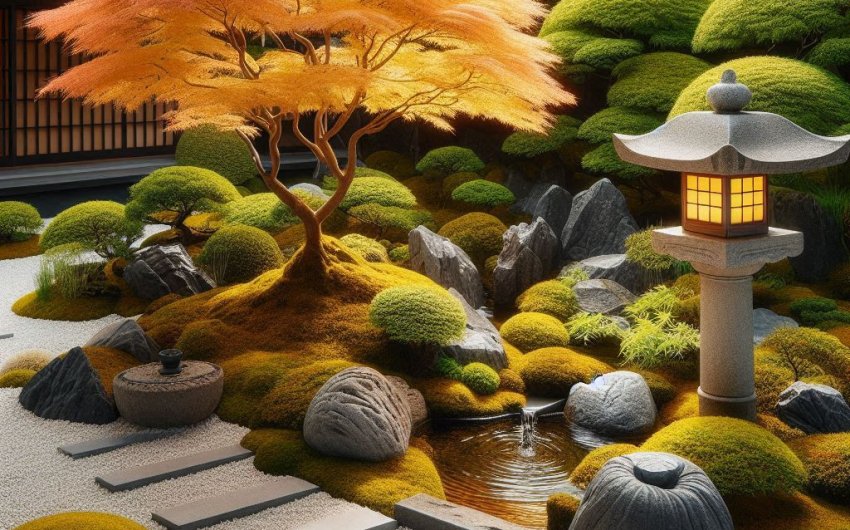
Creating a themed garden with matching decor involves selecting a central concept or style and then thoughtfully choosing plants, hardscaping, and decorative elements that consistently reinforce that theme. This holistic approach transforms a simple garden into a cohesive outdoor living space that tells a story and evokes a specific mood.
Why Create a Themed Garden?
A themed garden offers numerous benefits beyond just aesthetics. It provides a deeper connection to your outdoor space and enhances its functionality.
- Cohesive Design: A theme provides a guiding principle, ensuring all elements work together harmoniously. This avoids a haphazard look.
- Enhanced Ambiance: A well-executed theme creates a specific mood or atmosphere, whether it's tranquil, whimsical, or vibrant.
- Personal Expression: Your garden becomes a reflection of your interests, passions, and personality.
- Improved Functionality: Themes can dictate practical elements like seating areas, pathways, and focal points, making the garden more usable.
- Easier Decision-Making: When choosing plants or decor, the theme acts as a filter, simplifying choices and reducing overwhelm.
- Increased Property Value: A thoughtfully designed, cohesive garden can add significant curb appeal and value to your home.
How Do You Choose the Right Garden Theme?
Selecting the perfect garden theme is the first and most crucial step. It should resonate with you, complement your home, and be practical for your climate and space.
- Consider Your Interests & Passions: What truly inspires you? Do you love history, travel, art, or a particular natural environment?
- Evaluate Your Home's Architecture: A rustic farmhouse garden might clash with a modern minimalist home. Strive for architectural harmony.
- Assess Your Climate & Local Flora: Can your desired theme's plants thrive in your growing zone? Don't fight nature.
- Determine Your Available Space: A sprawling cottage garden might not fit a small urban patio. Scale your ambitions to your reality.
- Think About Function: Do you need a space for entertaining, quiet contemplation, or active play? The theme should support its intended use.
- Brainstorm Keywords & Moods: Write down words that describe the feeling you want to evoke: peaceful, energetic, exotic, classic.
Popular Garden Theme Ideas:
- Cottage Garden: Abundant, informal planting; pastel colors; climbing roses, hollyhocks, delphiniums; vintage decor.
- Zen/Japanese Garden: Minimalism, tranquility, natural elements (rocks, sand, water), raked gravel, moss, pruned evergreens.
- Mediterranean Garden: Drought-tolerant plants, olive trees, lavender, rosemary, terracotta pots, stone pathways, vibrant colors (blues, yellows).
- Tropical Garden: Lush foliage, vibrant flowers (hibiscus, cannas), palms, ferns, water features, bamboo, tiki torches.
- Butterfly/Pollinator Garden: Plants that attract pollinators (milkweed, coneflowers, butterfly bush), bird baths, bee houses.
- Rustic/Farmhouse Garden: Edibles and ornamentals mixed, reclaimed wood, galvanized metal, antique farm tools, wildflowers.
- Modern/Minimalist Garden: Clean lines, geometric shapes, limited plant palette, sculptural plants, concrete, metal, white/gray tones.
- Fairy Garden: Miniature plants, tiny houses, whimsical figurines, moss, pebbles.
- Victorian Garden: Formal layouts, intricate parterres, elaborate gazebos, fragrant flowers, ornamental urns.
- Desert/Xeriscape Garden: Cacti, succulents, gravel, rock formations, drought-tolerant grasses.
What Plants Are Best for Themed Gardens?
The plants are the living heart of your themed garden. Choose species that not only thrive in your climate but also visually align with your chosen aesthetic.
Considerations for Plant Selection:
- Color Palette: Do the flower and foliage colors match your theme? (e.g., bright tropical colors, muted zen greens).
- Texture & Form: Do the plant shapes and leaf textures fit? (e.g., spiky succulents for desert, feathery ferns for tropical).
- Historical/Cultural Relevance: Are the plants traditionally associated with your theme? (e.g., bamboo for Japanese, lavender for Mediterranean).
- Maintenance Needs: Do you have the time and resources to care for them?
- Climate Suitability: Always prioritize plants hardy to your USDA growing zone.
- Size at Maturity: Ensure plants won't outgrow their space or overwhelm other elements.
Examples of Plant Choices for Specific Themes:
| Theme | Recommended Plant Types | Avoid These Plants (Unless a deliberate contrast) |
|---|---|---|
| Cottage | Roses, Delphiniums, Foxglove, Hollyhocks, Lavender, Peonies, Climbing Vines, Cottage Garden Seed Mix | Sharp, architectural plants; highly manicured hedges |
| Zen/Japanese | Japanese Maples, Bamboo (clumping varieties), Moss, Azaleas, Evergreens (pruned), Ferns, Bonsai-style plants | Bright, overly showy flowers; sprawling vines |
| Mediterranean | Lavender, Rosemary, Olive Trees, Cypress, Agapanthus, Bougainvillea, Succulents, drought-tolerant grasses | Water-loving plants; highly formal bedding plants |
| Tropical | Palms, Hibiscus, Cannas, Elephant Ears, Ginger, Bird of Paradise, Monstera, Orchids, Alocasias | Desert succulents; delicate cool-weather annuals |
| Pollinator | Milkweed, Coneflowers, Bee Balm, Lavender, Salvia, Zinnia, Marigolds, Aster, Butterfly Bush, Bee Balm Seeds | Plants requiring heavy pesticides; sterile ornamental varieties |
| Rustic | Sunflowers, Echinacea, Black-Eyed Susans, Daisies, Herbs (rosemary, thyme), Fruit Trees, Berry Bushes | Highly exotic, fussy houseplants; rigidly formal arrangements |
| Modern | Snake Plant, Yucca, Agave, Ornamental Grasses, Succulents, Boxwood (straight lines), Horsetail Reed | Overly cottage-y flowers; sprawling, untamed growth |
| Fairy | Irish Moss, Creeping Thyme, Sedums, Miniature Hostas, Small Ferns, Dwarf Conifers, Miniature Plant Kit | Large, fast-growing plants; spiky plants |
How Can Hardscaping Support a Themed Garden?
Hardscaping elements are the backbone of your themed garden. They provide structure, define spaces, and set the stage for your plants and decor.
Key Hardscaping Elements:
- Pathways:
- Cottage: Winding gravel paths, stepping stones with moss between them. Garden Stepping Stones can add a charming touch.
- Zen: Raked gravel or sand, smooth large stepping stones.
- Mediterranean: Terracotta tiles, natural stone, worn pavers.
- Modern: Large concrete slabs, sleek pavers, clean lines.
- Patios & Seating Areas:
- Rustic: Reclaimed wood benches, stone fire pits.
- Tropical: Teak wood furniture, colorful cushions, woven materials.
- Victorian: Wrought iron benches, ornate pergolas.
- Walls & Fencing:
- Mediterranean: Stucco walls, warm-toned stone.
- Japanese: Bamboo fences, low stone walls.
- Farmhouse: Split rail fences, natural wood.
- Water Features:
- Zen: Still ponds, bamboo trickling fountains. Bamboo Fountain Kit for authenticity.
- Tropical: Cascading waterfalls, large ponds with aquatic plants.
- Formal: Tiered fountains, classical statues with water elements.
- Raised Beds & Edging:
- Rustic: Corrugated metal, weathered wood.
- Modern: Gabion cages, steel edging.
Materials to Consider:
- Stone: Natural stone (flagstone, river rock), cut stone, gravel, pebbles.
- Wood: Cedar, redwood, reclaimed timber, bamboo.
- Metal: Corten steel, wrought iron, galvanized steel.
- Concrete: Poured concrete, concrete pavers.
- Terracotta: Pots, tiles, pavers.
What Matching Decor Enhances a Themed Garden?
Matching decor is where your themed garden truly comes alive. These elements add personality, visual interest, and reinforce your chosen aesthetic.
Types of Decor Elements:
- Statuary & Sculptures:
- Classical/Victorian: Angel statues, Roman busts, ornate urns.
- Zen: Buddha figures, stone lanterns.
- Whimsical/Fairy: Gnomes, fairy houses, small animal figurines. Garden Gnome Decor for a playful touch.
- Containers & Planters:
- Mediterranean: Large terracotta pots, glazed pottery in blue or yellow.
- Modern: Sleek concrete planters, geometric metal containers.
- Rustic: Whiskey barrels, galvanized tubs.
- Lighting:
- Tropical: Tiki torches, string lights, colorful lanterns.
- Cottage: Lanterns, fairy lights. Outdoor Fairy Lights for a whimsical glow.
- Modern: Minimalist pathway lights, integrated LED strips.
- Furniture & Textiles:
- Mediterranean: Wrought iron bistro sets, patterned outdoor cushions.
- Tropical: Adirondack chairs in bright colors, outdoor rugs with leaf patterns.
- Zen: Low wooden benches, simple meditation cushions.
- Focal Points & Arbors:
- Cottage: Arches covered in climbing roses, antique birdcages.
- Formal: Gazebos, ornate pergolas.
- Rustic: Wagon wheels, old farm equipment.
- Sound Elements:
- Zen: Wind chimes (bamboo or metal), small fountains.
- Pollinator: Bird feeders, bird baths to attract wildlife. Outdoor Bird Bath.
Tips for Incorporating Decor:
- Don't Overdo It: Too much decor can make a garden look cluttered rather than themed. Less is often more.
- Vary Heights: Use decor at different levels (ground level, hanging, elevated) to add visual interest.
- Consider Durability: Choose outdoor-grade materials that can withstand the elements.
- Personal Touches: Incorporate handmade items or sentimental pieces that fit the theme.
- Maintain Consistency: Ensure all chosen decor pieces align with the theme's color palette, material choices, and overall mood.
What are the Steps to Create Your Themed Garden?
Bringing your themed garden to life involves a systematic approach, from planning to ongoing maintenance.
Step 1: Define Your Theme Clearly
- Brainstorm: Write down keywords, colors, materials, and moods associated with your chosen theme.
- Gather Inspiration: Collect images from magazines, Pinterest, books. Create a mood board.
- Refine: Narrow down your ideas to a concise theme statement (e.g., "A tranquil Japanese garden with minimalist elements and water features").
Step 2: Plan Your Layout and Zones
- Sketch It Out: Draw your garden space to scale. Mark existing features.
- Define Areas: Decide on functional zones (seating, dining, pathways, planting beds).
- Consider Flow: How will people move through the space? Ensure pathways are clear and inviting.
- Place Focal Points: Identify where you want the eye to be drawn (e.g., a statue, a special plant, a water feature).
Step 3: Select Hardscaping Elements
- Prioritize Function: Install pathways, patios, fences, or raised beds first.
- Choose Materials: Select materials that align with your theme (e.g., natural stone for rustic, sleek concrete for modern).
- Professional Help: For major hardscaping, consider hiring professionals.
Step 4: Choose Your Plants
- Research: Select plants that fit your theme, climate, and light conditions.
- Color Scheme: Stick to a cohesive color palette for flowers and foliage.
- Layering: Plan for different heights and textures – tall background plants, mid-level shrubs, groundcovers, and annuals.
- Source Plants: Visit local nurseries or reputable online sellers. Consider using a Garden Plant Starter Kit for propagating new plants.
Step 5: Incorporate Matching Decor
- Shop Strategically: Look for decor pieces that specifically reinforce your theme.
- Place Thoughtfully: Don't just scatter decor. Position items where they enhance a view, define a space, or create a moment of interest.
- Scale: Ensure decor items are appropriately sized for the space and don't overwhelm plants.
Step 6: Install and Arrange
- Prepare Soil: Amend soil as needed for your chosen plants.
- Planting: Install your plants according to your layout.
- Place Decor: Position hardscaping elements and decorative items.
- Add Mulch: Apply a layer of mulch to help with moisture retention and weed suppression.
Step 7: Maintain and Evolve
- Regular Care: Water, fertilize, prune, and weed as needed.
- Observe: Pay attention to how your plants and design elements are performing.
- Adjust: Don't be afraid to make changes. Gardens are living, evolving spaces. If something isn't working, adjust it.
- Seasonal Refresh: Add seasonal decor or plants to keep the theme vibrant year-round. For winter, consider Outdoor Christmas Lights that align with a "Winter Wonderland" theme, for example.
What Are Some Creative Theme Combinations?
While single themes are great, sometimes combining elements can create a unique and highly personalized themed garden.
- Modern Zen Garden: Blends clean lines and minimalist forms (modern) with tranquil elements like raked gravel and pruned evergreens (Zen). Think concrete pavers and sculptural grasses with a subtle water feature.
- Coastal Cottage Garden: Combines the informal charm of a cottage garden with elements of a beach landscape. Think hydrangeas, lavender, weathered wood, seashells, and driftwood.
- Rustic Mediterranean: Marries the earthy, robust feel of a rustic garden with the drought-tolerant plants and warm colors of the Mediterranean. Use reclaimed wood planters, terracotta pots, olive trees, and herbs.
- Fairy Wildflower Meadow: A whimsical fairy garden nestled within a naturalistic, informal wildflower meadow. It's a blend of organized whimsy and wild beauty.
How to Work with Small Spaces for Themed Gardens?
Even a small balcony or patio can become a captivating themed garden. The principles remain the same, just scaled down.
- Vertical Gardening: Use wall planters, hanging baskets, and trellises to maximize planting space. Vertical Garden Planters are excellent for small areas.
- Miniature Elements: Choose dwarf plant varieties and smaller-scale decor.
- Multi-functional Furniture: Select seating that also provides storage.
- Mirror Placement: A strategically placed outdoor mirror can create an illusion of greater depth.
- Focal Point: One strong focal point is more effective than many small, cluttered items.
- Potted Plants: Rely heavily on containers for flexibility and mobility. Group containers of different heights and textures for visual interest.
What Are the Key Principles of Themed Garden Design?
Successful themed garden design relies on several fundamental horticultural and design principles.
- Unity and Harmony: All elements (plants, hardscaping, decor) should feel like they belong together and contribute to the overarching theme.
- Balance:
- Symmetrical: Formal gardens often use mirror images.
- Asymmetrical: Informal gardens use elements of different sizes and shapes to create balance.
- Focal Point: Every garden, regardless of size, benefits from one or more areas that draw the eye.
- Scale and Proportion: Ensure the size of plants, hardscaping, and decor is appropriate for the overall space. A tiny statue in a vast lawn will get lost.
- Repetition: Repeating certain plants, colors, or decor elements throughout the garden creates rhythm and reinforces the theme.
- Contrast: Use contrasting colors, textures, or forms to add interest and prevent monotony (e.g., delicate flowers against bold foliage).
- Flow and Transition: Ensure smooth transitions between different areas or zones within the garden. Pathways are key here.
Creating a themed garden with matching decor is an incredibly rewarding endeavor that allows you to transform your outdoor space into a personal sanctuary. By thoughtfully selecting a theme, choosing appropriate plants and hardscaping, and curating complementary decor, you can craft a cohesive and captivating garden that reflects your unique style and vision. The effort invested in planning and executing your themed garden will yield years of enjoyment and a truly special outdoor retreat.