
How to Build a Simple Garden Pergola with Lights?
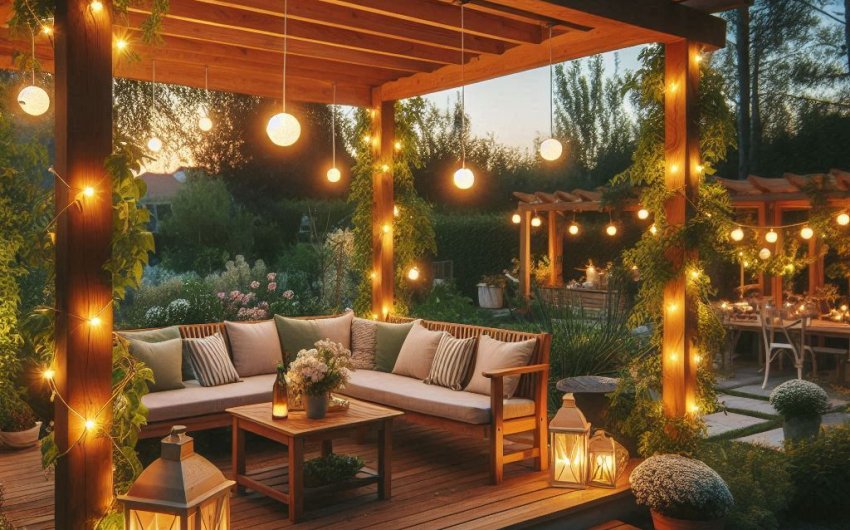
To build a simple garden pergola with lights, you will need to plan your design, gather materials like wood and concrete, construct the basic frame by setting posts and attaching beams, and then integrate outdoor-rated lighting for ambiance. This DIY project can transform an ordinary garden space into a magical outdoor living area.
Why Build a Simple Garden Pergola with Lights?
A garden pergola with lights is more than just a garden structure; it's an architectural enhancement that adds beauty, functionality, and extends your outdoor living space, making your garden more enjoyable day and night.
- Creates a Defined Outdoor Room: A pergola visually separates an area, making it feel like an outdoor living room or dining space.
- Adds Architectural Interest: Enhances the aesthetic appeal of your garden, providing a focal point and a sense of permanence.
- Offers Partial Shade: The open roof structure provides dappled shade, perfect for relaxing outdoors without full sun exposure.
- Supports Climbing Plants: Ideal for growing beautiful climbing roses, wisteria, grapevines, or other flowering vines, adding natural beauty and fragrance.
- Enhances Ambiance with Lights: Integrated lighting transforms the space into a magical, inviting haven for evening gatherings, meals, or quiet relaxation.
- Increases Property Value: A well-built and aesthetically pleasing pergola can boost your home's curb appeal and market value.
- DIY Satisfaction: Building your own pergola can be a rewarding project, allowing for customization and a sense of accomplishment.
What Are the Key Considerations Before Building a Pergola?
Before you start digging, careful planning ensures your simple garden pergola with lights is safe, functional, and fits perfectly into your space.
1. Location
- Purpose: Will it be for dining, a seating area, or a quiet retreat? This dictates size and placement.
- Sunlight: Observe sun patterns. A west-facing pergola can offer afternoon shade, while an east-facing one can provide morning sun.
- Drainage: Ensure the ground where posts will be set has good drainage. Avoid low spots where water collects.
- Proximity to House: Decide if it will be freestanding or attached to your home. Attached pergolas are simpler to build but require careful flashing to prevent water damage to your house. This guide focuses on freestanding.
- Underground Utilities: Crucial! Before digging, always call 811 (or your local equivalent) to have underground utility lines marked. Hitting a gas line or electrical cable can be dangerous and costly.
2. Size and Dimensions
- Proportion: Choose a size that is proportionate to your garden and the intended use. Don't build a massive pergola in a tiny yard.
- Headroom: Ensure sufficient height. A minimum of 7-8 feet clear headroom is recommended once beams are in place.
- Coverage: How much shade or coverage do you need? Larger pergolas offer more.
3. Materials
- Wood Type:
- Pressure-Treated Pine: Most common and economical. Resistant to rot and insects. Ensure it's rated for ground contact for posts.
- Cedar: Naturally rot and insect resistant, beautiful reddish hue, and pleasant scent. More expensive than pine but often lighter and easier to work with.
- Redwood: Similar to cedar in qualities but even pricier.
- Composite/Vinyl: Low maintenance, but often higher cost and less natural look.
- Hardware: Use exterior-grade, galvanized, or stainless steel screws, bolts, and post anchors to prevent rust.
- Concrete: For setting posts in the ground. Use a rapid-setting concrete mix.
- Lighting: Choose outdoor-rated Outdoor String Lights, Solar Lanterns for Outdoors, or specialized Landscape Lighting for Pergolas.
4. Local Building Codes and Permits
- Check with your local municipality. Depending on size and location, you may need a building permit. This step is often overlooked but important to avoid future issues.
What Tools and Materials Do You Need to Build a Simple Pergola?
Having all your tools and materials ready before starting makes the building process for your garden pergola with lights smoother and more efficient.
Tools
- Measuring & Marking:
- Tape Measure
- Pencil
- Speed Square or Framing Square
- Chalk Line (for laying out footprint)
- Level (long and short)
- Digging & Post Setting:
- Post-Hole Digger (manual or powered auger)
- Shovel
- Wheelbarrow or Bucket (for concrete mixing)
- Cutting & Fastening:
- Circular Saw or Miter Saw (for precise cuts)
- Cordless Drill/Driver
- Drill Bits (for pilot holes)
- Socket Wrench Set (for lag bolts)
- Clamps (useful for holding beams)
- Safety Gear:
- Safety Glasses
- Gloves
- Hearing Protection
- Work Boots
Materials (for a 10 ft x 10 ft Freestanding Pergola)
- Posts:
- Four (4) 6x6 or 4x4 pressure-treated lumber posts (or cedar/redwood). Length depends on desired height + depth in ground (e.g., 10-12 ft long for 8-9 ft finished height).
- Beams (Main Horizontal Supports):
- Two (2) 2x8 or 2x10 pressure-treated lumber for the long sides (e.g., 12 ft long for a 10 ft span).
- Two (2) 2x8 or 2x10 pressure-treated lumber for the short sides (e.g., 10 ft long).
- Rafters (Top Cross Pieces):
- Six to ten (6-10) 2x6 or 2x8 pressure-treated lumber (e.g., 12 ft long for a 10 ft span). Number depends on desired shade and spacing (e.g., 2 ft on center).
- Optional - Top Slats/Purlins:
- If desired for more shade, 2x2 or 2x4 lumber.
- Fasteners:
- Lag Bolts (1/2" diameter, length to go through beam and post) with washers.
- Heavy-duty Construction Screws (3-4 inch exterior grade).
- Post Anchors/Concrete: Pre-bagged quick-setting concrete mix.
- Gravel or Crushed Stone (for bottom of post holes for drainage).
- Lighting:
- Outdoor String Lights (S14 or G40 bulbs, LED preferred for energy efficiency and durability).
- Outdoor Extension Cord (heavy-duty, outdoor rated).
- Zip Ties or Outdoor Light Hanging Clips.
- Optional: Solar-powered lights, LED landscape spotlights.
Step-by-Step Guide to Building a Simple Garden Pergola Frame
Building the core structure of your garden pergola is the most labor-intensive part, requiring careful measurement and sturdy construction.
1. Lay Out the Footprint
- Mark Corners: Use stakes and string to mark the four corners of your pergola's footprint on the ground.
- Square the Corners: Use the 3-4-5 rule (or measure diagonals) to ensure your corners are perfectly square. Example: If one side is 3 ft and the adjacent is 4 ft, the diagonal between them should be 5 ft. Adjust stakes until all corners are square and diagonals are equal.
- Mark Post Holes: Once square, mark the exact center of each post hole location.
2. Dig Post Holes
- Depth: Dig holes 24-36 inches deep, or to your local frost line, whichever is deeper. The depth should be at least 1/4 the length of the post for stability.
- Width: Make holes 10-12 inches in diameter to allow enough concrete.
- Drainage: Add 6 inches of gravel or crushed stone at the bottom of each hole for drainage.
3. Set the Posts
- Place Posts: Carefully place one post into each hole.
- Plumb the Posts: Use a level on two adjacent sides to ensure each post is perfectly plumb (vertical). Brace the posts temporarily with scrap wood and screws.
- Add Concrete: Mix quick-setting concrete according to package directions. Pour concrete into the holes around the posts, filling to about 2-3 inches below ground level.
- Slope Concrete: Slope the top of the concrete away from the post to shed water and prevent pooling.
- Cure Time: Allow the concrete to cure fully, usually 24-48 hours, before applying any significant load.
4. Attach the Main Beams (Ledgers)
- Measure and Cut: Measure the exact length needed for the main horizontal beams that will run the long way, connecting the posts. Cut them to size.
- Position: With a helper, lift one beam and position it against the outside of two posts, ensuring it's level and at your desired finished height. The top of the beam should typically be flush with or slightly above the top of the posts.
- Fasten: Mark and pre-drill pilot holes through the beam and into the posts. Secure with at least two large lag bolts per post. Repeat for the second long beam on the opposite side.
5. Attach the Cross Beams (Headers)
- Measure and Cut: Measure the exact length needed for the cross beams that connect the two main beams. These will usually extend slightly past the main beams for an aesthetic overhang (e.g., 1 foot on each side).
- Position: Lift one cross beam onto the main beams, positioning it flush with the outside of the end posts. Ensure it's level.
- Fasten: Secure the cross beam to the main beams using heavy-duty construction screws or appropriate timber screws. Repeat for the second cross beam at the other end.
6. Add Rafters (Top Slats)
- Measure and Cut: Cut your rafters to length. These will typically extend past the cross beams on both ends (e.g., 6-12 inches overhang).
- Mark Spacing: Decide on spacing for your rafters (e.g., 18-24 inches on center for dappled shade, closer for more shade). Mark these on the top of your main beams.
- Position and Fasten: Place each rafter onto the main beams at the marked spacing. Secure them from the top down into the main beams using long construction screws. Ensure they are evenly spaced and straight.
- Optional Decorative Cuts: For a finished look, you can add decorative cuts (e.g., scalloped or notched ends) to the ends of the rafters and cross beams before installing them.
7. Optional Top Slats (Purlins)
- If desired for more shade, run smaller 2x2 or 2x4 purlins perpendicular to the rafters. Fasten them with screws.
How to Integrate Lighting into Your Garden Pergola?
Adding lighting transforms your garden pergola into an enchanting space after dusk. Consider both functionality and ambiance.
1. Choosing Outdoor-Rated Lights
- Safety First: Always use lights specifically rated for outdoor use (check for IP ratings like IP44 or higher for water resistance).
- Durability: Choose lights with durable cords and robust bulbs (LED is highly recommended for energy efficiency, cool operation, and longevity).
- Power Source:
- Plug-in String Lights: Most common. Requires an outdoor-rated Outdoor Extension Cord and a nearby outdoor GFCI outlet.
- Solar String Lights: Convenient as they don't require an outlet, but often less bright and rely on good sun exposure during the day to charge. Look for Solar String Lights for Outdoor.
- Hardwired Lighting: Requires an electrician but offers permanent, seamless integration and typically higher light output.
2. Hanging String Lights (Most Popular)
- Measurement: Measure the perimeter and interior of your pergola to estimate the length of string lights needed. Factor in draping or zig-zag patterns.
- Attachment Points:
- Screw-in Hooks: Small cup hooks or eye hooks screwed into the underside of rafters or beams are sturdy.
- Zip Ties: Quick and easy, but may degrade over time in sunlight.
- Outdoor Light Hanging Clips: Specifically designed for this purpose.
- Patterns:
- Straight Lines: Run lights along the perimeter beams.
- Zig-Zag: Create a "W" or "Z" pattern across the rafters for even light distribution.
- Criss-Cross: Run lights diagonally from corner to corner.
- Draping: Loop lights loosely between attachment points for a softer look.
- Power Access: Plan where the power cord will connect to an outdoor outlet. Use clips or ties to keep cords tidy and out of the way.
3. Adding Accent Lighting
- Solar Lanterns: Hang Solar Lanterns for Outdoors from rafters or place on nearby tables for extra pops of light.
- LED Strip Lights: Adhere Outdoor LED Strip Lights to the underside of beams or rafters for a subtle, hidden glow. Ensure they are outdoor-rated.
- Landscape Spotlights: Place small Outdoor Landscape Spotlights in surrounding garden beds to highlight plants or pathways leading to the pergola.
- Dimmer Switch: For wired lighting, consider adding an outdoor dimmer switch to control the ambiance.
How to Customize and Decorate Your Pergola?
Once your garden pergola with lights is built, personalizing it with decor and plants will truly make it shine.
1. Seating and Furniture
- Comfort is Key: Add comfortable outdoor furniture like sofas, chairs, or a dining set depending on your pergola's purpose.
- Cushions and Throws: Layer with Outdoor Seat Cushions and weather-resistant Outdoor Throw Blankets for coziness.
- Side Tables: Provide convenient surfaces for drinks and snacks.
2. Climbing Plants for Natural Beauty
- Vines: Pergolas are perfect for climbing plants, adding natural shade, beauty, and fragrance.
- Flowering: Wisteria, Climbing Roses, Clematis, Honeysuckle, Bougainvillea.
- Edible: Grapevines, Kiwi vines.
- Fast-Growing Annuals: Morning Glory, Thunbergia (Black-Eyed Susan Vine).
- Planting: Plant vines at the base of the pergola posts. Train them upwards using Garden Twine or small clips until they grab hold of the posts and rafters.
3. Planters and Greenery
- Hanging Baskets: Adorn the rafters with Hanging Planters for Outdoors filled with trailing plants or colorful flowers.
- Potted Plants: Place large Outdoor Planters around the base of the pergola with complementary shrubs, ferns, or seasonal flowers.
4. Textiles and Drapes
- Outdoor Curtains: Install Outdoor Curtains for Pergola for added shade, privacy, and a luxurious feel. Choose weather-resistant fabrics.
- Fabric Draping: Loosely drape sheer or patterned outdoor fabric over the rafters for a bohemian or romantic look.
5. Accent Decor
- Outdoor Rug: Define the space and add comfort underfoot with an Outdoor Rug for Patio.
- Lanterns/Candles: Non-electric lanterns or flameless candles on tables or hung from beams add soft, flickering light.
- Garden Art: Incorporate sculptures, wind chimes, or decorative mirrors to reflect light and add character.
How to Maintain and Protect Your Pergola?
Regular maintenance ensures your garden pergola with lights remains beautiful and safe for years to come.
1. Wood Treatment
- Staining/Sealing: Even pressure-treated wood benefits from an annual or bi-annual application of an Outdoor Wood Stain and Sealer. This protects against UV damage, moisture, and keeps the wood looking fresh.
- Check for Rot: Periodically inspect posts, beams, and rafters for any signs of rot, especially near the ground or where wood joins. Address any issues promptly.
2. Fastener Inspection
- Tighten Loose Bolts/Screws: Over time, wood can expand and contract, loosening fasteners. Annually check and tighten all bolts and screws.
- Check for Rust: Replace any rusted hardware to prevent structural weakening.
3. Lighting Maintenance
- Inspect Cords: Regularly check all light cords for fraying, cracks, or damage, especially after winter. Replace damaged cords immediately.
- Clean Bulbs: Wipe down bulbs periodically to remove dust and dirt, ensuring maximum brightness.
- Store in Winter: If using plug-in string lights, consider taking them down and storing them indoors during harsh winter weather to prolong their life.
- Solar Lights: Ensure solar panels are clean and receive adequate sunlight for charging. Replace batteries in solar lights as needed.
4. Plant Management
- Pruning Vines: Regularly prune climbing plants to prevent them from becoming too heavy or obstructing the structure. Keep them tidy and guide their growth.
- Clear Debris: Remove any accumulated leaves, dirt, or debris from the top of the pergola to prevent moisture buildup and potential rot.
5. Cleaning
- Wash Down: Periodically wash down the entire pergola structure with a mild soap and water solution to remove dirt, mildew, or algae buildup.
By following these maintenance steps, your simple garden pergola with lights will remain a beautiful, inviting focal point in your outdoor space for many seasons to come, providing the perfect setting for countless memorable moments.