
Best Materials for Durable Garden Pathways
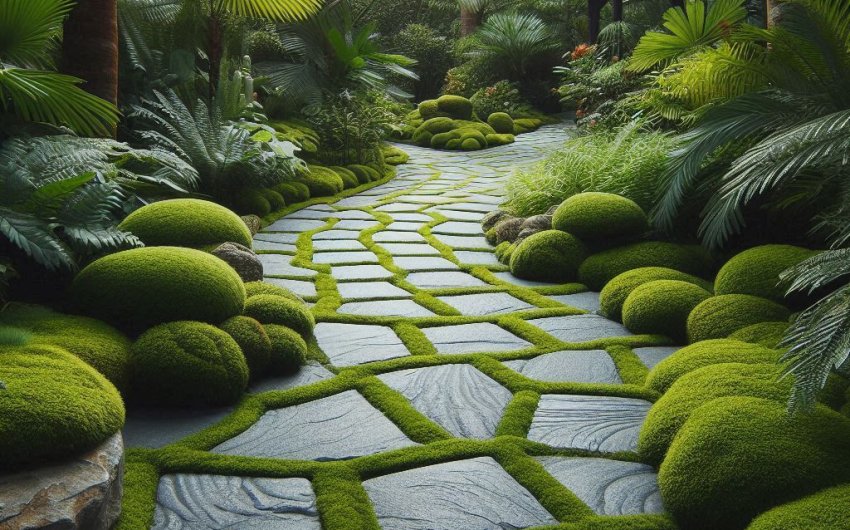
For durable garden pathways, hardscaping materials like pavers, natural stone, gravel, and concrete are excellent choices. Each offers distinct advantages in longevity, aesthetic appeal, and maintenance, ensuring your pathways withstand weather and foot traffic for years.
Why Are Durable Garden Pathways Important?
Durable garden pathways are more than just pretty additions; they are fundamental to the functionality, safety, and longevity of your outdoor space. Investing in long-lasting pathway materials provides numerous benefits for any gardener or homeowner.
- Longevity and Value: Durable materials like stone or concrete pavers mean your pathways will withstand heavy foot traffic, changing weather conditions, and the test of time, reducing the need for frequent repairs or replacements. This adds long-term value to your property.
- Safety: A stable, well-maintained pathway minimizes tripping hazards. Loose gravel, uneven stepping stones, or deteriorated surfaces can lead to falls, especially for children or the elderly. Durable surfaces offer a consistent, secure footing.
- Protection for Garden Beds: Pathways act as a barrier, directing foot traffic away from delicate plants and garden beds. This prevents soil compaction in planted areas and protects your cherished flora from accidental trampling.
- Accessibility and Usability: Well-constructed pathways ensure easy access to all areas of your garden, even after rain. They provide a clean, dry surface to walk on, allowing you to enjoy your outdoor space regardless of the weather.
- Aesthetic Appeal: Beyond function, durable materials contribute significantly to the visual appeal of your garden. They define spaces, create flow, and add texture and color, enhancing the overall design and creating inviting routes through your landscape.
- Reduced Maintenance: While initial installation of durable pathways might be more involved, they generally require less ongoing maintenance than less permanent solutions. This means more time enjoying your garden and less time fixing paths.
- Weed Control: Solid and tightly laid pathways can help suppress weeds compared to open soil areas.
Considering these points, choosing the best materials for durable garden pathways is an investment that pays dividends in both practicality and beauty.
What Makes a Garden Pathway "Durable"?
When we talk about durable garden pathways, we're referring to materials and construction methods that allow the path to withstand the test of time and various stressors. Several key factors contribute to a pathway's longevity and toughness.
- Resistance to Weathering: A durable pathway material won't easily degrade from exposure to sun (UV radiation), rain, snow, ice, or freeze-thaw cycles. It should not crack, crumble, or become excessively slippery due to weather.
- Traffic Tolerance: It must hold up to the intended amount of foot traffic, whether it's light occasional use or heavy daily passage, without shifting, indenting, or breaking down.
- Stability and Sub-Base: True durability starts underneath. A properly prepared sub-base (layers of compacted gravel and sand) prevents shifting, settling, and weed growth, ensuring the pathway remains level and solid.
- Weed Resistance: While no path is 100% weed-proof, durable materials, especially those laid tightly, actively resist weed intrusion from below or in between joints. This reduces maintenance.
- Pest Resistance: Materials should not be attractive to common garden pests or suffer damage from insects or rodents.
- Ease of Maintenance: While durable, they should also be relatively easy to clean and maintain, requiring minimal effort to keep them looking good and performing well.
- Material Strength: The inherent strength and density of the material itself (e.g., natural stone vs. bark mulch) determine its ability to resist wear and tear, compression, and impact.
- Interlock and Joint Fill: For modular materials like pavers, how they interlock and what material is used in the joints (sand, polymeric sand, mortar) impacts their stability and weed resistance.
By considering these attributes, you can select the best materials for durable garden pathways that truly live up to their name and provide lasting performance.
What are the Benefits of Concrete Pavers for Pathways?
Concrete pavers are an extremely popular choice for durable garden pathways due to their impressive combination of strength, versatility, and ease of installation compared to poured concrete.
- Exceptional Durability: Pavers are designed to withstand heavy loads and extreme weather conditions. They are less prone to cracking than poured concrete because they have individual joints that allow for slight expansion and contraction with temperature changes. This inherent flexibility makes them incredibly long-lasting.
- Variety of Styles: Concrete pavers come in an astonishing array of shapes, sizes, colors, and textures. You can mimic the look of natural stone, brick, or even wood, allowing for immense design flexibility to match any garden aesthetic.
- Permeability Options: Some concrete pavers are designed as "permeable pavers," allowing rainwater to filter through the joints and sub-base into the ground below. This helps with stormwater management and can be an eco-friendly choice.
- Relatively Easy Installation (DIY-Friendly): While preparation of the sub-base is crucial and labor-intensive, laying individual pavers can be a manageable DIY project. Unlike poured concrete, you don't need specialized mixing equipment or rapid setting times.
- Easy Repairs: If an individual paver gets damaged, it can usually be removed and replaced without having to demolish and repour an entire section of the path. This significantly reduces long-term maintenance costs.
- Excellent Traction: Many pavers have textured surfaces that provide good grip, making them a safer option, even when wet.
- Low Maintenance: Once installed correctly, concrete paver pathways require minimal maintenance, usually just occasional sweeping, rinsing, and re-sanding of joints if needed.
- Cost-Effective Long-Term: While the initial cost might be higher than some loose materials, their durability and ease of repair make them a very cost-effective solution over many years.
Considering their robust nature and aesthetic versatility, concrete pavers are undoubtedly among the best materials for durable garden pathways.
What Makes Natural Stone a Great Choice for Pathways?
Natural stone offers unparalleled beauty, timeless appeal, and exceptional strength, making it one of the best materials for durable garden pathways. Each piece is unique, adding an organic, luxurious feel to any landscape.
- Unmatched Aesthetic Appeal: No two pieces of natural stone are exactly alike. This inherent variation in color, texture, and shape creates a unique, organic, and sophisticated look that artificial materials try to replicate. Options include flagstone, bluestone, granite, slate, and limestone.
- Incredible Durability: Natural stone is formed over millions of years and is inherently resistant to weathering, heavy loads, and temperature extremes. It won't fade, warp, or easily chip. A properly installed natural stone pathway can last for centuries.
- Timeless Quality: Stone paths blend seamlessly with natural surroundings and complement various architectural styles, from rustic to modern. They tend to look better with age, developing a natural patina.
- Low Maintenance: Once installed, natural stone requires very little maintenance. Occasional sweeping or rinsing is usually sufficient. Weeds are less likely to emerge through tightly laid stones with properly filled joints.
- Good Traction: Many natural stones, especially those with natural cleft or textured surfaces (like flagstone), provide excellent grip, reducing the risk of slips even when wet.
- Thermal Mass: Stone absorbs heat during the day and slowly releases it at night, which can slightly temper the microclimate around the path, though this is a minor benefit.
- Variety of Forms: Natural stone comes in various forms to suit different pathway styles:
- Irregular Flagstone: Creates an organic, naturalistic look.
- Cut/Rectangular Flagstone: Offers a more formal, patterned appearance.
- Gravel/Crushed Stone: Smaller, loose stone pieces for a permeable, rustic path.
- Cobblestones: Rounded stones for a classic, Old-World charm.
- Environmentally Friendly: It's a natural, sustainable resource with a lower embodied energy than manufactured products.
While the initial cost and installation complexity can be higher than other options, the enduring beauty and supreme durability of natural stone make it a worthwhile investment for those seeking the best materials for durable garden pathways.
What are the Pros and Cons of Gravel Pathways?
Gravel pathways are a versatile and often budget-friendly option for durable garden pathways, offering a rustic charm and excellent drainage. However, they come with their own set of considerations.
Pros of Gravel Pathways:
- Excellent Drainage: Gravel naturally allows water to percolate through, making it ideal for areas prone to standing water or for managing stormwater runoff. It's a permeable surface.
- Cost-Effective: Compared to pavers or natural stone, gravel is generally much more affordable for materials and can be a good DIY option, especially for longer pathways.
- Easy Installation: While site preparation (excavation, edging, sub-base) is still necessary, spreading gravel is much simpler than laying solid units.
- Natural Aesthetic: Gravel provides an informal, organic look that blends well with many garden styles, from cottage gardens to modern landscapes.
- Variety of Types: Gravel comes in various sizes, colors (from white to gray, brown, red), and textures (crushed granite, pea gravel, river rock), allowing for customization.
- Auditory Appeal: The satisfying crunch of gravel underfoot adds a sensory element to the garden experience.
- Weed Suppression: When installed with a proper weed barrier and sufficient depth, gravel can help suppress weed growth.
Cons of Gravel Pathways:
- Maintenance: Gravel paths require more ongoing maintenance than solid surfaces.
- Migration: Gravel can migrate out of the pathway boundaries, especially on slopes or with heavy traffic, requiring regular raking and replenishment.
- Weed Growth: While a barrier helps, weeds can still sprout in accumulated debris or if the layer isn't deep enough, requiring regular weeding or herbicide application.
- Leaf Debris: Clearing leaves and debris can be challenging without disturbing the gravel.
- Accessibility Issues: Can be difficult for wheelchairs, strollers, high heels, or people with mobility issues. Uneven footing can be a tripping hazard if not properly maintained.
- Discomfort: Walking on loose gravel can be less comfortable than a smooth surface.
- Snow Removal: Plowing or shoveling snow can be difficult without picking up and displacing the gravel.
- Mess: Small stones can get tracked indoors if the path is close to a house entrance.
- Compaction: While generally permeable, over time, fine dust and soil can accumulate, reducing its permeability if not maintained.
Despite the maintenance considerations, gravel remains a viable and attractive option for durable garden pathways when its benefits align with your needs and willingness for upkeep.
Is Recycled Rubber a Good Material for Garden Pathways?
Recycled rubber offers a unique set of benefits for durable garden pathways, especially appealing to those prioritizing comfort, safety, and environmental consciousness.
Pros of Recycled Rubber Pathways:
- Exceptional Cushioning and Comfort: Rubber is soft and flexible, providing a comfortable surface to walk on, reducing strain on joints. This makes it ideal for areas where you spend a lot of time on your feet, like around a potting shed or vegetable garden.
- Superior Safety: Its non-slip properties, even when wet, make it very safe, especially for families with children, the elderly, or in areas prone to dampness. It also provides impact absorption, making falls less severe.
- Durability and Longevity: Recycled rubber is incredibly tough and resistant to cracking, fading, and deterioration from weather or UV exposure. It can withstand heavy foot traffic for many years without significant wear.
- Eco-Friendly: Made from recycled tires, it diverts waste from landfills and reduces the demand for new materials, making it a sustainable choice.
- Permeability Options: Some rubber pathways are designed to be permeable, allowing water to drain through, helping with stormwater management.
- Easy Installation: Rubber pavers or mats are relatively lightweight and often interlock, making DIY installation straightforward.
- Low Maintenance: Generally requires minimal cleaning – just sweeping or rinsing. It won't grow weeds through its surface (though weeds can grow in joints if not properly installed).
- Versatility: Available in various forms, including interlocking pavers, tiles, or continuous rolls, and a range of colors.
Cons of Recycled Rubber Pathways:
- Cost: While becoming more affordable, the upfront cost can be higher than gravel or some basic pavers.
- Aesthetic Preference: The aesthetic is quite modern and might not suit all traditional or natural garden styles. Some people dislike the industrial look.
- Heat Absorption: Darker rubber can absorb and retain heat, making the surface warm in direct sun, though usually not excessively so.
- Odor (Initial): Some new rubber products might emit a faint rubbery odor for a short period after installation, especially when hot.
- Lack of Rigidity: Being flexible, it requires a very stable and well-prepared sub-base to prevent unevenness or buckling.
- Limited Customization: While colors and forms exist, the design flexibility is not as extensive as with concrete pavers or natural stone.
For those prioritizing safety, comfort, and environmental responsibility, recycled rubber is a strong contender for the best materials for durable garden pathways.
What About Brick Pathways?
Brick pathways offer a classic, charming, and highly durable option for garden pathways, providing a timeless aesthetic that complements various architectural styles, from historic to contemporary.
Pros of Brick Pathways:
- Exceptional Durability: Made from fired clay, bricks are incredibly tough and resistant to weathering, heavy loads, and impact. They are less prone to cracking than poured concrete and can last for decades, even centuries, with proper installation.
- Freeze-Thaw Resistance: Paving bricks (pavers) are manufactured specifically to withstand freeze-thaw cycles without spalling or cracking.
- Clay Brick Pavers
- Timeless Aesthetic: Bricks offer a warm, inviting, and traditional look. Their natural earthy tones (red, orange, brown) age beautifully, acquiring a rich patina over time.
- Versatility in Design: Bricks can be laid in numerous patterns (herringbone, basketweave, running bond, stack bond), allowing for intricate and customized designs that add visual interest to the pathway.
- Good Traction: The slightly rough texture of bricks provides good grip, making them safe to walk on even when wet.
- Ease of Repair: Similar to concrete pavers, individual damaged bricks can be removed and replaced without disturbing the entire path.
- Eco-Friendly (Reclaimed): Using reclaimed bricks is an excellent sustainable choice, giving new life to old materials. New bricks also have a long lifespan.
- Low Maintenance: Once properly installed with a good sub-base and joint sand, brick paths are very low maintenance, requiring only occasional sweeping and rinsing.
- Weed Resistance: Polymeric sand in the joints can significantly deter weed growth.
Cons of Brick Pathways:
- Installation Complexity: Laying bricks evenly and securely requires careful sub-base preparation, precise leveling, and skill, making it more involved than a gravel path. It's often best left to professionals for larger projects.
- Cost: The cost of materials and professional installation can be higher than gravel or some basic concrete pavers.
- Efflorescence: Occasionally, new bricks might show a white powdery deposit called efflorescence. This is natural and usually washes away over time.
- Moss/Algae: In very damp or shaded conditions, moss or algae can grow on the surface, making them slippery. Regular cleaning is needed in such areas.
- Can Be Uneven: If the sub-base is not properly prepared or settles over time, individual bricks can shift, leading to an uneven surface.
Overall, brick remains a classic and highly robust option for those seeking truly durable garden pathways with enduring charm.
What Role Does the Sub-Base Play in Pathway Durability?
The sub-base is the unsung hero of durable garden pathways; it's the most critical component for a pathway's longevity, stability, and performance, regardless of the top material you choose. You can have the best materials for durable garden pathways, but without a proper sub-base, they will fail.
- Foundation and Stability: The sub-base acts as the foundation for your pathway. It provides a firm, stable, and level surface upon which your pavers, stone, or other materials are laid. Without it, the pathway will settle unevenly, shift, crack, or develop dips and humps over time.
- Weight Distribution: It helps distribute the weight of the pathway material and any traffic evenly over the underlying soil. This prevents localized sinking or compression of the soil.
- Drainage: A well-constructed sub-base, typically consisting of layers of compacted crushed stone (gravel) and sharp sand, allows water to drain effectively from under the pathway. This is crucial for preventing frost heave (when water in the soil freezes and expands, pushing up the path) and keeping the top surface dry.
- Frost Heave Prevention: In climates with freezing and thawing cycles, water trapped under a pathway can freeze, expand, and push the path upwards (frost heave), causing cracks and unevenness. A permeable sub-base allows water to drain away, preventing this damage.
- Weed Barrier: While not its primary purpose, a properly laid and compacted sub-base, especially when combined with a landscape fabric layer, can help deter weeds from growing up through the pathway.
- Load Bearing: For pathways that will experience heavier loads (e.g., occasional garden carts, wheelbarrows), a robust and deeper sub-base is even more critical.
General Sub-Base Construction for Durable Pathways:
- Excavation: Dig out the path area to the required depth (typically 6-12 inches, 15-30 cm, depending on material and traffic).
- Geotextile Fabric (Optional but Recommended): Lay down a layer of landscape fabric or geotextile fabric at the bottom of the trench. This separates the sub-base from the native soil, preventing mixing and helping with weed suppression. Heavy Duty Landscape Fabric
- Base Layer (Crushed Stone/Gravel): Add a layer of compacted crushed angular stone (e.g., 3/4-inch gravel with fines). This provides the main load-bearing and drainage layer. Compact it thoroughly with a plate compactor or hand tamper.
- Bedding Layer (Sand/Stone Dust): On top of the compacted gravel, add a thin layer (1-2 inches, 2.5-5 cm) of coarse bedding sand or stone dust. This provides a level surface for laying the final pathway material.
A professional installation will always emphasize the sub-base, understanding that it's the backbone of truly durable garden pathways.
What Maintenance Do Durable Garden Pathways Require?
Even the best materials for durable garden pathways aren't entirely maintenance-free. While they require less upkeep than many other options, a little regular attention will ensure they remain beautiful and functional for years to come.
General Maintenance:
- Sweeping: Regularly sweep your pathway to remove leaves, dirt, and other debris. This prevents organic matter from accumulating in cracks or joints, which could encourage weed growth or moss.
- Rinsing/Washing: Periodically rinse the pathway with a garden hose to clean off accumulated dust and grime. For stubborn stains, a mild detergent and a stiff brush can be used, or a pressure washer on a low setting (be careful not to dislodge joint material).
- Weed Control:
- Manual Weeding: Despite precautions, some stubborn weeds might pop up through joints. Hand-pull them as soon as you see them.
- Weed Killers: For persistent weeds, you can use a targeted weed killer. Opt for an organic or natural solution if possible.
- Boiling Water: Pouring boiling water directly on weeds can kill them without chemicals.
- Moss and Algae Removal: In damp or shady areas, moss or algae can grow on pathway surfaces, making them slippery.
- Treatment: Use a stiff brush, a pressure washer, or apply a moss/algae killer. Be cautious with bleach, as it can discolor some materials or harm nearby plants. Outdoor Algae Cleaner
- Joint Material Replenishment (for Pavers/Brick/Stone):
- Over time, rain, wind, and sweeping can wash away joint sand. Polymeric sand is highly recommended as it hardens to lock pavers in place and significantly deters weeds.
- If using regular sand, periodically sweep more sand into the joints. If using polymeric sand, follow product instructions for reapplication.
Specific Material Maintenance:
- Gravel:
- Raking and Leveling: Regularly rake and level the gravel to redistribute it evenly and fill in any depressions.
- Replenishment: Expect to top up your gravel pathway every few years, as some will inevitably migrate or get lost.
- Wood/Composite (Less Common for "Durable"):
- Cleaning: Regular cleaning to prevent slippery algae.
- Sealing/Staining: Wood will need periodic sealing or staining to protect it from rot and UV damage. Composite is lower maintenance but still benefits from cleaning.
- Concrete Pavers/Poured Concrete:
- Sealing (Optional): Sealing concrete can protect it from stains, enhance its color, and extend its life, though it's not strictly necessary for basic durability. Reapply every few years if desired.
- Concrete Sealer Outdoor
By performing these relatively simple maintenance tasks, you can ensure your durable garden pathways remain beautiful, safe, and functional for decades, showcasing the best materials for durable garden pathways.
Can Poured Concrete Be Used for Durable Garden Pathways?
Yes, poured concrete is undeniably a contender for durable garden pathways, known for its strength, versatility, and ability to create a smooth, continuous surface. It offers a different set of advantages and disadvantages compared to modular materials.
Pros of Poured Concrete Pathways:
- Exceptional Durability and Strength: Concrete is incredibly robust and can withstand very heavy loads and high traffic. A properly mixed and poured concrete path can last 30-50 years or even more.
- Smooth, Consistent Surface: It provides a seamless, level surface that is excellent for accessibility (wheelchairs, strollers) and easy to walk on.
- Design Versatility: Concrete can be:
- Stamped: To mimic the look of brick, stone, or wood.
- Stained/Dyed: To achieve a wide range of colors.
- Textured: To provide grip or a unique finish.
- Custom Shapes: It can be poured into almost any shape, allowing for curved or intricate pathway designs.
- Low Maintenance: Once cured, concrete paths are very low maintenance, requiring only occasional sweeping and rinsing. Weeds cannot grow through a solid slab (though they can in cracks or expansion joints).
- Affordability (Compared to Some Stone): While initial installation can be significant, it can be more cost-effective than natural stone, especially for large areas.
- Weed Control: A solid concrete slab greatly minimizes weed intrusion.
Cons of Poured Concrete Pathways:
- Cracking Potential: While durable, concrete can crack due to freeze-thaw cycles, improper sub-base preparation, ground movement, or inadequate expansion joints. Once cracked, repairs can be difficult and often noticeable.
- Installation Complexity: Poured concrete is a significant undertaking that usually requires professional expertise. Proper mixing, pouring, leveling, finishing, and curing are crucial for durability and appearance. It's generally not a DIY-friendly project for large paths.
- Permeability: Standard poured concrete is an impermeable surface, meaning it doesn't allow water to drain through. This can contribute to stormwater runoff issues unless specifically designed with permeable aggregates or drainage solutions.
- Heat Absorption: Darker concrete can absorb and retain a significant amount of heat, making the path very warm in direct sun.
- Less Natural Look: While it can mimic other materials, some prefer the authentic look of natural stone or the varied texture of pavers.
- Repairs are Difficult: Unlike pavers, if a section of poured concrete is damaged, repairing it seamlessly is very challenging, often requiring demolition and repouring a larger section.
For a rigid, long-lasting, and highly customizable pathway, poured concrete is a strong option among the best materials for durable garden pathways, especially if installed by experienced professionals.
What is the Most Budget-Friendly Durable Pathway Material?
When considering the best materials for durable garden pathways with a focus on budget, gravel (especially crushed stone or pea gravel) generally stands out as the most cost-effective option for both materials and DIY installation.
Why Gravel is Budget-Friendly:
- Material Cost: The raw material for gravel is significantly cheaper per square foot than concrete pavers, natural stone, or even most recycled rubber products. You can buy it in bulk from local landscape suppliers, which reduces the cost further.
- DIY Installation: While you still need to excavate and prepare a sub-base, spreading and leveling gravel is less labor-intensive and requires fewer specialized tools than laying pavers or pouring concrete. This can drastically cut down on labor costs if you do it yourself.
- No Mortar or Specialized Adhesives: Unlike pavers or bricks that might require polymeric sand or mortar, gravel simply relies on its own weight and an edge restraint.
Considerations for Gravel Budgeting:
- Edging: While gravel is cheap, you'll need to invest in some form of edging (e.g., metal, plastic, timber, or stone) to contain it and prevent migration. This adds to the overall cost but is essential for durability.
- Weed Barrier: A landscape fabric underneath is highly recommended to suppress weeds, which is another added cost.
- Sub-Base: While cheaper than other finished materials, remember you still need a proper sub-base of compacted crushed stone for true durability, which is a material and labor cost.
- Long-Term Replenishment: While inexpensive upfront, gravel paths will require occasional topping up over the years as material inevitably shifts or gets displaced, adding a small recurring cost.
Other Budget-Friendly Mentions (with caveats):
- Stepping Stones (Gaps with Grass/Mulch): Using individual large stepping stones (concrete or natural stone seconds) with grass, mulch, or groundcover in between can be more affordable per lineal foot than a solid path, but the "durability" might be more about the stones themselves than the continuous surface.
- Mulch Pathways: While very cheap to install, traditional organic mulches (wood chips, bark) are not considered truly durable for long-term pathways as they decompose, require constant replenishment, can become slippery, and offer poor weed suppression without constant attention.
For a truly durable garden pathway on a tight budget, gravel (with proper edging and sub-base) provides the best balance of cost-effectiveness and longevity.
The selection of best materials for durable garden pathways ultimately depends on your specific needs, aesthetic preferences, and budget. From the natural elegance of stone and the versatility of concrete pavers to the economic appeal of gravel, each material, when installed with a robust sub-base, promises a long-lasting and functional addition to your outdoor space.