
How to Use Cinder Blocks in Garden Decor Projects?
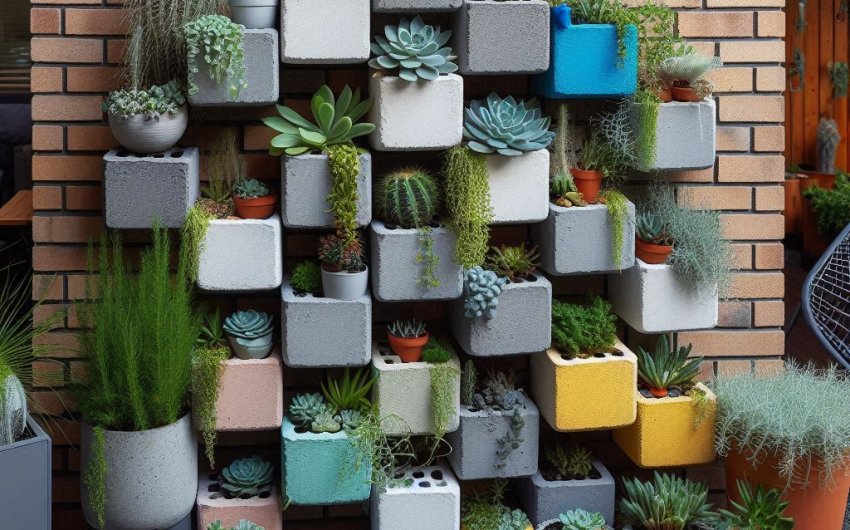
Cinder blocks are incredibly versatile, inexpensive, and durable materials perfect for various garden decor projects, offering both functional and aesthetic appeal. Their hollow cores and robust structure make them ideal for planters, retaining walls, seating, and unique vertical displays, adding a modern, industrial, or rustic touch to any outdoor space.
Why Use Cinder Blocks for Garden Decor?
Cinder blocks, often overlooked as purely construction materials, offer a surprising array of benefits for garden decor projects. Their inherent characteristics make them a fantastic choice for DIY enthusiasts looking for affordable, durable, and versatile options to enhance their outdoor living spaces.
Affordability and Accessibility
- Cost-Effective: Cinder blocks are one of the most budget-friendly building materials available. You can often purchase them for just a few dollars each at local hardware stores or even find them reclaimed for free or at a very low cost. This makes large-scale projects much more feasible without breaking the bank.
- Widely Available: You can find cinder blocks at virtually any home improvement store, lumber yard, or construction supply center, ensuring easy access for your projects.
Durability and Longevity
- Weather-Resistant: Made from concrete (or a mix of concrete and ash), cinder blocks are designed to withstand the elements. They won't rot, rust, or degrade significantly from sun, rain, snow, or temperature fluctuations, making them ideal for permanent outdoor installations.
- Sturdy and Strong: Their weight and solid structure provide excellent stability, perfect for creating robust retaining walls, elevated beds, or secure bases for seating.
- Pest and Rot Proof: Unlike wood, cinder blocks are impervious to termites, rot, and other common garden pests, ensuring your structures last for many years.
Versatility and Design Potential
- Stackable and Modular: The standard size and shape of cinder blocks make them inherently stackable and modular. This allows for endless configurations without the need for mortar or complex construction techniques, especially for temporary or reconfigurable designs.
- Hollow Cores: The hollow cores are a unique feature, perfect for planting small succulents, herbs, or flowers, turning a structural element into a living planter. They can also be used to insert rebar for added stability or to hold wooden beams.
- Paintable and Customizable: The porous surface of cinder blocks readily accepts paint, allowing you to customize their color to match your garden's aesthetic. You can also stain them, clad them with other materials, or leave them in their natural grey state for a minimalist or industrial look.
- Variety of Forms: While the standard 8x8x16 inch block is common, you can also find cap blocks, half blocks, and decorative blocks that expand design possibilities.
Ease of Use for DIY Projects
- No Special Skills Required: Many cinder block projects require no specialized masonry skills. For simple stacking, you just need a level surface and careful placement.
- Basic Tools: Most projects can be completed with basic hand tools like shovels, levels, measuring tapes, and possibly a rubber mallet.
- Heavy But Manageable: While heavy, individual blocks are manageable enough for one person to move for most smaller projects, or two people for larger ones.
By embracing the humble cinder block, gardeners can unlock a world of creative, practical, and long-lasting decor solutions that are kind to both the wallet and the environment.
How Can I Use Cinder Blocks for Garden Planters?
Cinder blocks are exceptionally well-suited for creating a variety of garden planters, offering both elevated growing spaces and unique visual appeal. Their hollow cores are a natural fit for small plants, and their sturdy structure can form larger beds.
1. Raised Garden Beds
This is one of the most popular and practical uses for cinder blocks.
- Design: Stack cinder blocks to create the walls of your raised garden bed. You can use a single layer for a slight elevation or multiple layers for deeper beds.
- Construction:
- Prepare a Level Site: Ensure the ground where you plan to build is as level as possible.
- Lay the First Course: Place the first layer of cinder blocks directly on the ground in your desired shape (rectangle, square, L-shape). Ensure they are touching end-to-end.
- Stack Subsequent Layers: For the second layer, stack blocks directly on top, staggering the joints like bricks for stability. You can use construction adhesive or mortar between layers for permanent structures, but for simpler designs, dry stacking works.
- Fill the Cores (Optional): You can fill the hollow cores of the blocks with soil and plant small herbs or succulents directly into them, creating a textured edge. Alternatively, leave them empty to save soil, but consider filling the top course's cores to prevent water collection.
- Add Soil: Fill the interior of the raised bed with a good quality raised bed mix or a blend of topsoil and compost. Miracle-Gro Raised Bed Soil is a convenient option.
- Benefits: Improves drainage, warms soil faster in spring, provides easier access for planting and harvesting, and can help deter some pests.
2. Vertical Planters / Living Walls
The hollow nature of cinder blocks makes them perfect for creating unique vertical planting displays.
- Design: Stack blocks in various configurations to create tiered, stepped, or staggered vertical gardens. You can stack them directly on top of each other, or rotate them to expose the open cores.
- Construction:
- Stable Base: Ensure your base is wide and stable. For taller structures, consider wider blocks at the bottom or embedding rebar through the holes for stability.
- Stacking: Experiment with different arrangements. You can create a pyramid shape, a straight wall with staggered planters, or a more abstract design.
- Fill Cores: Once stacked, fill the open cores with potting mix.
- Planting: Plant small, shallow-rooted plants like succulents, herbs (thyme, oregano, chives), small annual flowers (petunias, impatiens), or trailing plants (nasturtiums, sweet potato vine).
- Benefits: Maximizes growing space in small areas, creates a stunning visual feature, and allows for unique plant combinations.
3. Individual Container Planters
Even single cinder blocks can be used as standalone planters.
- Design: Simply place a cinder block on its side or end. The hollow cavities become small planting pockets.
- Construction:
- Placement: Choose a location. For drainage, place them on gravel or small feet if using on a patio.
- Fill and Plant: Fill the open cavities with potting mix and plant small individual plants.
- Benefits: Adds a minimalist or industrial touch, perfect for small accents, or creating a cohesive look along a pathway.
Tips for Cinder Block Planters:
- Drainage: Ensure good drainage. The open bottoms of the cores usually provide this, but if setting on concrete, consider adding a layer of gravel inside the cores before soil.
- Soil Quality: Use good quality potting mix or raised bed soil, not heavy garden soil, which can compact.
- Painting: Painting cinder blocks before planting can add color and help seal the porous surface, making them less prone to algae growth. Use an exterior concrete or masonry paint. Rust-Oleum Concrete Paint works well.
- Consider Weight: Cinder blocks are heavy. Plan your design before moving them, and recruit help for larger projects.
By leveraging their unique structure, cinder blocks transform easily into functional and attractive planters for any garden size.
How Can Cinder Blocks Be Used for Garden Seating and Tables?
Cinder blocks' inherent strength and modularity make them excellent foundations for creating durable and stylish garden seating and tables. These projects are typically easy DIYs that add practical and aesthetic value to your outdoor space.
1. Garden Benches and Seating
Creating a sturdy garden bench with cinder blocks is a popular and straightforward project.
- Simple Cinder Block Bench:
- Base: Place two stacks of cinder blocks on a level surface. Each stack should be 2-3 blocks high, oriented so their open cavities face outwards. These will form the legs of your bench.
- Top: Slide sturdy wooden 4x4 or 2x4 (on edge) beams or solid timber planks through the top cavities of the stacked blocks. Ensure the wood extends evenly on both sides.
- Finish: You can leave the wood raw, stain it, or paint it. The blocks can also be painted for a custom look.
- Bench with Backrest:
- Build the base as above.
- For the backrest, extend one side of each block stack higher, and angle the top blocks slightly backward if desired.
- Slide more wooden planks through the top cavities to form the backrest.
- Corner Seating/U-Shape: Use more blocks and lumber to create L-shaped or U-shaped seating arrangements for a more social outdoor area.
- Pillows & Cushions: Add outdoor cushions and pillows for comfort and to personalize the look. Outdoor Patio Cushions can instantly elevate the style.
2. Outdoor Tables
Cinder blocks can form the base for various types of outdoor tables, from coffee tables to dining tables.
- Coffee Table:
- Base: Arrange 4-6 cinder blocks in a rectangular or square shape to form the base, with open cavities facing outwards or upwards.
- Top: Place a sturdy, flat piece of material on top – a large paver, a treated wooden board, a slab of stone, or even a reclaimed door. Ensure it's stable and level.
- Dining Table Base:
- Legs: Create two robust stacks of cinder blocks for the table legs, similar to bench legs but potentially taller or wider depending on the tabletop size.
- Tabletop: Secure a large, heavy-duty outdoor tabletop onto the block bases. Ensure the tabletop is weatherproof. You may need to use construction adhesive or gravity to secure it if it's not too heavy.
- Side Tables/Plant Stands: Simply stack a few cinder blocks on top of each other and place a smaller piece of wood or a paver on top. These are perfect for holding drinks, books, or potted plants next to your seating area.
Tips for Cinder Block Seating and Tables:
- Level Surface: Always start with a very level and stable base to prevent wobbling. You may need to prepare the ground first.
- Weight Distribution: Ensure the weight of the wood or tabletop is evenly distributed across the cinder block supports.
- Sealing/Painting:
- Paint: Paint the cinder blocks with an exterior masonry paint for a finished look that protects them.
- Sealing Wood: Seal or stain any wooden components to protect them from weathering. Outdoor Wood Stain and Sealer will prolong their life.
- Comfort: For seating, comfort is key. Always use outdoor cushions and throw pillows to make cinder block benches inviting.
- Stability: For permanent structures, consider using construction adhesive (e.g., Liquid Nails Fuze It) between layers of blocks for added stability, especially if you have children or pets who might climb on them.
With a little creativity, cinder blocks can become the backbone of functional and stylish outdoor living furniture, making your garden a more inviting and comfortable space.
What Are Other Creative Cinder Block Garden Decor Ideas?
Beyond planters and seating, cinder blocks can be repurposed into a surprising array of creative and functional garden decor elements. Their simple form allows for innovative designs.
1. Fire Pit Surround
Creating a simple fire pit surround with cinder blocks is a popular DIY project.
- Design: Arrange blocks in a circle or square, two or three layers high, to create a contained area for a fire pit.
- Construction:
- Level Base: Ensure the ground is level and non-combustible (e.g., gravel or bare earth).
- Stacking: Stack blocks, staggering joints, to form the walls. You can use mortar for a permanent structure or dry-stack for a more temporary, reconfigurable pit.
- Lining (Important): It's highly recommended to use a steel fire pit ring insert inside the cinder block structure. The intense heat of a fire can cause concrete to spall or crack over time, and a liner protects the blocks and helps contain the fire.
- Safety: Always locate fire pits a safe distance from structures, overhanging trees, and flammable materials. Keep a water source nearby.
2. Garden Steps and Pathways
Cinder blocks can form the structure for easy-to-build steps or define garden pathways.
- Steps:
- Preparation: Dig out a level foundation for each step.
- Placement: Lay blocks flat or on their sides to create risers. Fill the interior of the steps with compacted gravel or crushed stone, then top with pavers, gravel, or even grass.
- Stability: For multiple steps, consider rebar or mortar for stability.
- Pathways:
- Lay blocks flat, end-to-end, to create a border for a gravel or mulch path.
- For a more solid path, lay blocks side-by-side to form the walking surface. You can fill the holes with gravel or soil and plant groundcover for a softer look.
3. Outdoor Grill Station or Serving Bar
For the outdoor entertainer, cinder blocks can form the base for a rustic grill station or bar.
- Design: Build a sturdy base with stacked blocks, creating recesses for a grill or shelves.
- Construction:
- Base: Stack blocks to your desired height, ensuring stability.
- Countertop: Place a durable, heat-resistant countertop material (like large pavers, a thick stone slab, or metal sheet) on top.
- Shelving: The open cavities can serve as natural shelves for storing grilling tools, charcoal, or outdoor dishware.
4. Garden Edging and Borders
Cinder blocks offer a clean, strong edge for garden beds.
- Design: Lay blocks flat, end-to-end, or on their sides around the perimeter of a garden bed.
- Construction: Dig a shallow trench to partially bury the blocks, ensuring a stable and level edge.
- Benefits: Clearly defines beds, helps contain mulch or soil, and can serve as a mowing strip.
5. Outdoor Candle Holders or Lantern Stands
Use single or stacked blocks to create ambient lighting.
- Design: Simply place a block on its side. The hollow cavities are perfect for holding glass jars with candles, solar lanterns, or even small potted herbs.
- Benefits: Adds a warm glow to pathways, patios, or garden borders.
6. Art Installations and Sculptures
For the truly creative, cinder blocks can be stacked and arranged into sculptural forms.
- Design: Explore abstract patterns, geometric shapes, or even functional sculptures like birdhouses or small fountains.
- Customization: Paint them, add mosaic tiles, or incorporate other natural elements.
The humble cinder block's raw, industrial aesthetic can be a perfect fit for modern, minimalist, or even rustic garden styles. With imagination, these blocks become building blocks for unique and personalized outdoor spaces.
What Are Some Tips for Working with Cinder Blocks in Garden Projects?
Working with cinder blocks is generally straightforward for DIY projects, but a few tips can make the process smoother, safer, and ensure your finished decor is sturdy and long-lasting.
1. Planning and Design
- Sketch It Out: Before you start moving blocks, sketch your design. Measure your space and calculate how many blocks you'll need. This prevents wasted effort and ensures your project fits your vision.
- Consider Weight: Cinder blocks are heavy! A standard 8x8x16 inch block can weigh 30-40 pounds (13-18 kg). Plan how you'll transport them from the store and around your yard. Use a heavy-duty utility cart if possible.
- Level Ground is Key: For any stacked project (raised beds, benches, fire pits), a level base is crucial for stability. Take the time to prepare and level your ground before placing the first block. Use a long spirit level to check for levelness.
2. Safety First
- Gloves: Always wear sturdy work gloves to protect your hands from rough concrete surfaces and sharp edges.
- Footwear: Wear closed-toe, sturdy shoes or work boots.
- Lifting: Lift with your legs, not your back, especially when handling multiple blocks. Get help for larger or heavier components.
- Eye Protection: If cutting blocks, wear safety glasses.
- Stability: Ensure any stacked structure is stable, especially if it will support weight (like a bench) or be near children or pets. Consider mortar or construction adhesive for permanent structures.
3. Material Handling and Placement
- Cleaning: Briefly rinse new blocks if they are dusty or have loose debris.
- Dry Stacking: For temporary or reconfigurable projects, dry stacking (without mortar) is quick and easy. Just ensure each layer is level.
- Mortar or Adhesive (for Permanence): For permanent structures (like retaining walls or long-lasting raised beds), use mortar between layers for a traditional, strong bond, or apply a generous bead of exterior-grade construction adhesive (specifically for masonry or concrete) to the top surface of each block before placing the next. Liquid Nails Subfloor & Deck Construction Adhesive is a versatile option.
- Stagger Joints: Always stagger the joints between layers (like bricklaying) for maximum stability and strength.
4. Customization and Finishing
- Cleaning Blocks: Before painting or sealing, ensure the blocks are clean and free of dust, dirt, or efflorescence (white powdery residue). Use a stiff brush or power washer.
- Painting:
- Use exterior-grade acrylic latex paint specifically formulated for masonry or concrete.
- Consider a primer designed for concrete surfaces for better adhesion and durability.
- Apply paint with a roller (for flat surfaces) and a brush (for textured areas or inside holes). You might need two coats.
- Sealing: For unpainted blocks, applying a concrete sealer can protect them from staining, weathering, and inhibit moss or algae growth, enhancing their longevity and keeping them looking cleaner. Wet Look Concrete Sealer can also deepen their natural color.
- Cutting Blocks: If you need to cut blocks, use a masonry blade on a circular saw, angle grinder, or a concrete saw. Always wear safety glasses, a dust mask, and hearing protection when cutting concrete. Score deeply, then use a brick chisel and hammer to break.
By keeping these practical tips in mind, your cinder block garden decor projects will not only look great but also be safe, sturdy, and stand the test of time in your outdoor oasis.