
How to Build a Bamboo Fence for a Natural Look?
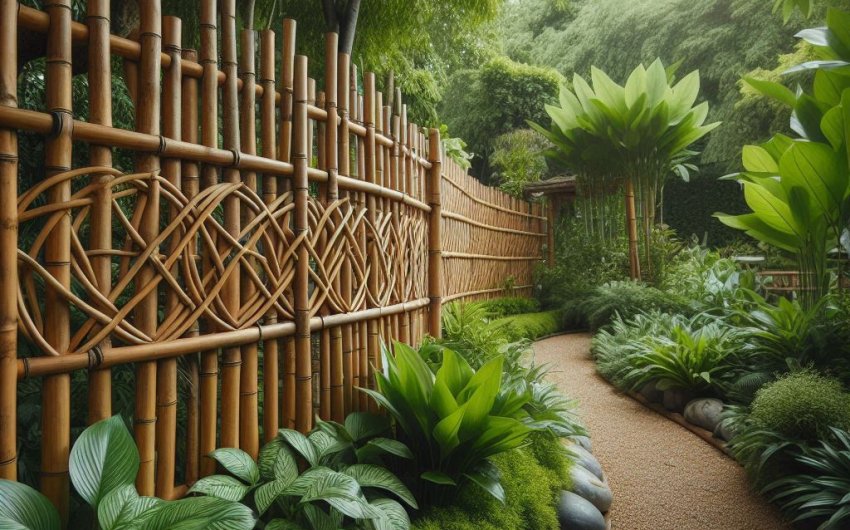
To build a bamboo fence for a natural look, start by selecting the right type of bamboo and design based on your privacy and aesthetic needs. This involves preparing the site, setting sturdy posts, and then attaching bamboo canes or pre-made panels to create a beautiful, organic barrier that seamlessly blends with your garden.
Why Choose a Bamboo Fence for a Natural Look?
A bamboo fence offers a unique blend of natural beauty, sustainability, and privacy, making it an excellent choice for gardeners and homeowners seeking an eco-friendly and aesthetically pleasing boundary solution.
- Natural Aesthetics: Bamboo's earthy tones and organic textures create an instant natural, serene, and often tropical or Asian-inspired feel in any garden.
- Sustainability: Bamboo is one of the fastest-growing plants on Earth, making it a highly renewable and environmentally friendly building material compared to traditional timber.
- Privacy: Depending on the type and construction, a bamboo fence can offer excellent privacy, creating a secluded oasis in your backyard.
- Durability (when treated): With proper treatment and maintenance, bamboo can be surprisingly durable and weather-resistant.
- Versatility: Can be used for full privacy fences, decorative screens, garden borders, or even to hide unsightly areas.
- Affordability: Pre-made bamboo panels or individual canes can be a cost-effective fencing solution compared to some traditional materials.
- Lightweight: Relatively easy to work with compared to heavy wood or metal.
What Are the Different Types of Bamboo Fences?
Before you build a bamboo fence, understanding the various types will help you choose the best option for your project's natural look, budget, and desired level of privacy.
1. Rolled Bamboo Fencing (Panels)
- Description: Pre-made rolls of individual bamboo canes, typically 1 inch or less in diameter, wired together. They come in various heights and lengths.
- Pros:
- Easy Installation: Simplest and fastest to install. Just unroll and attach.
- Cost-Effective: Generally the most affordable option.
- Versatile: Can be attached to existing fences, used as temporary screening, or as a decorative overlay.
- Cons:
- Less Private: Gaps between canes can allow for some visibility.
- Less Durable: Thinner canes may not last as long as solid poles.
- Less Structural: Needs a support structure (posts, rails, or an existing fence).
- Best For: Quick privacy screening, decorative accents, covering an old fence, or creating a subtle natural backdrop. Find Rolled Bamboo Fencing.
2. Bamboo Cane Fencing (Individual Poles)
- Description: Building a fence using individual bamboo poles (canes) that are thicker and more robust than those in rolled fencing.
- Pros:
- Customizable: Allows for unique designs, patterns, and varying heights.
- More Private: Can be installed close together for full privacy.
- More Durable: Thicker poles are more resistant to weathering and provide a more substantial look.
- Stronger: Can be used as the primary structural element of the fence.
- Cons:
- More Labor-Intensive: Requires more time for measuring, cutting, and attaching individual canes.
- Potentially Higher Cost: Thicker poles can be more expensive per unit.
- Best For: Creating a custom, robust, and highly natural-looking fence with excellent privacy and durability. Look for Bamboo Poles for Craft.
3. Split Bamboo Fencing
- Description: Made from bamboo canes that have been split in half lengthwise, often wired together in rolls.
- Pros:
- Distinct Texture: Offers a flatter, more textured appearance than whole cane.
- More Uniform: Often provides a very consistent look.
- Cons:
- Less Durable: Exposing the inner pith of the bamboo can make it more susceptible to moisture and rot.
- Less Private: Significant gaps between the split pieces.
- Best For: Decorative borders or accent fencing where full privacy is not the main goal.
4. Bamboo Panels (Framed)
- Description: Pre-assembled, often framed panels made from bamboo canes or slats, designed to fit between posts.
- Pros:
- Fast Installation: Once posts are set, panels are quick to attach.
- High Quality/Finished Look: Often professionally manufactured for consistency and durability.
- Variety: Available in various styles, from solid privacy panels to decorative open designs.
- Cons:
- Higher Upfront Cost: Can be more expensive than rolls or individual canes.
- Less Customization: Limited to available panel sizes and styles.
- Best For: Creating a premium, ready-made bamboo fence with excellent structural integrity and a polished natural look. Search for Framed Bamboo Fence Panels.
What Tools and Materials Do You Need to Build a Bamboo Fence?
Having all your tools and materials ready ensures a smooth and efficient build process for your bamboo fence.
Tools
- Measuring & Marking:
- Tape Measure
- Pencil/Marker
- Level (long and short)
- String Line and Stakes (for layout)
- Digging & Post Setting:
- Post-Hole Digger (manual or powered auger)
- Shovel
- Wheelbarrow or Bucket (for concrete mixing)
- Cutting & Fastening:
- Saw (Circular Saw for wood posts, Miter Saw for precise cuts, Fine-toothed hand saw or hacksaw for bamboo)
- Cordless Drill/Driver
- Drill Bits (for pilot holes, appropriate size for screws/bolts)
- Heavy-Duty Staple Gun (for rolled fencing)
- Wire Cutters (for rolled fencing or binding bamboo)
- Gloves (to protect hands from bamboo splinters)
- Safety Gear:
- Safety Glasses
- Work Gloves
- Hearing Protection (if using power tools)
Materials (for a Basic Bamboo Fence)
- Bamboo Material:
- Rolled Fencing: Determine linear feet and desired height. A common size is 6 ft x 16 ft Rolled Bamboo Fencing.
- Individual Canes: Calculate quantity based on spacing and height. Larger diameter canes (1.5-3 inches) are more durable.
- Framed Panels: Determine number and size of panels.
- Posts:
- Wood Posts: 4x4 or 6x6 pressure-treated lumber posts, or naturally rot-resistant wood like cedar. Length depends on desired fence height + depth in ground (e.g., 8-10 ft for a 6 ft fence).
- Bamboo Posts: For a truly all-natural look, use larger diameter, thick-walled bamboo poles (3-5 inches diameter) for posts. Treat ends for rot resistance.
- Rails/Crossbars (Optional but Recommended):
- 2x4 pressure-treated lumber or bamboo poles (1.5-2 inches diameter) to span between posts and support the bamboo infill.
- Fasteners:
- For Wood Posts: Exterior-grade galvanized screws (2.5-3.5 inches), galvanized nails, or heavy-duty outdoor staples.
- For Bamboo Canes: Stainless steel screws (avoid regular steel that rusts), twine, or wire (natural-looking choices include Jute Twine or Galvanized Wire).
- Post Anchors/Concrete: Pre-bagged quick-setting concrete mix for setting posts securely.
- Gravel or Crushed Stone (for post hole drainage).
- Treatment (Optional but Recommended):
- Bamboo Sealer for Outdoor Use or clear exterior-grade wood sealer to protect bamboo from UV and moisture.
Step-by-Step Guide to Building a Basic Bamboo Fence Frame
A sturdy frame is essential for the longevity and stability of your bamboo fence. This guide outlines a common method using wood posts and rails.
1. Plan and Layout the Fence Line
- Mark Fence Line: Use stakes and string to clearly mark the entire perimeter of your fence.
- Mark Post Locations: Determine your post spacing. For stability, posts should generally be 6-8 feet apart. Mark these locations along the string line.
- Check Regulations: Before digging, verify local building codes and call 811 (or your local equivalent) to mark underground utilities.
2. Dig and Set Fence Posts
- Dig Holes: Dig post holes that are at least 1/3 the length of the post, plus 6 inches for gravel (e.g., for a 6 ft tall fence, use an 8 ft post, dig 2.5 ft deep). Holes should be 8-10 inches in diameter.
- Add Drainage: Pour 6 inches of gravel or crushed stone into the bottom of each hole for drainage.
- Place Posts: Insert each post into its hole.
- Plumb and Brace: Use a level to ensure the post is perfectly vertical (plumb) on two adjacent sides. Brace the post securely with scrap wood to hold it in place.
- Pour Concrete: Mix quick-setting concrete according to package directions. Pour concrete into the hole around the post, filling to about 2-3 inches below ground level. Slope the top of the concrete away from the post to shed water.
- Cure Time: Allow concrete to cure fully, usually 24-48 hours, before attaching rails or panels.
3. Install Horizontal Rails (Optional but Recommended)
- Measure and Cut: Measure the distance between the center of each post. Cut your 2x4 (or bamboo) rails to fit snugly between the posts. You'll typically want a top rail and a bottom rail. For fences over 4 ft tall, a middle rail is advisable.
- Attach Rails:
- Height: Position the top rail about 6 inches from the top of the posts, and the bottom rail 6-12 inches from the ground. The middle rail (if used) goes halfway between.
- Fasten: Secure the rails to the posts using exterior-grade screws (at least two per connection point). Pre-drilling pilot holes can prevent splitting.
- Level: Use a level to ensure each rail is perfectly horizontal before fastening.
4. Prepare Bamboo Canes/Panels
- For Individual Canes:
- Clean: Wipe down bamboo canes to remove any dirt.
- Cut to Size: Cut canes to your desired fence height using a fine-toothed hand saw or hacksaw for clean cuts.
- Treat Ends: Optionally, apply a waterproof sealer to the cut ends of bamboo to prolong life.
- For Rolled Fencing/Panels:
- Measure: Measure the length of each section between posts.
- Cut (if needed): Rolled fencing can be cut to length with wire cutters. Framed panels are usually fixed sizes.
- Treat Bamboo (Pre-installation): If you plan to apply a Bamboo Sealer for Outdoor Use, it's easiest to do this before installation.
How to Attach Bamboo to the Fence Frame for a Natural Look?
The method of attaching the bamboo will define the final aesthetic and durability of your bamboo fence.
Method 1: Attaching Rolled Bamboo Fencing
- Position: Unroll the bamboo fencing along your prepared frame, aligning the bottom edge of the fence with the bottom rail or ground level (leaving a small gap to prevent rot).
- Secure:
- Use a heavy-duty staple gun with galvanized staples to attach the rolled fencing directly to the horizontal rails and posts.
- Space staples every 6-12 inches along the rails and posts for good stability.
- Ensure the fencing is taut as you go.
- Join Sections: When starting a new roll, overlap the ends by a few inches and staple securely, trying to align canes for a seamless look.
Method 2: Attaching Individual Bamboo Canes
This method offers the most natural and custom look.
- Mark Spacing: Decide on the spacing between your bamboo canes. For full privacy, place them very close together. For a more open look, leave small gaps. Mark these on your rails.
- Attach First Cane: Place the first bamboo cane against an end post and a rail. Ensure it's plumb using a level.
- Fasten Securely:
- Screws: Pre-drill a pilot hole through the bamboo cane and into the wood rail/post. Use long (e.g., 3-inch) stainless steel or galvanized exterior-grade screws at each connection point (top and bottom rails, and middle if used). This is the most secure method.
- Twine/Wire: For a traditional look, you can lash bamboo canes to the rails using Jute Twine or Galvanized Wire. Wrap tightly around the cane and the rail, securing with knots or twists.
- Repeat: Continue attaching each bamboo cane, checking plumb and spacing as you go, until the section is complete.
Method 3: Attaching Framed Bamboo Panels
- Position: Lift the pre-made panel and center it between two fence posts.
- Secure: Use sturdy L-brackets or fence panel brackets (typically galvanized steel) to attach the bamboo panel directly to the fence posts. Screw brackets into both the panel frame and the posts.
- Level: Ensure the panel is level before final fastening.
How to Maintain and Protect Your Bamboo Fence?
To ensure your bamboo fence for a natural look lasts for years and retains its beauty, regular maintenance is key.
1. Sealing and Treatment
- Protection from UV and Moisture: Bamboo, like wood, can weather and grey over time due to UV exposure and moisture. Applying a Bamboo Sealer for Outdoor Use or a clear exterior-grade wood sealer every 1-2 years is highly recommended.
- Application: Clean the bamboo thoroughly before applying the sealer. Follow product instructions for application method (brush, roller, or sprayer) and recoating.
2. Preventing Rot
- Avoid Ground Contact: Wherever possible, keep bamboo canes or panels off direct soil contact (e.g., by resting them on a small gravel strip or a bottom rail slightly above ground). This is crucial, as bamboo rots fastest when in contact with damp earth.
- Drainage: Ensure good drainage around the fence posts.
- Air Circulation: Don't plant dense shrubs or vines too close to the fence, as this can trap moisture and impede airflow, promoting rot.
3. Cleaning
- Mildew/Mold: If mold or mildew appears (common in damp, shaded areas), scrub with a soft brush and a solution of mild soap and water, or a specialized Outdoor Mold and Mildew Remover. Rinse thoroughly.
- General Cleaning: Periodically wash down the fence with a hose to remove dirt and debris.
4. Inspect for Damage
- Cracks/Splits: Bamboo can sometimes crack or split, especially due to rapid changes in humidity or extreme temperatures. Minor cracks are often cosmetic. Large splits may compromise structural integrity.
- Pest Damage: Inspect for signs of insect boring. While bamboo is naturally resistant, some pests can still be an issue.
- Fastener Check: Periodically check that all screws, staples, or ties are secure. Replace any rusted or loose fasteners.
5. Repairing
- Replace Damaged Canes: If an individual bamboo cane is severely damaged, it can often be removed and replaced.
- Reinforce: For larger sections, add extra bracing or support if needed.
How Can Landscaping and Design Enhance Your Bamboo Fence's Natural Look?
Your bamboo fence isn't just a barrier; it's a canvas for creating a more cohesive and naturally beautiful garden space.
1. Complementary Plantings
- Tropical/Asian Flair: Plant bamboo-friendly plants like hostas, ferns, hydrangeas, or Japanese maples to enhance the natural aesthetic.
- Vines: Train climbing vines (e.g., jasmine, passion flower, even non-running bamboo varieties) on the fence for added greenery, privacy, and blooms. Ensure they don't hold too much moisture against the bamboo.
- Strategic Placement: Plant shrubs or taller perennials in front of the fence to soften its lines and blend it into the landscape.
2. Garden Elements
- Pebble Gardens: Create a zen-like feel by laying down a bed of smooth river pebbles or gravel at the base of the fence.
- Water Features: A small Bamboo Water Fountain near the fence can enhance the tranquil, natural ambiance.
- Stones/Rocks: Integrate natural stones or boulders into the landscape design near the fence line.
3. Lighting
- Uplighting: Place Outdoor Landscape Spotlights at the base of the fence, pointing upwards. This highlights the natural textures of the bamboo at night, creating dramatic shadows.
- String Lights: Drape Outdoor String Lights across the top of the fence or within an accompanying pergola for a warm, inviting glow.
4. Pathways and Seating
- Natural Materials: Use stepping stones, gravel, or wooden planks for pathways leading to or alongside the bamboo fence.
- Rustic Seating: Complement the natural look with wooden benches, outdoor seating made from natural fibers, or simple stone seating arrangements.
By blending thoughtful design with careful construction, your bamboo fence will become a beautiful, sustainable, and integral part of your garden's natural charm, providing privacy and enhancing your outdoor living experience for years to come.