
Best Plants for Hanging Baskets in Garden Decor
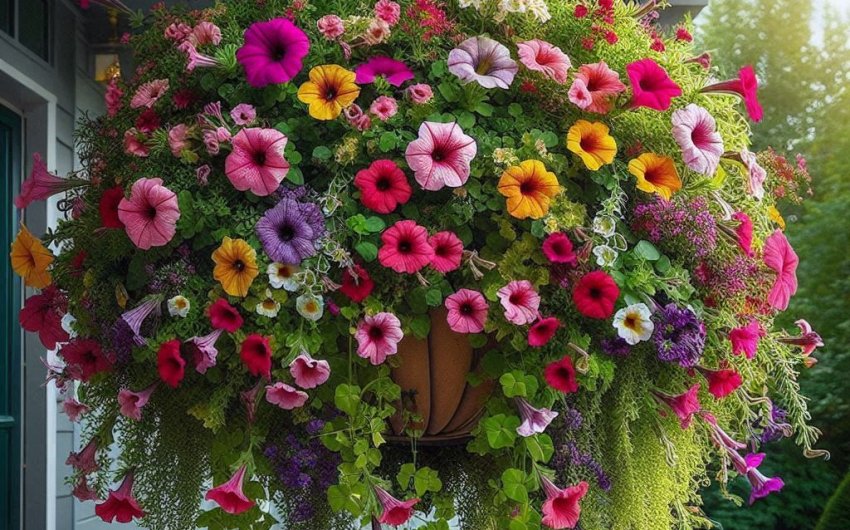
The best plants for hanging baskets in garden decor are those that offer trailing foliage, vibrant blooms, or interesting textures, thriving in containers and providing continuous visual appeal. Petunias, calibrachoa, fuchsias, impatiens, and various vining plants are popular choices that excel in elevated displays.
What Makes a Plant Ideal for Hanging Baskets?
Selecting the right plant for a hanging basket involves more than just pretty flowers. Several factors contribute to a plant's success in this unique growing environment.
- Trailing Habit: Plants that gracefully spill over the edges create a lush, abundant look.
- Compact Root System: They need to thrive in a limited soil volume.
- Continuous Blooming: For flowering plants, a long blooming season is key for sustained color.
- Tolerance to Drying Out: Hanging baskets dry out faster than garden beds, so some drought tolerance is a plus.
- Pest and Disease Resistance: Healthy plants require less maintenance.
- Versatile Light Needs: Plants that adapt to different light conditions offer more placement options.
What Are the Best Flowering Plants for Sunny Hanging Baskets?
For areas receiving at least six hours of direct sunlight, choose plants that love the sun and will bloom profusely. These plants bring a burst of color to your garden decor.
Petunia
Petunias are classic hanging basket favorites. They offer a huge range of colors and bloom continuously.
- Sun Needs: Full sun.
- Water Needs: Regular watering, especially in hot weather.
- Maintenance: Deadhead spent blooms for more flowers.
- Varieties: 'Wave' petunias are known for their vigorous trailing.
- Appearance: Trumpet-shaped flowers in almost every color imaginable.
Calibrachoa (Million Bells)
Calibrachoa looks like a miniature petunia but requires less deadheading. They are prolific bloomers.
- Sun Needs: Full sun.
- Water Needs: Keep soil consistently moist but not waterlogged.
- Maintenance: Self-cleaning, so no deadheading needed.
- Varieties: Many vibrant colors, often bi-colored.
- Appearance: Small, bell-shaped flowers covering the plant.
Verbena
Verbena offers clusters of small flowers and a wonderful trailing habit. They are tough and heat-tolerant.
- Sun Needs: Full sun.
- Water Needs: Moderate; tolerant of some dry spells once established.
- Maintenance: Some varieties benefit from a mid-season trim to encourage new blooms.
- Varieties: Available in purple, pink, red, and white.
- Appearance: Flat clusters of tiny flowers.
Lantana
Lantana is a powerhouse for hot, sunny locations. It attracts butterflies and hummingbirds.
- Sun Needs: Full sun.
- Water Needs: Drought-tolerant once established.
- Maintenance: Deadhead for continuous blooming, though some varieties are self-cleaning.
- Varieties: Often features multi-colored flower clusters that change as they mature.
- Appearance: Small, brightly colored flowers in rounded clusters.
Portulaca (Moss Rose)
Portulaca thrives in extreme heat and dry conditions. Its succulent leaves help it store water.
- Sun Needs: Full sun.
- Water Needs: Very low; ideal for forgetful waterers.
- Maintenance: Very low maintenance.
- Varieties: Single and double flower forms in bright, cheerful colors.
- Appearance: Cup-shaped, often ruffled flowers on a low-growing plant.
Geranium (Pelargonium)
Trailing geraniums, often called ivy geraniums, are perfect for sunny hanging baskets.
- Sun Needs: Full sun to partial sun.
- Water Needs: Allow soil to dry out slightly between waterings.
- Maintenance: Deadhead spent blooms.
- Varieties: Many colors, including red, pink, white, and purple.
- Appearance: Classic geranium flowers on trailing stems with ivy-shaped leaves.
What Are the Best Flowering Plants for Shady Hanging Baskets?
Don't let a lack of direct sun deter you. Many beautiful plants thrive in partial shade or full shade, bringing color to darker corners of your garden decor.
Impatiens (Busy Lizzie)
Traditional Impatiens are classic shade lovers, offering a constant flush of color.
- Sun Needs: Partial to full shade.
- Water Needs: Consistently moist soil.
- Maintenance: Very low; self-cleaning.
- Varieties: Available in a wide array of vibrant colors.
- Appearance: Flat, five-petaled flowers almost completely cover the plant.
Fuchsia
Fuchsias are showstoppers with their distinctive, dangling flowers. They prefer cool, humid conditions.
- Sun Needs: Partial shade; avoid direct afternoon sun.
- Water Needs: Keep consistently moist.
- Maintenance: Deadhead for continuous blooming.
- Varieties: Single and double flowers in shades of pink, purple, red, and white.
- Appearance: Unique, bell-shaped flowers that hang gracefully.
Begonia (Tuberous and Dragon Wing)
Begonias offer a wide range of options for shade, from vibrant flowers to striking foliage.
- Sun Needs: Partial to full shade.
- Water Needs: Consistent moisture; avoid overwatering.
- Maintenance: Deadhead spent blooms (for tuberous types).
- Varieties:
- Tuberous Begonias: Large, showy flowers, often double.
- Dragon Wing Begonias: Glossy leaves and continuous blooms.
- Appearance: Diverse forms, from rose-like blooms to delicate clusters.
Lobelia
Lobelia produces a delicate cascade of tiny flowers, perfect for adding a soft, airy feel.
- Sun Needs: Partial sun to partial shade; prefers cooler temperatures.
- Water Needs: Consistently moist.
- Maintenance: Can benefit from a mid-summer trim to rejuvenate.
- Varieties: Most common in shades of blue, but also white and pink.
- Appearance: Masses of tiny, prolific flowers that trail.
Browallia (Amethyst Flower)
Browallia is a lesser-known but beautiful shade plant, producing sapphire-blue flowers.
- Sun Needs: Partial shade.
- Water Needs: Keep consistently moist.
- Maintenance: Easy care, blooms freely.
- Varieties: Predominantly blue, but also white varieties.
- Appearance: Small, star-shaped flowers with white centers.
What Are the Best Foliage Plants for Hanging Baskets?
Foliage plants add texture, contrast, and year-round interest, even without showy flowers. They are excellent for creating lush, green garden decor.
Sweet Potato Vine (Ipomoea batatas)
Sweet Potato Vine is incredibly versatile and grows rapidly, offering stunning leaf colors.
- Sun Needs: Full sun to partial shade (colors are best in sun).
- Water Needs: Regular watering; tolerates some drying.
- Maintenance: Can be trimmed to maintain desired length.
- Varieties: 'Margarita' (lime green), 'Blackie' (dark purple/black), 'Sidekick Bronze' (bronze).
- Appearance: Large, lobed or heart-shaped leaves in various colors.
Coleus
Coleus is prized for its incredibly diverse and vibrant leaf colors and patterns.
- Sun Needs: Full sun to full shade, depending on the variety (check tag). Many new varieties are sun-tolerant.
- Water Needs: Consistently moist.
- Maintenance: Pinch back flower stalks to encourage bushier growth and maintain leaf color.
- Varieties: Endless combinations of red, green, yellow, pink, and brown.
- Appearance: Textured leaves in an astonishing array of patterns and colors.
Creeping Jenny (Lysimachia nummularia 'Aurea')
Creeping Jenny offers bright, chartreuse-yellow foliage that trails beautifully.
- Sun Needs: Full sun to partial shade.
- Water Needs: Moderate to moist.
- Maintenance: Very low maintenance.
- Varieties: The 'Aurea' variety is most popular for its bright color.
- Appearance: Small, rounded leaves on long, creeping stems.
Vinca Vine (Catharanthus roseus)
Vinca Vine is a fast-growing, elegant trailing plant with glossy green and white variegated leaves.
- Sun Needs: Full sun to partial shade.
- Water Needs: Moderate; fairly drought-tolerant once established.
- Maintenance: Trim to control growth.
- Varieties: 'Major' and 'Minor' varieties; variegated forms are popular.
- Appearance: Oval, glossy leaves, often with cream or white variegation.
Dichondra 'Silver Falls'
Dichondra 'Silver Falls' is known for its delicate, silvery, fan-shaped leaves that cascade like a waterfall.
- Sun Needs: Full sun.
- Water Needs: Moderate; good drought tolerance.
- Maintenance: Very low maintenance.
- Appearance: Small, kidney-shaped, silvery-grey leaves on long, thread-like stems.
English Ivy (Hedera helix)
English Ivy is a classic choice for year-round green in a hanging basket, providing a dense curtain of foliage.
- Sun Needs: Partial shade to full shade.
- Water Needs: Moderate; allow soil to dry out slightly between waterings.
- Maintenance: Trim to manage length.
- Varieties: Many leaf shapes and variegations.
- Appearance: Lobed, dark green leaves, often variegated.
How Do You Choose the Right Hanging Basket?
The basket itself plays a crucial role in the plant's health and the overall aesthetic of your garden decor.
Material
- Wire Baskets with Liners: Popular for good drainage and air circulation. Liners can be moss, coir, or fabric. Coco Coir Liners are a common choice.
- Plastic Baskets: Lightweight, retain moisture better, often have built-in saucers.
- Terracotta/Ceramic Baskets: Heavy, porous (dry out faster), but offer a classic look.
- Self-Watering Baskets: Have a reservoir at the bottom to provide consistent moisture. A Self-Watering Hanging Basket can reduce watering frequency.
Size
- Diameter: A 12-16 inch diameter basket is common for a robust display. Smaller baskets (8-10 inches) are good for single plants or herbs.
- Depth: Deeper baskets hold more soil, allowing for better root development and moisture retention.
Drainage
- Essential: Ensure any basket you choose has adequate drainage holes to prevent root rot.
What Potting Mix is Best for Hanging Baskets?
The right potting mix is critical for the success of your hanging basket plants.
- Lightweight: Crucial for hanging weight.
- Well-Draining: Prevents waterlogging.
- Moisture-Retentive: Helps reduce watering frequency.
- Nutrient-Rich: Provides food for the plants.
Look for a high-quality potting mix specifically designed for containers or hanging baskets. Many come with slow-release fertilizer or water-retentive crystals. Miracle-Gro Potting Mix is a popular choice.
Adding Amendments:
- Perlite: Improves drainage and aeration.
- Vermiculite: Improves moisture retention and nutrient holding.
- Water-Retentive Crystals: Hydrogel crystals can absorb water and release it slowly, beneficial for baskets that dry out quickly. Water Retention Crystals are helpful.
- Compost: Adds nutrients and improves soil structure.
How Do You Plant a Hanging Basket?
Proper planting ensures your hanging basket gets off to a strong start.
- Choose Your Plants: Select a mix of "thriller," "filler," and "spiller" plants for visual interest.
- Thriller: A tall, upright plant for the center (e.g., upright geranium, dracaena spike).
- Filler: Bushy plants to fill in the middle (e.g., petunias, coleus, impatiens).
- Spiller: Trailing plants to cascade over the sides (e.g., sweet potato vine, calibrachoa, lobelia).
- Prepare the Basket:
- If using a wire basket, insert the liner (coir, moss, or fabric).
- Add a layer of moist potting mix to the bottom.
- Arrange the Plants:
- Place the "thriller" in the center.
- Arrange the "fillers" around the thriller.
- Position the "spillers" near the edges, ensuring their trailing habit is directed outwards.
- Fill with Soil: Gently fill the basket with potting mix around the plants, leaving about an inch of space from the rim.
- Water Thoroughly: Water until water drains from the bottom.
- Hang and Admire: Place your newly planted hanging basket in its chosen spot.
How Do You Care for Hanging Basket Plants?
Hanging baskets require more attentive care than in-ground plantings due to their limited soil volume and exposure to elements.
Watering
- Frequency: Daily, or even twice daily, in hot, dry, or windy weather. In cooler, cloudy weather, less often.
- How to Water: Water until it drains from the bottom. Feel the soil; if the top inch or two is dry, it's time to water.
- Signs of Thirst: Wilting leaves, light basket weight.
- Using a Watering Wand: A Watering Wand can help reach hanging baskets easily.
Fertilizing
- Nutrient Depletion: Nutrients leach out quickly with frequent watering.
- Regular Feeding: Use a balanced liquid fertilizer every 1-2 weeks or a slow-release granular fertilizer mixed into the potting mix at planting time. Osmocote Smart-Release Plant Food is a good option.
- Signs of Nutrient Deficiency: Yellowing leaves, stunted growth, few flowers.
Deadheading and Pruning
- Deadheading: Removing spent flowers encourages the plant to produce more blooms instead of seeds. This is crucial for plants like petunias, geraniums, and fuchsias.
- Pinching Back: Pinching off stem tips encourages bushier growth and more flowers.
- Trimming: Give leggy plants a trim in mid-summer to rejuvenate them and encourage a fresh flush of growth and blooms.
Pest and Disease Management
- Inspect Regularly: Check your plants often for signs of pests (aphids, spider mites, whiteflies) or diseases (powdery mildew).
- Early Intervention: Treat problems promptly with insecticidal soap or neem oil if necessary. Safer Brand Insecticidal Soap is effective.
- Good Air Circulation: Space plants appropriately to ensure good air flow, reducing fungal issues.
What Are Some Creative Hanging Basket Ideas for Garden Decor?
Beyond the traditional, consider these ideas to elevate your garden decor with hanging baskets.
Edible Hanging Baskets
Grow herbs, strawberries, or cherry tomatoes for fresh produce right at your fingertips.
- Herbs: Trailing rosemary, thyme, oregano, mint.
- Strawberries: Alpine or everbearing varieties work well.
- Cherry Tomatoes: Dwarf or determinate varieties like 'Tiny Tim' or 'Patio Princess'.
Succulent Hanging Baskets
For a drought-tolerant and unique look, use various trailing succulents.
- String of Pearls
- Sedum morganianum (Burro's Tail)
- Senecio radicans (String of Bananas)
- Rhipsalis
These require less frequent watering and are excellent for sunny, hot spots.
Mixed Foliage Baskets
Focus on a variety of leaf shapes, colors, and textures for a sophisticated look without relying on flowers.
- Combine: Sweet potato vine, coleus, creeping jenny, heuchera, ferns.
Monochromatic Baskets
Choose a single color palette but use different plant textures and forms for a dramatic effect.
- All whites: White petunias, white bacopa, white impatiens.
- All purples: Purple calibrachoa, purple verbena, purple lobelia.
Themed Baskets
Create a theme based on location or style.
- Tropical: Fuchsia, begonia, coleus.
- Cottage Garden: Trailing nasturtiums, sweet alyssum.
- Wildlife Friendly: Lantana, calibrachoa (attracts pollinators).
Comparing Popular Hanging Basket Plants
| Plant Name | Sun Needs | Watering Frequency | Maintenance Level | Best Feature |
|---|---|---|---|---|
| Petunia | Full Sun | High | Medium | Prolific, diverse blooms |
| Calibrachoa | Full Sun | Medium-High | Low | Self-cleaning, bell flowers |
| Impatiens | Partial-Full Shade | High | Low | Continuous shade color |
| Fuchsia | Partial Shade | High | Medium | Unique, dangling flowers |
| Sweet Potato Vine | Full-Partial Sun | Medium | Low | Bold foliage color |
| Coleus | Variable | Medium-High | Low-Medium | Stunning leaf patterns |
| Verbena | Full Sun | Medium | Medium | Heat-tolerant flower clusters |
| Lobelia | Partial Sun-Shade | High | Medium | Airy, delicate blue cascade |
Common Problems with Hanging Baskets and Solutions
Even with the best plants for hanging baskets, issues can arise. Knowing how to troubleshoot helps keep your garden decor thriving.
Basket Dries Out Too Quickly
- Cause: Too small a basket, insufficient watering, windy location, unamended potting mix.
- Solution:
- Use a larger basket (14-16 inches).
- Water more frequently, possibly twice a day.
- Add water-retentive crystals or vermiculite to the soil.
- Consider a self-watering basket.
- Move basket to a less exposed location.
Plants Look Leggy and Sparse
- Cause: Insufficient light, lack of pruning, nutrient deficiency.
- Solution:
- Move to a brighter location.
- Pinch back or trim stems by 1/3 to encourage bushier growth.
- Fertilize regularly with a balanced liquid feed.
Yellowing Leaves
- Cause: Overwatering (leading to root rot), underwatering, nutrient deficiency, pest infestation.
- Solution:
- Check soil moisture: If soggy, reduce watering. If dry, water thoroughly.
- Ensure good drainage.
- Fertilize if no other cause is apparent.
- Inspect for pests.
Few Flowers on Flowering Plants
- Cause: Insufficient light, lack of fertilizer, not deadheading, too much nitrogen (promotes foliage over flowers).
- Solution:
- Ensure adequate sun exposure for sun-loving plants.
- Fertilize with a bloom-boosting fertilizer (higher in phosphorus).
- Deadhead regularly.
- Avoid high-nitrogen fertilizers unless you want only lush foliage.
Pests (Aphids, Spider Mites, Whiteflies)
- Cause: Warm, dry conditions (spider mites), crowded plants, new infested plants.
- Solution:
- Spray with a strong stream of water to dislodge.
- Apply Insecticidal Soap or Neem Oil for Plants.
- Introduce beneficial insects.
- Regular inspection and early treatment are key.
Creating stunning hanging baskets is a rewarding way to enhance your outdoor spaces. By selecting the best plants for hanging baskets in garden decor that match your light conditions and committing to consistent care, you can enjoy a season full of vibrant color and lush greenery right at eye level.