
Best Organic Strategies to Stop Root Rot in Plants
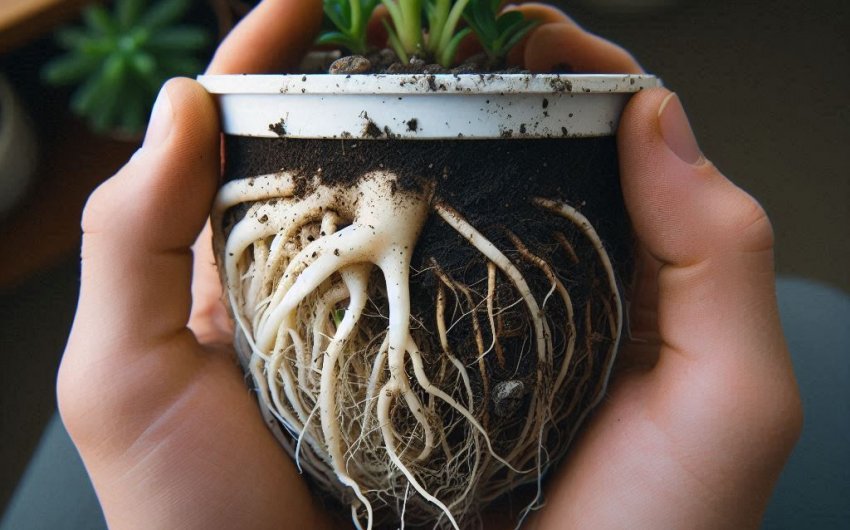
To stop root rot in plants using organic strategies, the primary focus is on prevention through excellent drainage, proper watering, and healthy soil conditions that discourage waterlogged environments. If root rot is already present, immediate action involves repotting with fresh, well-draining medium, pruning affected roots, and enhancing aeration to create an environment where beneficial microbes can thrive and pathogenic fungi cannot.
What is Root Rot and Why is It So Dangerous for Plants?
Root rot is a destructive plant disease caused by various soil-borne fungi and fungus-like organisms (like Phytophthora, Pythium, and Rhizoctonia) that thrive in overly wet conditions. It's so dangerous because it attacks the very foundation of a plant's survival: its roots. Roots are responsible for absorbing water, oxygen, and nutrients from the soil, which are all essential for a plant's growth and health.
When root rot occurs, these pathogens colonize the roots, causing them to turn soft, mushy, brown, or black, and eventually die. As the roots decay, they lose their ability to take up water and nutrients, effectively starving and dehydrating the plant even if the soil itself is wet. The dangerous irony is that a plant suffering from root rot often looks underwatered (wilting, yellowing leaves), leading well-meaning gardeners to add more water, further exacerbating the problem. Understanding this core mechanism is the first step in learning best organic strategies to stop root rot in plants.
What are the Common Signs of Root Rot in Plants?
Identifying root rot early is crucial because it spreads quickly and can be fatal. The tricky part is that its symptoms often mimic those of underwatering or nutrient deficiency. Knowing these signs is essential for applying the best organic strategies to stop root rot in plants.
Above-Ground Symptoms (Mimicking Underwatering):
- Wilting or Drooping Leaves: This is often the first visible sign. Leaves will look limp and appear thirsty, even if the soil is moist or wet. This happens because damaged roots can't absorb water effectively.
- Yellowing Leaves: Leaves may turn yellow, often starting from the bottom of the plant, similar to nutrient deficiency.
- Stunted Growth: The plant's overall growth will slow down or stop entirely. New leaves may be small and discolored.
- Leaf Drop: Leaves may turn brown or black and fall off prematurely.
- Overall Lack of Vigor: The plant simply looks unhealthy and unthrifty.
- Mushy Stem Base: In severe cases, especially for plants like succulents or those with fleshy stems, the base of the stem near the soil line may feel soft and mushy, indicating the rot has spread upwards.
Below-Ground Symptoms (The Definitive Signs):
- Discolored, Mushy Roots: Carefully unpot the plant and inspect the roots. Healthy roots are typically firm, white, or tan (depending on the plant type). Roots affected by root rot will be:
- Brown or Black: Instead of their natural color.
- Mushy or Slimy: When squeezed gently, they will often disintegrate or feel soft and slimy, like wet paper.
- Foul Odor: Often, but not always, a rotten, sulfuric, or sewage-like smell will emanate from the rotting roots and soil.
- Lack of Healthy Root Growth: You may see very few, if any, healthy white root tips.
If you observe wilting or yellowing despite proper watering, it's always worth carefully unpotting the plant and inspecting its roots. This internal check is the only way to confirm root rot and initiate the best organic strategies to stop root rot in plants.
What Environmental Factors Contribute to Root Rot?
Root rot isn't just a random occurrence; it's almost always a direct result of environmental conditions that favor the growth of pathogenic fungi while stressing the plant. Understanding these factors is paramount for both preventing and implementing the best organic strategies to stop root rot in plants.
1. Excessive Soil Moisture / Waterlogging:
- Overwatering: This is the number one cause. Consistently providing too much water, or watering too frequently, keeps the soil saturated.
- Poor Drainage: Even with proper watering, soil that drains poorly (e.g., heavy clay soil, compacted soil, pots without drainage holes) will remain waterlogged, suffocating roots and creating anaerobic (oxygen-lacking) conditions.
- Incorrect Potting Mix: Using dense, heavy potting mixes that retain too much moisture for the plant's needs. Regular garden soil is often too heavy for containers.
- Too Large a Pot: A pot that is too big for the plant's current root system holds excess moisture that the plant can't absorb quickly enough.
2. Lack of Oxygen (Anaerobic Conditions):
- When soil becomes waterlogged, the air pockets normally present in healthy soil are displaced by water. Roots need oxygen to respire and absorb water/nutrients. Without oxygen, they essentially suffocate and die, becoming prime targets for root rot fungi.
3. Poor Air Circulation Around Roots:
- Beyond soil saturation, a lack of overall aeration can contribute. This can be due to:
- Compacted Soil: Foot traffic or heavy equipment compacts garden soil, reducing pore space.
- Dense Root Systems: Overly root-bound plants in containers can make the center of the root ball stay wet.
4. Fungal Presence in Soil/Water:
- Root rot pathogens (Phytophthora, Pythium, etc.) are often naturally present in many soils and water sources. They are opportunistic; they seize the chance to attack when conditions become favorable (i.e., wet and anaerobic).
- Contaminated Tools/Pots: Spores can be spread through unsterilized tools, recycled pots, or even contaminated water.
5. Stressed Plants:
- Plants that are already weakened by other factors (e.g., nutrient deficiency, pest infestation, temperature extremes) are less able to defend themselves against opportunistic root rot pathogens, even if environmental conditions are not severely adverse.
By controlling these environmental factors, you can significantly reduce the risk of root rot and enhance the effectiveness of your best organic strategies to stop root rot in plants. Prevention is always easier than cure.
How Do You Prevent Root Rot Organically?
Prevention is by far the best organic strategy to stop root rot in plants. By creating an environment where root rot fungi cannot thrive, you ensure your plants stay healthy and vigorous.
1. Choose the Right Pot with Excellent Drainage:
- Drainage Holes: This is non-negotiable. Every pot must have drainage holes at the bottom. Never use pots without them, or block existing holes.
- Pot Material: Porous materials like terra cotta or fabric grow bags allow for better aeration and dry out faster than plastic pots, reducing the risk of waterlogging.
- You can find Terra Cotta Pots with Drainage.
- Look for Fabric Grow Bags for Plants.
- Right Size Pot: Use a pot that is appropriate for the plant's current root ball size. An oversized pot holds too much moisture that the plant can't absorb.
2. Use a Well-Draining Potting Mix / Improve Garden Soil:
- For Containers: Do not use garden soil in pots. Use a high-quality, well-draining potting mix specific to the plant's needs. For most plants, this means a mix containing components like perlite, coarse sand, bark fines, or coco coir to ensure good aeration and drainage.
- For example, succulents and cacti need very gritty mixes. Many Cactus and Succulent Potting Mix options are good.
- For In-Ground Plants:
- Amend Heavy Clay Soil: If you have heavy clay, amend it generously with organic matter (compost, aged manure, shredded bark) to improve its structure, aeration, and drainage.
- Raised Beds: Consider building Raised Garden Beds if your native soil drainage is persistently poor.
3. Master Proper Watering Techniques:
- Water Only When Needed: Do not water on a strict schedule. Instead, check the soil moisture. Stick your finger 1-2 inches into the soil. Water only when the soil feels dry at that depth (or deeper, depending on the plant's needs).
- Water Thoroughly: When you do water, water deeply until excess water drains from the bottom of the pot. For in-ground plants, water enough to penetrate the root zone.
- Avoid Standing Water: Never let potted plants sit in saucers of drained water for extended periods. Empty saucers promptly.
- Water in the Morning: For outdoor plants, watering in the morning allows foliage and soil surface to dry during the day, reducing humidity and preventing water from sitting for long periods.
4. Enhance Air Circulation:
- Around Roots: Ensure the potting mix or garden soil is loose and airy, not compacted.
- Around Plants: Proper spacing between plants promotes good airflow, which helps foliage dry quickly and reduces overall humidity.
5. Sterilize Tools and Re-use Pots:
- Cleanliness: Always clean and sterilize pruning shears and other tools, especially if used on diseased plants, to prevent spreading pathogens. A 10% bleach solution or rubbing alcohol works.
- Sanitize Old Pots: If reusing pots, wash them thoroughly and sterilize them to kill any lingering fungal spores.
By diligently applying these preventative measures, you actively control the conditions that lead to root rot, making these the best organic strategies to stop root rot in plants before it even starts.
How Do You Treat Root Rot Organically?
If you suspect your plant has root rot, immediate organic treatment is crucial. This involves a rescue mission to save as much of the healthy root system as possible and create a new environment conducive to recovery.
Step 1: Immediate Unpotting and Inspection
- Gently Remove: Carefully take the plant out of its pot. Try to keep the root ball as intact as possible initially.
- Rinse Roots: Gently rinse the old potting mix off the roots under lukewarm running water. This allows for a clear view of the root system.
- Inspect Roots: Examine the roots thoroughly.
- Healthy Roots: Will be firm, pliable, and typically white, tan, or light brown (depending on the plant).
- Rotten Roots: Will be dark (brown or black), mushy, slimy, brittle, or have a foul smell. They may easily fall apart when touched.
Step 2: Prune Away Affected Roots
- Sterilize Tools: Use a very sharp, clean pair of pruning shears or scissors. Sterilize them with rubbing alcohol or a 10% bleach solution before and after each cut.
- Cut Away Rot: Carefully trim away all the diseased, mushy, or discolored roots. Cut back to healthy, firm, white tissue. Don't be afraid to remove a significant portion if the rot is extensive; it's better to remove all the bad parts.
- Trim Foliage (Optional but Recommended): If you've removed a lot of roots, consider pruning back some of the foliage (leaves and stems). This reduces the amount of work the remaining healthy roots have to do to support the plant, allowing it to focus energy on new root growth. Remove about 1/3 to 1/2 of the foliage if root loss was severe.
Step 3: Apply an Organic Fungicide/Antiseptic
- Cinnamon Powder: Ground cinnamon is a natural antifungal and antiseptic.
- Application: Liberally dust the cut surfaces of the remaining healthy roots with cinnamon powder. This helps dry the cuts and protects against further fungal infection.
- Allow to Dry: After applying cinnamon, allow the root ball to air dry for a few hours, or even overnight, before repotting. This helps any lingering moisture evaporate and allows the cut surfaces to "scab over."
Step 4: Repot in Fresh, Well-Draining Medium
- New Pot (or Sterilized Old One): Use a clean pot. If reusing the old pot, wash it thoroughly with soap and water and sterilize it with a bleach solution to kill any lingering pathogens. Ensure it has ample drainage holes.
- Fresh Potting Mix: Use an entirely new, well-draining potting mix. Do not reuse the old, potentially contaminated soil. Choose a mix appropriate for your plant's specific needs (e.g., fast-draining for succulents, orchid bark for orchids). You can purchase Well Draining Potting Mix.
- Repot: Place a layer of fresh mix at the bottom of the pot. Position the plant, spreading its roots carefully. Fill around the roots with more fresh mix, gently firming it down.
Step 5: Post-Treatment Care
- No Immediate Watering: Do not water the newly repotted plant for 2-3 days. This allows any remaining cut surfaces to fully heal, preventing new infections.
- Gentle Watering: After the initial dry period, water very sparingly and only when the soil is completely dry to the touch. The goal is to encourage the development of new, healthy roots, not to stress them with excess moisture.
- Indirect Light: Place the recovering plant in a location that receives bright, indirect light. Avoid direct, harsh sunlight, which can cause further stress.
- Patience: Recovery from root rot takes time. Be patient, provide consistent, optimal conditions, and avoid the temptation to overwater.
By following these immediate and diligent organic treatment steps, you give your affected plant the best possible chance of recovery and demonstrate the best organic strategies to stop root rot in plants.
What Role Does Improving Soil Drainage Play?
Improving soil drainage is arguably the most fundamental and effective of the best organic strategies to stop root rot in plants. Root rot pathogens thrive in oxygen-deprived, waterlogged conditions, and good drainage directly counteracts these conditions.
Why Good Drainage is Crucial:
- Oxygen for Roots: Plant roots need oxygen for cellular respiration, which is essential for absorbing water and nutrients. In waterlogged soil, all the air pockets are filled with water, suffocating the roots.
- Pathogen Suppression: Root rot fungi (like Phytophthora) are often "water molds" – they love wet conditions. By improving drainage, you create an environment that is unfavorable for their proliferation and spread.
- Nutrient Availability: Proper drainage facilitates healthy microbial activity in the soil, which helps make nutrients available to the plant. Poorly drained soil can lead to nutrient lock-up.
How to Improve Drainage Organically:
For Container Plants:
- Choose the Right Pot:
- Drainage Holes: Ensure every pot has adequate drainage holes at the bottom. Never use saucers that keep the pot sitting in standing water.
- Porous Materials: Opt for terra cotta pots (which allow moisture to evaporate through their walls) or fabric grow bags (which allow for "air pruning" of roots and excellent aeration).
- Select / Create a Well-Draining Potting Mix:
- Never Use Garden Soil: Garden soil is too dense for containers and will compact, leading to poor drainage.
- Key Amendments: Use potting mixes that are specifically formulated for good drainage. Look for ingredients like:
- Perlite: Lightweight, porous material that creates air pockets. A good rule of thumb is 20-30% perlite in your mix for most plants needing good drainage. You can buy Horticultural Perlite.
- Coarse Sand: Not fine sand. Adds grit and improves drainage.
- Bark Fines/Orchid Bark: Provides excellent aeration and drainage.
- Coco Coir: A sustainable alternative to peat moss that offers good moisture retention while remaining airy.
- Custom Mixes: For plants highly susceptible to root rot (e.g., succulents, cacti, orchids), create specialized gritty mixes that are mostly inorganic materials.
For In-Ground Plants / Garden Beds:
- Amend with Organic Matter:
- Compost: Incorporate large amounts of well-rotted compost into heavy clay soils. Compost improves soil structure, creates aggregation (clumps of soil particles), and increases pore space for water and air. Organic Compost for Gardens.
- Aged Manure: Similar benefits to compost.
- Shredded Bark/Wood Chips: Can also be tilled into garden beds to improve drainage.
- Raised Beds: If your native soil is consistently heavy clay and waterlogged, consider building Raised Garden Beds. Fill them with a custom blend of well-draining soil mix that you control. This provides excellent drainage above the problematic native soil.
- Avoid Compaction:
- Minimize walking on garden beds, especially when wet, to prevent soil compaction.
- Consider using dedicated pathways.
- No Gravel at Bottom of Pots: Contrary to popular belief, a layer of gravel at the bottom of a pot does not improve drainage; it often creates a "perched water table" that makes root rot worse by keeping the soil above it soggy. Rely on the potting mix itself for drainage.
By proactively and consistently improving soil drainage, you establish an environment where plant roots can breathe and thrive, fundamentally preventing and eliminating the conditions that foster root rot, making it one of the most vital of the best organic strategies to stop root rot in plants.
What Role Do Beneficial Microbes Play in Root Rot Control?
Beneficial microbes are a powerful, often overlooked, and truly organic tool in the best organic strategies to stop root rot in plants. They work by creating a healthy soil ecosystem that actively suppresses pathogenic fungi and promotes overall plant health.
How Beneficial Microbes Help:
- Competitive Exclusion: Beneficial fungi and bacteria (like Trichoderma species and Bacillus subtilis) naturally compete with root rot pathogens for space and nutrients in the soil. By establishing a large, healthy population of beneficial microbes, they outcompete the harmful ones, making it difficult for the pathogens to gain a foothold.
- Antibiotic/Antifungal Production: Some beneficial microbes produce natural antibiotics or antifungal compounds that directly inhibit the growth or kill root rot pathogens.
- Enhanced Plant Immunity: Certain beneficial microbes can trigger a plant's natural defense mechanisms, making the plant more resistant to various diseases, including root rot. This is often referred to as "induced systemic resistance."
- Improved Nutrient Uptake: Many beneficial microbes, especially mycorrhizal fungi, form symbiotic relationships with plant roots, extending the root system's reach and improving the plant's ability to absorb water and nutrients. A well-nourished plant is more resilient to stress and disease.
- Improved Soil Structure: Microbes contribute to healthy soil aggregation, which indirectly improves drainage and aeration, further discouraging anaerobic conditions that root rot fungi favor.
How to Introduce and Encourage Beneficial Microbes:
- Use High-Quality Compost: Compost is teeming with beneficial bacteria, fungi, and other microorganisms. Incorporating ample amounts of well-made compost into your potting mixes or garden beds is one of the most effective ways to introduce and support beneficial microbial life. You can use Organic Composting Worms to make your own compost.
- Apply Compost Tea: Compost tea is a liquid extract made from steeping compost in water, which concentrates the beneficial microbes. Spraying compost tea on plant foliage or drenching the soil provides an immediate boost of microbes. You can use Compost Tea Bags.
- Utilize Mycorrhizal Fungi Inoculants: These are commercially available products containing specific strains of beneficial fungi that form symbiotic relationships with plant roots. They can be applied as a powder when planting or as a soil drench. Mycorrhizal Fungi Inoculant for Plants.
- Use Products with Bacillus subtilis or Trichoderma: Look for organic fungicides or biological pest control products that list these beneficial microbial strains as active ingredients. They are specifically effective against root rot pathogens.
- Avoid Harmful Chemicals: Chemical fungicides and broad-spectrum pesticides can kill beneficial soil microbes along with the bad ones, disrupting the natural balance and making your plants more vulnerable in the long run.
- Maintain Healthy Soil: Continue practices like proper drainage, appropriate watering, and avoiding excessive soil compaction to ensure the beneficial microbes have a hospitable environment to thrive.
By actively nurturing a diverse and thriving community of beneficial microbes in your soil, you create a living defense system against root rot, solidifying this as one of the best organic strategies to stop root rot in plants.
How Does Proper Watering Technique Impact Root Rot?
Proper watering technique is arguably the most critical aspect of preventing and recovering from root rot. It directly addresses the primary cause: excessive soil moisture. Mastering this skill is non-negotiable for anyone looking for the best organic strategies to stop root rot in plants.
1. Water Only When Needed, Not on a Schedule:
- Feel the Soil: The golden rule is to check the soil moisture before watering. Stick your finger 1-2 inches (2.5-5 cm) deep into the potting mix (for containers) or garden soil. If it feels dry at that depth, it's time to water. If it still feels moist, wait.
- Plant-Specific Needs: Different plants have different water requirements. Succulents and cacti need to dry out almost completely between waterings. Tropical plants might prefer consistently moist soil, but never soggy. Research your plant's specific needs.
- Environmental Factors: Adjust your watering frequency based on:
- Temperature: Hotter temperatures mean faster evaporation.
- Humidity: Low humidity means faster evaporation.
- Light: More light means plants use more water.
- Container Size/Material: Smaller pots and porous materials (terra cotta, fabric grow bags) dry out faster.
2. Water Thoroughly Until Drainage:
- Deep Watering: When you do water, water deeply and thoroughly until excess water begins to drain from the bottom of the pot. This ensures that the entire root ball is saturated, encouraging deep root growth.
- Avoid Shallow Sips: Frequent, shallow watering encourages shallow roots, making the plant less resilient and the top layer of soil constantly wet, which can encourage surface-level fungal growth.
3. Avoid Sitting in Standing Water:
- Empty Saucers: For potted plants, never let the pot sit in a saucer full of drained water for more than 30 minutes. Promptly empty the saucer. Standing water re-saturates the potting mix from the bottom, leading to root rot.
- Good Drainage Outdoors: For in-ground plants, ensure water doesn't pool in the planting area after rain or irrigation. If it does, improve drainage (as discussed previously).
4. Water in the Morning (for Outdoor Plants):
- Watering early in the day (e.g., before 10 AM) allows any water that splashes on foliage to dry quickly in the sun and circulating air. This reduces the humidity around leaves and the soil surface, which can deter some fungal issues.
5. Consider the Weight of the Pot:
- A good way to tell if a potted plant needs water is by its weight. Lift the pot after watering – it will feel heavy. Lift it again after a few days – a significantly lighter pot usually means the moisture has been used up. This is a very reliable indicator once you get a feel for it.
By meticulously following these proper watering techniques, you eliminate the prime environmental condition (waterlogging) that causes root rot, making it a cornerstone of the best organic strategies to stop root rot in plants. This single change can often resolve and prevent most root rot issues.
Can Hydrogen Peroxide Be Used as an Organic Root Rot Treatment?
Yes, hydrogen peroxide can be used as an organic aid in treating and preventing root rot in plants, though it's important to understand its limitations and proper application. It works by releasing oxygen, which can help create a less hospitable environment for anaerobic root rot pathogens. This makes it a component of the best organic strategies to stop root rot in plants.
How Hydrogen Peroxide Works:
- Oxygen Release: Hydrogen peroxide (H₂O₂) breaks down into water (H₂O) and oxygen (O₂). When added to soil, the released oxygen directly improves aeration around the roots. This is beneficial because root rot pathogens thrive in anaerobic (oxygen-deprived) conditions.
- Mild Antiseptic/Antifungal: It has mild antiseptic and antifungal properties, which can help kill some root rot fungi on contact.
- Breaks Down Safely: It breaks down quickly into water and oxygen, leaving no harmful residues.
How to Use Hydrogen Peroxide for Root Rot:
Always use 3% Hydrogen Peroxide (the common household variety). Do NOT use stronger concentrations (e.g., 35% food-grade) without extreme dilution, as they are highly corrosive and dangerous.
For Prevention (Drench):
- Dilution: Mix 1 part 3% hydrogen peroxide with 10 parts water. (e.g., 1 tablespoon hydrogen peroxide per 10 tablespoons water, or 1/4 cup hydrogen peroxide per 2.5 cups water).
- Application: Use this diluted solution to water your plants periodically (e.g., once a month or every other watering, especially for plants prone to root rot). Water until it drains from the bottom.
- Benefits: Helps oxygenate the soil and can prevent mild fungal issues.
For Treating Active Root Rot (After Pruning):
- Preparation: After you have unpotted the plant, rinsed its roots, and pruned away all diseased tissue (as described in the "How Do You Treat Root Rot Organically?" section).
- Dilution: Mix 1 part 3% hydrogen peroxide with 2-3 parts water. This is a stronger solution for direct treatment. (e.g., 1/4 cup hydrogen peroxide per 1/2 to 3/4 cup water).
- Application (Soak/Dip):
- Dip: You can briefly (30 seconds to 1 minute) dip the healthy, trimmed roots into this diluted solution.
- Spray: Alternatively, gently spray the trimmed root ball with the solution.
- Allow to Dry: After applying, allow the roots to air dry for a few hours (or overnight) before repotting into fresh, well-draining soil.
- Initial Watering (Optional): When you do the first watering after repotting, you can use the more dilute solution (1:10 H₂O₂ to water) to settle the new soil.
Important Cautions:
- Never Use on Dry Soil: Hydrogen peroxide is highly reactive. Applying it to dry soil can potentially damage delicate roots. Always apply to moist soil, or after re-potting in moist (not wet) new soil.
- Don't Overdo It: While beneficial, excessive or frequent use can sometimes harm beneficial soil microbes or cause stress to very delicate roots. Use judiciously.
- Not a Standalone Cure: Hydrogen peroxide is an aid. It will not work if the underlying environmental problems (like poor drainage or overwatering) are not addressed. It must be combined with proper pruning of rotten roots and fresh, well-draining soil.
- Test Small Area: If you're unsure about a particular plant's sensitivity, test a small, inconspicuous area first.
Hydrogen peroxide can be a valuable tool in your arsenal of best organic strategies to stop root rot in plants by improving root oxygenation and providing mild antiseptic action, but it's part of a comprehensive approach.
What are Long-Term Strategies for Root Rot Prevention?
Long-term prevention is the ultimate goal of the best organic strategies to stop root rot in plants. It involves establishing sustainable habits and practices that create an consistently healthy environment for your plants, significantly reducing the likelihood of future root rot issues.
1. Consistent Soil Health Management:
- Regular Organic Matter Addition: For in-ground gardens, consistently amend your soil with high-quality compost (annually or biannually). This continuously improves soil structure, drainage, aeration, and fosters a robust beneficial microbial community.
- Avoid Compaction: Minimize walking on garden beds, especially when wet. Consider using permanent paths. For potted plants, avoid pressing down heavily on the soil surface when watering or handling.
- Mulching: Apply a 2-4 inch layer of organic mulch (shredded bark, straw, wood chips) around in-ground plants. Mulch helps regulate soil temperature, retain consistent moisture (reducing watering frequency), and improve soil structure over time, all of which benefit root health.
2. Mastering Your Watering Routine:
- Ongoing Vigilance: Don't revert to bad watering habits. Continue to check soil moisture before watering and water deeply but infrequently.
- Seasonal Adjustment: Understand that watering needs change with the seasons (more in hot summer, less in cool winter). Adjust your frequency accordingly.
- Rainfall Awareness: For outdoor plants, take natural rainfall into account. Don't water if recent rain has sufficiently moistened the soil.
3. Proactive Drainage Solutions:
- Permanent Raised Beds: If a particular area of your garden consistently has poor drainage, a well-constructed Permanent Raised Bed filled with custom, well-draining soil is a lasting solution.
- French Drains / Swales: For severe, widespread yard drainage issues, consider more significant landscaping solutions like installing French drains or creating rain gardens/swales to direct and absorb excess water.
4. Smart Plant Selection and Placement:
- Right Plant, Right Place: Choose plants that are naturally suited to your soil type and moisture levels. Don't plant moisture-loving bog plants in dry, sandy soil, or drought-tolerant succulents in perpetually wet, clayey soil.
- Evaluate Microclimates: Observe your yard's microclimates. Some spots may naturally stay wetter due to shade or low elevation. Place moisture-loving plants there, or improve drainage if you want to grow dry-loving plants.
5. Regular Plant Health Checks:
- Early Detection: Make it a habit to regularly inspect your plants, both above and below ground (for potted plants during repotting). Catching early signs of stress or potential root issues allows for early intervention before root rot becomes severe.
- Repotting Potted Plants: Repot container plants as needed (usually every 1-2 years) into fresh, well-draining potting mix. This prevents soil compaction and nutrient depletion, both of which can lead to stress and vulnerability to root rot.
By consistently implementing these long-term strategies, you establish a resilient and self-sustaining gardening system that actively prevents root rot, making these the most effective of the best organic strategies to stop root rot in plants for continuous plant health.