
How to Keep Pests Out of Organic Raised Bed Gardens?
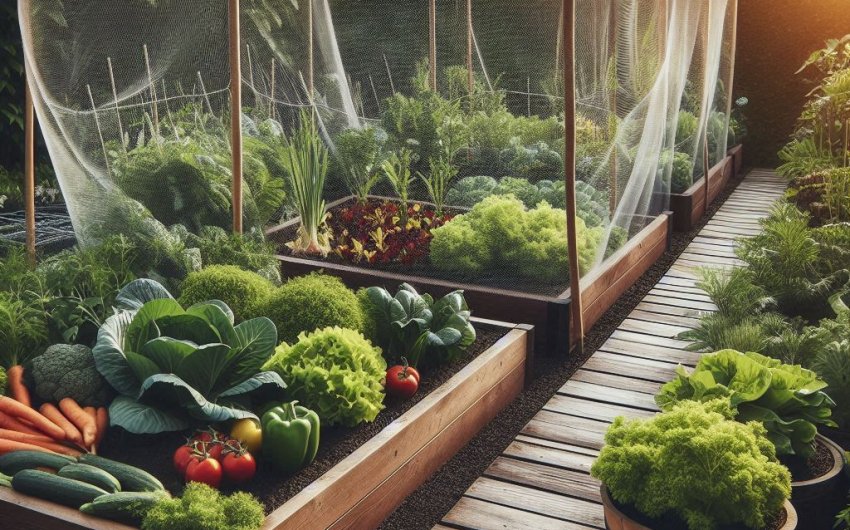
You've put in the effort to build your beautiful raised garden beds and filled them with rich organic soil, dreaming of a bountiful harvest. The last thing you want is for pests to move in and spoil your hard work! While pests are an inevitable part of gardening, the good news for organic gardeners is that you can effectively keep pests out of organic raised bed gardens without resorting to harsh chemicals. Raised beds actually offer some unique advantages for pest management, and by combining smart design choices with consistent organic pest control strategies, you can enjoy a thriving, chemical-free garden. This guide will walk you through the best methods to protect your precious plants from unwanted visitors.
Why are Raised Beds Great for Organic Pest Control?
Raised garden beds aren't just for aesthetics or improving drainage; they offer built-in advantages for organic pest management.
- Defined Boundaries: The sides of the bed create a physical barrier, making it harder for crawling pests (like slugs and snails) to enter.
- Controlled Soil: You fill your raised beds with fresh, often sterile organic potting mix or amended soil, which means you start with fewer soil-borne pests (like wireworms) or disease pathogens.
- Easier Access: Being elevated, raised beds are easier to inspect regularly for pests, and easier to hand-pick bugs or apply targeted organic sprays.
- Simple Exclusion: It's much simpler to install physical barriers (like netting or row covers) over a defined raised bed than over an sprawling in-ground garden.
- Better Drainage: Healthy, well-drained soil (typical in raised beds) leads to healthier plants, which are naturally more resilient to pest attacks.
Step 1: Build the Right Raised Bed (with Pest Prevention in Mind!)
Your bed's construction can include features that deter pests from the start.
1. Choose Appropriate Materials:
- Wood (Untreated/Naturally Rot-Resistant): Cedar or redwood are great choices for raised garden bed kits. Avoid pressure-treated wood, especially if growing edibles, as chemicals can leach.
- Stone/Brick/Cinder Block: Durable and long-lasting, these create very effective barriers for crawling pests.
- Avoid Gaps: For wood beds, ensure joints are tight. For stone/brick, use mortar or make joints as tight as possible to prevent small pests from squeezing through.
2. Line the Bottom (Optional but Recommended):
- Hardware Cloth: To deter burrowing pests like voles, gophers, or moles, line the bottom of your raised bed with 1/4-inch hardware cloth before filling it with soil. This creates a strong, impenetrable barrier. A roll of galvanized hardware cloth is inexpensive.
- Landscape Fabric: Over the hardware cloth (or directly on the ground if burrowing pests aren't an issue), lay heavy-duty landscape fabric. This prevents weeds from growing up into your bed while still allowing drainage.
Step 2: Prepare Your Soil for Organic Pest Resistance
Healthy soil equals healthy plants, and healthy plants are your first line of defense against pests.
1. Use High-Quality Organic Soil Mix:
- Fill your raised beds with a blend of good topsoil, plenty of organic compost, and possibly some perlite for drainage. This ensures you start with a clean, fertile base free of soil-borne pests and diseases.
- Avoid Garden Soil: Don't simply fill raised beds with existing garden soil, which might already harbor pests, diseases, or weed seeds.
- Compost is Key: Regularly replenish your beds with organic compost. It fosters beneficial microbes that can suppress harmful pathogens and provides balanced nutrients for strong plant growth.
2. Balanced Nutrition (Natural Fertilizers Only!):
- Avoid excessive nitrogen, which can lead to lush, tender new growth that attracts sap-sucking pests like aphids. Use natural fertilizers like organic fish emulsion or organic alfalfa meal that release nutrients slowly.
- Strong, well-fed plants are more resilient to pest damage.
Step 3: Implement Physical Barriers (Your Best Organic Defense!)
These are incredibly effective and the least toxic way to keep pests out of organic raised bed gardens.
1. Floating Row Covers: The Invisible Shield
- What They Are: Lightweight, translucent fabrics draped over plants or hoops. They allow sunlight and water to pass through but keep insects out.
- Benefits: Protects against common flying pests like cabbage moths (preventing cabbage worms), cucumber beetles, squash vine borers, flea beetles, and aphids.
- How to Use:
- Drape over Hoops: For raised beds, install garden hoops over your beds. Drape the floating row cover over the hoops and secure the edges firmly to the bed frame or ground (e.g., with clothespins, rocks, or soil) to prevent pests from crawling underneath.
- Timing: Apply immediately after planting seeds or transplanting seedlings.
- Pollination: Remove row covers when plants need pollination (e.g., squash, cucumbers, tomatoes) during flowering, or hand-pollinate. Put them back on after.
- Sustainable Impact: Eliminates need for sprays, protects beneficials (when removed for pollination).
2. Copper Tape or Barriers for Slugs and Snails:
- What They Are: Copper tape creates a mild electrical charge that deters slugs and snails.
- Benefits: Effective, non-toxic barrier.
- How to Use: Apply copper slug tape around the rim of your raised beds. Ensure it makes full contact and is free of debris.
3. Vertical Barriers (for Crawling Pests/Larger Animals):
- Netting/Fencing: Extend a fine mesh garden netting or small-gauge chicken wire (at least 2-3 feet high) up from your raised bed walls. Secure it to posts. This can deter rabbits, squirrels, and even deer from jumping in.
- Hardware Cloth Collar: For cutworms, place a small collar (made of cardboard or hardware cloth) around the base of young plant stems, extending an inch or two into the soil and above ground.
Step 4: Organic Cultural Practices (Working with Nature!)
These techniques leverage the garden's ecosystem to manage pests.
1. Attract Beneficial Insects: Your Garden's Natural Army
Many insects are natural predators of common garden pests.
- Benefits: Ladybugs eat aphids, lacewing larvae devour many soft-bodied pests, parasitic wasps lay eggs in caterpillars/aphids, hoverfly larvae consume aphids.
- How to Attract: Plant a diverse array of flowers and herbs (especially those with small, open flowers) throughout your garden and even within your raised beds.
- Good choices: Sweet alyssum, dill, cilantro (let it flower!), fennel (can be invasive, use caution), cosmos, marigolds. A beneficial insect seed mix is excellent.
- Provide Water: A shallow bird bath with pebbles provides a water source for beneficial insects.
- Avoid Pesticides (All Kinds!): Crucial for protecting these allies.
2. Companion Planting: Smart Plant Neighbors
Certain plants can deter pests or enhance the growth of nearby plants.
- Strong-Smelling Herbs: Marigolds (deter nematodes and some other pests), basil (deters flies/hornworms on tomatoes), onions/garlic/chives (deter aphids and other pests).
- Trap Crops: Plant "sacrificial" crops that pests prefer, drawing them away from your main vegetables. For example, nasturtiums attract aphids. You then manage pests on the trap crop.
3. Crop Rotation: Don't Let Pests Settle In
Even in raised beds, practice crop rotation. Don't plant the same vegetable family in the same bed year after year.
- Benefits: Disrupts the life cycles of soil-borne pests and diseases that are specific to certain plant families.
- How to Rotate: Group your vegetables by family (e.g., Nightshades, Brassicas, Legumes, Root crops). Move each group to a different raised bed (or section of a large bed) each year. Keep a garden journal notebook to track rotations.
4. Good Garden Hygiene: Cleanliness is Key
- Remove Debris: Promptly remove any dead, diseased, or heavily infested plant material from your beds. Dispose of it (don't compost diseased material).
- Weed Control: Keep weeds down in and around your raised beds, as they can harbor pests or compete with your plants. Use organic mulch.
Step 5: Direct Organic Interventions (When Pests Show Up)
Despite your best efforts, pests may still appear. Here's how to deal with them organically.
1. Manual Removal: Hands-On Pest Control
- Hand-Picking: For larger pests (tomato hornworms, squash bugs, slugs/snails), simply pick them off and drop them into a bucket of soapy water.
- Water Blast: For aphids and spider mites, a strong spray of water from your hose can dislodge them from leaves.
2. Yellow Sticky Traps: Monitoring and Trapping
- Method: Hang yellow sticky traps near plants to monitor and catch flying pests like whiteflies, fungus gnats, and winged aphids.
- Benefits: Non-toxic, helps you know what pests are present and in what numbers.
3. Organic Sprays (Last Resort, Targeted Use):
Use these only when other methods aren't sufficient and always as a last resort, as they can still affect beneficial insects if sprayed directly. Always apply in the evening or early morning to minimize impact on pollinators.
- Insecticidal Soap: Effective against soft-bodied pests (aphids, spider mites, whiteflies). It works on contact by disrupting their outer layer. A good organic insecticidal soap spray is widely available.
- Neem Oil: A natural botanical insecticide derived from the neem tree. It acts as an anti-feedant, growth regulator, and can smother pests. Effective against a broad range of pests. A quality organic neem oil is a versatile tool.
- Bacillus thuringiensis (Bt): A naturally occurring bacterium that specifically targets caterpillars when they ingest it. Harmless to other insects, animals, and humans. Use a Bt spray for caterpillar outbreaks.
- Diatomaceous Earth (Food Grade): A natural powder made from fossilized algae. When dry, it's abrasive to soft-bodied insects, dehydrating them. Sprinkle around the base of plants for crawling pests like slugs, ants, or earwigs. A bag of food grade diatomaceous earth is useful. Reapply after rain.
Keeping pests out of organic raised bed gardens is an ongoing process of observation, prevention, and targeted intervention. By building robust beds, nurturing healthy soil, utilizing physical barriers, encouraging beneficial insects, and employing selective organic treatments, you'll cultivate a vibrant, productive, and truly chemical-free garden that resists pests and provides abundant harvests for years to come.