
How to Grow Organic Corn Without Synthetic Chemicals?
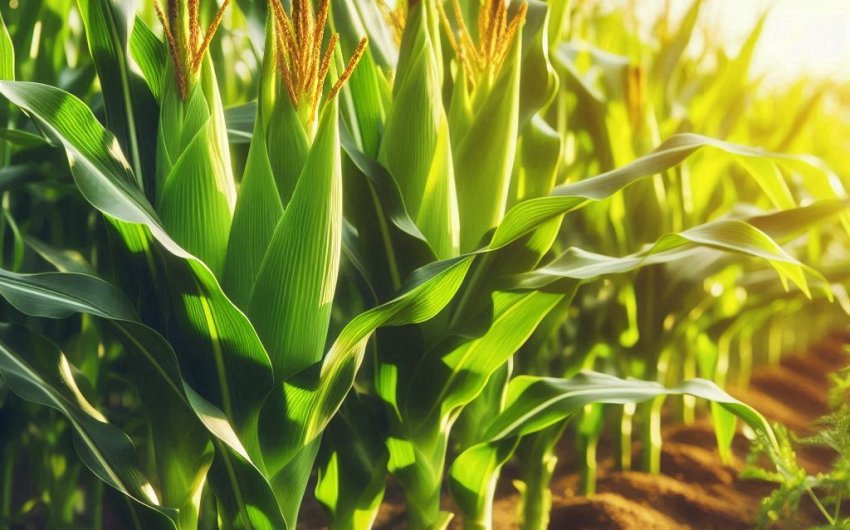
There's something truly iconic about a tall stand of corn swaying in the summer breeze. And when you pick a sweet, juicy ear straight from your own garden, knowing it was grown completely organically – the taste is unparalleled! While corn is a hungry plant and can sometimes be a target for pests, it's absolutely possible to grow organic corn without synthetic chemicals. It all comes down to building incredibly healthy soil, smart planting strategies, and embracing natural pest and disease prevention. This guide will walk you through everything you need to know about cultivating a successful, chemical-free corn harvest, allowing you to enjoy fresh, wholesome ears straight from your backyard.
Why Grow Organic Corn?
Choosing to grow organic corn is a powerful decision with benefits for your health, your garden, and the environment.
- Healthier Food: No pesticide residues on your sweet corn, meaning safer and cleaner food for your family.
- Healthier Soil: Organic gardening practices build and feed the soil's intricate ecosystem, improving its long-term fertility and structure, rather than depleting it with synthetic inputs.
- Environmental Protection: No harmful chemicals polluting waterways, harming beneficial insects, or damaging local wildlife.
- Superior Flavor: Many organic gardeners report that naturally grown corn has a richer, sweeter flavor, a direct result of being nourished by a balanced soil ecosystem.
- Supports Pollinators: Growing corn organically means you're creating a safe space for the bees and other pollinators crucial for corn production.
Step 1: Choosing Your Organic Corn Variety
There are many types of corn, and selecting the right one is key to success, especially for organic growers.
Types of Sweet Corn:
- Standard (Sugary/SU): The original sweet corn flavor, but sugars convert to starch quickly after harvest.
- Sugary Enhanced (SE): Sweeter and more tender than SU, holds sweetness longer. Most common type for home gardens.
- Super Sweet (Sh2): Very sweet, crisp, and holds sweetness for a long time. Needs to be isolated from other corn types to prevent cross-pollination, which can make it starchy.
- Miracle (Synergistic/SY): Combines traits of SE and Sh2.
Key Considerations for Organic Growing:
- Days to Maturity: Choose a variety that has enough time to mature in your growing season (from your last frost to your first fall frost).
- Disease Resistance: Look for varieties with natural resistance to common corn diseases like rust, smut, or Stewart's wilt.
- Organic Seeds: Always start with certified organic corn seeds. This ensures your plants begin their lives without exposure to synthetic treatments. You can find many varieties of organic corn seeds from reputable suppliers.
- Non-GMO: All organic seeds are non-GMO.
Step 2: Preparing the Soil for Organic Corn (Heavy Feeders!)
Corn is a very heavy feeder, meaning it needs abundant nutrients, especially nitrogen, to grow tall and produce large ears. Building rich, fertile soil is paramount in an organic corn patch.
The Foundation: Lots of Organic Matter
- Compost: Mix a very generous amount of well-rotted organic compost into your corn planting area. Aim for at least 4-6 inches of compost mixed into the top 12-18 inches of soil. Compost provides a balanced slow-release of nutrients and is packed with beneficial microbes. This is essential for feeding hungry corn. You can find high-quality organic compost or easily make your own.
- Aged Manure: If you have access to well-rotted (aged at least 6-12 months) animal manure (cow, horse, chicken), mix in 1-2 inches. It's a fantastic, nitrogen-rich organic amendment.
- Worm Castings: Add a few shovelfuls of organic worm castings (organic worm castings) to the planting hole or mix them into your bed. They provide gentle nutrients and boost microbial activity.
Soil pH Check:
- Corn prefers a soil pH between 6.0 and 6.8. A soil test is always recommended. If your pH is outside this range, you may need to adjust it (add lime for too acidic, elemental sulfur for too alkaline). Follow package directions carefully.
Step 3: Planting Organic Corn
Proper planting is crucial for good pollination and a successful harvest.
When to Plant:
- Corn loves warmth. Plant after all danger of frost has passed and soil temperatures are consistently above 60°F (15°C). Nighttime temperatures should also be consistently warm.
- In cooler climates, you can use black plastic sheeting over the soil to warm it up faster.
Planting Method: In Blocks, Not Rows!
This is vital for good pollination. Corn is wind-pollinated, meaning pollen from the tassels (male flowers at the top) needs to fall onto the silks (female parts of the ear). A block planting ensures better cross-pollination.
- Plant in Blocks (Squares): Plant corn in a block of at least 4x4 rows, rather than a single long row. For example, a 4x4 foot square can hold about 16 plants.
- Spacing: Plant seeds 1 inch deep and about 8-12 inches apart within the block.
- Succession Planting: For a continuous harvest, plant a new block of corn every 2-3 weeks, or plant varieties with different "days to maturity" at the same time.
Step 4: Watering Organic Corn
Corn is a thirsty plant, especially when it's growing rapidly and forming ears.
- Consistent Moisture is Key: Provide consistent, deep watering, aiming for 1 inch of water per week (more in hot, dry, or windy weather). This ensures the water penetrates at least 6-8 inches into the soil.
- Crucial Times: Watering is most critical during:
- Tasseling: When the male flower (tassel) emerges at the top.
- Silking: When the silks emerge from the ears.
- Ear Filling: When the kernels are forming and filling out.
- Avoid Overhead Watering (If Possible): While rain is fine, a drip irrigation system or soaker hoses deliver water directly to the base of the plant, minimizing water waste and reducing the risk of fungal diseases on leaves. A soaker hose kit is great for corn blocks.
- Mulch Heavily: Once corn is a foot tall, apply a 2-4 inch layer of organic mulch (straw, shredded leaves, grass clippings) around your plants. Mulch conserves moisture, suppresses weeds, and keeps soil temperatures stable. A bale of garden straw mulch is perfect for corn.
Step 5: Fertilizing Organic Corn with Natural Fertilizers
As a heavy feeder, organic corn benefits from supplemental nitrogen throughout its growth cycle.
Organic Fertilizer Options:
- Side Dressing with Compost: Once plants are about 1 foot tall, and again when they begin to tassel, side-dress around your corn plants with a few inches of organic compost. Gently scratch it into the soil. This provides a balanced, slow-release feed.
- Alfalfa Meal: A fantastic, balanced organic fertilizer (around 2-1-2 NPK) that promotes growth and improves soil. Side-dress with 1/2 to 1 cup around each plant once they are about a foot tall, and again during tasseling. Gently scratch it in and water well. A bag of organic alfalfa meal is very versatile.
- Blood Meal: For a significant nitrogen boost, use blood meal sparingly. Apply 1-2 teaspoons around each plant when they are about a foot tall. Water in well immediately.
- Fish Emulsion: A liquid organic fertilizer (often 5-1-1 NPK) that provides a quick nitrogen boost. Use diluted as a liquid feed every 2-3 weeks, especially when plants are young and actively growing. Follow package directions for dilution. A quality organic fish emulsion is a good liquid option.
- Compost Tea: A beneficial microbial and nutrient boost. Drench the soil around corn plants.
Do NOT Use Chemical Fertilizers:
Synthetic, high-nitrogen fertilizers can harm beneficial soil microbes, burn plants, and contribute to environmental pollution. Stick to the natural fertilizers that feed the soil.
Step 6: Organic Pest and Disease Management for Corn
Corn can face a few common pest and disease challenges, but organic methods are effective.
1. Corn Earworms: The Frustrating Invaders
- Identification: Caterpillars that tunnel into the tips of corn ears, often leaving behind dark frass (excrement).
- Organic Treatment:
- Mineral Oil: Once silks appear and begin to brown (meaning pollination is complete, typically a few days after silks emerge), apply 5-7 drops of plain mineral oil into the tip of each ear, just inside the silk channel. This suffocates any larvae trying to enter. Repeat once per ear. This is very effective and non-toxic. You can find food grade mineral oil.
- Bt (Bacillus thuringiensis): For heavy infestations, Bt spray can be applied to the silks as they emerge. Caterpillars eat it and die. Apply every few days as silks continue to grow. A Bt spray is organic and safe.
- Hand-Picking: Physically remove worms from the ear tips.
- Resistant Varieties: Some varieties are bred for tighter husks, making it harder for worms to enter.
2. Corn Borer: Another Caterpillar Foe
- Identification: Larvae tunnel into stalks and ears.
- Organic Treatment: Similar to earworms. Bt spray is effective on young larvae. Remove infested stalks.
3. Aphids: Sap Suckers
- Identification: Small, soft-bodied insects clustering on leaves or tassels.
- Organic Treatment: Water blast, attracting beneficial insects (ladybugs!), organic insecticidal soap or Neem oil.
4. Raccoons, Squirrels, Birds: Mammal & Bird Pests
- Identification: Eaten ears, husks pulled back.
- Organic Treatment:
- Physical Barriers: Fencing, or netting around the corn patch (can be cumbersome).
- Radios/Scare Devices: Can deter temporarily.
- Harvest Promptly: Harvest as soon as ripe.
5. Diseases (Rust, Smut, Wilt):
- Prevention is Key: Choose disease-resistant varieties.
- Crop Rotation: Practice crop rotation (corn is a heavy feeder and can deplete specific nutrients). Don't plant corn in the same spot year after year.
- Good Air Circulation: Space plants properly.
- Garden Hygiene: Remove and destroy (don't compost) diseased plant material.
Step 7: Pollination and Harvesting Organic Corn
Pollination:
- Crucial Timing: Pollination happens when pollen from the tassel falls onto the silks. Each silk connects to one kernel. If a silk isn't pollinated, that kernel won't develop.
- Hand Pollination (Optional): If you're concerned about poor pollination (e.g., poor weather during silking, very small planting), you can hand pollinate. Gently shake tassels over the silks in the morning.
Harvesting:
- When to Harvest: Look for these signs:
- Silks have turned dark brown and dry.
- Kernels feel plump and firm when gently squeezed through the husk.
- A small sample kernel (pop one off!) should be milky, not watery (too early) or doughy (too late).
- How to Harvest: Grab the ear firmly and twist downwards until it snaps off the stalk.
- Eat Promptly!: For best sweetness, eat sweet corn immediately after harvesting. The sugars begin converting to starch as soon as it's picked. If you can't eat it all, blanch and freeze it.
Growing organic corn without synthetic chemicals is a rewarding experience that yields incredibly fresh and delicious results. By building exceptionally fertile soil, providing consistent care, using smart planting techniques for pollination, and employing proactive organic pest control, you can enjoy a bountiful harvest of chemical-free corn, becoming a truly successful organic gardener.