
How to Encourage Beneficial Insects in an Organic Garden?
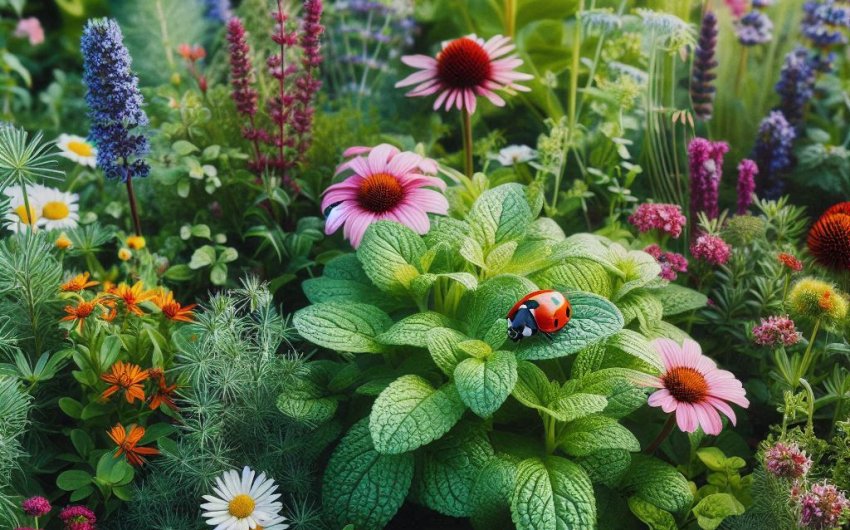
To encourage beneficial insects in an organic garden, focus on creating a diverse habitat that provides these helpful creatures with a consistent supply of food, water, and shelter. This involves strategic plant selection, thoughtful garden design, and avoiding synthetic pesticides.
Why Are Beneficial Insects Important for an Organic Garden?
Beneficial insects are the unsung heroes of a thriving organic garden. They play crucial roles that support plant health, reduce pest pressure, and enhance overall garden productivity without the need for harmful chemicals. Understanding their importance is the first step toward encouraging beneficial insects in an organic garden.
Natural Pest Control
This is perhaps the most significant role of beneficial insects. Many of these insects are natural predators or parasitoids of common garden pests. Instead of reaching for synthetic pesticides that can harm the environment and human health, you can unleash a mini-army of pest fighters.
- Predators: These insects, like ladybugs, lacewings, and hoverfly larvae, actively hunt and consume pest insects. A single ladybug can eat thousands of aphids in its lifetime. They are constantly on patrol, keeping pest populations in check.
- Parasitoids: These insects, such as certain parasitic wasps, lay their eggs inside or on the bodies of pest insects. When the eggs hatch, the larvae feed on the host, eventually killing it. This is a highly effective and targeted form of pest control.
By relying on natural predators, you establish a balanced ecosystem where pests are naturally managed, reducing the need for intervention and fostering a healthier garden.
Pollination Services
While many people think of bees when they hear "pollination," a wide variety of beneficial insects contribute to this vital process. Pollination is essential for the reproduction of many plants, including most fruits, vegetables, and flowering plants.
- Bees (various species): From honey bees to countless native solitary bees, they are incredibly efficient at transferring pollen.
- Butterflies and Moths: While less efficient than bees, they contribute significantly to pollination, especially for flowers with deep nectar tubes.
- Hoverflies: Often mistaken for bees, hoverflies are excellent pollinators, particularly in cooler weather when bees might be less active.
- Beetles: Some beetles are important pollinators, especially for ancient flowering plants.
Without these pollinators, many of your garden's yields would be significantly reduced or non-existent. Encouraging beneficial insects in an organic garden directly translates to better harvests.
Soil Health Improvement
While not directly impacting soil structure like worms, some beneficial insects contribute to the overall health of the soil ecosystem indirectly. For example, by controlling pest populations, they reduce the stress on plants, allowing plants to develop stronger root systems which, in turn, contribute to healthier soil. Their presence indicates a thriving, balanced ecosystem.
Reduced Reliance on Chemicals
The very essence of an organic garden is to avoid synthetic pesticides, herbicides, and fertilizers. Beneficial insects are a cornerstone of this philosophy. When you have a robust population of these insects, you simply don't need chemical interventions. This protects:
- Your Health: No exposure to potentially harmful residues.
- Environmental Health: No runoff of chemicals into waterways, no harm to non-target organisms.
- Garden Biodiversity: Synthetic pesticides often kill indiscriminately, wiping out beneficial insects along with pests, leading to a vicious cycle of pest outbreaks.
By fostering a welcoming environment for beneficial insects, you create a self-regulating system that is more resilient, more sustainable, and truly organic. It's about working with nature, not against it, to achieve a beautiful and productive garden.
How Can I Provide Food Sources for Beneficial Insects?
Providing consistent and varied food sources is paramount to encouraging beneficial insects in an organic garden. Just like any living creature, they need nourishment to survive, thrive, and reproduce. Their dietary needs often include nectar, pollen, and, of course, other pest insects.
Plant Nectar-Rich Flowers
Nectar is a sugary liquid that provides energy for many adult beneficial insects, including predatory wasps, hoverflies, and lacewings. They need this fuel to patrol your garden and lay eggs.
- Flat, Open Flowers: Insects with short mouthparts, like many small wasps and hoverflies, prefer flowers with easy access to nectar. Examples include dill, fennel, cilantro, parsley, and other members of the carrot family (Apiaceae).
- Umbelliferous Flowers: These flowers have clusters of small flowers arranged in umbrella-like shapes, making nectar easily accessible.
- Examples:
- Dill and Fennel: These provide abundant tiny flowers that are highly attractive.
- Cilantro (when bolted): Let some of your cilantro go to seed.
- Parsley: Another excellent choice when it flowers.
- Sweet Alyssum: A low-growing, spreading annual with tiny, sweet-smelling flowers that attracts hoverflies and small parasitic wasps.
- Cosmos: Easy to grow and offers a variety of colors, attracting bees and hoverflies.
- Marigolds: Certain varieties, particularly single-petal types, provide pollen and nectar. Organic Marigold Seeds are a great start.
Offer a Variety of Pollen Sources
Pollen provides protein and other nutrients, especially important for female predatory insects as they develop eggs.
- Daisy-Like Flowers: Many beneficial insects are drawn to flowers with accessible pollen in their central disks.
- Examples:
- Sunflowers: Large pollen factories, attracting a wide range of pollinators.
- Echinacea (Coneflower): Attracts bees and butterflies.
- Coreopsis: Bright, cheerful flowers that provide good pollen.
- Zinnias: Easy-to-grow annuals that are butterfly magnets.
- Comfrey: A powerhouse plant, loved by bees and providing dynamic accumulator benefits for soil.
Ensure Continuous Bloom Throughout the Season
To keep beneficial insects in your garden, you need to provide a continuous food supply from spring through fall.
- Succession Planting: Plant a mix of early, mid, and late-blooming flowers.
- Annuals and Perennials: Include both to ensure consistent blooms year after year. Annuals like cosmos and zinnias provide long-lasting color, while perennials like coneflower and yarrow return reliably.
- "Weeds" as Food: Sometimes, what we consider a weed, like clover or dandelions, can be an early season food source. Consider tolerating small patches of these, especially in less formal areas.
| Bloom Time | Example Plants for Beneficial Insects | Attracts Primarily |
|---|---|---|
| Early Spring | Willow, Crocus, Dandelion, Clover, Mustard Greens (bolted) | Early bees, hoverflies |
| Late Spring | Cilantro (bolted), Dill, Borage, Phacelia, California Poppy | Ladybugs, hoverflies, lacewings, parasitic wasps, bees, butterflies |
| Summer | Cosmos, Zinnia, Sunflower, Echinacea, Yarrow, Fennel, Coreopsis, Aster | Wide variety of predators, parasitoids, bees, butterflies |
| Fall | Goldenrod, Aster, Sedum, Mums, Late-blooming Cosmos | Late-season bees, butterflies, preparing for hibernation or migration |
Include Host Plants for Larvae
Some beneficial insects, like butterflies, have specific host plants where their larvae feed. For instance, monarch butterflies need milkweed. While not directly feeding adult beneficials, providing these host plants ensures future generations of beneficial insects will thrive in your garden.
By thoughtfully selecting and planting a diverse range of nectar and pollen sources, you create a veritable buffet for beneficial insects, enticing them to stay, reproduce, and help manage pests in your organic garden. Consider creating a dedicated "beneficial insect border" or integrating these plants throughout your vegetable beds for maximum impact.
What Kinds of Shelter and Habitat Do Beneficial Insects Need?
Beyond food, providing shelter and habitat is equally crucial for encouraging beneficial insects in an organic garden. They need safe places to rest, hide from predators, overwinter, and reproduce. A diverse garden landscape offers more opportunities for these vital creatures to thrive.
Create Diverse Plantings
A monoculture (a single type of plant) is a desert for many insects. Diversity is key.
- Layered Planting: Mimic natural ecosystems by incorporating plants of different heights and structures – groundcovers, low-growing herbs, taller perennials, and shrubs. This creates various microclimates and hiding spots.
- Mixed Beds: Don't separate your ornamentals from your edibles. Interspersing flowers throughout your vegetable garden attracts beneficials directly to your crops.
- Native Plants: Prioritize native plants whenever possible. They are adapted to your local climate and often have evolved alongside native insect species, providing optimal food and habitat. Check with your local extension office for a list of beneficial insect-attracting native plants in your area.
Provide Overwintering Sites
Many beneficial insects need a safe place to spend the colder months. Without these sites, they may not survive to help you the following spring.
- Leaf Litter: Resist the urge to meticulously rake every leaf. A layer of leaf litter under shrubs or in dedicated areas provides insulation and hiding spots for dormant insects.
- Dead Stems: Leave some dead plant stems standing over winter, especially hollow-stemmed plants like sunflowers, coneflowers, or hydrangeas. Many beneficial insects, including solitary bees and overwintering ladybugs, can find refuge inside. You can trim them back in early spring.
- Brush Piles: If space allows, a small, neat brush pile in a secluded corner can offer excellent shelter.
- Mulch: A layer of organic mulch (shredded leaves, wood chips) provides insulation and a protected environment for ground-dwelling beneficials.
Offer Water Sources
Like all living creatures, insects need water, especially during hot, dry periods.
- Shallow Water Dishes: Place shallow dishes or saucers filled with pebbles or marbles and water. The pebbles provide a landing spot, preventing insects from drowning.
- Bird Baths with Stones: Add a few large stones to a bird bath to create shallow areas for insects.
- Damp Soil: Regularly watered garden beds or areas where water collects temporarily can provide moisture.
- Avoid Deep Ponds: While beautiful, deep, open water is often not suitable for many small insects.
Install Insect Hotels or Bug Houses
These structures are designed to provide specific nesting and overwintering sites for various beneficial insects.
- Types:
- Bamboo or Drilled Wood: Bundles of hollow bamboo canes or blocks of wood with drilled holes attract solitary bees (e.g., mason bees, leafcutter bees) and some predatory wasps. Insect Hotel for Garden can be found online.
- Pinecones or Straw: Attract ladybugs, lacewings, and other beneficials seeking crevices.
- Placement: Place them in a sunny, sheltered spot, preferably facing south or southeast, and protect them from heavy rain.
Create "Wild" Areas or Borders
Designate a small, less-manicured area of your garden to go a little wild.
- Hedgerows: If possible, plant a small hedgerow of native shrubs, which provides dense cover and nesting sites.
- Tall Grasses: A patch of ornamental grasses can offer shelter and hunting grounds.
- Avoid Over-Tidying: A slightly "messy" garden is often a more hospitable one for wildlife. Resist the urge to remove every spent plant or rake every leaf.
By thoughtfully incorporating diverse plantings, providing overwintering sites, offering water, and considering structures like insect hotels, you can significantly enhance the habitat for beneficial insects, truly encouraging beneficial insects in an organic garden and fostering a robust ecosystem that does the work for you.
Which Beneficial Insects Should I Encourage in My Organic Garden?
To truly encourage beneficial insects in an organic garden, it helps to know who you're trying to attract and what they do. While many insects are helpful, some are particularly effective against common garden pests. Here are some of the stars of the beneficial insect world:
Ladybugs (Lady Beetles)
- Identification: Adult ladybugs are iconic – small, dome-shaped beetles, usually red or orange with black spots. Their larvae look like tiny, spiky, alligator-like creatures, often black with orange or red markings.
- Pest Control: Both adult and larval ladybugs are voracious predators of aphids. They also feed on scale insects, mealybugs, whiteflies, and spider mites. A single ladybug larva can consume hundreds of aphids before pupating.
- How to Attract: Plant dill, fennel, cilantro, sweet alyssum, marigolds, and dandelions. Provide shallow water sources. Avoid pesticides. You can even purchase Live Ladybugs for Garden to release, though establishing habitat is key for them to stay.
Green Lacewings
- Identification: Adults are delicate, pale green insects with beautiful, lacy wings and golden eyes. The larvae, often called "aphid lions," are alligator-like, grayish-brown, and have prominent, sickle-shaped jaws.
- Pest Control: Lacewing larvae are incredibly effective predators of a wide range of soft-bodied pests, including aphids, mealybugs, whiteflies, thrips, spider mites, and small caterpillars. Adults primarily feed on nectar and pollen.
- How to Attract: Plant dill, angelica, cosmos, sweet alyssum, coreopsis, and provide sheltered overwintering sites like dead leaves or brush piles. You can also purchase Lacewing Eggs for release.
Hoverflies (Syrphid Flies)
- Identification: Often mistaken for bees or wasps due to their black and yellow stripes, but they only have two wings (flies have two, bees/wasps have four) and hover in mid-air. Their larvae are typically green or brown, legless maggots.
- Pest Control: Hoverfly larvae are highly effective predators of aphids. They spear aphids with their mouthparts and suck out their insides. Adults are important pollinators, feeding on nectar and pollen.
- How to Attract: Plant many small, open, nectar-rich flowers like dill, cilantro (bolted), sweet alyssum, cosmos, marigolds, and daisies.
Parasitic Wasps (Various Species)
- Identification: These are tiny, often black or dark-colored wasps, usually only a few millimeters long. They are not aggressive and do not sting humans.
- Pest Control: Parasitic wasps are highly specialized. Female wasps lay their eggs inside or on the bodies of specific pest insects (e.g., aphids, caterpillars, whiteflies, squash bugs). The wasp larvae then consume the host from within, often leaving behind a "mummy" (e.g., an aphid carcass) when they emerge.
- How to Attract: They are drawn to very small flowers with easily accessible nectar and pollen, especially members of the carrot family (dill, fennel, cilantro, parsley) and sweet alyssum.
Ground Beetles
- Identification: These are typically dark, often iridescent beetles, fast-moving and found scurrying on the soil surface, usually at night.
- Pest Control: Most ground beetles are nocturnal predators of slugs, snails, cutworms, cabbage maggots, caterpillars, and other ground-dwelling pests.
- How to Attract: Provide ground cover (mulch, low-growing plants), flat stones or logs for hiding places, and avoid disturbing the soil excessively.
Predatory Mites
- Identification: Very tiny, almost microscopic, usually pear-shaped and lighter colored than the spider mites they prey on.
- Pest Control: Certain predatory mites (e.g., Phytoseiulus persimilis) are highly effective at controlling spider mites.
- How to Attract: Maintain good plant health and humidity (spider mites thrive in dry conditions), and avoid broad-spectrum pesticides that kill them. You can also purchase Predatory Mites for Spider Mite Control.
Dragonflies and Damselflies
- Identification: Large, charismatic flying insects, often found near water. Dragonflies hold their wings out flat at rest, while damselflies hold them together over their backs.
- Pest Control: Both adult and larval dragonflies and damselflies are excellent predators of mosquitoes, flies, and other flying insects. Larvae live in water and feed on aquatic insect larvae.
- How to Attract: If space allows, create a small pond or water feature, as their nymphs are aquatic. Plant emergent vegetation around the edges.
By focusing on creating a welcoming environment, you'll find that these and many other beneficial insects will naturally gravitate to your organic garden, helping you achieve a balanced ecosystem and healthier plants.
How Do I Avoid Harming Beneficial Insects in My Organic Garden?
To truly encourage beneficial insects in an organic garden, it's just as important to know what not to do as it is to know what to do. Avoiding practices that harm these helpful creatures is critical for their survival and the success of your natural pest control strategy.
1. Eliminate Synthetic Pesticides Entirely
This is the cornerstone of protecting beneficial insects in an organic garden. Synthetic pesticides, even "organic-approved" ones used improperly, are often broad-spectrum, meaning they kill indiscriminately.
- Broad-Spectrum Killers: Insecticides like pyrethrins, neonicotinoids, and organophosphates don't differentiate between a destructive aphid and a beneficial ladybug. They wipe out entire insect populations, including your allies.
- Residual Effects: Many synthetic pesticides leave residues that continue to harm insects for weeks or even months after application.
- Disrupting the Ecosystem: When you kill off beneficials, you remove the natural predators of pest insects. This often leads to a "pest rebound" where pest populations return even stronger because their natural enemies are gone. This creates a reliance on chemicals, which defeats the purpose of an organic garden.
Instead, rely on cultural practices, physical barriers, and the beneficial insects you're encouraging.
2. Practice Targeted Pest Management
If pest pressure becomes too high, use targeted, least-toxic methods that minimize harm to beneficial insects.
- Hand-Picking: For larger pests like tomato hornworms or slugs, simply pick them off and dispose of them.
- Strong Water Spray: A strong jet of water can knock aphids or spider mites off plants without harming larger beneficials.
- Insecticidal Soap: This is a least-toxic option for soft-bodied pests. It works by suffocating insects on contact and leaves no harmful residue once dry. Apply it directly to the pests, avoiding beneficials as much as possible, and use it in the evening when many beneficials are less active. Organic Insecticidal Soap is readily available.
- Neem Oil: This botanical insecticide and fungicide works as a repellent, antifeedant, and growth disruptor. It's generally less harmful to beneficials than synthetic pesticides, as it must be ingested. Apply it in the evening to avoid harming pollinators and allow it to dry before beneficials become active. Cold Pressed Neem Oil is a good choice.
- Targeted Application: If you must spray, spray only the affected plants or parts of plants, rather than drenching the entire garden.
3. Minimize Soil Disturbance
Many beneficial insects, particularly ground beetles and solitary bees, spend part of their life cycle in the soil or rely on the soil surface for hunting and shelter.
- No-Till or Low-Till Gardening: Reducing tilling or digging preserves soil structure and protects beneficial insects (and other soil organisms) that live beneath the surface.
- Mulch: A consistent layer of organic mulch provides a stable environment and shelter for ground-dwelling beneficials.
4. Provide Undisturbed Areas for Overwintering
Many beneficial insects overwinter in garden debris.
- Leave Some Leaf Litter: Instead of raking away every single leaf, leave small piles in out-of-the-way areas or around the base of shrubs and trees.
- Delay Fall Cleanup: Wait until early spring (after temperatures consistently rise above 50°F or 10°C) to cut back spent perennial stalks. Many insects will have emerged by then. Hollow stems are particularly important for solitary bees.
5. Control Weeds Thoughtfully
While some "weeds" can be beneficial for providing early nectar (like dandelions), excessive weed growth can compete with your cultivated plants.
- Hand-Pulling: Manual removal is the safest method for beneficials.
- Targeted Mulching: Use mulch to suppress weeds around your desired plants.
- Avoid Herbicides: Herbicides will kill plants indiscriminately, destroying potential food and habitat for beneficials.
By actively choosing gentle, targeted interventions and maintaining a natural, undisturbed environment where possible, you create a haven for beneficial insects, allowing them to flourish and effectively manage pests in your flourishing organic garden.