
What Plants Are Best Suited for a Garden House?
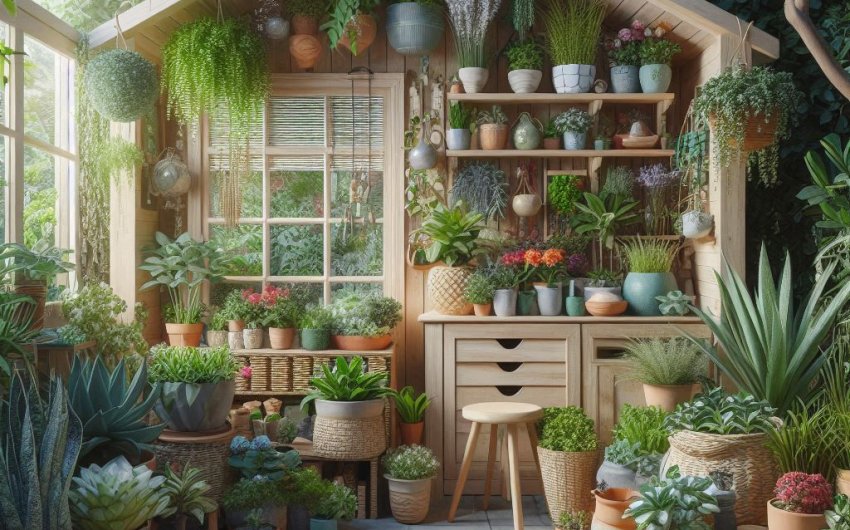
Creating a thriving indoor garden oasis is a wonderful way to extend your growing season and cultivate a wider variety of plants, especially if you have a dedicated structure for them. Knowing what plants are best suited for a garden house is key to making the most of this special growing environment. A garden house, often a greenhouse or a sunroom, offers controlled conditions that can mimic ideal climates for many species that wouldn't survive outdoors in your area. From vibrant flowers to exotic fruits and year-round vegetables, the possibilities are vast once you understand the optimal conditions.
What Factors Influence Plant Choices for a Garden House?
Before diving into specific plant recommendations, it's important to understand the factors that influence plant choices for a garden house. Not all garden houses are the same, and the conditions inside will dictate which plants will truly thrive.
Temperature Control
The most critical factor is temperature control. Some garden houses are simply unheated structures that offer protection from frost, while others are fully heated, allowing for tropical conditions year-round.
- Unheated Garden House: If your garden house is unheated, you'll be limited to plants that can tolerate cold, near-freezing temperatures or that go dormant in winter. Think about extending the growing season for cool-season vegetables or overwintering tender perennials.
- Heated Garden House: A heated garden house opens up a world of possibilities, allowing you to grow warmth-loving tropical and subtropical plants, including exotic fruits and sensitive orchids. The level of heat you can maintain will determine your plant palette. Consider a greenhouse heater for consistent warmth.
Light Levels
The amount of light your garden house receives is another crucial element. Most garden houses are designed to maximize light, but the specific orientation, glazing material, and any shading from nearby structures will affect the light intensity.
- Full Sun (6+ hours of direct sun): Ideal for fruiting plants like tomatoes, peppers, citrus, and many flowering plants that require bright light to bloom.
- Partial Sun (4-6 hours of direct sun): Suitable for leafy greens, herbs, and some flowering plants that prefer a bit of afternoon shade in hot climates.
- Lower Light: Even in a garden house, some areas or specific glazing might result in lower light. Succulents, ferns, and some foliage plants can tolerate these conditions, but they may not thrive with vibrant colors or heavy fruiting. Supplemental grow lights can boost light levels for plants that need it.
Humidity Levels
Humidity levels can vary significantly in a garden house. High humidity is often a byproduct of watering and limited air exchange.
- High Humidity: Many tropical plants, ferns, and orchids thrive in high humidity. However, consistently high humidity without good air circulation can also encourage fungal diseases.
- Moderate Humidity: Most common vegetables and herbs prefer moderate humidity.
- Low Humidity: Succulents and cacti prefer drier conditions. You might need a humidifier or a dehumidifier to adjust the humidity as needed for specific plants.
Air Circulation
Good air circulation is vital in any enclosed growing space. Stagnant air can lead to a build-up of heat, humidity, and can encourage pests and diseases. Vents, fans, and proper spacing between plants help ensure fresh air moves around. Without it, even the best plants can suffer. Consider installing a greenhouse fan for optimal airflow.
Space Available
The size of your garden house directly limits what you can grow.
- Small Garden House: Focus on compact varieties, vertical gardening, or plants that don't spread much. Herbs, leafy greens, and small fruiting plants are good choices.
- Large Garden House: You have more freedom for larger plants, multiple growing zones, or even a dedicated area for larger fruit trees. Vertical space can be maximized with hanging planters or tiered shelving.
Your Gardening Goals
Are you looking to grow food, beautiful flowers, or unusual specimens? Your gardening goals will guide your plant selections. Do you want to propagate cuttings, start seedlings, or cultivate mature plants? This will influence the setup and the type of plants you choose.
What Vegetables and Herbs Thrive in a Garden House?
A garden house is an excellent place to grow vegetables and herbs, often allowing for year-round harvests or extending the season significantly, especially for heat-loving plants in cooler climates.
Tomatoes
Tomatoes are a quintessential garden house crop. They thrive in the warm, consistent temperatures and bright light a garden house provides. Growing tomatoes indoors can lead to earlier harvests, protection from outdoor pests, and often larger, healthier plants. Choose compact or determinate varieties if space is limited, or allow indeterminate types to climb vigorously on trellises. Look for disease-resistant tomato varieties suitable for greenhouse growing. Tomato cages or stakes are essential for support.
Peppers (Bell and Chili)
Like tomatoes, peppers (both sweet bell peppers and hot chili peppers) adore the warm conditions of a garden house. They will produce abundantly in consistent heat and bright light. You can grow them year-round in a heated structure, providing a continuous supply of fresh peppers. They benefit from consistent watering and good air circulation.
Cucumbers
Cucumbers are vining plants that produce a large yield in a garden house. They love warmth and humidity. Choose vining cucumber varieties that can be trained up trellises or strings to save space. Look for all-female (parthenocarpic) varieties if you don't have bees for pollination in your garden house, as these produce fruit without needing pollination.
Lettuce and Leafy Greens
Lettuce, spinach, arugula, and other leafy greens are fantastic for year-round production in a garden house, especially during cooler months when they might bolt (go to seed) outdoors. They prefer cooler temperatures than tomatoes or peppers and generally tolerate partial sun. You can succession plant them for continuous harvests. Hydroponic systems are particularly efficient for growing leafy greens in a garden house.
Herbs
Almost all herbs will thrive in a garden house, providing you with fresh culinary ingredients year-round.
- Basil: Loves warmth and bright light. Can be grown continuously.
- Cilantro and Parsley: Prefer slightly cooler conditions and can bolt in intense heat.
- Mint: Very vigorous, best grown in pots to contain its spread.
- Rosemary, Thyme, Oregano: Mediterranean herbs that prefer good light and moderate humidity.
- Chives: Easy to grow and very productive. A good herb planter can house several varieties.
Eggplant
Eggplant is another heat-loving plant that performs exceptionally well in a garden house. It requires similar conditions to tomatoes and peppers – warmth, bright light, and consistent moisture. Growing eggplant indoors can lead to larger fruits and a longer harvesting period.
Peas and Beans (Bush Varieties)
While vining peas and beans can take up a lot of vertical space, bush varieties are well-suited for a garden house, especially if you want to extend their growing season. They are relatively easy to grow and provide a good yield in a compact form. Ensure good air circulation to prevent powdery mildew.
Root Vegetables (Carrots, Radishes)
Shallow-rooted carrots and radishes can be grown in deep containers or raised beds within a garden house. They prefer cooler soil temperatures, so they are often better suited for unheated structures or cooler sections of a heated one. They provide fresh produce even in winter.
What Ornamental Plants are Perfect for a Garden House?
A garden house isn't just for food; it's also a fantastic place to cultivate stunning ornamental plants, including those sensitive to outdoor conditions or those you want to display year-round.
Orchids
Many orchid varieties thrive in the controlled, humid environments of a garden house. Different types of orchids (e.g., Phalaenopsis, Cattleya, Cymbidium) have varying temperature and humidity needs, so you can choose varieties that match your specific garden house conditions. They offer spectacular, long-lasting blooms. Consider specialized orchid pots for proper aeration.
Ferns
Numerous fern species adore the consistent humidity and filtered light often found in a garden house. From delicate maidenhair ferns to majestic Boston ferns and staghorn ferns, they add lush green foliage and a tropical feel. They are generally low-maintenance once their humidity and light needs are met.
Begonias
Both flowering begonias (like tuberous or Rieger begonias) and foliage begonias (like Rex begonias) are perfect for a garden house. They come in a vast array of colors and leaf patterns, providing continuous visual interest. They generally prefer bright, indirect light and consistent moisture.
Fuchsias
Fuchsias are known for their elegant, dangling, bell-shaped flowers. Many varieties are tender perennials that cannot survive outdoor winters in colder climates, making a garden house an ideal place to grow them year-round. They prefer bright, indirect light and consistent humidity. They look stunning in hanging baskets.
Geraniums (Pelargoniums)
While commonly grown outdoors, many types of geraniums (specifically Pelargoniums) are tender perennials that can be overwintered or grown year-round in a garden house. They appreciate good light and moderate temperatures, producing cheerful blooms even in the depths of winter.
Bougainvillea
For a splash of vibrant color in a heated garden house, Bougainvillea is an excellent choice. These tropical vining plants produce showy bracts (modified leaves) in brilliant shades of pink, purple, red, and orange. They need abundant sunlight and warmth to flower profusely and can be trained up supports.
Tropical Hibiscus
The large, showy blooms of tropical hibiscus bring an undeniable exotic flair to a garden house. These plants thrive in warm, humid conditions with plenty of bright light. They can grow quite large, so ensure you have enough space. They require consistent watering and feeding to produce their stunning flowers.
Cacti and Succulents
While many cacti and succulents prefer arid outdoor conditions, a garden house can provide a controlled environment, especially if you live in a very humid or rainy climate where outdoor cultivation is difficult. They need maximum light and excellent drainage, along with very specific watering regimes. Some enthusiasts even grow specialized, cold-sensitive cacti. They look great in a succulent planter set.
Can I Grow Fruits in My Garden House?
Absolutely! A garden house allows you to grow delicious fruits that might not otherwise thrive in your climate, or to get a head start on their season.
Citrus Trees (Lemon, Lime, Orange)
Citrus trees are among the most popular choices for fruit-bearing plants in a garden house. They love warmth, bright light, and consistent humidity. Varieties like dwarf lemons (e.g., Meyer lemon), limes, and oranges can produce fruit year-round in a heated garden house. They add a lovely fragrance and fresh fruit to your home. Ensure proper drainage and a suitable citrus fertilizer.
Figs
Fig trees are surprisingly well-suited for garden house cultivation, especially in cooler climates. Many varieties can be grown in large containers. They appreciate warmth and sun to produce abundant, sweet fruit. Some varieties are self-pollinating, making them ideal for an enclosed space.
Strawberries
You can extend the strawberry season significantly by growing them in a garden house. They can produce berries almost year-round in a heated structure, or you can get very early harvests in an unheated one. Use everbearing or day-neutral varieties for continuous production. They can be grown in hanging baskets or tiered planters to save space.
Dwarf Banana Trees
For a true tropical statement, a dwarf banana tree can be grown in a large garden house. They require high heat, humidity, and abundant light to produce fruit. While they might not yield as heavily as in their native climate, the novelty and the tropical ambiance are well worth the effort.
Grapes (Vining Varieties)
Certain grape varieties can be trained to grow inside a large garden house or conservatory, especially against a sunny wall or trellis. The controlled environment can protect them from diseases and allow for earlier, more reliable ripening. Good ventilation is crucial to prevent fungal issues.
Passion Fruit
Passion fruit is a vigorous tropical vine that produces delicious, aromatic fruits. It thrives in the warm, humid conditions of a garden house and can quickly cover a trellis or support structure, providing an abundant harvest. It needs plenty of sunlight to fruit well.
What Plants are Good for Starting Seeds or Overwintering in a Garden House?
Beyond growing mature plants, a garden house is invaluable for starting seeds and overwintering tender plants, making it a powerful tool for any gardener.
Seed Starting (Annuals and Perennials)
A garden house provides the ideal environment for starting seeds long before the outdoor growing season begins. You can grow healthier, stronger seedlings of annual flowers, vegetables, and even perennial herbs or flowers. The controlled temperature and light conditions give seedlings a head start, leading to earlier blooms and harvests. Invest in good quality seed starting trays and a heating mat for germination.
Overwintering Tender Perennials
Many plants that are perennial in warmer climates are treated as annuals in colder regions because they cannot survive the winter outdoors. A garden house allows you to overwinter these tender perennials, saving you money and allowing you to enjoy your favorite plants year after year. This includes:
- Geraniums (Pelargoniums)
- Fuchsias
- Impatiens
- Canna Lilies and Dahlias (tuberous types): Store their tubers in dry conditions.
- Non-hardy herbs like Lemongrass or scented Geraniums. For overwintering, cooler, semi-dormant conditions are often preferred over active growth, so heating requirements might be minimal.
Propagating Cuttings
A garden house provides the perfect warm and humid environment for propagating cuttings. Whether you're rooting new branches from your favorite shrubs, extending your collection of houseplants, or creating new vegetable starts, the controlled conditions significantly increase the success rate of rooting. A propagation mat can assist with bottom heat.
Growing Out-of-Season Vegetables
Even if you typically grow vegetables outdoors, a garden house lets you cultivate out-of-season vegetables. Imagine fresh lettuce and spinach in the middle of winter, or getting a jump start on your tomato and pepper harvest in early spring. This extends your fresh produce supply significantly.
Hardening Off Plants
Before transplanting your indoor-started seedlings outdoors, they need to be "hardened off" – gradually acclimated to outdoor conditions. A garden house can serve as an excellent intermediate step, providing a sheltered yet increasingly open environment for seedlings to toughen up before being exposed to the full elements. You can gradually open vents or doors during the day.
Providing a Pest-Free Environment
Compared to an outdoor garden, a garden house offers a more pest-free environment. While pests can still enter, the enclosed nature allows for easier monitoring and control, reducing the likelihood of widespread infestations. This protection is especially valuable for young seedlings and sensitive plants. Regular inspection and natural pest control methods are still necessary.