
How Much Does It Cost to Build a Garden House?
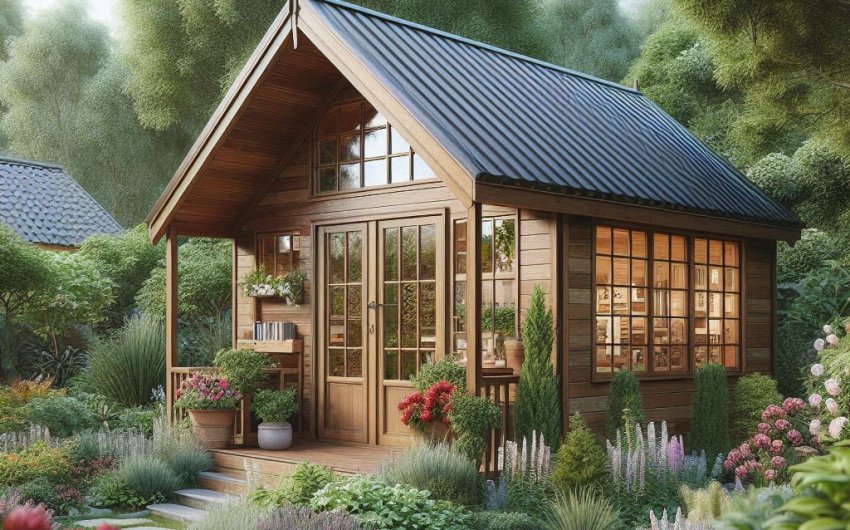
Embarking on a project to build a dedicated space for your gardening endeavors often leads to the practical question: how much does it cost to build a garden house? The answer, much like the diversity of garden designs themselves, is highly variable, influenced by numerous factors ranging from the size and complexity of the structure to the materials chosen and whether you opt for a DIY approach or professional construction. Understanding the various components of expenditure is crucial for budgeting effectively and bringing your ideal garden sanctuary to fruition.
What Factors Influence the Cost of a Garden House?
The total cost to build a garden house is not a fixed sum but rather a spectrum, heavily influenced by several key decisions you make during the planning and construction phases. Each choice, from size to materials and labor, significantly impacts the final expenditure.
Size and Design Complexity
The most fundamental determinant of garden house cost is its size. Naturally, a larger structure will require more materials and more labor, leading to higher costs.
- Small (e.g., 6x8 ft): Ideal for basic tool storage or a small potting bench, these are the most affordable.
- Medium (e.g., 10x12 ft): Offers more versatility for a dedicated workspace, storage, and perhaps a small sitting area.
- Large (e.g., 12x16 ft or larger): Can accommodate substantial storage, a comfortable lounging area, or even serve as a backyard office.
Beyond size, the design complexity also plays a significant role.
- Simple Shed-Style: A basic, rectangular structure with a single sloped roof (shed roof) or a gable roof is the most cost-effective.
- Elaborate Designs: Features like multiple windows, custom doors, a porch, dormers, a complex roofline, or intricate architectural details will increase material and labor costs due to added complexity and specialized skills required.
- Multi-functional Spaces: If the garden house is intended to be a combination greenhouse, tool shed, and relaxation spot, its design will inherently be more complex and costly than a single-purpose structure.
Choice of Materials
The selection of building materials accounts for a substantial portion of the garden house cost. Prices vary widely depending on quality, durability, and aesthetic appeal.
- Framing: Typically uses treated lumber (e.g., pressure-treated 2x4s). The grade and type of wood affect cost.
- Siding:
- Treated Wood Siding: Common, can be painted or stained.
- Vinyl Siding: Durable, low maintenance, but may have a lower initial cost.
- Fiber Cement Siding: Resists rot and pests, fire-resistant, but more expensive to install.
- Cedar Siding: Attractive, durable, but premium priced.
- Roofing:
- Asphalt Shingles: Most common, cost-effective.
- Metal Roofing: More durable, longer lifespan, but higher upfront cost.
- Cedar Shakes: A premium option, visually appealing but expensive.
- Flooring:
- Plywood/OSB: Basic, usually covered.
- Treated Wood Decking: Durable, good for outdoor elements.
- Concrete Slab: Very durable, good for heavy storage, but requires professional pouring.
- Windows and Doors: Standard utility windows and simple doors are affordable. Custom windows, double-pane glass, decorative doors, or multiple windows will raise the cost.
- Foundation: A simple gravel base is cheapest, concrete blocks are mid-range, and a full concrete slab is the most expensive but most durable.
Labor Costs (DIY vs. Professional)
This is perhaps the most variable cost factor.
- DIY (Do-It-Yourself): This option significantly reduces the cost to build a garden house by eliminating labor charges, meaning you only pay for materials, tools, and potentially a permit. However, it requires time, skill, and physical effort.
- Professional Construction: Hiring a contractor or skilled laborers means paying for their expertise, time, and overhead. While more expensive, it ensures quality construction, adherence to codes, and a faster completion time. Labor costs can easily account for 50-70% of the total project budget.
Site Preparation and Additional Features
Beyond the structure itself, consider these costs:
- Site Preparation: Leveling the ground, clearing vegetation, ensuring proper drainage. This can involve excavation, gravel, or retaining walls.
- Utilities: Adding electricity for lighting or power tools, or plumbing for a sink or hose bib, will require professional installation and can add significantly to the cost.
- Interior Finishing: Shelving, workbenches, insulation, drywall, painting, and flooring treatments will add to the overall expense.
- Permits: Depending on your local regulations and the size/type of your garden house, you may need a building permit, which incurs a fee.
By carefully evaluating each of these factors, you can develop a more accurate estimate for your garden house project and make informed decisions that align with your budget and vision.
What are the Costs Associated with a DIY Garden House Build?
Opting for a DIY garden house build is often the most budget-friendly approach, as it eliminates significant labor costs. However, it still involves a range of expenditures for materials, tools, and potentially permits, which you'll need to meticulously plan for.
Material Costs Breakdown
The bulk of your DIY garden house cost will come from purchasing the necessary materials. Prices can fluctuate based on current market rates and your chosen quality.
- Foundation Materials:
- Gravel Base: Cheapest. A few cubic yards of crushed gravel for shed base can cost $100-$300.
- Concrete Blocks/Pavers: For piers or a perimeter foundation. A few dozen concrete blocks might run $50-$200.
- Concrete Slab: Most expensive for DIY due to material volume. Cement, sand, gravel, rebar, forms can total $300-$1000+ for a small to medium slab.
- Framing Lumber: Usually pressure-treated lumber (for the base) and standard dimensional lumber (e.g., 2x4s, 2x6s) for walls, roof, and floor joists. Depending on size, expect to pay $500-$2,000+.
- Plywood/OSB Sheathing: For subflooring, walls, and roof decking. Several sheets of OSB sheathing can be $200-$600.
- Siding Materials:
- Treated Wood Siding (T1-11 style): ~$300-$1,000 for a small-to-medium house.
- Vinyl Siding: ~$400-$1,200 (including panels, trim, and accessories).
- Exterior Grade Plywood (for paint): ~$200-$500.
- Roofing Materials:
- Asphalt Shingles: ~$200-$600 (includes shingles, felt paper, drip edge).
- Metal Roofing Panels: ~$400-$1,000 (more durable, but higher upfront).
- Door and Windows:
- Pre-built Shed Door: ~$100-$300.
- Utility Windows: ~$50-$200 per window.
- Basic Hardware (hinges, latches): ~$20-$50.
- Fasteners and Hardware: Screws, nails, hurricane ties, corner brackets, caulk, flashing. ~$100-$300.
- Paint/Stain and Sealant: ~$50-$200.
Tool Rental or Purchase
If you don't already own all the necessary tools, you'll need to factor in the cost of purchasing or renting.
- Essential Power Tools: A circular saw, cordless drill, impact driver, and possibly a miter saw. These can range from $150 to $500+ if purchased. Renting might be an option for more specialized tools.
- Hand Tools: Hammer, tape measure, level, utility knife, caulk gun, safety glasses, gloves. ~$50-$100.
- Safety Gear: Don't skimp on safety. Safety glasses, work gloves, and hearing protection are essential.
Permit Fees
Before you start digging, check with your local municipality or homeowner's association. Depending on the size and type of your garden house, you may need a building permit. Permit fees vary widely, from $25 to several hundred dollars, or even more for larger, more complex structures. Ignoring permit requirements can lead to fines or forced demolition.
Overall, a basic DIY garden house (e.g., 8x10 ft shed-style) can typically range from $1,000 to $3,000 in material and minimal tool costs. More elaborate DIY projects can reach $3,000-$7,000+. Remember to always budget for a little extra (10-15%) for unexpected costs.
What is the Cost of Purchasing a Prefabricated Garden House Kit?
For those who want a quicker build than a full DIY project but aren't ready for professional construction, a prefabricated garden house kit offers a compelling middle ground. This option simplifies the construction process significantly, but the cost to build a garden house from a kit varies based on size, materials, and features.
Understanding Prefabricated Kits
A prefabricated garden house kit typically includes all the necessary pre-cut lumber, siding, roofing materials, doors, windows, and hardware, along with detailed instructions for assembly. They often come in modular panels that you screw or nail together.
Cost Ranges for Kits
The price of a garden house kit is largely determined by its size and the quality of included materials.
- Small Kits (e.g., 6x8 ft to 8x10 ft): Basic utility shed kits in this size range can start from $800 to $2,500. These are usually simple designs with standard treated wood or composite siding and asphalt shingles. Examples include basic shed kits from Home Depot or Lowe's.
- Medium Kits (e.g., 10x12 ft to 12x16 ft): These larger kits offer more space and often come with more robust framing, better quality siding options (e.g., engineered wood, smartside), and sometimes even pre-hung doors or windows. Expect costs to range from $2,500 to $6,000.
- Large or Premium Kits (e.g., 12x20 ft+ or specific designs): For larger storage needs, garden offices, or more aesthetically pleasing designs (like a cottage-style garden house or those with a porch), prices can jump significantly, from $6,000 to $15,000+. These often feature higher-grade lumber, more durable siding (like cedar or fiber cement), upgraded windows/doors, and more complex roof designs.
What's Typically Included in a Kit
Most garden house kits aim to provide almost everything you need for the structure itself:
- Pre-cut and often pre-drilled lumber for framing (walls, roof trusses, floor joists).
- Wall panels (siding attached to studs, or individual siding planks).
- Roof sheathing (plywood/OSB) and sometimes shingles or roofing panels.
- A basic door and often one or more windows.
- All necessary fasteners (screws, nails) and hardware (hinges, latches).
- Detailed assembly instructions.
What's NOT Usually Included (Additional Costs)
It's crucial to remember that the kit price is rarely the total cost to build a garden house from a kit. You'll almost always incur additional expenses:
- Foundation Materials: Kits rarely include foundation materials. You'll need to purchase gravel, concrete blocks, or pour a concrete slab. Factor in $100-$1,000+ depending on your chosen foundation.
- Tools: You'll still need your own power tools for shed assembly (drill, saw, hammer) and hand tools.
- Paint/Stain/Sealant: Most kits come with unfinished wood that needs protection from the elements. Budget $50-$200.
- Interior Finishing: Shelving, workbenches, insulation, electrical wiring are almost never included.
- Site Preparation: Costs for leveling, clearing, and grading your chosen spot.
- Delivery Fees: Some larger kits might have additional delivery charges.
- Permit Fees: Still required depending on local regulations.
Overall, a prefabricated garden house kit is a good option for DIYers who want to save time on cutting and measuring, potentially completing the build in a weekend or two. However, always factor in the "hidden" costs beyond the kit price to get a realistic budget.
What is the Cost of Hiring a Professional to Build a Garden House?
For those seeking a turnkey solution or lacking the time and expertise for a DIY build, hiring a professional to build a garden house offers convenience and quality assurance. However, this convenience comes at a higher cost, as labor becomes a significant part of the overall expenditure.
Understanding Professional Costs
When you hire a professional, you're paying for their expertise, experience, insurance, and the efficiency of a skilled crew. This includes:
- Labor: This is the largest component, covering the time spent by the contractor and their team. Labor rates vary significantly by region and the complexity of the project.
- Materials: The contractor will source and charge for all necessary materials, often at wholesale rates, but with a markup for their procurement efforts.
- Overhead: This covers the contractor's business expenses like insurance, tools, vehicles, and administrative costs.
- Permits: The contractor will often handle the permit application process, including the fees in their quote.
Cost Ranges for Professional Builds
The cost to build a garden house professionally can vary widely, but here's a general breakdown:
- Small Garden Shed/Utility Building (e.g., 6x8 ft to 8x10 ft): For a basic, professionally built structure of this size, you might expect to pay $2,500 to $5,000+. This would typically include a simple foundation (like gravel or concrete blocks), standard wood framing and siding (e.g., T1-11), asphalt shingles, and a basic door/window.
- Medium Garden House/Workshop (e.g., 10x12 ft to 12x16 ft): These more substantial structures, offering comfortable workspace and storage, can range from $5,000 to $15,000+. Costs increase due to more materials, longer build time, and potentially more features like a concrete slab foundation, multiple windows, and better-quality siding.
- Large Custom Garden House/Backyard Office/Studio (e.g., 12x20 ft or larger, or elaborate designs): For a truly custom or larger structure with premium materials, complex architecture, insulation, electrical wiring, or plumbing, the cost can easily soar from $15,000 to $50,000+. These projects essentially become small additions to your property and are priced accordingly.
Factors Increasing Professional Costs
Several factors can push the professional garden house cost higher:
- Site Accessibility: If the construction site is difficult to access for materials and equipment, labor costs can increase.
- Site Preparation: Extensive clearing, leveling, or excavation will add to the bill.
- Foundation Type: A concrete slab is more expensive for a professional to pour than installing simple blocks.
- Material Upgrades: Choosing premium siding (cedar, fiber cement), metal roofing, double-pane windows, custom doors, or specialty finishes will raise material costs significantly.
- Utilities: Adding electricity, lighting, or plumbing requires licensed professionals and can add thousands of dollars to the project.
- Interior Finishing: Insulation, drywall, flooring, built-in shelving, or cabinetry are additional costs.
- Customization: Any deviation from standard designs or pre-engineered plans will require more design time and specialized labor.
Getting Quotes
To get an accurate estimate, it's essential to:
- Define Your Needs: Be clear about the size, intended use, and desired features of your garden house.
- Request Multiple Bids: Contact at least 3-5 reputable contractors who specialize in sheds, detached garages, or small outbuildings.
- Get Detailed Quotes: Insist on a written, detailed quote that breaks down material costs, labor, and any included features or services (like site prep or permits).
- Check References and Insurance: Always verify references and ensure the contractor is licensed and insured.
While the professional route is more expensive, it offers peace of mind, a faster timeline, and a professionally finished product, making it a worthwhile investment for many.
What Are the "Hidden" or Overlooked Costs?
When planning your garden house project, it's easy to focus solely on the main construction expenses. However, several often-overlooked or "hidden" costs can significantly inflate your total budget, turning your dream into a financial headache if not properly accounted for.
Site Preparation Costs
Before any construction begins, the chosen site often needs work.
- Clearing and Demolition: If there's existing vegetation, old structures, or debris, you'll incur costs for clearing and hauling away waste. This can range from a few hundred dollars for minor clearing to thousands for tree removal or demolition.
- Leveling and Grading: The ground needs to be level for a stable foundation. This might involve manual labor, renting equipment (e.g., a small excavator for rent), or hiring professionals to grade the land. Expect to pay anywhere from $200 for minor leveling to over $1,000 for significant earthwork.
- Drainage Solutions: If your site has poor drainage, you might need to install French drains, modify slopes, or add significant amounts of gravel to prevent water accumulation, which can cause foundation problems down the line.
Interior Finishing and Furnishings
A bare structure isn't always a functional space.
- Insulation and Drywall: If you plan to use the garden house year-round as a workshop or office, you'll need insulation (e.g., fiberglass insulation rolls) and possibly drywall or plywood sheathing for the interior walls and ceiling. This can add hundreds to thousands of dollars.
- Flooring: While a basic wood floor might be included, you might want more durable or aesthetically pleasing flooring like vinyl planks or sealed concrete.
- Shelving, Workbenches, Storage: Built-in shelves, a sturdy workbench (like a garden workbench with storage), hooks, and other storage solutions are essential for a functional garden house but are almost never included in basic estimates or kits.
- Furnishings: Chairs, a small table, decor elements if it's also a relaxation space.
Utility Connections
Adding electricity and/or plumbing significantly increases the cost to build a garden house.
- Electrical: Running power from your main house, installing outlets, switches, and lighting fixtures requires a licensed electrician and can easily cost $1,000 to $5,000+, depending on distance and complexity.
- Plumbing: For a sink or spigot, running water lines and drainage can also be a complex job requiring a plumber, potentially costing $1,000 to $4,000+.
- HVAC (Heating/Cooling): If you want year-round comfort, a mini-split system or portable heater/AC unit will be an additional purchase and may require dedicated electrical circuits.
Landscaping and Pathways
Once the garden house is built, you'll want to integrate it seamlessly into your garden.
- Pathways: Creating a path leading to the garden house (e.g., paver stones for pathways, gravel, or stepping stones).
- Plantings: Surrounding the garden house with flowers, shrubs, or small trees to soften its lines and enhance curb appeal.
- Lighting: Exterior lighting for safety and ambiance.
Maintenance Costs
Remember, once built, the garden house will require ongoing maintenance, though this isn't an upfront cost.
- Painting/Staining: Needs to be redone every few years to protect the exterior.
- Roofing: Will eventually need repair or replacement.
- Pest Control: Depending on materials, may need periodic treatments.
Always add a contingency fund of 10-20% to your initial budget to cover these unexpected or overlooked expenses when planning your garden house project. This helps prevent budget overruns and ensures a smoother, less stressful build.
How Can You Save Money When Building a Garden House?
Building a garden house doesn't have to break the bank. By strategically planning and making smart choices, you can significantly reduce the cost to build a garden house while still achieving a functional and attractive structure for your gardening needs.
Embrace the DIY Approach
- Do It Yourself (DIY): This is by far the biggest money-saver. By handling all the labor yourself, you eliminate the largest single cost component. Even if you've never built anything before, basic shed kits come with detailed instructions, and there are countless online tutorials for simple designs.
- Partial DIY: If a full build is too daunting, consider a partial DIY. You could do the site prep and foundation work yourself, then hire a contractor for the main structure, or assemble a prefabricated kit yourself.
Simplify the Design
- Smaller Footprint: A smaller garden house requires fewer materials. Think realistically about your needs; a 6x8 ft or 8x10 ft structure can hold a lot of tools and still offer a potting area.
- Simple Shapes: Opt for a rectangular or square footprint with a basic gable or shed roof. Complex rooflines, multiple angles, dormers, or bay windows add significant cost and complexity.
- Fewer Openings: Minimize the number of windows and opt for a single, standard-sized door. Custom-sized or specialty windows (e.g., double-pane, ornate) are much more expensive.
- Basic Finishes: Choose standard, durable materials like treated plywood siding (T1-11) or simple wood siding that can be painted, rather than premium options like cedar or fiber cement. Asphalt shingles are the most budget-friendly roofing.
Source Materials Smartly
- Look for Sales: Keep an eye out for sales on lumber, siding, and roofing materials at local home improvement stores or lumberyards.
- Reclaimed Materials: Check salvage yards, demolition sites, or online marketplaces (like Craigslist or Facebook Marketplace) for reclaimed wood, windows, or doors. Just ensure they are structurally sound and free of rot or pests.
- Local Suppliers: Sometimes, independent lumberyards or hardware stores offer better prices than large big-box stores, especially for bulk purchases.
- Batch Purchases: If possible, buy materials in bulk or large quantities, as this can sometimes lead to discounts.
- Check for Leftovers/Offcuts: Ask if lumberyards have bundles of offcuts or slightly damaged but usable lumber at a discount.
Utilize Basic Foundation Options
- Gravel Pad: A well-prepared gravel pad is the most cost-effective foundation for smaller, lighter garden houses. It provides good drainage and a stable base without the cost of concrete.
- Concrete Block Piers: Using pre-cast concrete blocks for shed foundation to support a wood frame is a relatively inexpensive and DIY-friendly option, especially for slightly larger structures. Avoid a full concrete slab unless absolutely necessary for very heavy loads or large structures, as it's the most expensive foundation type.
Plan for Essential Utilities Only (or Phase Them In)
- No Utilities Initially: The cheapest approach is to build the garden house without any electrical or plumbing hookups. You can use battery-powered tools and lanterns for light.
- Future Proofing: If you anticipate needing electricity or water later, build with future upgrades in mind (e.g., leaving a conduit for electrical lines, planning for plumbing runs), but don't install them now if budget is tight.
- Portable Solutions: Use a heavy-duty outdoor extension cord from your house for occasional power needs, and a garden hose for water.
By strategically applying these cost-saving measures, you can create a functional and attractive garden house that meets your needs without overspending on the cost to build a garden house.