
Are There Any Regulations for Building a Garden House?
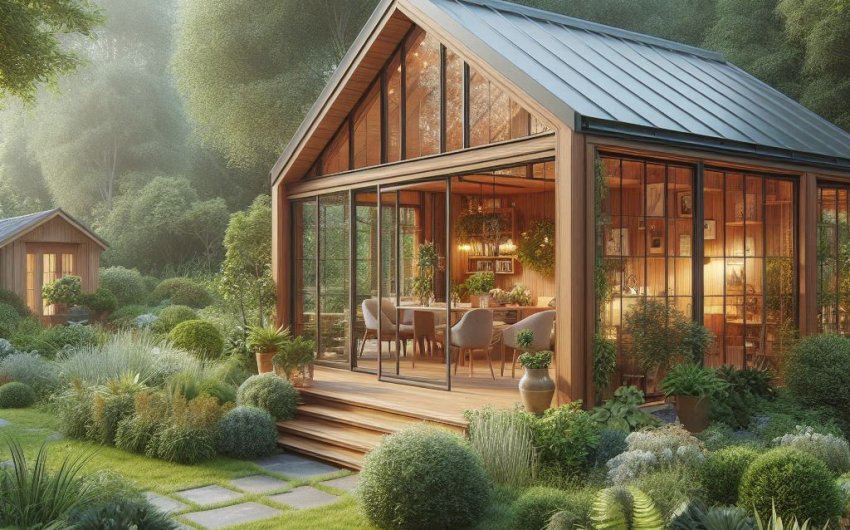
Embarking on the exciting project of constructing a garden house in your backyard can significantly enhance your outdoor living space, providing storage, a creative retreat, or even an extra living area. However, a crucial preliminary step for any aspiring builder is to understand thoroughly are there any regulations for building a garden house? Navigating local zoning ordinances, building codes, and homeowner association rules is essential to ensure your structure complies with legal requirements and avoids costly penalties or the forced removal of your new addition.
What is a Garden House and Why Do Regulations Exist?
A garden house (often interchangeable with terms like shed, outbuilding, gazebo, or detached accessory structure) is typically a small, unattached building located in a residential garden or yard. Its purpose can range from simple storage for tools and equipment to a hobby space, an outdoor office, or even a quaint guest retreat. While seemingly modest, these structures are often subject to various rules and laws.
Common Uses of a Garden House
- Storage Shed: The most common use, providing space for gardening tools, lawn mowers, outdoor furniture cushions, bicycles, and other items that don't fit in the main house or garage. Many available options are outdoor garden storage sheds.
- Workshop/Hobby Space: A dedicated area for woodworking, crafts, painting, or other creative pursuits, keeping mess out of the main home.
- Potting Shed: A functional space for starting seeds, potting plants, and storing gardening supplies.
- She-Shed/Man Cave: A private retreat for relaxation, reading, or hobbies.
- Home Office/Studio: A quiet, separate workspace away from household distractions.
- Playhouse: A dedicated space for children's outdoor play.
- Greenhouse: A structure designed to cultivate plants by providing controlled environmental conditions.
Why Do Regulations Exist for Garden Houses?
Regulations for building a garden house are in place primarily to protect property values, ensure public safety, and maintain the aesthetic character of neighborhoods. They are designed to prevent structures from being built haphazardly, creating nuisances, or posing risks.
- Safety: Building codes ensure the structural integrity of the building, preventing collapse, fire hazards, and other dangers. They cover aspects like foundations, framing, electrical wiring, and ventilation.
- Zoning and Land Use: Zoning ordinances dictate how land can be used and what types of structures can be built in specific areas. They ensure structures are compatible with the surrounding neighborhood.
- Property Value and Aesthetics: Regulations help maintain neighborhood appeal and property values by preventing oversized, unsightly, or poorly placed structures that might negatively impact adjacent properties.
- Environmental Protection: Some regulations might address stormwater runoff, impervious surfaces, or protection of natural features.
- Neighbor Relations: Rules regarding setbacks, height, and drainage aim to minimize disputes between neighbors.
- Public Utilities: Regulations ensure that structures are not built over utility lines (water, sewer, gas, electricity, cable).
Are There General Regulations for Building a Garden House?
Yes, there are almost always regulations that govern building a garden house, though the specifics vary significantly by location. These regulations typically fall into broad categories such as local zoning ordinances, building codes, and sometimes homeowner association rules. It's crucial to consult with your local authorities before any construction begins.
1. Local Zoning Ordinances (Most Common)
Zoning ordinances are rules established by local governments (cities, counties, townships) that dictate how land within their jurisdiction can be used and what can be built on it. They are usually the first set of rules you'll encounter for a garden house.
- Setbacks: This refers to the minimum required distance a structure must be from property lines (front, side, and rear). These are designed to prevent overcrowding, ensure light and air access, and maintain neighbor privacy. For example, a common rule might be that a detached structure must be 5 feet from side and rear property lines.
- Lot Coverage: This limits the percentage of your total lot area that can be covered by structures (including your main house, garage, and any accessory buildings like a garden house). This helps manage stormwater runoff and preserve green space.
- Height Restrictions: There will be a maximum allowable height for detached accessory structures. This prevents a garden house from overshadowing neighbors or being disproportionately large.
- Size Limits (Footprint): Many municipalities have a maximum square footage for sheds or garden houses that can be built without a permit, or a maximum size for any detached accessory structure. For instance, a shed under 120 sq ft might be considered "de minimis" and not require a full permit, but this varies wildly.
- Location on Lot: Zoning may dictate where on your property a detached structure can be placed (e.g., only in the rear yard, not the front or side).
- Number of Accessory Structures: Some ordinances limit how many detached structures you can have on a single property.
- Aesthetic Requirements: In some areas, zoning might dictate exterior materials, colors, or architectural styles to ensure consistency with the neighborhood.
2. Building Codes
Building codes are detailed regulations that set minimum standards for the design, construction, and alteration of structures to ensure safety, public health, and general welfare. While often less stringent for small sheds, they can apply depending on size, use, and complexity.
- Structural Integrity: This covers the foundation, framing (walls, roof), roof loads (for snow/wind), and floor strength.
- Electrical: If you plan to add electricity to your garden house (for lights, outlets, tools), you will almost certainly need an electrical permit and inspection to ensure it meets safety codes.
- Plumbing: If you add a sink or toilet, extensive plumbing codes will apply, requiring permits and inspections.
- Fire Safety: Rules related to materials, spacing, and fire prevention.
- Ventilation: Requirements for adequate airflow to prevent moisture buildup and mold.
- Foundations: Standards for how the structure is anchored to the ground (e.g., concrete slab, concrete piers, gravel base).
3. Permits
A building permit is official authorization from your local government that allows you to proceed with a construction project.
- When is a Permit Needed?
- Size: Often, sheds or garden houses over a certain size (e.g., 100 sq ft, 120 sq ft, or 200 sq ft, highly variable by location) will require a permit.
- Height: If the structure exceeds a certain height.
- Foundation: If it's built on a permanent foundation.
- Utilities: If you're adding electricity, plumbing, or gas lines.
- Structural Changes: If it involves any significant structural work.
- Why Get a Permit?
- Legality: It's legally required for compliance.
- Safety: Ensures your structure meets safety standards through inspections.
- Resale Value: An unpermitted structure can cause issues when you try to sell your home.
- Avoid Fines/Demolition: Building without a permit can lead to fines, forced modifications, or even the demolition of your structure.
- Permit Application Process: Typically involves submitting detailed plans, drawings, and potentially site surveys. There will be associated fees.
Crucial Step: Contact Your Local Planning/Building Department: Before buying materials or breaking ground, always contact your local city or county planning and building department. Tell them exactly what you intend to build (size, height, purpose, location on your property). They will inform you of the specific zoning rules, whether a permit is required, what type of plans are needed, and what codes apply in your area. This simple call can save you immense time, money, and headaches.
What About Homeowner Association (HOA) Rules and Other Restrictions?
Beyond municipal regulations, other layers of rules might apply to building a garden house, particularly if you live in a planned community or have easements on your property. These can be just as restrictive as government regulations and must be thoroughly investigated.
1. Homeowner Association (HOA) Rules
If your property is part of a Homeowner's Association, Condominium Association, or similar community organization, you will almost certainly be subject to their specific rules, known as Covenants, Conditions, and Restrictions (CC&Rs) or simply "HOA Rules."
- Design Guidelines: HOAs often have strict rules about the aesthetics of outdoor structures. These can include:
- Materials: What materials are allowed for siding, roofing, and trim (e.g., must match the main house, no metal sheds).
- Colors: Approved color palettes for exterior paint.
- Architectural Style: Requirement for the garden house to match the architectural style of the main house.
- Roof Pitch/Type: Specific requirements for roof style and materials.
- Size and Height Restrictions: HOAs may have even stricter limits on the maximum size and height of sheds or garden houses than the city/county.
- Placement/Setbacks: They might impose additional setback requirements from property lines or from the main house.
- Permit/Approval Process: Most HOAs require you to submit plans for approval before you apply for a municipal permit. This usually involves a formal application to an architectural review committee. Building without HOA approval can lead to significant fines, demands for removal, or even legal action.
- Visibility: Some HOAs might prohibit detached structures from being visible from the street or neighboring properties.
- Specific Uses: Certain HOAs might restrict the use of a garden house (e.g., no habitable structures, only for storage).
Action: Obtain a copy of your HOA's CC&Rs and design guidelines. Contact the HOA board or management company directly to inquire about their specific process and requirements for building a garden house.
2. Easements
An easement is a legal right that allows another party (e.g., a utility company, a neighbor, or the city) to use a portion of your property for a specific purpose. You cannot build a structure on an easement.
- Types of Easements:
- Utility Easements: Common for underground or overhead utility lines (water, sewer, gas, electricity, cable). You cannot build over these, as utility companies need access for maintenance and repairs.
- Access Easements: Allows a neighbor or public to pass over a portion of your property.
- Drainage Easements: Designates areas for stormwater runoff. Building on these can impede water flow and cause drainage issues for your property or others.
- How to Check: Easements are typically recorded on your property deed or plat map (a detailed map of your property, usually available from your local county recorder or assessor's office). You can also request a property survey.
- Action: Identify all easements on your property and ensure your proposed garden house location is clear of them. Building on an easement can result in the structure being forced to be moved or demolished at your expense.
3. Restrictive Covenants (on Deed)
Sometimes, property deeds include restrictive covenants, which are private agreements or clauses that dictate how a property can be used or what can be built on it. These are separate from HOA rules but serve a similar purpose.
- Examples: A covenant might specify the minimum size of a dwelling, building materials, or even prohibit certain types of outbuildings.
- How to Check: These are found in your property deed. You may need to consult with a real estate attorney or title company to fully understand any restrictive covenants on your property.
- Action: Ensure your plans for a garden house do not violate any restrictive covenants.
4. Flood Zones
If your property is located in a flood zone, there will be additional regulations for any construction, including a garden house.
- Risk: Building in a flood zone increases the risk of damage to your structure and contents, and can impact insurance rates.
- Regulations: Rules often dictate minimum elevation requirements for foundations, flood-resistant materials, and specific anchoring methods.
- How to Check: Your local planning or zoning department can tell you if your property is in a designated flood zone. You can also check FEMA flood maps.
- Action: If in a flood zone, consult with your local building department for specific requirements before planning your build.
Navigating these additional layers of restrictions requires diligent research. Always prioritize confirming all rules from your HOA, checking for easements, and reviewing any restrictive covenants on your deed before finalizing your garden house plans.
What is the Typical Process for Getting a Garden House Approved?
Once you've done your preliminary research on are there any regulations for building a garden house?, the next step is often to follow a formal approval process. While specifics vary by location, there's a common sequence of actions you'll typically need to take to obtain the necessary permits and approvals for your garden house.
Step 1: Initial Research and Site Planning
- Contact Local Authorities: As emphasized, this is your first and most critical step. Call your city or county's Planning, Zoning, or Building Department.
- Ask about setback requirements for detached accessory structures.
- Inquire about maximum height and square footage limits.
- Determine if a permit is required for your proposed garden house size and type (e.g., pre-built vs. custom, with vs. without utilities).
- Ask about any specific building codes that apply.
- Inquire about utility easements and how to locate them.
- Check HOA Rules: If applicable, obtain and review your HOA's CC&Rs and design guidelines. Understand their specific approval process.
- Sketch Your Plan: Create a basic sketch of your proposed garden house, including its dimensions (length, width, height), type of foundation, and general location on your property. This helps you ask specific questions.
- Site Plan/Layout: Measure your property. Draw a simple site plan showing your main house, property lines, and the proposed location of your garden house, including distances to property lines (setbacks). Note any existing structures, trees, or utility lines.
Step 2: Prepare Your Application Documents
Based on your initial research, you'll need to gather and prepare specific documents for your permit application.
- Application Form: Fill out the relevant building permit application form from your local municipality.
- Site Plan/Plot Plan: A detailed drawing of your property showing:
- Property dimensions and boundaries.
- Location of existing structures (house, garage, driveway).
- Proposed location and dimensions of the garden house.
- Distances (setbacks) from the garden house to all property lines and other structures.
- Location of any easements or utility lines (as marked by 811/Dig Safe).
- North arrow and scale.
- Building Plans/Drawings:
- Simple Sheds: For smaller, simpler sheds, you might only need a basic drawing with dimensions and materials. If purchasing a pre-fabricated shed kit, the manufacturer often provides approved plans.
- Custom/Larger Garden Houses: For more complex structures, you may need detailed architectural drawings including floor plans, elevations, cross-sections, and foundation details. These might need to be prepared by a licensed architect or engineer, especially if adding plumbing or electricity.
- Materials List: A basic list of the primary materials you intend to use (e.g., wood framing, asphalt shingles, vinyl siding).
- HOA Approval (if applicable): If your HOA requires pre-approval, you'll likely need to provide proof of their approval with your municipal permit application.
- Fees: Be prepared to pay permit application fees, which vary widely.
Step 3: Submit Your Application
- Review: Double-check all documents for completeness and accuracy before submission. Missing or incorrect information can delay the process.
- Submission: Submit your application and all supporting documents to the appropriate department (Building, Planning, or Permits office) in your municipality. This can often be done online or in person.
- Follow Up: Keep copies of everything you submit. Note down contact information for the permit technician or planner handling your application. Follow up periodically to check the status.
Step 4: Await Review and Inspections
- Plan Review: City staff (planners, building officials) will review your application to ensure it complies with all zoning ordinances and building codes. They may request revisions or additional information.
- Permit Issuance: Once the plans are approved and all fees are paid, your building permit will be issued. The permit usually needs to be prominently displayed at the construction site.
- Inspections: Depending on the scope of work (especially if adding utilities or a permanent foundation), you will likely need inspections at various stages of construction:
- Footing/Foundation Inspection: Before pouring concrete or laying foundation blocks.
- Framing Inspection: After the structure's frame is complete but before insulation/drywall.
- Electrical/Plumbing/Mechanical Inspections: If applicable, specific inspections for these systems before they are covered.
- Final Inspection: After all work is complete, to ensure everything is built to code.
- Pass All Inspections: You must pass all required inspections to close out the permit legally. Failing an inspection means you'll have to correct the issue and reschedule.
Navigating the regulations for building a garden house can seem daunting, but a methodical approach, starting with thorough research and maintaining open communication with your local authorities, will streamline the process and ensure your new outdoor structure is a legal, safe, and valuable addition to your property.