
How to Decorate a Garden House for Aesthetics?
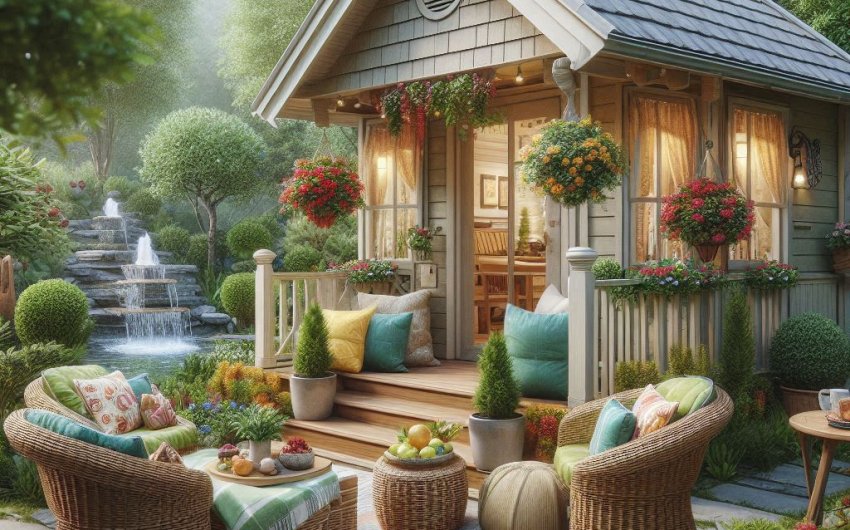
Decorating a garden house for aesthetics transforms a simple outdoor structure into a beautiful, functional, and inviting retreat. Whether it's a cozy shed, a charming gazebo, or a dedicated studio, enhancing its visual appeal makes it a true extension of your home and garden. This process involves careful consideration of both its exterior charm and interior comfort, blending practical elements with decorative touches to create a truly enchanting space that harmonizes with its surroundings.
How do you choose a theme for your garden house?
Picking a theme is the first and most crucial step in decorating a garden house for aesthetics, as it provides a clear direction for all your design choices. A well-chosen theme will ensure all elements, from paint colors to furniture and decor, work together to create a cohesive and pleasing look, rather than a jumble of unrelated items. Think about the overall style of your main house and garden, and how you want the garden house to fit in. Do you want it to be a rustic escape, a chic reading nook, or a bright art studio?
What are some popular garden house themes?
There are many themes you can explore, each offering a unique atmosphere for your garden house.
Rustic Garden Retreat: This theme emphasizes natural materials and a cozy, countryside feel. Think exposed wood beams, rough-hewn furniture, and natural textures. Colors lean towards earthy tones like warm browns, forest greens, and muted reds. You might incorporate elements like galvanized metal planters, burlap accents, and vintage farm tools. The goal is a relaxed, unpretentious charm.
Shabby Chic Sanctuary: This popular style blends vintage elegance with distressed finishes and soft, romantic touches. Colors often include pastels like dusty pinks, mint greens, and creamy whites, along with aged wood and wrought iron. Look for distressed furniture, lace curtains, floral patterns, and delicate crystal accents. It creates a dreamy, slightly worn-in, yet elegant space.
Modern Minimalist Studio: For a clean and uncluttered look, a minimalist theme focuses on simplicity, functionality, and open space. Colors are typically neutral like white, grey, and black, with sparse pops of color. Furniture has clean lines and is often multi-functional. Incorporate elements like sleek metal accents, geometric patterns, and minimal decor. The emphasis is on light, open space, and a sense of calm order.
AdvertisementBohemian Hideaway: This theme embraces eclectic styles, global influences, and a relaxed, free-spirited vibe. Rich textures, vibrant colors, and unique patterns are key. Think macrame hangings, colorful textiles, floor cushions, and an abundance of plants. Vintage finds, travel souvenirs, and layered rugs complete the look, inviting comfort and creativity.
Coastal Cottage: Inspired by seaside living, this theme uses a palette of blues, whites, and sandy neutrals. Natural materials like driftwood, rope, and seashells are prominent. Furniture is often light-colored and sometimes wicker. Stripes, nautical motifs, and light, airy fabrics contribute to a breezy, relaxed atmosphere.
English Garden Tea Room: This theme evokes the charm of a traditional English garden. It features delicate patterns, floral motifs, and a refined yet welcoming feel. Pastel colors, china teacups, wicker furniture, and potted flowering plants are essential. It creates a quaint and inviting space perfect for afternoon tea.
When choosing, think about how you plan to use the garden house. A craft studio might benefit from a bright, minimalist theme, while a reading nook might lean towards rustic or bohemian coziness. Your chosen theme will guide every subsequent decision, ensuring a harmonious and aesthetically pleasing result.
What exterior elements enhance a garden house's appeal?
The exterior of your garden house is its first impression, and enhancing it plays a significant role in decorating a garden house for aesthetics. A beautiful exterior not only adds curb appeal but also ensures the structure blends seamlessly with your garden landscape, creating a unified and inviting outdoor space. Consider elements that add charm, color, and texture.
How can paint and siding transform the exterior?
- Color Palette: The paint color you choose for your garden house is arguably the most impactful exterior decision.
- Blending In: For a subtle look, choose colors that harmonize with your natural surroundings, such as muted greens, earthy browns, or soft grays. These colors help the garden house nestle gently into the landscape.
- Making a Statement: If you want your garden house to be a focal point, opt for a contrasting but complementary color. A vibrant blue or a classic barn red can stand out beautifully against green foliage.
- Light and Bright: White or off-white can make a small garden house feel larger and brighter, reflecting light and creating a crisp, clean aesthetic.
- Trim Colors: Don't forget the trim! Contrasting trim colors (e.g., white trim on a blue house, dark green trim on a cream house) can define architectural details and add visual interest.
- Siding Materials: The type of siding also affects the aesthetic.
- Wood Siding: Classic wood siding, like cedar shingles or lap siding, offers a natural, rustic charm that weathers beautifully. It can be painted or stained.
- Vinyl Siding: While more modern, some vinyl siding options can mimic wood and offer low maintenance.
- Board and Batten: This style, with wide boards and narrow strips (battens) covering the seams, provides a vertical, farmhouse-inspired look that adds character.
- Stone or Brick Accents: Incorporating a small section of stone or brick veneer around the base or as a chimney-like feature can add a touch of traditional solidity and texture.
What role do windows and doors play?
Windows and doors are not just functional; they are crucial decorative elements that allow light in and create visual connections with the garden.
- Window Styles:
- Traditional Windows: Classic double-hung or casement windows with grilles (muntins) can add a cottage or traditional feel.
- Large Pane Windows: For a modern studio look, large, unobstructed panes of glass maximize light and views.
- Window Boxes: Add charming window boxes filled with colorful annuals or cascading plants for an instant boost of life and color.
- Shutters: Decorative exterior shutters in a contrasting color can frame your windows beautifully and enhance a quaint cottage aesthetic.
- Door Styles:
- Dutch Door: A Dutch door, which splits horizontally, allows you to open the top half for ventilation and interaction with the garden while keeping the bottom half closed. It adds unique character.
- French Doors: For a more elegant or open feel, French doors with multiple glass panes bring in abundant light and create a graceful entry.
- Arched Doors: An arched doorway adds a touch of architectural romance and whimsy.
- Door Hardware: Don't overlook the details! Choosing attractive door handles, hinges, and a knocker can significantly enhance the door's aesthetic.
How can roofing and gutters contribute?
The roof protects your garden house, but its material and design also impact its overall look.
- Roofing Materials:
- Shingles: Asphalt shingles are common and come in various colors. Wood shingles offer a natural, rustic appearance.
- Metal Roof: A metal roof, particularly in a standing seam style, can provide a sleek, modern look or a classic farmhouse feel depending on the color. It's durable and low-maintenance.
- Living Roof: For an eco-friendly and truly unique aesthetic, a green roof (or living roof) planted with sedum or other low-growing plants integrates the structure with nature.
- Gutters: While often seen as purely functional, well-maintained gutters and downspouts that match or complement the house color can blend in seamlessly. Copper gutters can add a touch of elegance and develop a beautiful patina over time.
What about decorative exterior accents?
Adding small, thoughtful touches to the exterior can dramatically enhance its charm.
- Window Boxes and Planters: As mentioned, window boxes overflowing with vibrant flowers or trailing plants add instant cheer. Position large decorative planters beside the door.
- Climbing Plants: Encourage climbing roses, clematis, or vining hydrangeas to grow on a trellis attached to the garden house walls. This softens the lines of the structure and integrates it further with the garden.
- Outdoor Lighting: Attractive outdoor lighting fixtures beside the door or under the eaves enhance safety and create a welcoming glow at night. Solar-powered lanterns or string lights can add a whimsical touch.
- Weather Vanes or Cupolas: A weather vane atop a cupola can add a classic, architectural detail, especially on larger garden houses or those with a traditional theme.
- Small Porch or Deck: Even a small wooden porch or a few steps leading up to the door can make the garden house feel more substantial and inviting.
- Garden Art: A charming garden sculpture or a decorative plaque can be placed near the entrance or on an exterior wall.
By thoughtfully combining these exterior elements, you can create a garden house that is not only functional but also a true visual delight, perfectly complementing your outdoor oasis.
How can you create a cohesive interior design?
Once the exterior sets the tone, the interior of your garden house is where you bring your theme to life and make the space truly comfortable and aesthetically pleasing. Creating a cohesive interior design involves careful choices for walls, floors, furnishings, and decor that all work together. This is where the magic of decorating a garden house for aesthetics truly comes alive, transforming it into a personalized sanctuary.
What are good choices for interior walls and flooring?
The foundational elements of any room are its walls and floor, and selecting the right materials and finishes will set the mood for your garden house.
- Wall Treatments:
- Paint: A fresh coat of paint is the easiest way to transform the interior. Choose colors that align with your chosen theme: bright whites for a modern feel, soft pastels for shabby chic, or earthy tones for rustic. Consider an accent wall in a bolder color or with a patterned wallpaper to add visual interest.
- Wood Paneling: For a cozy, cabin-like, or rustic look, tongue-and-groove wood paneling or shiplap can add warmth and texture. It can be left natural, stained, or painted for a brighter feel.
- Exposed Brick or Stone: If the structure allows, exposing original brick or adding a faux brick veneer can create an industrial or rustic charm.
- Fabric or Curtains: For a temporary or softer look, you can drape lightweight fabric along the walls or use sheer curtains to soften the raw wall surfaces, especially in a more bohemian or shabby chic setting.
- Flooring Options:
- Wood Flooring: Hardwood floors or laminate flooring offers a classic and warm look. Lighter woods make the space feel more open, while darker woods add richness.
- Vinyl or Linoleum: These are practical, durable, and water-resistant options, perfect for a garden house that might see dirt or moisture. They come in many patterns that mimic wood or tile. Luxury vinyl plank (LVP) is a popular choice for its realistic look and durability.
- Painted Concrete: If your garden house has a concrete slab, painting it with a durable floor paint can provide a modern, industrial, or even whimsical look depending on the color and design.
- Area Rugs: Regardless of the base flooring, an area rug can instantly add warmth, define a seating area, and introduce color and pattern. Choose an indoor-outdoor rug for durability and easy cleaning.
What kind of furniture should I choose?
Selecting the right furniture is crucial for both function and form within your garden house, ensuring it aligns with your chosen theme and allows for comfortable use of the space.
- Size Matters: Since garden houses are often smaller, choose proportionate furniture that doesn't overwhelm the space. Multi-functional pieces like a daybed with storage or nesting tables are excellent choices.
- Seating:
- Cozy Chair: A comfortable armchair or a plush bean bag chair invites relaxation.
- Small Sofa or Loveseat: If space allows, a compact loveseat can create a comfortable lounging area.
- Wicker or Rattan: Wicker furniture adds a light, airy, and natural touch, perfect for many garden-inspired themes.
- Tables: A small coffee table or a set of nesting tables provides surfaces for drinks, books, or decor.
- Storage: Integrate storage solutions to keep the space tidy.
- Shelving: Floating shelves or a small bookcase can hold books, plants, and decorative items.
- Baskets: Woven baskets are great for storing blankets, craft supplies, or garden tools, and they add texture.
- Trunk or Chest: A vintage storage trunk can serve as a coffee table and offer hidden storage.
How can lighting and accessories enhance the mood?
Lighting and accessories are the finishing touches that truly personalize your garden house and tie the entire design together.
- Lighting:
- Natural Light: Maximize natural light with sheer curtains or blinds that can be easily opened.
- Ambient Lighting: A small chandelier, a pendant light, or string lights draped across the ceiling can provide general illumination and create a warm glow.
- Task Lighting: If you plan to read or work, a floor lamp or a table lamp on a side table will provide focused light.
- Fairy Lights: For a magical touch, string fairy lights around windows or along shelves.
- Candles: Scented candles or LED flameless candles add soft light and a calming aroma.
- Textiles:
- Cushions and Pillows: Layer decorative cushions and throw pillows on chairs and sofas for comfort and to introduce colors and patterns.
- Throw Blankets: A cozy throw blanket draped over a chair invites relaxation.
- Curtains: Choose light, airy curtains or blinds that complement your theme and provide privacy when needed.
- Decorative Accents:
- Plants: Bring the outside in! Potted houseplants, hanging plants, or a vase of fresh cut flowers from the garden are essential for a garden house.
- Artwork: Hang small framed artwork, botanical prints, or mirrors to reflect light and make the space feel larger.
- Books and Magazines: Stack a few interesting books on a side table to encourage reading.
- Personal Touches: Display treasured knick-knacks, vintage garden tools, or items collected from nature.
- Scent Diffusers: Use a diffuser with essential oils or a small sachet of dried lavender to add a pleasant aroma.
By carefully layering these elements, from the practical to the purely decorative, you can create a garden house interior that is not only beautiful but also deeply comforting and inspiring, truly fulfilling the goal of decorating a garden house for aesthetics.
How can you integrate the garden house with the surrounding landscape?
Successfully decorating a garden house for aesthetics isn't just about what's inside and immediately outside the structure; it's also about how well it connects with the larger garden landscape. Integrating your garden house smoothly into its surroundings makes it feel like a natural part of the environment, creating a harmonious and immersive experience. This involves thoughtful landscaping around the structure and creating clear, appealing transitions.
What landscaping elements should be considered around the garden house?
The plants and hardscaping immediately surrounding the garden house play a critical role in blurring the lines between the structure and the garden.
- Foundation Plantings: Planting low-growing shrubs, perennials, or ornamental grasses around the base of the garden house helps to soften its edges and anchor it to the ground. Choose plants that thrive in the light conditions provided by the house (e.g., shade-tolerant plants on the north side). Consider evergreens for year-round structure.
- Flowering Borders: Create vibrant flower borders leading up to or around the garden house. Select flowers that complement the house's color scheme and theme. For a cottage look, use foxgloves, delphiniums, and roses. For a more modern vibe, opt for structural grasses and bold-leaved plants.
- Climbing Plants: As mentioned previously, training climbing plants like climbing roses, clematis, or wisteria (on a sturdy trellis) up the sides of the garden house can make it look like it's been there forever, creating a romantic and naturalized effect.
- Container Gardens: Use large decorative pots filled with plants near the entrance or windows. This allows for seasonal changes and adds bursts of color and texture. Layer pots of different sizes and heights for visual interest.
- Small Trees or Large Shrubs: Place one or two small, appropriately sized trees or large shrubs near the garden house to provide dappled shade, add vertical interest, and create a sense of enclosure or privacy. Consider Japanese maples for their graceful form and striking foliage.
How can pathways and entrances create welcoming transitions?
The approach to your garden house is as important as the structure itself. A well-designed pathway and entrance invite visitors in and frame the garden house as a destination.
- Pathways: Create a clear, inviting path leading from your main garden areas or home to the garden house.
- Material: Choose materials that match your garden's overall aesthetic. Options include stepping stones nestled in grass, gravel paths, brick pavers, or even wood slices for a rustic look.
- Curvature: A gently curving path often feels more natural and inviting than a straight one, encouraging a stroll and revealing the garden house slowly.
- Edging: Define the path with subtle edging, like cobblestones or low-growing plants, to give it a neat appearance.
- Gateways or Arbors: If appropriate for your garden layout, a small garden gate or an arbor covered with climbing vines can serve as a charming transition point into the garden house's immediate area, signaling a special place.
- Welcome Mat: A tasteful outdoor welcome mat adds a touch of hospitality at the door.
How do shared elements enhance integration?
Repeating certain materials, colors, or plant types in both the garden house and the surrounding garden creates a visual link and strengthens the overall design.
- Color Repetition: Use exterior paint colors on the garden house that pick up on accent colors in your garden's flowers or foliage. Similarly, bring some of the garden's dominant flower colors inside the garden house through textiles or decor.
- Material Echoes: If your garden features a stone wall or wooden fence, consider using similar materials for accents on the garden house exterior or even for a small patio area leading up to it. Using the same type of gravel for a path and a seating area near the garden house creates continuity.
- Plant Echoes: Extend plant groupings from the main garden into the area around the garden house. For example, if you have a bed of hydrangeas in your main garden, plant a few dwarf hydrangeas near the garden house entrance. You can also bring potted versions of your garden's flowers inside the garden house.
- Garden Art: Placing consistent styles of garden art or decorative elements both within the garden beds and near the garden house entrance helps create a unified artistic vision.
By thinking of your garden house not as a standalone structure but as an integral part of your garden's ecosystem, you can achieve a truly seamless and stunning landscape. This holistic approach ensures that decorating a garden house for aesthetics results in a space that is not only beautiful in isolation but also perfectly harmonious with its beautiful surroundings.