
What Are the Best Materials for Patio Furniture?
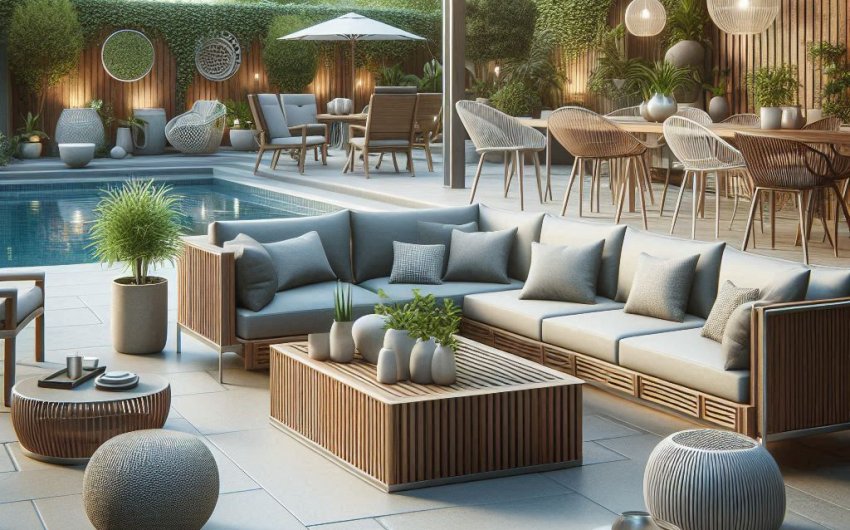
Choosing the best materials for patio furniture is a key decision that impacts not only the look and feel of your outdoor space but also the longevity and maintenance requirements of your investment. With a wide array of options available, from natural woods to durable metals and versatile synthetics, understanding the unique properties of each material will help you select pieces that stand up to your local climate, fit your lifestyle, and complement your home's aesthetic.
What Are the Key Factors to Consider When Choosing Patio Furniture Materials?
Before diving into specific materials, it's essential to understand the underlying considerations that will guide your choice of patio furniture.
1. Climate and Weather Conditions
The weather in your region is arguably the most important factor. Different materials react differently to sun, rain, humidity, and temperature extremes.
- Sun Exposure: UV rays can fade colors, dry out wood, and degrade plastics. Look for UV-resistant materials.
- Rain and Humidity: Moisture can lead to rust in metals, rot in some woods, and mildew growth. Materials that are naturally water-resistant or treated for outdoor use are crucial.
- Temperature Extremes: Very hot or very cold temperatures can cause some materials to expand, contract, crack, or become brittle.
- Wind: Lightweight furniture might be easily blown away in windy areas.
2. Durability and Longevity
How long do you expect your furniture to last? Investing in highly durable patio furniture materials can save money in the long run by avoiding frequent replacements.
- Resistance to Elements: How well does the material resist rust, rot, fading, and cracking?
- Structural Integrity: Will it hold its shape and remain stable over time?
- Build Quality: Beyond the material, look at how the furniture is constructed (e.g., welded vs. bolted joints, quality of hardware).
3. Maintenance Requirements
Are you willing to regularly clean, seal, paint, or cover your outdoor furniture?
- Low Maintenance: Materials that only require occasional wiping down.
- Moderate Maintenance: Materials that might need annual cleaning, oiling, or minor repairs.
- High Maintenance: Materials that require frequent specialized care, covering, or winter storage.
4. Style and Aesthetic Appeal
Your patio furniture should complement the overall design of your home and garden.
- Modern, Traditional, Rustic, Coastal: Different materials lend themselves to different styles.
- Color and Texture: Consider how the material's natural color and texture will look with your existing décor.
- Flexibility: Can the material be painted, stained, or paired with colorful cushions?
5. Comfort and Functionality
Ultimately, your patio furniture should be comfortable and meet your practical needs.
- Weight: Do you need to move the furniture frequently? Lightweight materials are easier to reposition.
- Cushions: Most outdoor furniture relies on cushions for comfort. Ensure the frame can accommodate them and that the cushions themselves are made from durable, weather-resistant outdoor fabrics like Sunbrella.
- Space: Consider the size of your patio and choose furniture that fits without overcrowding.
6. Budget
Patio furniture materials vary widely in price.
- Entry-Level: More affordable options often come with shorter lifespans or higher maintenance.
- Mid-Range: Good balance of price and durability.
- High-End: Premium materials that offer exceptional longevity and often come with a higher price tag.
What Are the Best Wood Materials for Patio Furniture?
Wood offers a classic, natural aesthetic that blends beautifully with outdoor environments. However, not all woods are created equal when it comes to outdoor use.
1. Teak
Teak is widely considered the gold standard for outdoor furniture due to its exceptional natural durability.
- Pros:
- Extreme Durability: Naturally rich in oils and silica, making it highly resistant to rot, decay, insects, and fungal growth. Can last for decades, even untreated.
- Weather Resistance: Performs exceptionally well in all climates, from humid to arid, and handles direct sun and rain without warping or cracking.
- Beautiful Patina: Left untreated, teak weathers to a soft, silvery-grey patina over time, which many find highly desirable.
- Low Maintenance (if weathered): If you embrace the grey patina, teak requires minimal maintenance beyond occasional cleaning.
- Cons:
- High Cost: Teak is one of the most expensive patio furniture materials.
- Weight: Can be very heavy, making it harder to move.
- Maintenance (if not weathered): If you prefer to maintain the golden-brown color, it requires regular oiling with a Teak Sealer.
- Sustainability: Ensure you buy FSC-certified teak to support responsible forestry practices.
- Ideal For: High-end, long-lasting furniture for any climate, especially those who appreciate its weathered look or are willing to maintain its golden hue.
2. Shorea (Malaysian Teak)
Often marketed as "Malaysian Teak" or "Yellow Balau," Shorea is a dense hardwood from Southeast Asia that shares some properties with teak but is typically more affordable.
- Pros:
- Durable: Naturally resistant to rot and insects due to high oil content.
- More Affordable: A good value alternative to true teak.
- Attractive Appearance: Similar warm, golden-brown color.
- Cons:
- Not as Durable as Teak: While good, it won't last as long as untreated teak in harsh conditions.
- Requires Oiling: Benefits from regular oiling to maintain its color and longevity.
- Sustainability: Look for responsibly sourced Shorea, as over-harvesting is a concern.
- Ideal For: Those seeking a durable hardwood aesthetic at a more accessible price point than traditional teak.
3. Eucalyptus
A fast-growing hardwood that has become a popular sustainable choice for outdoor furniture.
- Pros:
- Sustainable: Rapidly renewable resource.
- Good Durability: Naturally resistant to decay and insects, similar to Shorea.
- Affordable: Often more budget-friendly than teak or Shorea.
- Attractive: Features a beautiful reddish-brown hue.
- Cons:
- Requires Maintenance: Needs regular oiling (at least once a year) to prevent cracking and fading.
- Can Be Prone to Cracking: If not maintained, it can be more susceptible to surface cracks than teak.
- Ideal For: Eco-conscious buyers looking for an attractive, durable, and relatively affordable hardwood, provided they are willing to commit to regular maintenance. Use a Eucalyptus Furniture Oil.
4. Acacia
Another fast-growing hardwood, similar to eucalyptus in terms of properties and price.
- Pros:
- Sustainable: Fast-growing and renewable.
- Durable: Naturally resistant to moisture and insects.
- Affordable: Good value.
- Attractive Grain: Features a distinctive, often varied grain pattern.
- Cons:
- Requires Maintenance: Needs regular oiling or sealing to prevent fading and cracking.
- Can Splinter: Some varieties may splinter more readily if not well-finished or maintained.
- Ideal For: Similar to eucalyptus, a good choice for those seeking an affordable hardwood that offers natural durability with consistent maintenance.
5. Cedar
A soft wood often used for its natural aroma and insect resistance.
- Pros:
- Naturally Resistant: Cedar contains oils that repel insects and resist rot.
- Lightweight: Easy to move around.
- Aromatic: Pleasant natural scent.
- Weathers Gracefully: Develops a soft silver-grey patina.
- Cons:
- Softer Wood: More prone to dents and scratches than hardwoods.
- Can Splinter: May require sanding over time.
- Less Durable: While resistant, it won't last as long as hardwoods without regular sealing or painting.
- Ideal For: Rustic or traditional settings, for those who prefer lightweight furniture and are willing to re-seal or paint to extend its life. Consider a Cedar Outdoor Sealer.
6. Treated Pine
Pine lumber treated with chemicals to resist rot and insects.
- Pros:
- Very Affordable: One of the cheapest wood options.
- Widely Available: Easy to find.
- Versatile: Can be painted or stained any color.
- Cons:
- Less Attractive: Often has a greenish tint from the treatment and can warp or crack over time.
- Requires Maintenance: Needs regular sealing or painting to protect the wood from weathering.
- Chemical Treatment: Concerns about chemicals leaching (though modern treatments are safer).
- Ideal For: Budget-conscious buyers or DIY projects where the furniture will be painted.
What Are the Best Metal Materials for Patio Furniture?
Metal patio furniture offers durability, sleek lines, and often a more modern or traditional aesthetic.
1. Aluminum
Lightweight, rust-resistant, and versatile, aluminum is a very popular choice.
- Pros:
- Rust-Proof: Aluminum does not rust, making it ideal for wet or humid climates.
- Lightweight: Easy to move, rearrange, and store.
- Durable: Very strong and can last for decades.
- Low Maintenance: Simply clean with soap and water.
- Versatile Design: Can be cast into intricate designs or shaped into sleek, modern lines. Often powder-coated for added protection and color.
- Cons:
- Can Be Blown in Wind: Its lightness can be a disadvantage in very windy areas unless weighted.
- Heats Up: Can get hot to the touch in direct sun (though less so than iron).
- Can Be Dented: Though strong, it can dent if struck hard.
- Ideal For: Almost any climate, especially coastal or humid regions. Perfect for those who want low-maintenance, easy-to-move furniture. Look for Powder-Coated Aluminum Patio Sets.
2. Wrought Iron
Classic, heavy, and extremely durable.
- Pros:
- Extremely Durable: Can last a lifetime and is resistant to strong winds.
- Classic Aesthetic: Timeless, elegant look.
- Heavy: Very stable and won't blow away.
- Cons:
- Rusts: Wrought iron is susceptible to rust if its protective coating (paint) is chipped or wears off. Requires regular maintenance to prevent rust.
- Very Heavy: Difficult to move.
- Heats Up: Can get extremely hot in direct sun.
- Maintenance: Requires sanding and repainting periodically to prevent rust. Use a Rust-Resistant Outdoor Paint.
- Ideal For: Traditional, formal outdoor spaces where longevity and a classic look are prioritized, and you don't need to move the furniture often. Best for areas where rain isn't constant.
3. Steel (Stainless Steel or Powder-Coated Steel)
Steel offers strength and can be more affordable than aluminum or wrought iron, especially when powder-coated.
- Pros:
- Strong: Very robust and durable.
- Affordable (Powder-Coated): Good value for strength.
- Versatile Design: Can be used for modern or industrial looks.
- Cons:
- Rusts (Regular Steel): Untreated steel will rust quickly. Even powder-coated steel can rust if the coating is scratched.
- Heavy: Can be difficult to move.
- Heats Up: Gets hot in the sun.
- Types:
- Powder-Coated Steel: Most common. A durable finish baked onto the steel for color and rust resistance. Inspect for scratches.
- Stainless Steel: Highly resistant to rust and corrosion due to its chromium content. Very durable and modern looking, but expensive.
- Ideal For: Those seeking strength and a modern aesthetic. Powder-coated steel is a budget-friendly option, while stainless steel is a premium, low-maintenance choice for longevity.
What Are the Best Synthetic Materials for Patio Furniture?
Synthetics have revolutionized patio furniture, offering exceptional durability, low maintenance, and design versatility.
1. HDPE (High-Density Polyethylene) Lumber / Recycled Plastic
Often referred to as "polywood" or "eco-wood," this material is made from recycled plastics.
- Pros:
- Extreme Durability: Virtually indestructible. Impervious to rot, insects, rust, fading, cracking, and splintering. Can last for decades.
- All-Weather Performance: Performs exceptionally well in all climates, from scorching sun to freezing temperatures, and is completely waterproof.
- Low Maintenance: Requires only occasional cleaning with soap and water. Never needs painting, staining, or sealing.
- Environmentally Friendly: Made from recycled plastics, reducing landfill waste.
- Heavy: Doesn't blow away easily.
- Cons:
- High Cost: Can be as expensive as, or even more expensive than, some hardwoods.
- Weight: Can be very heavy and difficult to move.
- Aesthetic: While styles have improved, some still prefer the look of natural wood.
- Ideal For: Anyone seeking truly zero-maintenance, super-durable furniture that can be left outdoors year-round in any climate. Excellent for families and high-use areas. Look for Recycled Plastic Adirondack Chairs or dining sets.
2. All-Weather Wicker (Resin Wicker)
Made from synthetic resin (HDPE, PVC, or nylon) woven over an aluminum or steel frame.
- Pros:
- Weather Resistant: Highly resistant to UV fading, moisture, rot, and insects. Can be left outdoors year-round.
- Low Maintenance: Easy to clean with soap and water.
- Versatile Style: Mimics the look of natural wicker but is far more durable outdoors. Available in many colors and weave patterns.
- Lightweight (with aluminum frame): Easy to move if on an aluminum frame.
- Cons:
- Can Sag (if low quality): Cheaper PVC wicker can become brittle, crack, and sag over time. Invest in high-quality HDPE resin wicker.
- Dust Accumulation: Can collect dust and pollen within its weave, requiring occasional deeper cleaning.
- Ideal For: Creating a comfortable, resort-like feel. Excellent for those who want the look of wicker without the fragility of natural materials. Choose HDPE Resin Wicker Patio Sets for best longevity.
3. Sling Fabric / Textilene
Often used for seating in dining chairs or lounge chairs, combined with metal frames.
- Pros:
- Quick Drying: Allows water to drain through, preventing pooling.
- Low Maintenance: Easy to wipe clean.
- Comfortable: Provides a good level of comfort without the need for thick cushions (though cushions can be added).
- Breathable: Ideal for hot climates as it allows air circulation.
- UV Resistant: Holds up well to sun exposure.
- Cons:
- Less Aesthetic Variety: Limited in texture compared to other materials.
- Can Sag: Over very long periods, some lower quality sling fabrics can stretch or sag.
- Can Be Damaged: Sharp objects can cut or tear the fabric.
- Ideal For: Dining sets, pool areas, or any spot where quick-drying, low-maintenance seating is desired. Look for Textilene Sling Patio Chairs.
What About Other Patio Furniture Materials?
While less common or more specialized, other materials also have their place in outdoor furniture.
1. Concrete / GRC (Glass Fiber Reinforced Concrete)
Modern and substantial.
- Pros: Extremely heavy and stable, very durable, weather-resistant, contemporary aesthetic.
- Cons: Very heavy (difficult to move), can be porous if not sealed, may crack in extreme freeze-thaw cycles if not properly made.
- Ideal For: Permanent installations, large modern patios, dining tables that won't be moved.
2. Fabric (for Cushions and Umbrellas)
The choice of fabric for cushions and umbrellas is almost as important as the frame material.
- Sunbrella: Considered the industry standard for outdoor fabric.
- Pros: Exceptionally fade-resistant, mold and mildew resistant, easy to clean, highly durable.
- Cons: Higher cost.
- Recommendation: Always choose cushions made with Sunbrella Outdoor Fabric for longevity and vibrant color retention.
- Other Olefin or Polyester Blends: Many good outdoor fabrics exist. Look for solution-dyed, UV-treated options that are water and mold resistant.
Choosing the best materials for patio furniture is an investment in your outdoor living space. By carefully weighing the pros and cons of wood, metal, and synthetic options against your climate, desired style, and maintenance commitment, you can select furniture that not only looks great but also provides comfort and durability for many seasons to come.