
How Do I Choose the Right Size Patio Furniture for My Space?
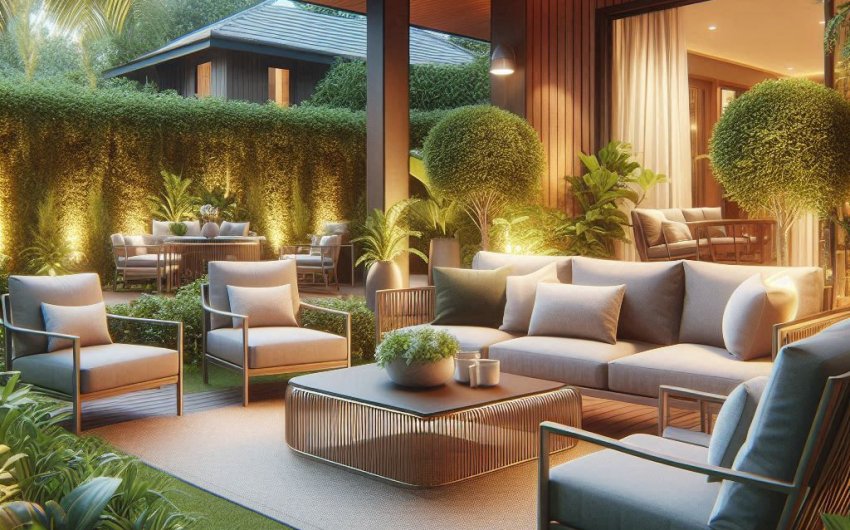
Choosing patio furniture isn't just about style; it's fundamentally about fit and function. The most elegant outdoor sofa will feel cumbersome and impractical if it overwhelms your space, while tiny bistro chairs might look lost on a sprawling deck. Learning how do I choose the right size patio furniture for my space is crucial for creating an inviting, comfortable, and functional outdoor living area that perfectly complements your home and lifestyle. This guide will walk you through the essential steps to ensure your outdoor furniture is a perfect match.
What is the First Step in Choosing Patio Furniture Size?
Before you even start browsing furniture, the single most important and foundational step in learning how do I choose the right size patio furniture for my space is to meticulously measure and map out your outdoor area. This ensures you have accurate dimensions to work with and a clear understanding of your layout possibilities.
Step 1: Measure Your Outdoor Space Accurately
- Tools You'll Need: A measuring tape (at least 25 feet or 7.5 meters long), graph paper, a pencil, and a clipboard or notebook.
- Measure Everything:
- Length and Width: Measure the overall length and width of your patio, deck, balcony, or designated outdoor living area.
- Fixed Obstacles: Measure and note the location and dimensions of any permanent structures or obstacles within your space. This includes:
- Doors (including swing clearance)
- Windows (especially low ones)
- Support columns or posts
- Built-in benches or planters
- Fire pits (built-in)
- Outdoor kitchens or grills (if permanent fixtures)
- Stairs or railings
- Water spigots or electrical outlets
- Overhanging eaves or rooflines that might limit vertical space.
- Access Points: Note where people will walk to enter and exit the space, and to move between different zones.
- Create a Scale Drawing (Blueprint):
- On graph paper, draw a basic outline of your outdoor space. Assign a scale (e.g., 1 square = 1 foot or 30 cm).
- Carefully mark all the fixed obstacles and access points with their precise measurements. This visual representation will be invaluable for planning.
Why is Accurate Measurement So Important?
- Avoid Overcrowding: The biggest mistake people make is buying furniture that is too large for their space, leading to a cramped, uncomfortable, and unusable outdoor area.
- Ensure Functionality: Knowing exactly how much space you have left after accounting for obstacles and walkways ensures you can move freely and use your furniture comfortably.
- Prevent Buying Mistakes: Furniture can look smaller in a large showroom. Your measurements provide a reality check. Imagine having to return a large patio set because it doesn't fit!
- Optimize Layout: A scale drawing allows you to experiment with different furniture arrangements virtually before committing to a purchase.
Example Measurement Checklist:
- Overall patio dimensions: _____ ft x _____ ft
- Sliding door width: _____ ft, clearance needed for opening: _____ ft
- Built-in planter dimensions: _____ ft x _____ ft x _____ ft (height)
- Stair width: _____ ft, minimum clearance needed at base: _____ ft
- Distance from railing to wall: _____ ft
- Area under pergola: _____ ft x _____ ft
By taking the time to accurately measure your space, you lay the essential groundwork for learning how do I choose the right size patio furniture for my space and ensure a perfectly harmonious outdoor design.
How Do I Determine My Patio Furniture Needs and Desired Activities?
Beyond just measuring, understanding how do I choose the right size patio furniture for my space also involves a clear assessment of how you intend to use your outdoor area. This guides the types and sizes of furniture pieces you'll need.
Step 2: Define the Purpose and Activities for Your Space
Consider how you envision using your patio or deck. Will it be a place for grand entertaining, quiet relaxation, or a combination?
1. Common Outdoor Activities and Furniture Types:
- Dining and Meals:
- Furniture Needed: Dining table and chairs.
- Considerations: How many people do you typically need to seat? Do you want a large table for entertaining or a small bistro set for two? Rectangular tables fit narrow spaces well, while round or oval tables are good for conversation and fitting more people in tight spots.
- Lounging and Relaxation:
- Furniture Needed: Lounge chairs, chaise lounges, outdoor sofas, daybeds, hammocks.
- Considerations: Do you prefer individual seating or communal lounging? Do you want to recline fully?
- Conversation and Socializing:
- Furniture Needed: Outdoor sectional sofas, conversation sets (sofa, chairs, coffee table), Adirondack chairs with side tables.
- Considerations: How many people do you want to comfortably seat for conversation? Do you need a central table for drinks and snacks?
- Sunbathing:
- Furniture Needed: Chaise lounges, sunbeds.
- Considerations: How many sunbathers at once? Do they need to be easily movable to follow the sun?
- Cooking and Grilling:
- Furniture Needed: Grill, outdoor kitchen island, prep carts, bar stools for a bar area.
- Considerations: Does this area need to integrate with dining or stand alone?
- Kids' Play Area:
- Furniture Needed: Small-scale tables, chairs, or designated play structures.
- Considerations: How much open space do you need for play?
2. How Many People Do You Need to Accommodate?
- Everyday Use: How many people live in your household? Your furniture should comfortably seat this number daily.
- Entertaining: How often do you entertain? How many guests typically attend?
- Occasional Large Gatherings: You might opt for a smaller everyday set with a few folding chairs or extra poufs stored away for guests.
- Frequent Large Gatherings: A large dining table or a spacious sectional might be a better investment.
3. Prioritize Your Primary Activity
If your space is limited, you might not be able to accommodate everything. Decide what's most important.
- Example 1: Small Balcony: Dining for two, or a cozy reading nook? You likely can't do both comfortably.
- Example 2: Medium Patio: Dining for four, or a comfortable lounge set for four? One might take precedence.
4. Consider Flow and Zoning
Even in smaller spaces, think about how you'll move between areas.
- Pathways: Ensure clear pathways (minimum 3 feet or 0.9 meters wide) to doors, grills, or other areas.
- Zoning: If you have a larger space, you can create distinct "zones" for dining, lounging, and cooking. Each zone will have its own furniture and clear pathways between them.
By clearly defining your outdoor living needs and prioritizing activities, you gain invaluable insight into the types and quantities of furniture required, setting the stage for truly effective planning in learning how do I choose the right size patio furniture for my space.
What are the Recommended Clearances for Patio Furniture?
Once you've measured your space and determined your desired activities, understanding standard clearance guidelines is essential for learning how do I choose the right size patio furniture for my space. These guidelines ensure comfort, safety, and proper flow within your outdoor area.
General Clearance Guidelines (Minimum Recommended)
These are crucial for comfortable movement and preventing a cramped feeling.
- Between Furniture and Walls/Railings: Aim for at least 24-30 inches (60-75 cm) of space. This allows people to pull out chairs, walk behind furniture, and avoids a cluttered look.
- Main Walkways: For primary pathways that connect different zones or lead to doors, ensure a minimum of 36 inches (0.9 meters) of clear space. Ideally, 48 inches (1.2 meters) for high-traffic areas or if accommodating wheelchairs/strollers.
- Between Seating and Coffee Table: Allow 14-18 inches (35-45 cm). This distance is comfortable for reaching drinks and snacks without feeling too far or too close.
- Between Dining Chairs and Table: Allow at least 24 inches (60 cm) for each person to comfortably sit and eat.
- Behind Dining Chairs (for pulling out): Allow 24-30 inches (60-75 cm) of space behind chairs for people to comfortably slide out and get up. If a walkway is needed behind them, aim for 36-48 inches (0.9-1.2 meters).
- Around Grills/Outdoor Kitchens: Maintain at least 36 inches (0.9 meters) of clear, non-flammable space around grilling areas for safety and ease of use.
Specific Furniture Clearance Considerations
Dining Sets:
- Table Size:
- Bistro Set (2 people): Typically 24-30 inches (60-75 cm) diameter for round, or 24x24 inches (60x60 cm) for square.
- Small Round (3-4 people): 36-48 inches (0.9-1.2 meters) diameter.
- Rectangular (4-6 people): 60-72 inches (1.5-1.8 meters) long.
- Large Rectangular (6-8+ people): 84-108+ inches (2.1-2.7+ meters) long.
- Chair Clearance: As above, minimum 24-30 inches behind each chair for pulling out. If placed against a wall, ensure enough room for the person to slide in without hitting the wall.
Lounge Sets/Sectionals:
- Overall Footprint: Measure the entire dimensions of the sectional, including any corner pieces.
- Armchair Size: Average armchair is 30-36 inches (75-90 cm) wide and deep.
- Chaise Lounge: A chaise needs significant length, typically 60-80 inches (1.5-2 meters) long and 24-30 inches (60-75 cm) wide.
- Coffee Table/Ottoman: Ensure the recommended 14-18 inches distance from seating.
- Traffic Flow: Ensure pathways around the entire lounge setup remain clear.
Umbrellas:
- Canopy Diameter: The canopy diameter should ideally be 2 feet (0.6 meters) wider than the table it shades to provide adequate coverage.
- Clearance: Ensure the umbrella won't hit house eaves or other obstacles when opened. Consider cantilever (offset) umbrellas for flexible placement without a central pole interfering with dining.
Fire Pits:
- Safety Zone: Maintain at least 10 feet (3 meters) of clear, non-flammable space around open flame fire pits to prevent fire hazards. Read manufacturer guidelines carefully.
- Seating Distance: Position seating far enough away from the heat for comfort, typically 3-5 feet (0.9-1.5 meters) from the edge of the pit.
By applying these clearance guidelines, you ensure that the patio furniture you choose allows for comfortable use and movement, optimizing your outdoor living area. This crucial step solidifies your understanding of how do I choose the right size patio furniture for my space.
How Do I Visualize Furniture in My Outdoor Space?
Even with precise measurements and clearance guidelines, visualizing how different pieces of patio furniture will actually look and fit can be challenging. Fortunately, several techniques can help you realistically preview your mini garden designs you can create indoors before making a purchase.
1. The Power of Painter's Tape (Recommended)
This is a simple, low-cost, and highly effective method.
- Method:
- Based on the dimensions of the furniture you're considering, use painter's tape to outline the footprint of each piece directly on your patio or deck surface.
- For chairs, mark the footprint when pulled out from a table or when reclined.
- Outline any associated items like a coffee table or rug.
- Benefits:
- Realistic Scale: Gives you a true sense of how much space each piece will occupy.
- Visualizes Pathways: Helps you see if your intended walkways are clear and wide enough.
- Movement Simulation: Allows you to "walk through" the space, pull out chairs, and simulate movement around the furniture.
- Problem Identification: Quickly highlights areas where furniture might feel too cramped or obstruct access.
2. Cardboard Cutouts
Similar to painter's tape, but offers a three-dimensional perspective.
- Method:
- Cut out cardboard boxes or large sheets of cardboard to the exact dimensions (length and width) of the furniture pieces you're considering.
- Place these cutouts on your patio.
- Benefits:
- More Visual Weight: Cardboard has more visual presence than tape, giving a better sense of bulk.
- Stackable (for height): You can stack cardboard to simulate height if needed, though this is less critical for horizontal footprint.
3. Online Room Planners / 3D Design Tools
Many furniture retailers and home design websites offer free or paid tools.
- Method:
- Input your patio/deck dimensions into the online planner.
- Drag and drop virtual furniture pieces (often from their catalog, or generic shapes) into your scaled space.
- Some tools allow for 3D walkthroughs or different viewing angles.
- Benefits:
- Extensive Options: Allows you to try out many different furniture combinations and styles quickly.
- Precise Calculations: Often includes built-in clearance guidelines or highlights spacing issues.
- No Physical Effort: All done virtually.
- Considerations: Accuracy depends on the tool and the availability of specific furniture models.
4. Graph Paper Drawing (from Step 1)
Your initial scale drawing can be further utilized.
- Method:
- On your graph paper blueprint, cut out scaled shapes representing the furniture pieces you like.
- Move these paper cutouts around on your drawing to experiment with different layouts.
- Benefits:
- Quick and Easy: Great for initial brainstorming and seeing overall flow.
- Portable: Can take your plan with you when shopping.
- Considerations: Less realistic than tape or 3D tools, as it lacks depth perception.
5. Take Photos of the Space
- Method: Take several photos of your outdoor area from different angles.
- Benefits: Helps you remember the overall context and fixed obstacles when you're shopping. You can even digitally "draw" furniture outlines onto the photos using a basic photo editor.
By employing one or more of these visualization techniques, you empower yourself to make confident decisions about how do I choose the right size patio furniture for my space, ensuring your outdoor oasis is both beautiful and practical.
How Does Furniture Style and Design Impact Size Perception?
Beyond raw dimensions, the style and design of patio furniture can significantly impact how large or small it feels in your space. Understanding this interplay is key to effectively learning how do I choose the right size patio furniture for my space.
1. Bulky vs. Leggy Designs
- Bulky Designs (e.g., Solid Wicker, Deep-Seating Sectionals):
- Characteristics: Tend to have thick frames, deep cushions, and solid sides that sit close to the ground. They have a high "visual weight."
- Perception: Can make a small space feel much more cramped and heavy, even if their actual footprint isn't drastically larger than a sleeker design. They dominate the view.
- Best For: Larger patios, or creating a cozy, enveloping feel in medium spaces.
- Leggy/Open Designs (e.g., Slim Metal Frames, Wrought Iron, Teak with Slatted Backs):
- Characteristics: Feature slender legs, open backs, thinner frames, and often exposed material rather than deep cushions. They have a lower "visual weight."
- Perception: Allow light and air to pass through, making them appear lighter and less intrusive. They create a sense of openness, making a small space feel larger and less cluttered.
- Best For: Small balconies, narrow patios, or when you want to maintain an airy, expansive feel.
2. Color and Material
- Dark Colors (e.g., Dark Gray, Black, Dark Brown):
- Perception: Tend to absorb light and can make furniture appear heavier and more prominent, potentially visually shrinking a small space.
- Best For: Creating a sophisticated or grounded look in larger areas.
- Light Colors (e.g., White, Light Gray, Beige):
- Perception: Reflect light, making furniture appear lighter, airier, and less imposing. Can help a small space feel more expansive.
- Best For: Small spaces, creating a coastal or modern minimalist look.
- Reflective Materials (e.g., Polished Aluminum, Glass Table Tops):
- Perception: Can reflect light and the surrounding environment, creating an illusion of more space.
- Best For: Adding a contemporary touch and visually expanding smaller areas.
- Natural Materials (e.g., Teak, Light-Colored Wicker):
- Perception: Can blend more seamlessly with a garden environment, creating a softer, less imposing presence than stark metal.
3. Height of Backrests and Arms
- High Backs/Arms:
- Perception: Can feel more enclosed and visually block sightlines, making a space feel smaller.
- Best For: Creating intimate "rooms" within larger patios, or offering more support and privacy.
- Low Backs/No Arms:
- Perception: Maintain open sightlines, contributing to an expansive and airy feel.
- Best For: Small spaces, contemporary designs, or maximizing views.
4. Proportions of Components
- Deep Seating: While comfortable, excessively deep seating can consume a lot of horizontal space, making movement difficult in narrow areas. Measure seat depth as well as overall depth.
- Thin Legs vs. Pedestal Bases:
- Thin Legs: Can create an airy, floating effect, making a table or chair feel lighter.
- Pedestal Bases: A solid pedestal base can feel more substantial and might be a better choice for stability in windy areas, but it will have more visual weight.
By thoughtfully considering these design elements, you can select patio furniture that not only fits your measurements but also feels right in your outdoor setting, refining your understanding of how do I choose the right size patio furniture for my space.
What are the Best Patio Furniture Options for Small Spaces?
For those with limited outdoor square footage, learning how do I choose the right size patio furniture for my space means embracing compact, multi-functional, and visually light pieces. Don't despair; small spaces can be just as charming and functional as large ones with the right furniture choices.
1. Bistro Sets
- Description: Typically include a small round or square table and two compact chairs.
- Why it Works: Designed for intimacy and small footprints. They are often foldable, allowing for easy storage when not in use.
- Ideal For: Balconies, small apartment patios, a cozy corner of a larger deck.
- Consider: Look for foldable bistro sets for maximum flexibility.
- A classic 3-Piece Bistro Set is perfect for tiny areas.
2. Corner Sectionals / Small Sectionals
- Description: Modular sofas designed to fit snugly into corners. Small versions are available for tight spaces.
- Why it Works: Maximizes seating in a compact area by utilizing corner space efficiently. Provides comfortable lounging without separate chairs.
- Ideal For: Small to medium-sized patios where lounging is a priority but space is at a premium.
- Consider: Measure carefully. Opt for slimmer frames and lower backs to maintain an open feel. Some come with storage underneath.
3. Stackable or Foldable Chairs
- Description: Chairs that can be easily stacked on top of each other or folded flat for storage.
- Why it Works: Offers flexible seating solutions. You can bring them out when needed and stash them away to free up space.
- Ideal For: Any small space where you need occasional extra seating or want to maximize open floor area when not entertaining.
- Consider: Look for durable materials like aluminum, steel, or high-quality resin.
4. Bar-Height Tables and Stools
- Description: Taller tables and stools.
- Why it Works: Creates a sense of height and openness, as light and air can pass underneath. Can offer a nice view over railings. The compact footprint is similar to a bistro set but with a different feel.
- Ideal For: Balconies, narrow patios, or creating a casual, conversational area.
- Consider: Ensure stools are comfortable and stable.
5. Multi-Functional Pieces
Maximize utility from every item.
- Storage Ottomans/Coffee Tables: Pieces that serve as both seating/footrest and offer internal storage for cushions or small items.
- Nesting Tables: Smaller tables tuck neatly under larger ones.
- Bench Seating with Storage: Built-in or free-standing benches that double as storage.
- A Patio Storage Bench is a prime example of multi-functionality.
6. Wall-Mounted or Railing-Mounted Furniture
- Description: Tables, planters, or shelves that attach directly to a wall or railing.
- Why it Works: Completely frees up floor space, making the area feel larger and easier to clean.
- Ideal For: Very narrow balconies or tiny patios where even a bistro set is too much.
- Consider: Ensure proper installation and weight capacity for wall-mounted items.
7. Visually Light Materials and Designs
- Description: Furniture made from thin metal frames (aluminum, wrought iron), slatted wood, or open-weave wicker designs.
- Why it Works: Allows sightlines to pass through the furniture, reducing its visual bulk and making the space feel more open and airy.
- Ideal For: Any small space where you want to avoid a cramped feeling.
By focusing on these clever, space-saving, and visually light options, you can effectively navigate how do I choose the right size patio furniture for my space and transform even the smallest outdoor area into a functional and inviting retreat.
How Do I Choose Furniture for Large Patio Spaces?
For sprawling decks, expansive patios, or spacious backyards, learning how do I choose the right size patio furniture for my space shifts from maximizing every inch to creating defined zones, ensuring comfort, and establishing an impressive outdoor living area that feels cohesive and inviting, not empty.
1. Create Defined Zones
Large spaces can feel overwhelming or empty if furniture is just scattered. Think of your outdoor area as having "rooms."
- Dining Zone: A large dining table that can comfortably seat 6, 8, or even 10+ people. Consider extending tables for flexibility.
- Conversation/Lounge Zone: A spacious outdoor sectional, multiple deep-seating sofas and armchairs, or a full conversation set with a large coffee table.
- Relaxation/Sunbathing Zone: Chaise lounges, daybeds, or a small grouping of Adirondack chairs with side tables.
- Cooking/Bar Zone: An outdoor kitchen setup, a large grill with prep space, or a bar counter with bar stools.
- Fire Pit Zone: A dedicated area around a large fire pit with comfortable seating.
- Consider: A Large Outdoor Sectional Sofa is excellent for anchoring a conversation zone.
2. Embrace Larger Scale Pieces
Don't shy away from substantial furniture in large spaces.
- Deep Seating: Opt for generously sized sofas, armchairs, and sectionals with deep cushions for maximum comfort.
- Grand Dining Tables: Choose longer or wider tables that can accommodate many guests without feeling cramped.
- Multiple Lounge Chairs: Instead of one, consider two or more chaise lounges for symmetrical design and ample sunbathing space.
- Oversized Umbrellas: A large cantilever umbrella or multiple market umbrellas are often needed to provide adequate shade over a vast area.
3. Consider Furniture Groupings and Sets
- Cohesive Look: Buying furniture in sets (e.g., a dining set, a conversation set) helps create a cohesive and harmonious look within each zone.
- Anchor Points: Use large rugs, outdoor fire pits, or pergolas to anchor each zone and give it definition.
- Maintain Pathways: Even with large furniture, ensure clear, wide pathways (at least 48 inches or 1.2 meters) between zones for easy flow.
4. Mix and Match (Thoughtfully)
While sets offer cohesion, mixing elements can add personality.
- Vary Materials: Combine a wrought iron dining set with a rattan lounge set, or a wood chaise lounge with a concrete fire pit. Ensure a unifying element (e.g., color palette, similar style).
- Add Accessories: Use large outdoor rugs, oversized planters, garden art, and substantial lighting fixtures to fill the space and define zones.
- Tall Planters: Use tall, large planters with significant plants to add vertical interest and act as soft dividers between zones.
5. Account for Traffic Flow
With multiple zones, clear navigation is key.
- Grill to Dining: Ensure a smooth, wide path from the grilling area to the dining table.
- House to Lounge: Easy access from house doors to main seating areas.
- Visual Cues: Use pavers, stepping stones, or subtle changes in flooring to delineate pathways.
6. Durability and Weather Resistance
For larger furniture investments, prioritize quality.
- Materials: Durable materials like high-grade aluminum, powder-coated steel, solid teak, or premium all-weather wicker will withstand the elements and provide longevity.
- Cushions: Look for solution-dyed acrylic fabrics (like Sunbrella) that resist fading, mildew, and are easy to clean.
By thinking in terms of zones and embracing scale, you can confidently determine how do I choose the right size patio furniture for my space when dealing with large outdoor areas, transforming them into luxurious and multi-functional extensions of your home.