
What are the best practices for lawn edging?
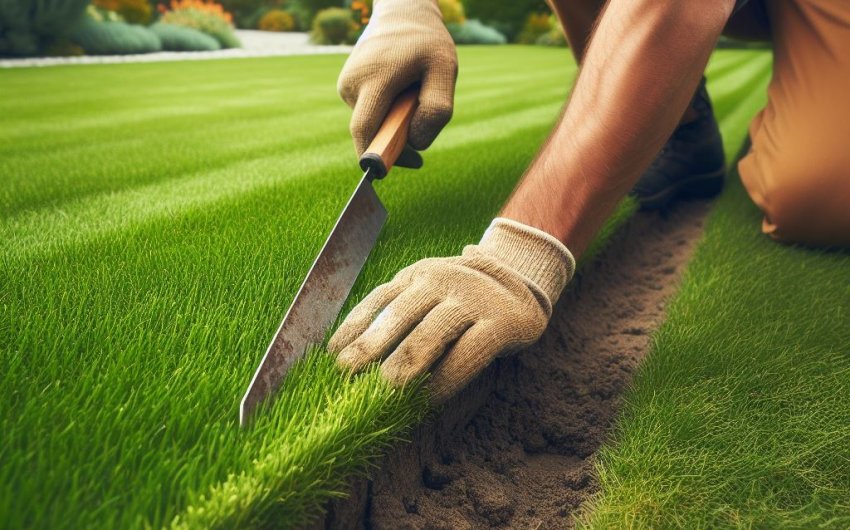
A meticulously maintained lawn is often the hallmark of a beautiful property, providing a lush, green carpet that enhances curb appeal. However, even the most vibrant grass can look messy and unkempt if its edges are ragged and ill-defined. This is where lawn edging comes into play. Far from being just a cosmetic detail, proper lawn edging creates crisp, clean lines that separate your grass from garden beds, pathways, and driveways, giving your entire landscape a polished and professional finish.
Beyond aesthetics, effective lawn edging also serves practical purposes, preventing grass from creeping into garden beds and keeping mulch and gravel neatly contained. While it might seem like a small detail, mastering the best practices for lawn edging can dramatically transform the overall appearance and manageability of your outdoor space. This guide will delve into the various types of edging, the tools you'll need, and step-by-step techniques to achieve those coveted sharp lines, ensuring your lawn always looks its absolute best.
Why Is Lawn Edging Important?
How Does Edging Improve Landscape Aesthetics?
Lawn edging plays a pivotal role in improving landscape aesthetics by providing structure, definition, and a polished finish to your outdoor space.
- Crisp, Clean Lines: The most immediate and obvious benefit is the creation of sharp, distinct boundaries between the lawn and adjacent areas like garden beds, walkways, or driveways. These clean lines give the entire landscape a manicured, professional, and intentional look.
- Visual Separation: Edging clearly separates different elements of your yard, preventing the lawn from looking like it's bleeding into other areas. This visual separation enhances the design and organization of your garden.
- Defined Shapes: It emphasizes the shapes and curves of your lawn and garden beds, highlighting their design. Whether you opt for sweeping curves or sharp angles, edging makes these design choices stand out.
- Framing Effect: Edging acts like a frame around your lawn or flower beds, drawing the eye and making the planting within appear more vibrant and intentional.
- Tidier Appearance: Even if your grass isn't perfectly mown, neat edges can make the entire lawn look much tidier and better maintained.
- Enhanced Curb Appeal: A well-edged lawn significantly boosts your property's curb appeal, contributing to a positive first impression and potentially increasing home value.
Ultimately, edging transforms an ordinary lawn into a landscape feature.
How Does Edging Help with Maintenance and Weed Control?
Beyond aesthetics, lawn edging offers significant practical benefits for maintenance and weed control, making your gardening tasks easier and more efficient.
- Prevents Grass Creep: One of the most common issues in gardens is grass (especially aggressive spreading types like Bermuda grass) creeping or invading into adjacent flower beds. Edging creates a physical barrier that helps prevent these runners from taking root in unwanted areas, significantly reducing weeding in your beds.
- Contains Mulch and Gravel: When you have mulch in your garden beds or gravel on pathways, edging acts as a barrier to keep these materials neatly contained. This prevents them from migrating onto your lawn, which can make mowing difficult or create an untidy appearance.
- Easier Mowing: A clearly defined edge provides a solid line for your lawn mower's wheels to run along, making it much easier to achieve a precise cut without accidentally cutting into garden beds or scalping the edge of the lawn. It can also reduce the need for string trimming, or make the task more efficient.
- Weed Barrier: While edging primarily controls grass, it can also act as a partial barrier against surface weeds spreading from the lawn into beds, reducing the overall weed control burden.
- Defined Work Zones: Edging delineates clear work zones, making it easier to manage watering, fertilizing, and pest control in specific areas.
These practical benefits translate into less time spent on tedious maintenance and more time enjoying your beautiful garden.
What Are the Different Types of Lawn Edging?
Plastic Edging: Affordable and Flexible?
Plastic edging is a very common choice, often favored for its affordability and flexibility.
- Material: Typically made from polyethylene (PE) or polypropylene (PP), often recycled.
- Appearance: Usually comes in long rolls, either flat-top or with a rounded top edge, usually in black, brown, or green. Some types mimic stone or wood.
- Installation: Relatively easy to install. It can be trenched into the ground (often requiring a hand edger or spade) and then held in place with plastic or metal stakes. Its flexibility makes it good for curves.
- Pros:
- Affordable: One of the most budget-friendly edging options.
- Flexible: Easily conforms to curves and irregular shapes.
- Easy to cut: Can be cut with heavy-duty shears.
- Helps contain mulch/gravel: Good for keeping materials separated.
- Cons:
- Durability: Can become brittle and crack over time due to UV exposure and cold temperatures.
- Appearance: Can look less natural or "cheap" if not installed properly or if it heaves out of the ground.
- Grass creep: Aggressive grasses can sometimes grow over or even under it if not installed deep enough.
- Best for: Budget-conscious projects, areas with many curves, or temporary solutions. A No-Dig Plastic Landscape Edging can be easy to install.
Metal Edging: Durable and Modern?
Metal edging offers a sleek, modern look and excellent durability, making it a popular choice for a crisp, long-lasting edge.
- Material: Most commonly steel (often powder-coated or galvanized) or aluminum.
- Appearance: Comes in straight strips that can be bent into curves. Available in various finishes (black, brown, green, raw steel that rusts to a patina). Creates a very thin, clean line.
- Installation: Requires more effort to install than plastic, often needing a rubber mallet and a board to drive it into the ground. Straight runs are easier than tight curves.
- Pros:
- Durable: Highly resistant to UV, cracking, and rot. Lasts for decades.
- Clean aesthetic: Creates a very crisp, minimalist line that works well in modern designs.
- Excellent grass barrier: When installed correctly, it effectively stops grass creep.
- Resists heaving: Its rigidity helps it stay in place.
- Cons:
- More expensive: Higher upfront cost than plastic.
- Can be sharp: Edges can be sharp if exposed.
- Can be difficult to install: Especially in hard soil or for complex curves.
- Steel can rust: Raw steel rusts to a desired patina; galvanized or powder-coated resists rust.
- Best for: Permanent installations, modern designs, or areas needing a very strong barrier. A Steel Landscape Edging offers a lasting solution.
Brick or Stone Edging: Classic and Permeable?
Brick or stone edging provides a classic, natural, and highly durable look, adding a touch of timeless charm to any garden.
- Material: Individual bricks, natural stones (river rock, flagstone), or concrete pavers.
- Appearance: Offers a substantial, visually prominent border. Can be laid flush with the lawn for easy mowing or raised for a more formal look.
- Installation: More labor-intensive than plastic or metal. Requires digging a trench, preparing a level base (sand or gravel), and laying each unit by hand. Mortar may be used for permanence.
- Pros:
- Aesthetic appeal: Classic, traditional, and natural look.
- Durable: Extremely long-lasting and weather-resistant.
- Permeable: Allows water to drain through, beneficial for plants.
- Versatile: Can be laid in various patterns and heights.
- Cons:
- Labor-intensive installation: Requires significant time and effort.
- More expensive: Materials and labor costs can be high.
- Grass creep: If laid without a barrier, grass can grow between bricks or over flush stones.
- Mowing: If not laid flush, a string trimmer is usually needed to finish the edge.
- Best for: Formal gardens, traditional landscapes, or areas where a permanent, decorative border is desired. You can find Garden Edging Bricks in various colors.
Concrete Edging: Permanent and Custom-Formed?
Concrete edging offers the most permanent and customizable solution, often providing a seamless, continuous border.
- Material: Poured concrete, often colored and textured to resemble stone or brick.
- Appearance: Can be custom-formed into any shape (straight, curved) and various widths and heights. Provides a very neat, clean, and durable boundary.
- Installation: Highly specialized. Requires mixing and pouring concrete, forming it with molds, and often needs professional installation for best results.
- Pros:
- Extremely durable and permanent: Virtually maintenance-free once installed.
- Highly customizable: Can create unique shapes and designs.
- Excellent grass barrier: Provides an impenetrable barrier for grass creep.
- Easy mowing: Can be installed flush with the lawn for easy mowing.
- Cons:
- Most expensive: Highest upfront cost, especially for professional installation.
- Labor-intensive: Significant work involved.
- Not DIY-friendly: Best left to professionals for a polished look.
- Fixed: Cannot be easily changed or removed once installed.
- Can crack: If ground shifts or installation is poor.
- Best for: High-end landscapes, complex custom designs, or areas where a completely permanent, low-maintenance border is desired.
No-Dig Edging (Spade Edging): Simple and Natural?
No-dig edging, often called spade edging or creating a trench edge, is the simplest, most natural, and most affordable form of lawn edging, though it requires frequent maintenance.
- How it's done: Instead of installing a material, you create a sharp, shallow V-shaped trench or vertical cut between the lawn and garden bed using a half-moon edger or a sharp spade.
- Appearance: Creates a very clean, natural, invisible edge that looks seamless.
- Installation: Very fast and inexpensive initially.
- Pros:
- Zero cost (materials): Only requires tools.
- Natural look: Blends perfectly with the landscape.
- Easy to create curves: Follows any desired shape effortlessly.
- Temporary/Flexible: Can be changed easily.
- Cons:
- High maintenance: Requires frequent re-cutting (every 2-4 weeks) to maintain its sharpness, as grass will quickly grow back into the trench.
- Not a strong barrier: Less effective at stopping aggressive grass creep than physical barriers.
- Erosion: Can be prone to erosion in sandy or sloped areas.
- Best for: Small gardens, areas needing a very natural look, or a quick, temporary solution. A Half-Moon Lawn Edger is the ideal tool for this.
What Are the Best Practices for Installing Lawn Edging?
How Do I Plan and Mark the Edging Path?
Planning and marking the edging path correctly are crucial first steps for a professional-looking and functional lawn edging installation.
- Define Purpose: First, determine the purpose of your edging: purely aesthetic, weed control, containing mulch, or a combination. This helps choose the right material.
- Observe Your Space: Look at your lawn and garden beds. Where do you want the edge to be? Do you prefer straight lines, gentle curves, or tight turns? Consider existing features like trees, large rocks, or pathways.
- Choose a Design Style:
- Straight lines: Use for formal gardens, along driveways, or rectangular beds.
- Gentle curves: Create a softer, more natural look, often preferred for cottage or informal gardens. Avoid tight, unnatural "s-curves."
- Mark the Path:
- Hose or Rope Method: Lay out a garden hose or a length of rope to experiment with different curves and shapes. This allows you to visualize the line and make adjustments easily before committing.
- Spray Paint/Flour: Once you're happy with the shape, use landscape marking spray paint or even flour to permanently mark the line on the lawn. This line will be your guide for digging the trench.
- Stakes and String (for straight lines): For perfectly straight lines, pound stakes into the ground at each end and stretch a tight string between them.
Take your time with this planning phase; a well-marked line will save you headaches later.
What Tools Do I Need for Installation?
Having the right tools makes lawn edging installation much easier and more precise.
- For Marking and Digging:
- Garden hose or rope: For temporary marking of curves.
- Landscape marking paint or flour: For permanent marking.
- Half-moon edger (Manual): Ideal for creating clean, vertical cuts for trenches, especially for no-dig edging.
- Flat-edged spade or shovel: For digging trenches.
- Garden trowel or hand spade: For fine-tuning trench bottoms or leveling.
- Rubber mallet: For driving metal edging or stakes.
- For Leveling and Measuring:
- Level: To ensure your edging is installed straight and level.
- Measuring tape: For accurate measurements of lengths and heights.
- Utility knife or heavy-duty shears: For cutting plastic edging or thinner metal edging.
- For Finishing:
- Wheelbarrow: For moving soil, mulch, or gravel.
- Rake: For smoothing soil and spreading mulch.
- Garden hose: For initial watering after installation.
- Gardening gloves: To protect your hands.
Having these tools ready before you start will streamline the installation process.
How Do I Dig a Proper Trench for Edging?
Digging a proper trench is fundamental for securely installing most types of lawn edging (plastic, metal, brick/stone).
- Mark the Line: Use your pre-marked line (from the planning stage) as your guide.
- Make Initial Cut: Using a half-moon edger or a sharp, flat-bladed spade, make a clean, vertical cut along the marked line. Push down firmly and deeply to get a crisp edge.
- Dig the Trench: Begin removing soil from the lawn side of the cut to create a trench. The depth and width of the trench will depend on the type of edging you are installing:
- Plastic/Metal: Typically, a trench 4-6 inches deep and 1-2 inches wide is sufficient. The edging material should be mostly buried, with only 0.5-1 inch showing above the ground.
- Brick/Stone: Requires a wider and potentially deeper trench, usually 6-8 inches deep and wide enough to accommodate the brick/stone plus a base layer.
- Create a Level Base: This is crucial. For materials like brick or stone, you'll need to create a perfectly level and compacted base of gravel or sand at the bottom of the trench. Use a level tool constantly. For plastic or metal, ensure the bottom of the trench is firm and relatively level.
- Remove Excess Soil: As you dig, shovel the removed soil into a wheelbarrow. This soil can be reused in garden beds or other areas.
A well-dug, level trench ensures your edging stays in place and looks professional.
How to Install Different Edging Materials?
The method for installing different edging materials varies based on their type.
- Plastic Edging:
- Dig your shallow trench (4-6 inches deep).
- Unroll the plastic edging and place it into the trench, ensuring it follows your marked line.
- Backfill with soil, tamping it down firmly on both sides to hold the edging in place.
- Insert plastic or metal stakes (often provided with the edging) through the designated holes or behind the edging for extra stability, tapping them down with a rubber mallet.
- Ensure only 0.5-1 inch of the edging is exposed above the lawn level for a neat look.
- Metal Edging:
- Dig a trench similar to plastic edging (4-6 inches deep).
- Place the metal edging into the trench. For curves, you may need to pre-bend the strips gently.
- Use a rubber mallet and a piece of wood (to protect the edging) to tap the edging firmly into the ground. Drive it down until only a small lip (around 0.5 inches) is visible above the lawn.
- Interlock pieces (if applicable) or overlap by a few inches. Use stakes provided with the edging for additional support.
- Brick/Stone Edging:
- Dig a deeper, wider trench (6-8 inches deep) and create a compacted base of gravel (2-3 inches) followed by sand (1-2 inches). Use a level.
- Lay each brick or stone on the sand bed, gently tapping it with a rubber mallet to ensure it's level and flush with the adjacent units.
- Ensure the top of the brick/stone is slightly above the lawn level (or flush if desired for mowing).
- Fill gaps with sand or polymeric sand. Backfill soil on either side.
Take your time with installation, constantly checking for levelness and alignment.
What Are the Best Practices for Maintaining Lawn Edging?
How Often Should I Re-Edge or Maintain Existing Edging?
The frequency of re-edging or maintaining existing edging depends heavily on the type of edging material and the aggressiveness of your grass.
- No-Dig (Spade) Edging: This type requires the most frequent maintenance. To keep the line sharp and prevent grass from growing back, you will typically need to re-cut this edge every 2-4 weeks, especially during the active growing season.
- Plastic Edging: Requires periodic checking. Over time, plastic can heave out of the ground (due to frost heave or soil expansion), allowing grass to grow over it. You might need to push it back down or re-stake it once or twice a season.
- Metal Edging: Very low maintenance. Once properly installed, it rarely heaves or allows grass creep. You might only need to check it once or twice a year for any shifting or damage.
- Brick/Stone/Concrete Edging: Also very low maintenance. You'll mostly need to check for weeds growing between cracks (for brick/stone without mortar), or any minor shifting. Mortared brick/stone and concrete are virtually maintenance-free.
- General Maintenance: Regardless of type, regularly clean off any grass clippings or debris that accumulate on the edging to keep it looking neat.
Consistent, simple maintenance keeps your edging sharp and effective.
How Does Mowing Along the Edge Influence Maintenance?
Mowing along the edge of your lawn directly influences the maintenance required for your edging.
- Mower Wheel Guide: For edging materials like brick, concrete, or flush-laid metal/plastic, aim to have one wheel of your lawn mower run along the top of the edging. This creates a perfectly straight cut and reduces the need for string trimming.
- Flush vs. Raised Edging:
- Flush Edging: Ideal for easy mowing. If the top of your edging is level with or slightly below the lawn surface, your lawn mower can simply pass over it, creating a clean cut with minimal effort. This is often the most low-maintenance option.
- Raised Edging: Creates a more distinct visual border but typically requires a string trimmer or edger tool to cut the grass directly alongside it, as the lawn mower cannot reach. This adds to your maintenance time.
- Sharp Mower Blades: Always use sharp mower blades. Dull blades tear and fray grass, especially at the edges, making them look brown and unkempt. A sharp blade creates a clean cut right up to the edging.
- Avoid Scalping: Be careful not to "scalp" the grass right at the edge of the edging, which can damage the grass and make it susceptible to stress.
Proper mowing technique directly contributes to the neatness and low maintenance of your edged lawn.
What Is the Role of Weed Control Along Edging?
Weed control along edging is crucial for maintaining the crisp, clean look you worked to achieve with your lawn edging.
- Visual Impact: Weeds growing in or around your edging immediately detract from its clean lines and professional appearance.
- Physical Barrier Maintenance: If weeds grow directly in or over the edging material (especially with brick or stone), they can compromise its effectiveness as a grass barrier or even shift the units over time.
- Competition: Weeds compete with your grass and garden plants for water and nutrients.
- Methods of Control:
- Hand-Weeding: For occasional weeds, simply pull them by hand, especially after rain when the soil is soft.
- Herbicide (Spot Treatment): For persistent weeds, a targeted spot treatment with a non-selective herbicide (like glyphosate) can be effective. Apply carefully only to the weeds, avoiding desirable grass or garden plants. Look for a Weed Killer Spray for Edging with a precise applicator.
- Polymeric Sand: For brick or stone edging laid without mortar, using polymeric sand between the joints helps lock the units in place and inhibits weed growth.
- Weed Barrier Fabric: For new installations of gravel or mulch beds, laying down weed barrier fabric under the material (and under the edging) can help suppress weeds.
Consistent weed control keeps your edging sharp and your landscape pristine.
How Does Proper Landscape Bed Maintenance Complement Edging?
Proper landscape bed maintenance directly complements your lawn edging, creating a harmonious and polished overall landscape. The edging defines the beds, and proper bed maintenance makes those defined areas shine.
- Mulch: Maintain a consistent 2-4 inch layer of mulch in your garden beds. This suppresses weeds, retains moisture, regulates soil temperature, and creates a clean, uniform background that highlights your plants and contrasts beautifully with the lawn. The edging keeps the mulch in place.
- Weed-Free Beds: Just as you control weeds along the edging, keep your garden beds free of weeds. A weed-filled bed makes the entire landscape look messy, even with perfect edging.
- Defined Bed Lines: If your edging separates the lawn from a garden bed, ensure the bed's edge against the edging is clean and well-defined.
- Healthy Plants: Maintain healthy plants within your garden beds. Vigorous, well-cared-for plants enhance the overall aesthetic of the defined area.
- Regular Trimming/Pruning: Keep shrubs and perennials within the beds trimmed to prevent them from sprawling over the edging or onto the lawn, which defeats the purpose of the neat border.
A holistic approach to lawn and garden bed maintenance ensures your lawn edging achieves its full potential for splendor and neatness.