
The Best Practices for Using a Transplanting Spade
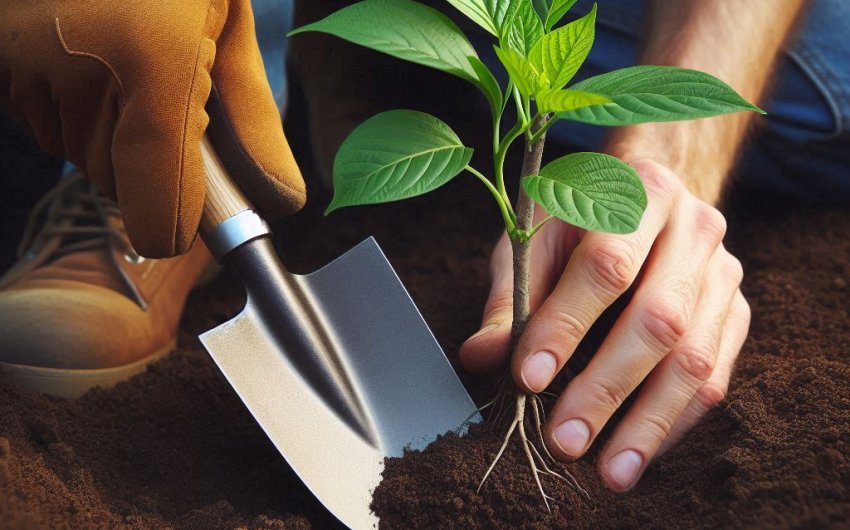
A transplanting spade is an indispensable tool for any gardener, especially when it comes to carefully moving plants, shrubs, or small trees without causing undue stress. Its unique design makes it far more effective than a standard shovel for preserving a plant's delicate root ball. Mastering the best practices for using this specialized tool ensures successful transplants and healthier plants.
What is a Transplanting Spade, and Why Do You Need One?
Before delving into techniques, it's essential to understand the specific design of a transplanting spade and how it differs from other digging tools. This understanding highlights why it's the superior choice for moving plants.
Definition and Design:
- A transplanting spade is a specialized digging tool with a distinct, narrower blade compared to a standard garden shovel.
- Blade Shape: Its blade is typically long, narrow, and often slightly curved or dished. It usually tapers to a sharp point at the end.
- Blade Material: High-quality transplanting spades are made from strong, durable steel (like tempered carbon steel or stainless steel) that holds a sharp edge.
- Handle: Handles can vary, from short D-handles for close-up work to longer straight handles for leverage.
- Foot Rest (Step Plate): Many models feature a pronounced foot rest at the top of the blade, allowing the user to apply downward pressure with their foot for easier penetration into the soil.
Key Differences from a Standard Shovel:
Feature Transplanting Spade Standard Garden Shovel (Round Point) Blade Width Narrow (often 4-6 inches wide) Wider (typically 8-10 inches wide) Blade Length Longer (often 12-16 inches) Shorter (typically 8-12 inches) Blade Tip Sharp, pointed Rounded or pointed Blade Shape Often slightly dished or curved, designed for cutting Wider, more flat, designed for scooping/lifting loose soil Primary Use Cutting clean, deep edges around root balls, transplanting, digging narrow trenches General digging, scooping, moving loose soil or aggregates Root Ball Damage Minimizes disturbance to the root ball More likely to slice through or damage parts of the root ball Precision High Lower Why You Need a Transplanting Spade for Moving Plants:
- Preserves the Root Ball: The narrow, sharp blade allows you to cut a precise circle around a plant's root ball, keeping it intact as much as possible. This is crucial for reducing transplant shock, which is the stress a plant experiences when moved.
- Minimizes Damage: Unlike a wide shovel that might rip or sever roots indiscriminately, the spade's design allows for cleaner cuts, leading to less root damage.
- Better Leverage in Tight Spaces: Its narrow profile is ideal for working in crowded garden beds or between existing plants where a wider shovel would be cumbersome.
- Deeper Penetration: The longer, sharper blade penetrates deeper into the soil with less effort, allowing you to get under the entire root system of larger plants.
- Cleaner Edges: Useful for dividing perennials or creating neat, defined edges around garden beds.
A transplanting spade is not just a tool; it's an investment in the health and successful relocation of your plants, making it an essential part of any serious gardener's toolkit. A good quality Fiskars Transplanting Spade can last for years.
How Do You Prepare for Transplanting with a Spade?
Proper preparation is just as important as the actual digging when using a transplanting spade. A well-planned approach minimizes stress on the plant and maximizes your chances of a successful move.
Choose the Right Time for Transplanting:
- Ideal Seasons:
- Early Spring: Generally the best time for most plants. The plant is coming out of dormancy or just beginning active growth, temperatures are mild, and there's often good rainfall. This allows roots to establish before summer heat.
- Early Fall: Also excellent, especially for trees and shrubs. Mild temperatures and consistent moisture allow roots to grow before winter dormancy, setting the plant up for strong spring growth.
- Avoid:
- Mid-Summer: Hot, dry weather causes extreme stress and can lead to plant death.
- Mid-Winter: Freezing temperatures can damage roots and frozen soil makes digging impossible.
- Consider Bloom Cycle: Avoid transplanting plants when they are in full bloom or setting fruit, as this is a very energy-intensive period for them.
- Ideal Seasons:
Prepare the New Planting Site First:
- Dig the Hole: Before you even touch the plant you're moving, dig the new planting hole.
- Width: The hole should be 2-3 times wider than the estimated diameter of the plant's root ball.
- Depth: The hole should be no deeper than the height of the root ball, so the plant sits at the same level it was previously. The top of the root ball should be flush with or slightly above the surrounding soil grade.
- Amend the Soil: Loosen the soil at the bottom and sides of the new hole. Mix in any necessary soil amendments like compost or organic soil conditioner to improve drainage and nutrient content, especially if the new soil is poor.
- Water the Hole: Lightly water the newly dug hole. This helps the new soil settle and provides immediate moisture for the transplanted plant.
- Dig the Hole: Before you even touch the plant you're moving, dig the new planting hole.
Hydrate the Plant to be Moved:
- Thorough Watering: Water the plant you intend to move deeply the day before transplanting. A well-hydrated plant handles stress better and its root ball will hold together more effectively.
- Avoid Overwatering: Don't water so much that the soil is a muddy mess, as this will make digging difficult and heavy. Just moist.
Gather Your Tools and Materials:
- Transplanting Spade: Ensure your transplanting spade is clean and sharp. A sharp edge makes cutting through soil and roots easier and cleaner.
- Wheelbarrow or Tarp: To transport the plant with its root ball to the new location.
- Garden Fork/Shovel: For general digging, if needed.
- Pruners/Loppers: To trim any damaged roots or foliage. A good pair of bypass pruners is essential.
- Gloves: For protection.
- Watering Can or Hose: For post-transplant watering.
- Root Stimulant (Optional): Products like rooting hormone solution can help encourage new root growth.
Assess the Plant:
- Root Ball Size: Estimate the size of the root ball you'll need to dig. A general rule of thumb is a root ball diameter of about 10-12 inches for every inch of stem diameter at the base of the plant, or equal to the plant's spread for smaller perennials.
- Overall Health: Only transplant healthy plants. A plant already struggling with pests or disease will likely not survive the stress of transplanting.
- Trim Excess Foliage (for stressed plants): If the plant looks particularly large or stressed, you can prune back about one-third of its foliage (not the roots!) to reduce moisture loss and stress after transplanting.
By diligently following these preparatory steps, you'll be well-equipped to successfully utilize your transplanting spade and minimize shock for your plants.
What is the Step-by-Step Process for Using a Transplanting Spade?
Now for the practical application of your transplanting spade. This step-by-step guide will walk you through the careful excavation and relocation of your plant, aiming to keep its root system as intact as possible.
Mark the Root Ball Perimeter:
- Establish Size: Decide on the size of the root ball you want to remove. For smaller plants, this might be a foot in diameter; for larger shrubs, it could be 2-3 feet. Always aim for as large a root ball as is manageable.
- Outline: Use your transplanting spade to lightly score a circle around the base of the plant, at the desired root ball diameter. This helps guide your cuts. For a multi-stemmed plant, center your circle around the main cluster of stems.
Make Vertical Cuts Around the Root Ball:
- Perimeter Cuts: Insert the sharp blade of your transplanting spade vertically into the soil along the marked circle. Use your foot on the step plate to push the blade deeply into the soil.
- Clean Slices: Work your way around the entire perimeter of the circle, making overlapping vertical cuts. The goal is to slice cleanly through the soil and any roots that are within that marked boundary, creating a defined edge for your root ball.
- Angle Inward (Optional for larger plants): For very large plants, sometimes angling the blade slightly inward as you cut can help create a cone-shaped root ball, making it easier to leverage later.
Sever the Root Ball from Below (Prying):
- Leverage Point: Once you've completed the perimeter cuts, position your transplanting spade outside the circular cut, about 6-12 inches away from the plant, and angle the blade underneath the root ball.
- Pry and Lift: Use the spade as a lever. Push down on the handle, using the soil as a fulcrum, to gently pry the root ball upwards and loosen it from the ground. You may need to do this from several points around the plant to fully sever the taproot or central root system.
- Listen and Feel: You'll hear and feel roots snapping as you pry. Don't force it aggressively. If it's too difficult, you may need to make additional perimeter cuts deeper or wider, or try a different leverage point.
Lift and Transport the Plant:
- Careful Handling: Once the root ball is loose, gently rock the plant to further free it.
- Support the Root Ball: The most critical step. Never lift the plant by its stem or branches. Always lift by the root ball, supporting it from underneath. If it's a large root ball, you may need help from another person, or slide it onto a tarp or piece of burlap for easier transport.
- Minimize Disturbance: Try to keep the soil around the roots as intact as possible. Don't let the root ball crumble apart.
- Immediate Transport: Move the plant immediately to the prepared new planting hole. Don't leave the root ball exposed to air for long.
Place the Plant in the New Hole:
- Check Depth: Carefully place the plant in the center of the new hole. Ensure the top of the root ball is level with or slightly above the surrounding soil grade. Adjust the soil underneath if necessary.
- Orient Properly: If the plant had a "front" side or was oriented in a particular direction in its old spot, try to replicate that in the new hole for aesthetic consistency.
Backfill and Water:
- Backfill with Soil: Gently backfill the hole with the excavated soil (and any amendments). Lightly tamp the soil around the root ball to remove large air pockets, but avoid compacting it heavily.
- Create a Water Basin (Optional): For larger plants, you can create a small berm or basin around the edge of the planting hole to help hold water.
- Thorough Watering: Water the newly transplanted plant deeply and immediately. This helps settle the soil around the roots and provides essential moisture. Water slowly until the soil is saturated.
- Root Stimulant (Optional): If using a root stimulant, mix it into the water as directed.
By following this careful process with your transplanting spade, you maximize the chances of a smooth transition and successful establishment for your relocated plants.
How Do You Care for a Transplanted Plant?
Successfully using a transplanting spade is only half the battle; the true measure of success lies in the plant's post-transplant recovery. Proper aftercare is crucial to help the plant establish itself in its new home and overcome transplant shock.
Consistent Watering:
- Initial Deep Water: After planting, ensure the first watering is thorough, settling the soil around the roots.
- Regular Moisture: For the first few weeks to months (depending on plant size and weather), the most critical factor is consistent moisture. The plant's damaged root system cannot absorb water efficiently, so it needs easy access.
- Frequency: Check the soil daily. Keep it consistently moist but not soggy. You might need to water every day or every other day, especially during warm, dry periods. Gradually reduce frequency as the plant establishes.
- Avoid Drought: Allowing the newly transplanted plant to dry out even once can be fatal.
Protection from Extremes:
- Shade and Wind: For the first few days or weeks, consider providing temporary shade for plants moved into sunny areas, especially if temperatures are high. A simple shade cloth or even an old umbrella can help reduce heat stress and water loss. Protection from strong winds also helps prevent wilting. You can buy a shade cloth for plants to offer protection.
- Mulch: Apply a 2-4 inch layer of organic mulch (wood chips, straw, shredded leaves) around the base of the plant. Keep it a few inches away from the stem or trunk.
- Benefits of Mulch: Conserves soil moisture, moderates soil temperature (keeping roots cooler in summer and warmer in winter), and suppresses weeds that would compete for water and nutrients.
Avoid Fertilizing (Initially):
- No Nitrogen Rush: Do not apply high-nitrogen fertilizers immediately after transplanting. The plant is focusing its energy on root recovery, and too much nitrogen can encourage top growth at the expense of root development.
- Root Stimulants: If you choose to use anything, a root stimulant product (often containing auxins or kelp extract) or a balanced, very dilute liquid feed high in phosphorus (for root growth) can be beneficial.
Pruning (Minimal or Strategic):
- Reduce Stress: If the plant is very large, or shows significant wilting or stress after transplanting, you can prune back about one-third of its foliage. This reduces the amount of leaf surface that needs water, allowing the struggling roots to catch up.
- Remove Damaged Parts: Remove any broken branches or severely damaged leaves.
- Avoid Over-Pruning: Don't remove too much healthy foliage, as leaves are essential for photosynthesis.
Monitor for Pests and Diseases:
- Vulnerability: Stressed plants are more susceptible to pest infestations and diseases.
- Regular Checks: Inspect your transplanted plant frequently for any signs of trouble. Address issues promptly with organic pest control methods if possible.
Patience is Key:
- Recovery Time: It takes time for a plant to recover from transplant shock and establish new roots. Smaller plants might bounce back in a few weeks, while larger trees and shrubs can take a full year or even more to fully settle in.
- Temporary Wilting: Don't panic if the plant wilts slightly immediately after transplanting. This is common and often resolves with immediate watering. However, persistent wilting signals a bigger problem.
By diligently following these aftercare practices, you significantly increase the chances of a thriving recovery for plants moved with your transplanting spade, leading to a more successful garden.
What Are Common Mistakes to Avoid When Using a Transplanting Spade?
Even with the right tool, missteps can derail your efforts when using a transplanting spade. Being aware of common mistakes will help you avoid unnecessary stress on your plants and ensure successful transplants.
Not Preparing the New Hole First:
- The Mistake: Digging up the plant before the new hole is ready. This leaves the delicate root ball exposed to air, sun, and wind, causing it to dry out rapidly and leading to severe transplant shock.
- The Fix: Always dig and prepare the receiving hole completely before you start digging up the plant you want to move. This minimizes the time the roots are exposed.
Digging Too Small a Root Ball:
- The Mistake: Being overly cautious and cutting too small a circle around the plant. This results in severe root pruning, especially of the fine feeder roots crucial for water and nutrient absorption.
- The Fix: Aim for as large a root ball as you can reasonably manage and transport. A good rule of thumb is a root ball diameter of at least 10-12 inches for every 1 inch of stem diameter at the base of the plant, or consider the approximate spread of the plant for smaller perennials.
Not Watering the Plant Beforehand:
- The Mistake: Trying to dig up a plant when its soil is bone dry. Dry soil crumbles easily, causing the root ball to fall apart and exposing the roots. Dry plants also suffer more shock.
- The Fix: Thoroughly water the plant to be moved the day before transplanting. Moist soil holds together better around the roots, and a hydrated plant can better cope with stress.
Lifting the Plant by Its Stem/Foliage:
- The Mistake: Once the root ball is loosened, grabbing the plant by its stem or branches to pull it out of the ground. This can snap stems, damage the crown, and completely separate the root system from the top of the plant.
- The Fix: Always lift the plant by supporting the entire root ball from underneath. For larger plants, use a tarp, burlap, or get help to gently slide it onto a transport device.
Exposing the Root Ball for Too Long:
- The Mistake: Leaving the excavated plant with an exposed root ball sitting out in the sun or wind while you go off to do other tasks. Even a few minutes of exposure can desiccate crucial feeder roots.
- The Fix: Move the plant immediately into its new, prepared hole. If there's any delay, cover the root ball with a damp tarp, burlap, or even moist soil to keep it from drying out.
Planting Too Deep or Too Shallow:
- The Mistake: Planting the root ball too deep (where the stem flare is buried) or too shallow (where the root ball top is significantly above ground level). Both can cause long-term problems.
- The Fix: Ensure the plant sits at the same soil level in its new spot as it did in its old one. The top of the root ball should be flush with or slightly above the surrounding grade.
Over-Fertilizing Immediately After Transplanting:
- The Mistake: Applying a strong dose of nitrogen fertilizer immediately after moving a plant, thinking it will give it a boost.
- The Fix: Do not fertilize with high-nitrogen fertilizers. The plant needs to focus energy on root recovery, not top growth. If using anything, opt for a root stimulant or a very dilute balanced liquid feed.
By consciously avoiding these common pitfalls, you can dramatically improve your success rate when using a transplanting spade and ensure your relocated plants thrive in their new homes.