
Best Solar Garden Lights for Outdoor Ambiance
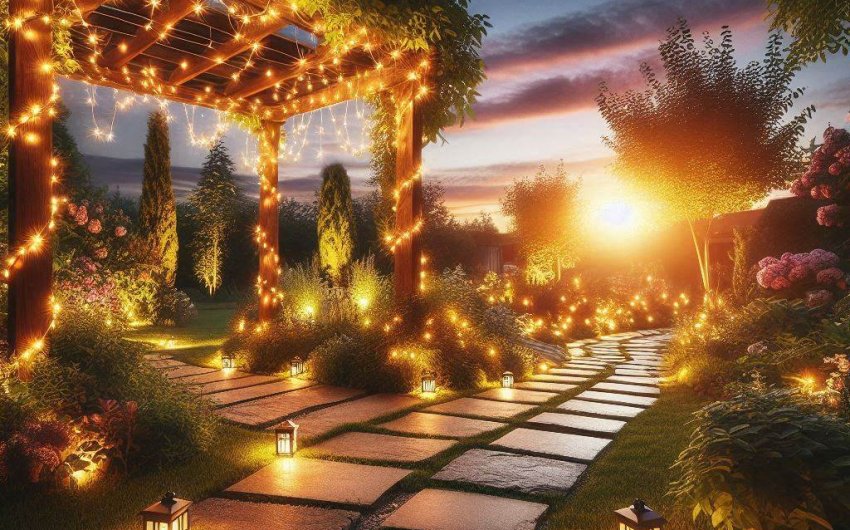
Transforming your outdoor space into a magical evening retreat doesn't have to be complicated or expensive. One of the simplest and most effective ways to add charm, safety, and a touch of enchantment is by using solar garden lights. These clever devices harness the power of the sun during the day to glow beautifully at night, offering a no-fuss, wire-free lighting solution. Forget about tangled cords, electrical outlets, or rising energy bills. With the best solar garden lights, you can easily create the perfect outdoor ambiance.
Why Choose Solar Garden Lights?
The popularity of solar lights has exploded, and for good reason. They offer a unique blend of benefits that traditional wired lighting just can't match.
- Eco-Friendly and Sustainable: They run on renewable solar energy, meaning zero electricity costs and a smaller carbon footprint. They are a genuinely green lighting solution.
- Easy Installation: No wiring, no electricians, no digging trenches. Most solar lights are ready to go right out of the box. Just place them where you want them to shine.
- Versatility: From tiny fairy lights to powerful spotlights, there's a solar lighting solution for every need and style. You can move them easily too.
- Safety: They eliminate the trip hazards of cords and reduce the risk of electrical shorts in wet conditions. They also provide gentle illumination for pathways, helping to prevent falls.
- Automatic Operation: Most solar garden lights have built-in light sensors. They automatically turn on at dusk and turn off at dawn, requiring no manual effort from you.
- Cost-Effective: While the initial purchase might seem like an outlay, remember there are no ongoing electricity costs. Over time, solar lights save you money.
How Do Solar Garden Lights Work?
It's simpler than you might think! Each solar garden light typically has a few key components:
- Solar Panel: This is the part that captures sunlight during the day. The solar panel converts the sun's energy into electricity.
- Rechargeable Battery: The electricity generated by the solar panel is stored in a rechargeable battery (usually NiMH or Li-ion). This battery powers the light at night.
- LED Bulb: Light Emitting Diodes (LEDs) are highly efficient and durable, making them perfect for solar lighting. They use very little power to produce bright light.
- Light Sensor: A tiny sensor detects when it gets dark enough, signaling the light to turn on automatically.
During the day, the solar panel charges the battery. At night, the stored energy powers the LED bulb. The longer and stronger the sunlight exposure, the longer and brighter the light will shine at night.
Types of Solar Garden Lights for Ambiance
The variety of solar garden lights available today is vast, allowing you to achieve almost any desired look or function.
1. Solar Pathway Lights
These are perhaps the most common type of solar garden lights. They typically come with a stake that you push into the ground alongside pathways, driveways, or garden beds.
- Purpose: To illuminate walkways for safety and to highlight garden features. They create a welcoming glow.
- Styles: From sleek modern designs to classic lantern shapes, there's a solar pathway light to match any aesthetic. Some offer different light patterns or colors.
- Considerations: Look for lights with a durable stake (metal is better than plastic) and a good-sized solar panel for reliable charging.
2. Solar Spotlights
For highlighting specific features like a beautiful tree, a statue, or your home's facade, solar spotlights are ideal.
- Purpose: To provide focused, brighter illumination on key elements in your landscape.
- Adjustability: Many solar spotlights feature adjustable heads and solar panels, allowing you to direct both the light and the charging angle.
- Brightness: These often have more powerful LEDs and larger batteries to provide more intense light.
- Considerations: Check the lumen output (a measure of brightness) to ensure it meets your needs. Look for sturdy construction as they are often placed in less protected areas.
3. Solar String Lights / Fairy Lights
Perfect for creating a festive, whimsical, or romantic ambiance on patios, pergolas, fences, or trees.
- Purpose: To add decorative sparkle and a warm, inviting glow. They define spaces and create a magical atmosphere.
- Varieties: Come in various lengths, bulb sizes, and styles, from classic globe string lights to delicate solar fairy lights with tiny LEDs.
- Considerations: Ensure the solar panel for the string lights can be positioned in full sun, even if the lights themselves are in a shadier spot. Look for durable, waterproof connections. Some have multiple lighting modes (steady, flashing).
4. Solar Lanterns
These are versatile and can be hung from hooks, placed on tables, or even carried.
- Purpose: To provide soft, ambient light in seating areas or to add a decorative touch to steps and ledges.
- Styles: Available in many designs, from traditional Asian-inspired lanterns to modern geometric shapes, often with warm, flickering LED "flames."
- Considerations: Check the battery life if you plan to use them for extended periods. Some are designed for indoor/outdoor use. A shepherd's hook can be useful for hanging lanterns.
5. Solar Security Lights / Motion Sensor Lights
While more about function than pure ambiance, these can be a useful part of your overall outdoor lighting plan.
- Purpose: To deter intruders and provide illumination only when needed, conserving battery life.
- Features: Often very bright, with powerful motion sensors that detect movement from a distance.
- Considerations: Look for adjustable sensitivity settings and a good range for the motion sensor.
6. Novelty Solar Lights
For adding a touch of fun and personality to your garden.
- Purpose: Purely decorative and whimsical. Think solar garden gnomes, glowing stepping stones, or color-changing orb lights.
- Styles: Endless creative designs to choose from, often depicting animals, flowers, or fantasy elements.
- Considerations: Prioritize durability and weather resistance, as novelty items can sometimes be less robust.
Key Factors When Choosing the Best Solar Garden Lights
To ensure you get solar lights that truly enhance your outdoor ambiance and last for years, consider these important factors:
1. Solar Panel Quality and Size
The solar panel is the heart of the system.
- Monocrystalline vs. Polycrystalline: Monocrystalline panels are generally more efficient and perform better in lower light conditions than polycrystalline panels, though they can be more expensive.
- Size: A larger solar panel usually means more efficient charging, leading to longer illumination times, especially in less-than-ideal sunny spots.
- Placement: Ensure the solar panel (whether integrated or separate) will get at least 6-8 hours of direct, unobstructed sunlight daily.
2. Battery Type and Capacity
The rechargeable battery determines how long your lights will stay on.
- NiMH vs. Li-ion: Lithium-ion (Li-ion) batteries are generally superior. They hold a charge longer, have a longer lifespan, and perform better in colder temperatures than older Nickel-Metal Hydride (NiMH) batteries.
- Capacity (mAh): Look for higher milliamp-hour (mAh) ratings, which indicate a larger battery capacity and thus longer illumination times. Aim for at least 600mAh for basic lights, and 1000mAh+ for brighter or longer-lasting options.
3. Brightness (Lumens)
Brightness is measured in lumens.
- Path Lights: 10-50 lumens are usually sufficient for subtle pathway illumination.
- Spotlights: 100-300+ lumens for highlighting specific features.
- Ambiance Lights: String lights, lanterns, and novelty lights are often lower lumen (1-20 lumens) as their purpose is gentle glow, not strong illumination.
- Consider your goal: Do you want subtle mood lighting or bright functional light?
4. Durability and Weather Resistance
Your solar lights will be exposed to the elements year-round.
- Material: Look for sturdy materials like stainless steel, aluminum, or thick, UV-resistant ABS plastic. Avoid thin, flimsy plastic.
- IP Rating: This indicates water and dust resistance. Look for an IP (Ingress Protection) rating of at least IP44 for splash resistance, and IP65 or higher for full dust and water jet protection.
- Glass vs. Plastic Lens: Glass lenses tend to stay clearer and resist yellowing over time better than plastic.
5. Run Time
This refers to how long the light stays on after a full day of charging.
- Aim for lights that promise at least 8-10 hours of run time, especially if you want them to last well into the night.
6. Light Color (Color Temperature)
Light color is measured in Kelvin (K).
- Warm White (2200K-3000K): Creates a cozy, inviting, yellowish glow, similar to incandescent bulbs. Ideal for ambiance.
- Cool White (4000K-5000K): A crisper, bluer light, similar to daylight. Good for security or task lighting, but can feel harsh for ambiance.
- Color-Changing (RGB): Some lights offer a range of colors, which can be fun for parties or a dynamic display.
7. Installation Method
- Stake Lights: Easiest for pathways and garden beds. Ensure the stake is robust.
- Wall-Mounted: For illuminating walls, fences, or decks. Requires a power drill and screws for installation.
- Clip-On: Versatile for attaching to railings, trellises, or umbrella poles.
- Free-Standing/Tabletop: Lanterns are often used this way.
Tips for Maximizing Your Solar Garden Lights' Performance
Even the best solar garden lights need a little help to shine their brightest.
- Placement is Key: This cannot be stressed enough. Position the solar panel (or the light itself, if the panel is integrated) where it receives at least 6-8 hours of direct, unobstructed sunlight daily. Even partial shade can drastically reduce charging efficiency.
- Clean Solar Panels: Regularly wipe down the solar panel with a damp cloth to remove dirt, dust, pollen, and debris. A dirty panel can't absorb as much sunlight.
- Clear Obstructions: Ensure no tree branches, leaves, or snow are covering the solar panel.
- Strategic Placement: Think about what you want to achieve.
- Pathways: Place lights every 3-5 feet for even illumination.
- Highlighting: Use spotlights to draw attention to specific features.
- Defining Spaces: Use string lights around patios or pergolas.
- Safety: Place lights near steps, changes in elevation, or dark corners.
- Initial Charge: When you first get new solar lights, let them charge in direct sunlight for at least 24-48 hours with the light turned "off." This allows the battery to get a full initial charge.
- Replace Batteries: Rechargeable batteries don't last forever. If your lights are dimming or not staying on as long, it's likely time to replace the rechargeable batteries. Check the light's specifications for the correct battery type (e.g., AA NiMH, AAA NiMH, or 18650 Li-ion). Many solar lights allow for easy battery replacement.
- Winter Care: In snowy regions, clear snow from solar panels. In very cold climates, some users prefer to bring more delicate solar lights indoors for the winter to extend their lifespan.
Solar garden lights offer an unparalleled combination of beauty, convenience, and eco-friendliness for your outdoor spaces. By understanding the different types, knowing what to look for in terms of quality, and following simple maintenance tips, you can effortlessly create enchanting ambiance, improve safety, and truly extend your living space into the magical hours after sunset. Let the sun do the work, and enjoy your beautifully lit garden!