
Best Mulching Practices for Summer Heat
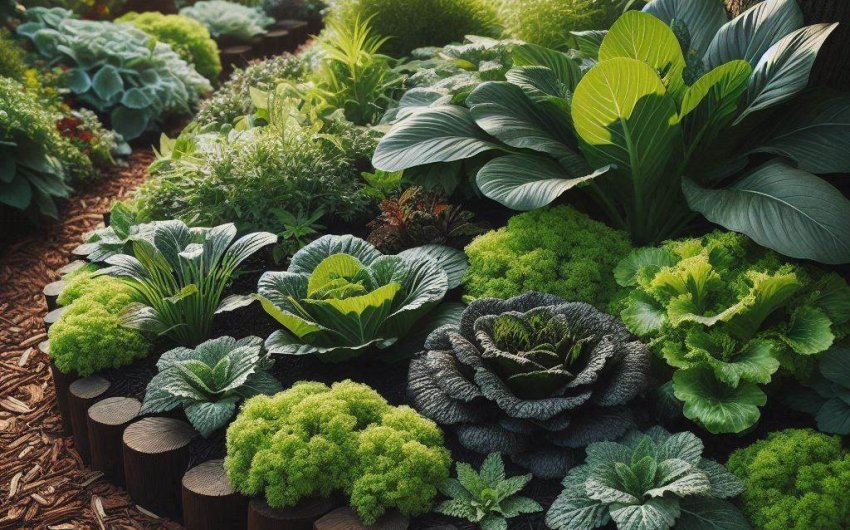
Summer brings long, sunny days perfect for enjoying your garden. But it also brings intense heat, which can be tough on your plants and your wallet (hello, water bill!). This is where mulching becomes a garden hero. Applying the right kind of mulch in the right way can make a huge difference in how well your garden handles the scorching summer sun. Think of mulch as a protective blanket for your soil, keeping it cool, moist, and happy even when temperatures soar. Understanding the best mulching practices for summer heat is a game-changer for plant health and water conservation.
Why Mulch in Summer?
You might already be familiar with mulching in spring to suppress weeds or for aesthetic reasons. But its benefits multiply when the summer heat kicks in.
- Retains Soil Moisture: This is arguably the biggest benefit in summer. Mulch acts as a barrier, slowing down water evaporation from the soil surface. This means your plants stay hydrated longer, and you'll need to water less often.
- Keeps Soil Cooler: Just as a blanket keeps you warm, mulch insulates the soil, keeping it cooler during hot spells. This protects delicate plant roots from extreme temperatures.
- Suppresses Weeds: A thick layer of mulch blocks sunlight from reaching weed seeds, preventing them from sprouting. Any weeds that do manage to push through are usually easier to pull. Fewer weeds mean less competition for water and nutrients.
- Reduces Soil Erosion: Mulch protects the soil from heavy rains and strong winds, preventing topsoil from washing or blowing away.
- Prevents Soil Compaction: It cushions the impact of heavy rain, keeping the soil loose and airy, which is good for root growth.
- Adds Nutrients (Organic Mulches): As organic mulch breaks down, it slowly releases valuable nutrients into the soil, feeding your plants over time.
- Improves Soil Health: Over time, organic mulch improves soil structure, aeration, and water-holding capacity, making your soil healthier and more fertile.
- Keeps Plants Clean: Prevents soil from splashing onto lower leaves during watering or rain, which can reduce the spread of soil-borne diseases.
Choosing the Right Mulch for Summer
There are two main categories of mulch: organic and inorganic. For summer heat, organic mulch is often preferred due to its added benefits.
Organic Mulches (Recommended for Summer)
These are made from natural, once-living materials and break down over time, adding nutrients and improving soil structure.
- Shredded Bark Mulch (Wood Mulch): This is a very popular choice. It interlocks well, so it resists blowing away, and breaks down slowly. It's excellent for retaining moisture and suppressing weeds. You can find shredded bark mulch in various colors and types, like pine bark mulch or cedar mulch.
- Wood Chips: Similar to shredded bark but often larger pieces. They are durable and long-lasting. They work well for pathways or around trees and shrubs. A wood chipper can help you make your own from tree trimmings.
- Straw: Lightweight and inexpensive, straw is excellent for vegetable gardens. It's especially good for keeping fruits like strawberries or squash clean. Just make sure it's "weed-free" straw to avoid introducing new weed seeds. A bale of straw is typically easy to find at garden centers or farm supply stores.
- Compost: While not traditionally a mulch, a thick layer of finished compost can act as a fantastic mulch in summer. It retains moisture, suppresses weeds, and provides a continuous slow release of nutrients. You can make your own garden compost or buy it in bags.
- Leaves: Shredded fall leaves are a free and abundant mulch source. They retain moisture well and add nutrients as they decompose. A leaf shredder can make them easier to apply and prevent matting.
- Grass Clippings: If you mow regularly and don't use weed killers on your lawn, grass clippings can be a good, free mulch. Apply them in thin layers (no more than 1-2 inches at a time) to prevent them from matting and becoming slimy or smelly. Let them dry slightly before applying.
- Pine Needles: Great for acid-loving plants like blueberries, azaleas, or rhododendrons, as they slowly release acid into the soil. They are also excellent for retaining moisture and don't decompose too quickly.
Inorganic Mulches (Use with Caution in Summer)
These materials don't break down and don't add nutrients to the soil. Their primary benefits are weed suppression and aesthetics.
- Rocks and Gravel: While good for drainage and permanent weed suppression, rocks and gravel can absorb and radiate heat, potentially making the soil underneath hotter, which is bad for many plants in summer. They are better suited for arid landscapes or areas where heat retention is desired. A landscape fabric layer under rocks can further suppress weeds.
- Rubber Mulch: Made from recycled tires, rubber mulch is very durable and doesn't decompose. However, it can absorb a lot of heat and may release chemicals over time. It's generally not recommended for edible gardens.
For mulching in summer heat, stick with organic options.
When to Apply Mulch for Summer Heat
Timing is important for maximizing the benefits of mulching.
- Optimal Time: Late Spring to Early Summer: The best time to apply mulch is after the soil has warmed up but before the peak heat of summer arrives. This allows the soil to absorb warmth, but then the mulch insulates it to prevent it from getting too hot.
- After Weeding: Make sure the area is thoroughly weeded before applying mulch. Otherwise, you'll be mulching over existing weeds, which might still grow through. A garden hoe or hand weeder can help.
- After Fertilizing (if needed): If your plants need a boost, apply fertilizer before mulching. Mulch can slow down the movement of nutrients into the soil.
How to Apply Mulch Effectively
Proper application ensures your mulch does its job without harming your plants.
1. Prepare the Area
- Weed: Remove all weeds from the area you plan to mulch.
- Water: Water the area thoroughly before applying mulch. This ensures the soil is already moist, and the mulch will then help retain that moisture.
- Clean Up Debris: Rake away any fallen leaves or small sticks. A leaf rake is useful here.
2. Apply the Right Depth
- General Rule: 2-4 Inches: Most organic mulches should be applied 2 to 4 inches deep. This depth is usually sufficient to suppress weeds and retain moisture effectively.
- Heavy Texture Mulches (like wood chips): Can be applied a bit thicker, up to 4 inches.
- Fine Texture Mulches (like grass clippings or finely shredded leaves): Apply in thinner layers (1-2 inches) to prevent matting and ensure water penetration. If using grass clippings, add them in thin layers over a few days rather than one thick layer.
3. Avoid "Mulch Volcanoes"
This is a common mistake and can be very harmful to trees and shrubs.
- Keep Mulch Away from Stems/Trunks: Never pile mulch directly against the base of trees, shrubs, or plant stems. Leave a 2-3 inch gap (a "donut hole") around the trunk or stem.
- Why? Piling mulch against the trunk can trap moisture, leading to bark rot, fungal diseases, and can also provide a hiding place for rodents that might gnaw on the bark. It also smothers the base of the plant.
4. Extend Beyond the Dripline
- For Trees and Shrubs: Extend the mulch layer out to the dripline (the outer edge of the branches) or as far as aesthetically pleasing. This covers the majority of the root zone, where water absorption occurs.
- For Garden Beds: Cover the entire bed area evenly.
5. Replenish as Needed
- Organic mulches decompose over time. Check your mulch depth every spring or fall. You'll likely need to add a fresh layer every year or two to maintain the ideal 2-4 inch thickness.
Common Mulching Mistakes to Avoid in Summer
Even with the best intentions, it's easy to make mulching mistakes.
- Applying Mulch to Dry Soil: If the soil is dry, the mulch will just keep it dry. Always water thoroughly before mulching.
- Too Thin a Layer: A layer less than 2 inches deep won't be effective at suppressing weeds or retaining moisture.
- Too Thick a Layer: More than 4 inches of mulch (especially fine-textured types) can smother roots, prevent air and water penetration, and create an environment for fungal growth. It can also block valuable rainfall from reaching the soil.
- Mulch Volcanoes: As mentioned, piling mulch against trunks/stems is a big no-no.
- Using Non-Composted Wood Products Directly on Annuals/Vegetables: Fresh wood chips or sawdust can temporarily tie up nitrogen in the soil as they break down (a process called "nitrogen immobilization"), potentially starving your plants. This is usually more of a concern for annuals and vegetables, less so for established trees and shrubs. If using fresh wood products, consider adding a little extra nitrogen fertilizer or using them on pathways first.
- Applying Mulch Over Existing Weeds: Always weed thoroughly first!
- Using Diseased Plant Material: Don't use mulch made from plants that were diseased, as this can spread pathogens to your healthy garden.
Beyond Mulch: Other Summer Water-Saving Tips
While mulch is a superstar for summer moisture, combine it with these other watering practices for maximum water conservation.
- Water Deeply and Infrequently: Encourage deep root growth by watering for a longer period of time, but less often. This is better than frequent, shallow watering. A soaker hose or drip irrigation system is excellent for delivering water slowly and directly to the roots.
- Water Early Morning: Water in the early morning (before 9 AM) to minimize evaporation. This gives the water time to soak in before the sun gets intense.
- Group Plants with Similar Needs: Design your garden zones so that plants with similar water requirements are grouped together.
- Choose Drought-Tolerant Plants: Incorporate drought-tolerant plants into your landscape, which naturally require less water.
- Rain Barrels: Collect rainwater in a rain barrel to use for irrigation. It's free and better for your plants than chlorinated tap water.
By understanding and implementing the best mulching practices for summer heat, you're not just making your garden look tidy. You're creating a resilient, healthier environment for your plants, reducing your workload, and doing your part for water conservation. It's a simple, effective, and truly rewarding gardening practice that pays off big time when the summer sun is blazing.