
How to Prepare Raised Beds for Winter Gardening?
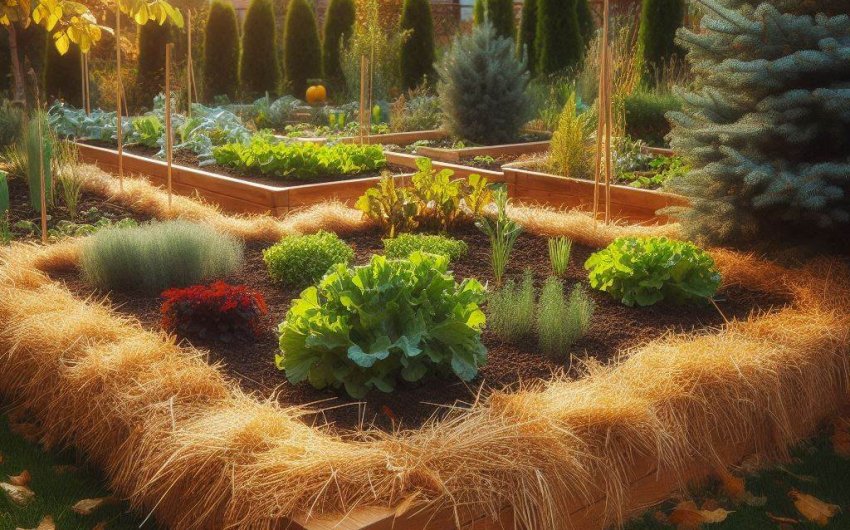
Preparing raised beds for winter gardening involves a strategic cleanup, soil amendment, and protection plan to ensure both your current winter crops thrive and your soil remains healthy for the next growing season. This comprehensive approach is key to maximizing your raised bed's productivity year-round.
Why Prepare Raised Beds for Winter Gardening?
Preparing your raised beds for winter gardening is not just about extending your harvest; it's a vital practice for long-term soil health and garden productivity. Neglecting this crucial step can lead to depleted nutrients, pest issues, and a tougher start next spring.
Benefits of Winter Preparation
- Continuous Harvesting: For many gardeners, the primary motivation is to keep harvesting fresh vegetables, even in colder months. Properly prepared beds can support a range of cold-hardy crops.
- Soil Health Improvement: Winter is an excellent time to amend and rejuvenate your soil. By adding organic matter and nutrients now, you allow them to break down and integrate, creating a richer, more fertile environment for spring planting.
- Weed and Pest Management: Clearing out spent plants, removing weeds, and addressing pest issues in the fall can significantly reduce problems in the spring. Many pest eggs and weed seeds overwinter in undisturbed beds.
- Erosion Control: Covering beds (whether with mulch or cover crops) prevents soil erosion from winter rains and winds, especially important in raised beds where soil can be more exposed.
- Reduced Spring Workload: By doing essential tasks in the fall, you'll have less to do in the hectic spring planting season, freeing up time for other garden activities.
- Protecting Soil Structure: Leaving soil exposed to the elements over winter can lead to compaction and degradation of its structure. Adding amendments and covers helps maintain that airy, friable texture that makes raised beds so productive.
- Maximizing Raised Bed Potential: Raised beds are an investment. Proper winter preparation ensures they remain a valuable asset, delivering consistent yields year after year.
Consequences of Neglecting Winter Preparation
- Depleted Soil: Without adding nutrients back, your soil will become less fertile over time, leading to weaker plants and smaller harvests.
- Weed Proliferation: Unmanaged beds become prime real estate for winter weeds, which can then take over come spring.
- Pest Overwintering: Many garden pests and diseases find safe haven in unkempt garden debris, ready to emerge and wreak havoc when the weather warms.
- Compacted Soil: Rain and snow can compact exposed soil, undoing the benefits of a loose, airy raised bed.
- Delayed Spring Planting: If you have to do extensive cleanup and soil amendment in the spring, it will push back your planting schedule.
Ultimately, proactive winter preparation for your raised beds is an investment that pays dividends in bountiful harvests, healthier soil, and a more enjoyable gardening experience.
How Do I Clean Out My Raised Beds in the Fall?
Cleaning out your raised beds in the fall is the first essential step in preparing them for winter gardening. This process removes potential disease vectors and pest habitats while making room for new amendments or winter crops.
Step-by-Step Fall Cleanup
- Remove All Spent Plants:
- Healthy Plants: If the plants were healthy and disease-free, you can add them to your compost pile. Chop them into smaller pieces to speed up decomposition.
- Diseased Plants: This is crucial. Never compost diseased plant material. Bag them and dispose of them in the trash to prevent the spread of pathogens to your garden soil. Look for signs like powdery mildew, rust, blight, or significant insect damage that compromised the plant's health.
- Annuals vs. Perennials: Remove all annual vegetables and flowers. For perennials that you intend to keep, cut back their foliage as appropriate for their winter care.
- Pull Out All Weeds (Roots and All):
- Thoroughness: Don't just pull the tops of the weeds; try to get as much of the root system as possible. Many perennial weeds can overwinter from root fragments.
- Seed Heads: If weeds have gone to seed, try to remove them carefully to prevent scattering more seeds in your bed. Dispose of these in the trash if you're concerned about them germinating in your compost.
- Remove Any Trellises, Stakes, or Supports:
- Clean and Store: Take down all cages, trellises, stakes, and netting. Clean off any soil or plant debris. Inspect them for damage and repair if needed.
- Proper Storage: Store them in a dry, sheltered location to protect them from the elements and extend their lifespan.
- Clear Surface Debris:
- Remove any remaining small leaves, twigs, or other loose organic matter from the soil surface. Again, compost healthy debris, discard diseased material.
Benefits of Thorough Fall Cleanup
- Pest and Disease Reduction: Many garden pests (like squash bugs, tomato hornworms, or potato beetles) and disease spores (like those causing early blight or powdery mildew) overwinter in plant debris. Removing this material breaks their life cycle and reduces the inoculum for the next season.
- Weed Suppression: Eliminating existing weeds and their potential seed sources now means fewer weeds to battle in the spring.
- Tidy Appearance: A clean bed looks much neater and more inviting, even in winter.
- Prepares for Amendments: A clear bed surface is ready to receive new soil amendments, compost, or cover crops without interference from old plant matter.
By dedicating time to a thorough fall cleanup, you're not just tidying up; you're actively setting the stage for a healthier, more productive raised bed in the coming winter and spring growing seasons. This is an indispensable part of preparing raised beds for winter gardening.
How Do I Amend Soil in Raised Beds for Winter?
Amending the soil is arguably the most crucial step when preparing raised beds for winter gardening. Fall is the perfect time to replenish nutrients, improve soil structure, and ensure your soil is vibrant and ready for either winter crops or spring planting.
Why Amend Soil in the Fall?
- Nutrient Replenishment: Growing crops depletes soil nutrients. Fall is ideal for adding them back, allowing them to break down slowly and become available to plants.
- Improved Structure: Incorporating organic matter improves soil tilth, aeration, and water retention. Over winter, the amendments have time to integrate into the existing soil.
- Microbial Activity: Adding organic matter feeds beneficial soil microbes, keeping them active through cooler periods and ensuring a healthy soil food web.
- Time for Breakdown: Materials like compost, manures, and leaves need time to decompose. Adding them in fall means they'll be ready for plant uptake by spring.
Key Amendments for Raised Beds
- Compost:
- The Gold Standard: High-quality, finished compost is the single best amendment you can add. It improves soil structure, adds a wide range of nutrients, and introduces beneficial microbes.
- Amount: Add a layer of 2 to 4 inches of compost over the entire surface of your raised bed.
- Source: Use homemade compost or purchase a reputable brand. Ensure it's fully broken down and doesn't contain undecomposed materials.
- Aged Manure:
- Nutrient Boost: Well-aged (composted) manure (from cows, horses, chickens, etc.) is a fantastic source of nitrogen and other nutrients.
- Important: Use aged manure, not fresh manure. Fresh manure can burn plants and introduce pathogens. Look for manure that is at least 6 months to a year old.
- Amount: Apply a 1 to 2-inch layer over the compost or directly on the soil.
- Leaf Mold/Shredded Leaves:
- Slow-Release Organic Matter: Leaf mold (decomposed leaves) or simply shredded leaves are excellent sources of carbon and improve soil structure and water retention. They break down slowly.
- Amount: Add a 2 to 6-inch layer over the bed. You can leave them as a top mulch or gently mix them into the top few inches.
- Worm Castings:
- Nutrient-Rich Superfood: Worm castings (worm manure) are incredibly rich in nutrients and beneficial microbes. They're a fantastic soil conditioner.
- Amount: A 1 to 2-inch layer worked into the topsoil.
- Mineral Amendments (Optional, Based on Soil Test):
- Lime/Sulfur: If your soil test indicates a need to adjust pH (either raise it with lime or lower it with sulfur), fall is a good time to apply these, allowing them to work slowly over winter.
- Rock Phosphate/Greensand: These provide slow-release phosphorus and potassium, respectively. Only add if a soil test shows a deficiency.
How to Apply Amendments
- Layer: After cleaning, spread the chosen amendments in layers over the top of your existing raised bed soil.
- Gently Incorporate (Optional): You can gently fork or rake the amendments into the top 4-6 inches of the existing soil. Avoid deep digging, which can disturb the soil structure and microbial life.
- Don't Compact: After adding and mixing, avoid walking on the bed to prevent compaction.
By enriching your soil with these organic amendments in the fall, you're investing in the long-term fertility and health of your raised beds, setting them up for prolific growth during winter gardening and beyond.
What is a Cover Crop and Why Use It in Raised Beds?
A cover crop is a type of plant grown specifically to benefit the soil, rather than for harvest. Using cover crops in your raised beds during the winter is an excellent strategy for enhancing soil health and a key component of preparing raised beds for winter gardening.
What is a Cover Crop?
A cover crop is any plant grown primarily to protect and enrich the soil. Unlike cash crops grown for food, cover crops are typically tilled back into the soil (or "chopped and dropped") before or during spring planting, providing a wealth of organic matter and nutrients.
Benefits of Using Cover Crops in Raised Beds
- Prevents Soil Erosion: Bare soil is highly susceptible to erosion from winter rains, snowmelt, and strong winds. A cover crop acts as a living blanket, holding the soil in place and preventing valuable topsoil from washing or blowing away. This is especially important for exposed raised beds.
- Adds Organic Matter: When cover crops are tilled into the soil, they add significant amounts of organic matter. This improves soil structure, drainage, aeration, and water retention, and provides food for beneficial soil microbes.
- Suppresses Weeds: A dense cover crop smothers weed seeds and prevents new weeds from germinating, reducing your weeding workload in the spring.
- Nitrogen Fixation (Legumes): Some cover crops, specifically legumes (like clover, vetch, or fava beans), have a symbiotic relationship with bacteria in their root nodules. These bacteria take nitrogen from the air and convert it into a form plants can use, enriching the soil's nitrogen content. This means less need for synthetic nitrogen fertilizers.
- Breaks Up Compacted Soil: Cover crops with deep root systems (like daikon radish or tillage radish) can penetrate and break up compacted soil layers, improving drainage and aeration.
- Feeds Soil Microbes: The roots and decaying plant material of cover crops provide a continuous food source for the beneficial microbial life in your soil, keeping the soil food web active and healthy throughout the winter.
- Sequester Carbon: Cover crops contribute to carbon sequestration by drawing carbon dioxide from the atmosphere and storing it in the soil as organic matter.
Types of Cover Crops for Winter Raised Beds
The best cover crop depends on your climate and goals. Common winter cover crops include:
- Legumes (Nitrogen Fixers):
- Crimson Clover: Beautiful, hardy, and good for nitrogen fixation.
- Hairy Vetch: Excellent nitrogen fixer, tolerates cold well.
- Fava Beans: Can also produce a small edible crop before being tilled in.
- Grasses (Organic Matter, Erosion Control):
- Winter Rye: Very hardy, grows quickly, excellent for biomass and erosion control.
- Oats: Less cold-hardy than rye but good for adding organic matter.
- Broadleaf (Deep Roots, Soil Busting):
- Daikon Radish/Tillage Radish: Deep taproots break up compacted soil. They will winter-kill in very cold climates, leaving channels for water and roots.
You can often find diverse mixes designed for specific purposes. Consider a Winter Cover Crop Seed Mix for convenience.
Planting and Terminating Cover Crops
- Planting: Sow seeds in late summer or early fall, allowing them to establish before deep freezes. Follow seed packet instructions for depth and spacing.
- Termination: In early spring, before they go to seed, cut down or crimp the cover crop. Allow the material to decompose for a few weeks before planting your spring crops. Some gardeners lightly till it in; others prefer "chop and drop" to maintain soil structure.
Using cover crops is a smart, sustainable way to enhance the fertility and resilience of your raised beds throughout the winter, contributing significantly to successful winter gardening.
How Do I Protect Winter Crops in Raised Beds?
Protecting your winter crops in raised beds is essential for extending your harvest season and ensuring your cold-hardy plants survive harsh winter conditions. Raised beds offer inherent advantages, but additional protection is often needed.
Why Winter Protection is Needed
Even cold-hardy plants can suffer from:
- Extreme Cold: Freezing temperatures, especially sustained ones, can damage plant cells.
- Wind Burn: Drying winds can dehydrate plants, even in winter.
- Snow and Ice Load: Heavy snow or ice can crush delicate foliage.
- Rapid Thawing/Freezing Cycles: These fluctuations can heave plants out of the soil or damage roots.
- Animal Pests: Hungry deer, rabbits, and voles are often more desperate for food in winter.
Methods for Protecting Winter Crops
- Mulching:
- Purpose: A thick layer of mulch around your plants helps insulate the soil, moderating soil temperature fluctuations and protecting roots from extreme cold. It also retains moisture.
- Materials: Use straw, shredded leaves, wood chips, or pine needles.
- Application: Apply a layer of 4-6 inches around the base of your plants. Keep mulch slightly away from plant stems to prevent rot.
- Row Covers (Floating Row Covers):
- Purpose: These lightweight, breathable fabrics provide a few degrees of frost protection, shield plants from wind, and deter pests. They allow light and water to pass through.
- Application: Lay the fabric directly over the plants or support it with hoops (see below). Secure the edges with rocks, soil, or pins to prevent wind from blowing them away.
- Consider a Floating Row Cover for Season Extension.
- Hoop Houses / Cold Frames:
- Purpose: These structures create a miniature greenhouse effect, significantly raising temperatures inside and offering robust protection from cold, wind, and snow.
- Hoop Houses: Use flexible PVC or metal hoops arched over the raised bed, then cover with a heavy-duty clear plastic sheeting or specialized greenhouse film. Secure firmly. You'll need to vent on warmer days to prevent overheating.
- Cold Frames: A bottomless box with a transparent lid (often made of old windows or polycarbonate). Place directly over the plants in the raised bed. They are excellent for overwintering smaller, more tender crops.
- DIY Options: You can build simple cold frames from wood and old windows, or purchase ready-made ones.
- Cloches:
- Purpose: Individual covers for single plants or small groupings.
- Materials: Large plastic milk jugs (bottom cut off), glass cloches, or DIY structures.
- Application: Place over plants during cold snaps. Remember to remove or vent on sunny days to prevent overheating.
Considerations for Winter Crop Protection
- Ventilation: Even with protection, warm, sunny winter days can cause temperatures inside covers to soar. On days above freezing, vent covers (especially cold frames and hoop houses) to prevent overheating and fungal issues.
- Watering: Winter crops still need water, though much less frequently. Check the soil moisture under covers periodically, especially during dry spells.
- Plant Selection: Choose crops known for their cold hardiness, such as kale, collards, spinach, mache, some lettuces, and root vegetables like carrots and parsnips.
- Hardiness Zone: Your geographic location and hardiness zone will dictate how much protection your plants need and what you can successfully grow.
By employing these protection methods, you can successfully extend your harvest and enjoy fresh produce from your raised beds throughout the colder months, making the most of your winter gardening efforts.
How Do I Manage Watering in Raised Beds During Winter?
Managing water in raised beds during winter is distinct from summer watering. While plants are less active, proper moisture is still crucial, and too much water can be as detrimental as too little. This is a key aspect of preparing raised beds for winter gardening.
Why Winter Watering is Different
- Reduced Plant Activity: Most plants, even cold-hardy ones, slow their growth significantly or go dormant in winter. Their water needs decrease dramatically.
- Lower Evaporation: Colder temperatures, shorter days, and often higher humidity mean less water evaporates from the soil and plant surfaces.
- Freezing: Excess water in the soil can freeze, potentially damaging plant roots (frost heave) or making nutrients unavailable.
- Raised Bed Drainage: While excellent for summer, raised beds can drain very quickly, meaning they can still dry out even in cold weather, especially if covered or exposed to wind.
Signs a Winter Raised Bed Needs Water
- Soil Test: The most reliable method. Stick your finger 2-3 inches deep into the soil. If it feels dry at that depth, it's time to water.
- Plant Appearance: Wilting or drooping leaves, even on cold-hardy plants, can indicate a need for water. However, some plants naturally look a bit less vibrant in winter.
- Weight of Container (for smaller raised beds/containers): If your raised bed is small or you have plants in containers within the raised bed, lift it. If it feels very light, it's likely dry.
How to Water Winter Raised Beds
- Water Infrequently: The general rule is to water much less often than in summer. For many winter beds, especially those with good mulching or covers, watering every 2-4 weeks might be sufficient, or even less.
- Water in the Morning: If you need to water, do it on a milder winter day when temperatures are above freezing and ideally in the morning. This gives any excess surface moisture time to dissipate before nightfall and potential freezing.
- Water Deeply (But Carefully): When you do water, water enough to moisten the root zone. Avoid shallow, frequent watering, which encourages shallow roots. However, don't overdo it. The goal is just enough moisture, not saturation.
- Use Lukewarm Water: If using tap water and temperatures are very cold, using lukewarm water can reduce the shock to the plant's roots.
- Monitor Drainage: Ensure water is still draining well from your raised bed. If you notice pooling, you might be overwatering, or your drainage system needs improvement.
- Consider Rain/Snow Melt: Factor in any natural precipitation. Snow falling on a raised bed will eventually melt and contribute moisture.
- Check Under Covers: If you're using row covers or cold frames, remember that these will prevent natural rain or snow from reaching the soil. You'll need to check and water these beds manually.
What to Avoid When Watering in Winter
- Watering in Freezing Temperatures: Never water when temperatures are below freezing, as the water will simply turn to ice and won't be absorbed by the plants.
- Overwatering: This is the biggest risk. Soggy soil in winter can lead to root rot, especially when plants are dormant, as they are not actively taking up much water.
- Watering Foliage: Try to water the soil directly and avoid getting the leaves wet, especially in the evening, to prevent fungal issues.
By carefully monitoring your raised beds and adjusting your watering strategy for winter conditions, you can prevent both dehydration and oversaturation, ensuring your winter crops stay healthy and ready for harvest. This attentive approach is crucial for winter gardening success.
How Do I Harvest and Protect Soil for Spring in Winter?
Even if you're not actively winter gardening with crops, preparing your raised beds for the spring is a crucial winter task. This involves harvesting any remaining hardy crops and protecting your soil through the colder months.
Harvesting Remaining Hardy Crops
- Continuous Harvest: For crops like kale, spinach, or collards, continue to harvest outer leaves as needed throughout the fall and early winter, as long as they are producing.
- Final Harvest Before Hard Freeze: For crops that might not survive a deep, sustained freeze, plan a final major harvest before the coldest temperatures hit. This includes many varieties of lettuce, mustard greens, and even some root vegetables.
- Root Crops: Root crops like carrots, parsnips, and some beets can often be left in the ground in raised beds, especially if well-mulched. The soil acts as insulation, and they can be harvested as needed throughout winter, often becoming sweeter after a frost. Just be sure the ground isn't frozen solid when you try to dig them.
Protecting Bare Soil for Spring Planting
If you're not planting a winter crop or cover crop, it's vital to protect your bare soil over winter. Leaving soil exposed can lead to degradation.
- Apply a Thick Layer of Mulch:
- Purpose: This is the simplest and most effective way to protect fallow raised beds. A thick layer of mulch prevents erosion, suppresses winter weeds, moderates soil temperatures, and adds organic matter as it slowly decomposes.
- Materials: Use readily available, inexpensive materials like straw, shredded leaves, aged wood chips, or pine needles.
- Application: Apply a layer of 4-8 inches over the entire soil surface of your raised bed. This acts as a protective blanket.
- Solarization (Limited Winter Use):
- Purpose: In warmer winter climates (where temperatures remain above 50°F/10°C), solarization can kill weed seeds, pathogens, and pests by heating the soil.
- Method: Cover the entire bed with clear plastic sheeting, securing the edges tightly. The sun heats the soil underneath.
- Considerations: This is typically a warm-season technique and less effective in cold winters where intense sunlight and high temperatures are absent. More relevant for early spring or late fall in mild climates.
- Build a Temporary Cover/Cold Frame:
- Purpose: Even without plants, a simple cover (like an old window on blocks or a small hoop house frame with plastic) can protect the soil structure from heavy snow and excessive winter rain, keeping it drier and preventing compaction.
- Benefits: This also primes the soil for earlier spring warming and planting.
Benefits for Spring Planting
- Ready Soil: Come spring, your soil will be less compacted, richer in organic matter, and easier to work.
- Fewer Weeds: The mulch or cover crop will have suppressed many winter weeds, meaning less weeding for you.
- Healthier Ecosystem: The protected soil will maintain a more active microbial community, ready to support vigorous plant growth.
Whether you're continuing to harvest or preparing for a vibrant spring, proactively managing your raised beds through the winter is an intelligent gardening strategy. By protecting your soil now, you're laying the groundwork for future success in your winter gardening endeavors.