
Top Soil Moisture Meters for Precision Gardening
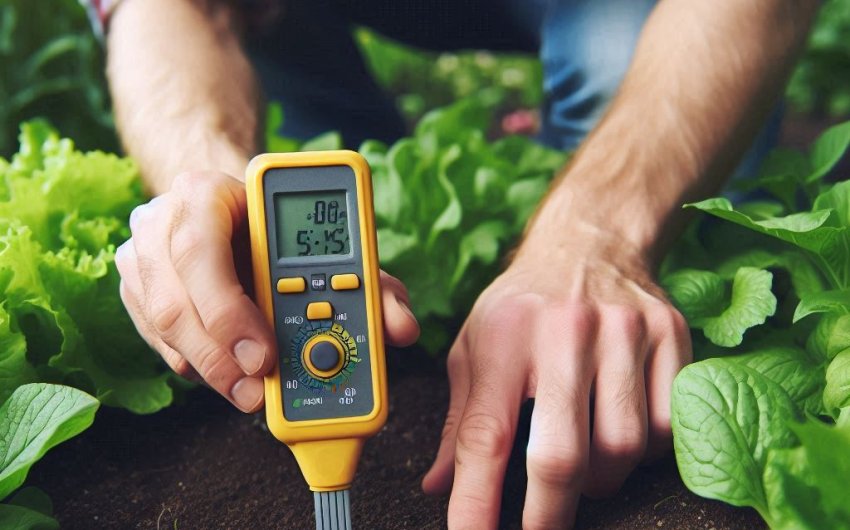
Achieving optimal plant health often hinges on precise watering practices, and the right soil moisture meters are indispensable tools for any gardener aiming for accuracy. These devices eliminate guesswork, providing clear data on when your plants truly need a drink, thus preventing both overwatering and underwatering—common pitfalls that can severely damage or even kill beloved flora. By integrating a reliable moisture meter into your routine, you can foster stronger, healthier plants with significantly less effort and greater confidence.
Why Do You Need a Soil Moisture Meter?
A soil moisture meter removes the uncertainty from watering, allowing you to give your plants exactly what they need, when they need it. This precision is vital for healthy growth, as consistent moisture levels prevent root rot and wilting.
How Does Overwatering Harm Plants?
Overwatering is a common mistake that can be more detrimental than underwatering, suffocating roots and inviting disease.
- Root Rot: Excess water fills the air pockets in the soil, depriving roots of oxygen. This leads to anaerobic conditions where harmful bacteria and fungi thrive, causing roots to rot and become unable to absorb water and nutrients.
- Nutrient Leaching: Continuous saturation washes away essential nutrients from the soil, making them unavailable to plants.
- Fungal Diseases: Constantly wet conditions encourage the growth of various fungal diseases, such as damping-off in seedlings or powdery mildew on leaves.
- Stunted Growth: Damaged roots and nutrient deficiencies result in weak, yellowing leaves and overall stunted plant development.
How Does Underwatering Harm Plants?
While less immediately fatal than root rot, persistent underwatering also causes significant stress and damage to plants.
- Wilting: Lack of water causes plant cells to lose turgor pressure, leading to drooping leaves and stems.
- Stunted Growth: Insufficient moisture hinders nutrient uptake and metabolic processes, resulting in slow growth and smaller plants.
- Leaf Scorch/Tip Burn: Leaf edges and tips turn brown and crispy as the plant struggles to transport water to its extremities.
- Reduced Flowering/Fruiting: Plants under water stress will prioritize survival over reproduction, leading to fewer or no flowers and fruits.
How Can a Soil Moisture Meter Help?
A soil moisture meter provides immediate, actionable data, allowing you to fine-tune your watering schedule based on actual soil conditions.
- Eliminates Guesswork: No more sticking a finger in the soil; the meter gives a numerical or visual reading.
- Optimizes Water Use: Prevents wasted water from overwatering, making your gardening more sustainable.
- Healthier Plants: Ensures consistent moisture levels, promoting stronger root systems and more vigorous growth.
- Early Detection: Helps you spot potential issues before they become critical, allowing for timely adjustments.
What Types of Soil Moisture Meters Are There?
Soil moisture meters come in various designs, each with different mechanisms for measuring moisture. Understanding these types helps you choose the best tool for your specific gardening needs.
1. Analog Probe Meters
These are the most common and generally the most affordable type of soil moisture meters. They operate without batteries and are simple to use.
- How They Work: Analog meters typically have one or two metal probes that are inserted into the soil. They measure electrical conductivity or electrochemical reactions between the probes, which changes with the amount of moisture present. The reading is displayed on a simple dial.
- Pros:
- No Batteries Needed: Self-powered, making them very convenient.
- Affordable: Usually the least expensive option.
- Easy to Use: Simply insert and read.
- Quick Readings: Provide immediate results.
- Cons:
- Less Accurate: Readings can be inconsistent, influenced by soil type, fertilizer residue, and mineral content.
- Fragile Probes: Metal probes can corrode or bend over time, especially if left in wet soil.
- Not Calibrated: Often provide a relative reading (dry, moist, wet) rather than a precise percentage.
- Limited Depth: Most probes are only 6-8 inches long, not ideal for deep-rooted plants.
- Best For:
- Indoor potted plants.
- Small outdoor garden beds.
- Beginner gardeners looking for a basic guide.
- Examples include the XLUX T10 Soil Moisture Sensor Meter or the Sonkir Soil pH Meter, 3-in-1 Soil Tester Kit, which often includes light and pH testing.
2. Digital Probe Meters
Digital versions of probe meters offer a more precise reading and sometimes additional features compared to their analog counterparts.
- How They Work: Similar to analog meters, they use probes to measure electrical resistance, but the readings are converted into a digital display, often with numerical values or more detailed indicators. Some may also include temperature or light sensors.
- Pros:
- More Precise Readings: Digital displays offer more specific data points.
- Additional Features: Many come with backlight, temperature, or pH sensing capabilities.
- Easier to Read: Digital numbers are often clearer than an analog dial.
- Cons:
- Requires Batteries: Need regular battery replacement.
- Probe Durability: Still susceptible to corrosion and bending over time.
- Still Sensitivity to Soil Composition: Readings can still be affected by soil minerals and fertilizers.
- Best For:
- Gardeners who want more precise, numerical readings.
- Those who appreciate extra features like pH or light sensing.
- Indoor and outdoor plants.
- Look for models like the Kensizer 3-in-1 Soil Tester.
3. Tensiometer Meters
These are more advanced and professional-grade soil moisture meters that provide a direct measure of soil water potential (how tightly water is held by the soil).
- How They Work: A tensiometer consists of a sealed tube with a porous ceramic cup at one end and a vacuum gauge at the other. The tube is filled with water and inserted into the soil. As the soil dries, water is drawn out of the ceramic cup, creating a vacuum inside the tube, which is measured by the gauge. The drier the soil, the higher the tension (vacuum reading).
- Pros:
- Highly Accurate: Provides a direct, reliable measure of water availability to plants.
- Unaffected by Soil Salinity/Fertilizer: Readings are independent of the soil's salt content.
- Durable: Designed for long-term outdoor use.
- Useful for Irrigation Systems: Can be used to trigger automatic irrigation.
- Cons:
- More Expensive: Significantly pricier than probe meters.
- Requires Maintenance: Needs to be refilled with water periodically and calibrated.
- Temperature Sensitive: Can be affected by freezing temperatures.
- Slower Readings: Takes time for the water tension to equilibrate.
- Best For:
- Professional growers and farmers.
- Large-scale gardens or landscapes.
- Research or precision agriculture.
- Advanced home gardeners seeking the most accurate data.
- An example is the Irrometer Watermark Sensor.
4. Capacitive Soil Moisture Sensors
Capacitive sensors are known for their accuracy and for not needing to directly touch the soil's minerals or salts. They often integrate with smart gardening systems.
- How They Work: These sensors measure the dielectric permittivity of the soil, which changes with the water content. Unlike resistive probes, they do not rely on electrical conductivity through the soil, so they are less affected by salinity or fertilizer.
- Pros:
- More Accurate and Consistent: Provide reliable readings, less affected by soil type or fertility.
- Non-Corrosive: No exposed metal probes, leading to longer lifespan.
- Can Be Left in Soil: Suitable for continuous monitoring.
- Often Wi-Fi/Bluetooth Enabled: Can send data to an app for remote monitoring.
- Cons:
- More Expensive: Typically higher cost than basic probe meters.
- Requires Batteries or Power Source: Needs regular power.
- Installation Can Be Tricky: Some models require careful placement for optimal readings.
- Best For:
- Smart home garden setups.
- Greenhouses.
- Gardeners who want consistent, precise readings and are willing to invest more.
- Examples include the ECOWITT WH51 Wireless Soil Moisture Sensor or many smart plant sensors that connect to apps.
5. Time Domain Reflectometry (TDR) / Frequency Domain Reflectometry (FDR) Meters
These are highly advanced, professional-grade sensors that provide very accurate and precise measurements of soil moisture content.
- How They Work: TDR and FDR sensors send an electromagnetic pulse or signal into the soil and measure how long it takes for the signal to reflect back (TDR) or the frequency shift (FDR). Water significantly slows down or changes the signal, allowing for highly accurate moisture content determination.
- Pros:
- Highest Accuracy and Precision: Gold standard for soil moisture measurement.
- Fast Readings: Provide instant and highly reliable data.
- Stable Calibration: Generally maintain calibration well over time.
- Unaffected by Soil Salinity/Fertilizer: Provide robust readings.
- Cons:
- Very Expensive: Typically used in research or large commercial operations.
- Complex to Use: Often require specialized knowledge and equipment.
- Not Practical for Home Gardeners: Overkill for most home gardening needs.
- Best For:
- Scientific research.
- Precision agriculture.
- Large-scale commercial farming.
- Agricultural engineers and consultants.
Choosing the right type of soil moisture meter depends on your budget, the scale of your garden, and the level of precision you require. For most home gardeners, a reliable digital or analog probe meter offers sufficient utility for precise watering.
How to Choose the Best Soil Moisture Meter?
Selecting the ideal soil moisture meter involves considering several factors to ensure it meets your specific gardening needs. Not all meters are created equal, and what works for one gardener might not be suitable for another.
1. Accuracy and Reliability
This is paramount. A meter that gives consistently inaccurate readings is useless.
- Look for Reviews: Check user reviews for comments on consistency and accuracy over time.
- Consider Sensor Type: Capacitive sensors are generally more reliable than resistive probes due to less interference from soil composition. Tensiometers offer the most scientific accuracy but require more maintenance.
- Probe Material: High-quality, rust-resistant probes (e.g., stainless steel) will maintain accuracy longer.
2. Ease of Use
You want a meter that is straightforward to operate, especially if you're a beginner.
- Simple Display: Clear, easy-to-read dials or digital screens.
- One-Button Operation: Minimal controls.
- No Calibration Needed (Ideally): Many basic meters come pre-calibrated or don't require user calibration. More advanced meters might.
3. Depth of Probe
Different plants have different root depths. The probe needs to reach where the roots are.
- Potted Plants/Shallow Roots: A 6-inch probe is usually sufficient.
- Garden Beds/Deep Roots: Look for probes 8-12 inches or longer to accurately assess moisture at root level.
- Adjustable Depth: Some meters allow you to adjust the probe depth.
4. Durability and Longevity
Meters are used in varying outdoor conditions and need to withstand moisture and soil.
- Robust Construction: Look for sturdy materials that resist bending or breaking.
- Water Resistance: Essential for outdoor use, especially around irrigation.
- Corrosion Resistance: Probes should be made of materials that won't easily rust or corrode.
- Battery Life (for Digital): Consider how long the batteries last and if they are easily replaceable.
5. Additional Features
Some meters offer more than just moisture readings. Decide if these extras are worth the additional cost.
- pH Testing: Useful for understanding soil acidity/alkalinity, crucial for nutrient absorption.
- Light Intensity: Measures ambient light, helping you place plants in optimal lighting conditions.
- Temperature Reading: Measures soil temperature, important for seed germination and plant growth.
- Connectivity: Bluetooth or Wi-Fi connectivity for app-based monitoring and data logging (common with smart sensors).
- Backlight: Useful for reading in low light conditions.
6. Price and Budget
Soil moisture meters range widely in price, from under $10 to hundreds of dollars.
- Entry-Level (Under $20): Analog probe meters, good for basic needs.
- Mid-Range ($20 - $100): Digital probe meters with multiple functions, good for serious home gardeners.
- High-End ($100+): Capacitive sensors, tensiometers, or smart systems, for advanced users or professional applications.
7. Portability
Will you be using the meter in one spot, or carrying it around a large garden or multiple potted plants?
- Handheld: Most probe meters are designed to be easily carried.
- Permanent Installation: Some capacitive or tensiometer sensors are designed to be left in the soil for continuous monitoring.
8. Specific Plant Needs
Some plants are more sensitive to moisture fluctuations than others.
- Cacti/Succulents: Require very dry conditions; a basic meter can confirm this.
- Tropical Plants: Need consistently moist soil; a more accurate meter can help prevent overwatering.
By carefully considering these factors, you can confidently select the best soil moisture meter that will become an invaluable tool for your gardening success.
How to Properly Use and Maintain Your Soil Moisture Meter?
Even the best soil moisture meter will only perform optimally if used correctly and maintained diligently. Following these guidelines ensures accurate readings and prolongs the life of your device.
Using Your Soil Moisture Meter
- Insert Correctly:
- Depth: Insert the probe(s) into the soil at a depth that matches the plant's root zone, typically 2/3 to 3/4 of the pot's depth for container plants, or 6-8 inches for garden beds. Avoid pushing it too deep or not deep enough.
- Location: Insert the probe halfway between the plant stem and the edge of the pot or plant. Avoid direct contact with large roots, as this can give inaccurate readings or damage the roots.
- Gentle Insertion: Push the probe straight down gently. Do not force it into hard, compacted soil, as this can bend or break the probe. If the soil is too hard, water it slightly first to soften it.
- Wait for Reading (if applicable):
- Analog Meters: Readings are usually immediate.
- Digital Meters: Readings typically stabilize within a few seconds to a minute.
- Tensiometers: These require a longer equilibrium period, often 15-30 minutes or even hours, to get an accurate reading of soil water potential.
- Interpret Readings:
- Understand the Scale: Most meters have a scale from "Dry" to "Wet" or a numerical range (e.g., 1-10 or 0-100%). Consult your meter's manual for specific interpretation guidelines.
- Know Your Plant: The "ideal" moisture level varies significantly between plant species. Research the specific water needs of your plants (e.g., succulents prefer dry, ferns prefer consistently moist).
- Test Multiple Spots: For larger pots or garden beds, take readings from several locations around the plant to get an average and identify any dry or wet spots.
- Remove and Clean:
- Remove Gently: Pull the probe straight out of the soil.
- Clean Immediately: This is perhaps the most crucial step for longevity and accuracy. Wipe the probes clean with a soft, damp cloth or paper towel after each use. Remove all soil residue, especially on the metal tips. Do not use abrasive materials or harsh chemicals.
Maintaining Your Soil Moisture Meter
- Cleanliness is Key:
- After Every Use: As mentioned, wipe the probes clean. Soil residue, especially salts and minerals, can corrode the probes and lead to inaccurate readings over time.
- Air Dry: Ensure the probes are completely dry before storing the meter.
- Storage:
- Protective Cap: If your meter came with a protective cap for the probes, use it when storing.
- Dry Place: Store the meter in a cool, dry place, away from direct sunlight, extreme temperatures, and excessive humidity.
- Battery Replacement (for Digital Meters):
- Check Regularly: If your digital meter uses batteries, check them periodically. Replace them when the display starts to dim or readings become inconsistent.
- Remove for Long Storage: If you won't be using the meter for an extended period (e.g., over winter), remove the batteries to prevent leakage and corrosion.
- Avoid Misuse:
- Do Not Submerge: Unless specifically designed for it, do not submerge the entire meter in water.
- No Liquids Other Than Water: Do not stick the probes into fertilizer solutions or other liquids, as this can damage the sensor or provide inaccurate readings.
- Avoid Hard Soil/Rocks: Never force the probe into hard soil or through gravel/rocks. This will bend or break the probes.
- Calibration (if applicable):
- Factory Calibration: Many basic analog and digital meters are factory-calibrated and don't offer user calibration.
- Advanced Meters: For tensiometers or some high-end capacitive sensors, periodic calibration or refilling with distilled water might be required. Follow the manufacturer's instructions carefully.
By adhering to these usage and maintenance tips, your soil moisture meter will remain a reliable companion for many gardening seasons, helping you ensure that your plants receive precisely the hydration they need.
What Are the Best Soil Moisture Meters on the Market?
When it comes to selecting a top-tier soil moisture meter, several models consistently receive high praise from gardeners for their accuracy, durability, and user-friendliness. Here's a look at some of the best options available, categorized by their primary use case.
For Indoor & Potted Plants (General Use)
These meters are perfect for houseplants, container gardens on patios, and smaller raised beds. They are usually compact and easy to maneuver.
XLUX T10 Soil Moisture Sensor Meter:
- Type: Analog Probe Meter
- Features: Single, slender probe. Simple "Dry-Moist-Wet" scale. No batteries required.
- Why it's Good: It's incredibly straightforward and reliable for a basic meter. The long probe (about 7.7 inches) is excellent for deeper pots. It gives consistent readings, making it a favorite for beginners and seasoned houseplant enthusiasts alike. The price point is very appealing.
- Amazon Link: XLUX T10 Soil Moisture Sensor Meter
Sonkir Soil pH Meter, 3-in-1 Soil Tester Kit:
- Type: Analog Probe Meter (Multi-function)
- Features: Measures moisture, pH, and light intensity. Two probes for better contact. No batteries.
- Why it's Good: Offers great value by providing three essential soil health measurements in one device. While not professional-grade, its moisture readings are generally reliable for basic watering decisions, and the pH and light functions add significant utility for understanding plant needs.
- Amazon Link: Sonkir Soil pH Meter, 3-in-1 Soil Tester Kit
Kensizer 3-in-1 Soil Tester:
- Type: Analog Probe Meter (Multi-function)
- Features: Similar to Sonkir, with moisture, pH, and light testing. Compact design.
- Why it's Good: Another popular and affordable option for multi-purpose testing. Users often report consistent moisture readings. Its compact size makes it convenient for checking many indoor plants quickly.
- Amazon Link: Kensizer 3-in-1 Soil Tester
For Outdoor Gardens & Raised Beds (Intermediate Use)
These meters offer more robust construction or additional precision suitable for larger outdoor areas.
Dr. Meter S10 Soil Moisture Meter:
- Type: Digital Probe Meter
- Features: Digital display for clear numerical moisture readings. Single probe. Requires AAA batteries.
- Why it's Good: Provides a more precise numerical reading than analog dials, reducing ambiguity. Its sturdy build makes it suitable for regular outdoor use. The digital display is easy to read even in varying light conditions.
- Amazon Link: Dr. Meter S10 Soil Moisture Meter
Blumat Digital Soil Moisture Meter (or Blumats in general):
- Type: Tensiometer-style (though some are simpler resistive sensors)
- Features: While the "Digital" meter is a specific product, Blumat's system is often associated with precise watering. The Blumat Digital meter uses two probes and an LCD display. Blumat watering systems use ceramic cones to release water based on soil tension.
- Why it's Good: Blumat's general approach is about constant moisture monitoring and delivery based on the plant's actual needs. The Blumat Digital meter offers good accuracy for home use, indicating true soil moisture rather than just electrical resistance. It's more robust than standard analog probes.
- Amazon Link: Blumat Digital Soil Moisture Meter
For Advanced Gardeners & Smart Gardens
These options often integrate with apps or provide continuous, highly accurate monitoring.
ECOWITT WH51 Wireless Soil Moisture Sensor:
- Type: Capacitive Sensor
- Features: Wireless data transmission (requires a compatible Ecowitt gateway or weather station). Can be left in the soil for continuous monitoring. Measures volumetric water content.
- Why it's Good: This is a step up in terms of accuracy and convenience. Being a capacitive sensor, it's less affected by soil salinity and fertilizer. The wireless feature allows for remote monitoring via an app, which is excellent for larger gardens or if you travel frequently. It's durable enough for long-term outdoor deployment.
- Amazon Link: ECOWITT WH51 Wireless Soil Moisture Sensor
Rachio Thrive Soil Moisture Sensor:
- Type: Capacitive Sensor (often integrated with smart irrigation systems)
- Features: Integrates with Rachio smart sprinkler controllers. Provides hyper-local moisture data to optimize irrigation schedules. Can be buried for continuous, in-ground monitoring.
- Why it's Good: For those with smart irrigation systems, this takes guesswork out entirely. It measures moisture levels at different depths and communicates directly with your sprinkler controller, ensuring truly precise and automated watering tailored to real-time soil conditions.
- Amazon Link: Rachio Thrive Soil Moisture Sensor
Meter Group TEROS 10 Soil Moisture Sensor (Professional Grade):
- Type: Capacitive/Dielectric Permittivity Sensor
- Features: Highly accurate and durable, designed for research and commercial applications. Often used with data loggers or specialized readouts.
- Why it's Good: If you need scientific-grade accuracy and durability for serious gardening, research, or commercial purposes, the TEROS 10 is a top contender. It provides consistent and reliable data, less prone to environmental interference. It's a significant investment but offers unparalleled precision.
- Amazon Link: Meter Group TEROS 10 Soil Moisture Sensor (Note: These are often sold through scientific suppliers, but some resellers exist on Amazon).
When choosing among the top soil moisture meters, consider your gardening style, the scale of your plants, and your budget to find the perfect match for achieving precision in your watering.