
How to Repair Broken Handles on Gardening Tools?
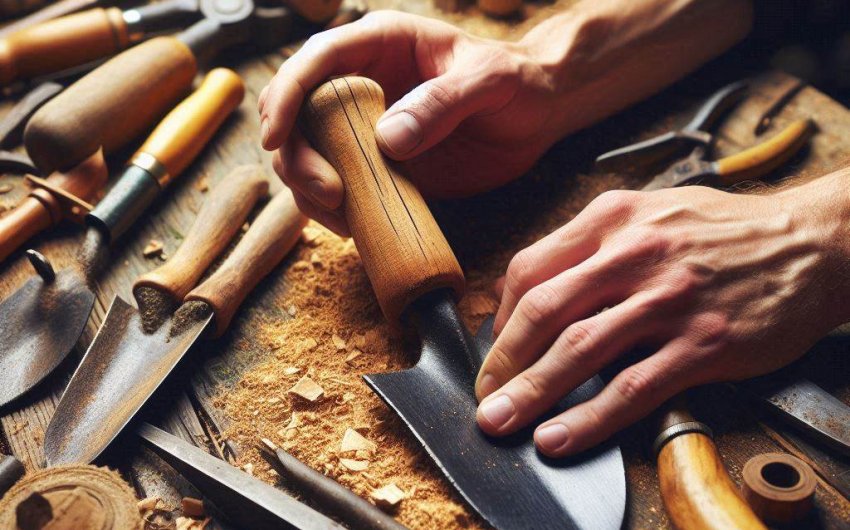
A broken handle doesn't necessarily mean the end for your trusted gardening companion. Learning how to repair broken handles on gardening tools is a valuable skill that not only saves money but also extends the life of quality implements. Whether it's a shovel, rake, or hoe, a sturdy handle is essential for safe and efficient work in the garden. This guide will walk you through various repair techniques, from simple fixes for minor cracks to full handle replacements, ensuring your tools are back in action.
Why Do Gardening Tool Handles Break?
Understanding why gardening tool handles fail can help prevent future damage and guide your repair strategy. Most breaks occur due to a combination of material limitations, improper use, and environmental factors.
1. Material Fatigue and Wear
Over time, even the strongest materials succumb to repeated stress and exposure.
- Wood Handles: Wood, especially untreated or low-quality varieties, can dry out, become brittle, or rot over time. Repeated flexing during use can cause microscopic cracks that eventually lead to a complete break. Grain direction and knots also represent weak points.
- Fiberglass Handles: While more durable than wood against rot and splinters, fiberglass can suffer from fatigue if subjected to excessive bending or twisting forces. The composite material can delaminate or crack, especially at stress points like where it meets the tool head.
- Plastic/Composite Handles: Often found on lighter-duty tools or as overmolds on metal handles, these materials can become brittle with UV exposure, extreme temperatures, or simply age, leading to snapping or cracking.
2. Improper Use and Stress
Many handle breaks are directly attributable to how the tool is used, or rather, misused.
- Prying: Using a shovel or fork to pry up heavy rocks or roots puts immense leverage on the handle, far beyond its design capacity. This often results in a sudden, catastrophic break near the head.
- Twisting: Aggressively twisting a tool, like trying to loosen compacted soil with a spade, can induce rotational stress that wooden handles are not designed to withstand.
- Overloading: Attempting to lift too much soil, compost, or debris with a single scoop can put excessive bending force on the handle.
- Impact: Striking the handle against hard surfaces, dropping the tool, or hitting it with another object can create impact points that compromise its integrity.
3. Environmental Exposure
The elements can be surprisingly harsh on tool handles, even when they're not in active use.
- Moisture: Leaving wooden tools out in the rain or storing them in damp sheds promotes rot and encourages fungi growth. Repeated wetting and drying cycles cause wood to expand and contract, leading to cracks.
- UV Radiation: Sunlight's ultraviolet rays degrade many materials, including wood, plastic, and even the resin in fiberglass. This degradation makes the materials brittle and prone to breaking.
- Extreme Temperatures: Rapid temperature fluctuations or prolonged exposure to very hot or very cold conditions can cause materials to weaken, particularly plastics and composites. Cold temperatures can make wood and plastic more brittle.
- Pests: Wood-boring insects and termites can compromise the structural integrity of wooden handles, weakening them from the inside out.
4. Poor Manufacturing and Design Flaws
Sometimes, the handle was simply destined to break due to inherent weaknesses.
- Low-Quality Materials: Cheaper tools often use inferior wood (e.g., fast-growth softwood with poor grain) or thin-walled plastic/fiberglass.
- Inadequate Fastening: The joint where the handle meets the tool head is a critical stress point. If it's poorly designed, weakly glued, or uses insufficient fasteners, it will be the first point of failure.
- Manufacturing Defects: Hidden voids in fiberglass, poorly cured plastics, or internal flaws in wood can significantly reduce a handle's strength.
By understanding these common culprits, you can not only learn how to repair broken handles on gardening tools more effectively but also adopt better habits for tool care and use, extending their lifespan significantly.
When Should You Repair vs. Replace a Handle?
Deciding whether to repair a broken handle or opt for a full replacement depends on the extent of the damage, the type of tool, and the handle material. This decision impacts safety, cost, and the longevity of your gardening implement.
1. Assess the Damage
A thorough inspection will guide your decision on how to repair broken handles on gardening tools.
- Minor Cracks/Splits: If the crack is small, shallow, and confined to the surface, especially on a wooden handle, a repair is often feasible. These are usually stress cracks or minor drying splits.
- Deep Cracks/Fractures: A crack that penetrates deep into the handle, runs along the grain for a significant distance, or creates a loose section indicates a more severe structural issue.
- Complete Break: If the handle has snapped into two or more pieces, especially near the tool head or a major stress point, a full replacement is almost always the safest and most durable solution.
- Rot/Deterioration: Any signs of rot, extensive fungal growth, or severe splintering mean the material is compromised beyond simple repair; replacement is necessary.
- Fiberglass/Plastic Damage: Cracks or splits in fiberglass or plastic handles generally mean replacement. These materials are difficult to reliably repair structurally once fractured.
2. Consider the Handle Material
The type of material greatly influences repair possibilities.
- Wooden Handles: These are the most repairable for minor damage. Wood glue, wood filler, clamps, and reinforcing can fix cracks and strengthen weakened areas. For full breaks, replacement handles are readily available.
- Fiberglass Handles: Repairs for fiberglass are typically temporary or superficial. Once the fibers are broken, structural integrity is lost. Epoxy glues might offer a temporary patch for minor cracks, but a complete replacement is usually warranted for any significant damage.
- Metal Handles: Less common for full handles (often just part of the tool head), but if a metal section breaks (e.g., a steel D-handle), welding might be an option if you have the skills or access to a welder. Otherwise, replacement is the way to go.
- Plastic/Composite Handles: Similar to fiberglass, these are generally not repairable for structural breaks. Adhesives might offer a temporary fix for small chips, but once snapped, replacement is necessary.
3. Evaluate the Tool Head
The value and condition of the tool head play a significant role.
- High-Quality Head: If the tool head (e.g., a forged steel shovel blade, a sturdy hoe) is still in excellent condition, well-made, and worth keeping, investing in a new handle makes economic sense.
- Worn-Out/Damaged Head: If the tool head is rusty, bent, dull beyond repair, or just cheap to begin with, it's often more practical to replace the entire tool rather than just the handle. The cost of a new handle and your time might outweigh the benefit.
4. Safety Considerations
A compromised handle is a safety hazard.
- Structural Integrity: If a repair might leave the handle weaker and prone to breaking during heavy use, putting you at risk, then replacement is the only safe option. This is especially true for tools like axes, picks, or digging forks where sudden breaks could cause serious injury.
- Splintering: A severely splintered wooden handle, even if structurally sound, can lead to painful splinters; a repair might not fully eliminate this risk.
5. Cost and Availability
Compare the cost and effort of repair versus replacement.
- Repair Cost: Often involves inexpensive materials like wood glue, clamps, or epoxy.
- Replacement Handle Cost: New handles for shovels, rakes, or hoes are generally affordable, ranging from $10 to $30.
- New Tool Cost: A brand-new tool might cost more but comes with a fresh warranty and no existing damage.
- Your Time: Factor in the time commitment for a repair vs. just buying a new handle or tool.
General Rule of Thumb:
- Minor wooden handle cracks/splinters: Repair.
- Completely broken wooden handle (good head): Replace the handle.
- Any significant break or crack in fiberglass, plastic, or metal: Replace the handle or the entire tool.
By carefully assessing these points, you can make an informed decision on how to repair broken handles on gardening tools or when it's simply time to install a new one.
What Materials and Tools Do You Need?
Before you begin to repair broken handles on gardening tools, gathering the right materials and tools is essential. Having everything at hand will make the process smoother, safer, and more effective.
General Supplies for Handle Repair
- Safety Gear:
- Work Gloves: To protect hands from splinters, sharp edges, and chemicals. Look for gardening gloves with good grip.
- Safety Glasses/Goggles: Crucial for protecting eyes from flying debris, dust, or chemical splashes, especially when sanding or cutting. A pair of safety goggles is a small investment for significant protection.
- Dust Mask/Respirator: Recommended if sanding or working with certain adhesives or wood treatments to avoid inhaling particles.
- Cleaning Supplies:
- Wire Brush: For cleaning off rust and debris from tool heads.
- Stiff Bristle Brush: For general cleaning of wood or fiberglass.
- Clean Rags/Paper Towels: For wiping down surfaces and excess adhesive.
- Rubbing Alcohol or Acetone: For cleaning surfaces before applying adhesives or finishes, ensuring a good bond.
- Sanding Supplies:
- Sandpaper (Various Grits): Coarse grit (60-80) for shaping or roughing, medium grit (120-150) for smoothing, and fine grit (220+) for finishing. A sandpaper assortment pack is useful.
- Sanding Block: Helps apply even pressure when sanding flat or contoured surfaces.
- Finishing/Protection:
- Linseed Oil (Boiled Linseed Oil): Excellent for conditioning and protecting wooden handles, making them more durable and water-resistant. A can of boiled linseed oil is a standard for wood care.
- Spar Urethane or Outdoor Varnish: Provides a harder, more protective waterproof coating for wood, especially if the tool is frequently left outdoors.
- Painter's Tape: For masking off areas you don't want to get adhesive or finish on.
Specific Materials for Repairs
- For Wooden Handle Cracks/Splits:
- Wood Glue: A strong, waterproof wood glue like Titebond III or a construction adhesive. A bottle of Titebond III Ultimate Wood Glue is a versatile choice.
- Wood Filler or Epoxy Putty: For filling small cracks, divots, or missing wood pieces.
- C-Clamps or Bar Clamps: Essential for holding glued pieces tightly together while the adhesive cures. A set of F clamps in various sizes.
- Duct Tape or Electrical Tape: For wrapping around repairs to provide temporary compression or reinforcement.
- For Reinforcement (Optional):
- Metal Strapping/Banding: Thin metal strips or hose clamps can be used to reinforce a weak spot, especially near the tool head.
- Wire (e.g., Baling Wire): Can be wrapped tightly and twisted for a rustic, strong reinforcement.
- Fiberglass Cloth and Epoxy Resin Kit: For more advanced fiberglass handle repairs or strengthening wood.
- For Handle Replacement:
- New Replacement Handle: Ensure it's the correct type (straight, D-grip, T-grip) and length for your tool. Look for replacement shovel handles or replacement rake handles.
- Wooden Wedges (Pre-made or scrap wood): Essential for securing the new handle into the tool head's socket (ferrule).
- Drill and Drill Bits: For drilling out old fasteners or pilot holes for new ones.
- Saw: Handsaw or hacksaw for cutting off old handles or shaping new ones. A hacksaw is good for metal, a hand saw for wood.
- Rubber Mallet or Hammer: For seating the new handle firmly into the ferrule. A rubber mallet is preferred to avoid damaging the wood.
- Wood Chisel or Files: For shaping the end of the new handle to fit the tool head perfectly. A set of wood chisels can be very helpful.
- Screwdriver/Wrench: For removing or tightening bolts/screws.
Having these items organized before you start will significantly streamline the process of learning how to repair broken handles on gardening tools.
How to Repair a Cracked Wooden Handle?
Repairing a cracked wooden handle is often a straightforward process, salvaging a valuable tool and preventing a full break. This method focuses on reinforcing the existing handle rather than replacing it entirely.
1. Assess the Crack
Before starting, carefully examine the crack to determine its severity and depth. This will help you decide if a simple repair is sufficient or if a more extensive intervention, or even replacement, is needed.
- Surface Crack: A shallow crack that does not penetrate deep into the wood and does not compromise the handle's overall strength. These are often caused by drying or minor impacts.
- Deep Crack/Split: A crack that goes deep into the wood, possibly splitting the handle partially, or extending along the grain for a significant length. If the handle flexes noticeably at the crack, it's a deep split.
- Location: Pay attention to where the crack is located. Cracks near the tool head or grip are more critical as these are high-stress areas.
2. Prepare the Handle
Proper preparation ensures the repair is strong and lasts.
- Clean the Area: Use a stiff brush or a wire brush to remove any dirt, grime, or loose splinters from around and inside the crack. For greasy residue, wipe with a rag dampened with rubbing alcohol or mineral spirits.
- Open the Crack (if necessary): For deep, tight cracks, you might need to carefully widen them slightly to allow glue to penetrate fully. You can do this by gently prying the crack open with a thin, flat-head screwdriver or a wedge. Be careful not to worsen the damage.
- Sand Lightly: Lightly sand the area around the crack with 120-grit sandpaper. This creates a slightly rough surface that helps the adhesive bond better. Wipe away any dust.
3. Apply the Adhesive
The right adhesive is crucial for a durable repair.
- Choose Your Glue:
- Wood Glue (e.g., Titebond III): Ideal for most wooden handle repairs. It's strong, dries clear, and many varieties are waterproof once cured.
- Epoxy (e.g., 2-part epoxy): Excellent for very strong bonds, especially if there's a slight gap in the crack or if you want superior water resistance. It fills voids well.
- Generous Application: Apply a generous amount of glue directly into the crack. For deeper cracks, use a syringe or a thin piece of plastic (like a credit card edge) to work the glue as far into the crack as possible.
- Wipe Excess: Immediately wipe away any excess glue that squeezes out with a damp rag before it dries.
4. Clamp and Cure
Proper clamping ensures a strong, tight bond while the glue dries.
- Apply Pressure: Use C-clamps or bar clamps to apply firm, even pressure across the cracked area. If the handle is round, place small blocks of wood between the clamp jaws and the handle to prevent denting.
- Wrap for Even Pressure: For long cracks or to prevent the clamps from sliding, you can wrap electrical tape or strong duct tape tightly around the handle over the clamped area.
- Cure Time: Allow the glue to cure completely according to the manufacturer's instructions. This usually takes 24 hours for wood glue, but check the product label. Do not remove the clamps prematurely.
5. Sand and Finish
Protecting the repaired area ensures longevity.
- Remove Clamps and Tape: Once the glue is fully cured, carefully remove all clamps and tape.
- Sand Smooth: Lightly sand the repaired area with 150-grit sandpaper to remove any dried glue residue and smooth out the surface. Finish with 220-grit sandpaper for a very smooth feel.
- Apply Finish:
- Linseed Oil: For a natural, protective finish, apply several coats of boiled linseed oil. Wipe off excess after 15-30 minutes, and allow each coat to cure before applying the next. This penetrates and nourishes the wood.
- Spar Urethane/Varnish: For maximum weather protection, apply a few coats of spar urethane or outdoor varnish. These create a harder, more waterproof surface film. Follow product instructions for drying times and recoating.
By following these steps, you can effectively learn how to repair broken handles on gardening tools when they have minor cracks, extending their useful life.
How to Replace a Broken Wooden Handle?
Replacing a completely broken wooden handle is often the best and safest option when the damage is severe. This process involves detaching the old handle, preparing the tool head, fitting a new handle, and securing it properly.
1. Remove the Old Handle
This is often the most challenging part, especially if the old handle is firmly stuck or rusted in place.
- Assess Attachment: Most tool heads attach to wooden handles via a socket (also called a ferrule) that the handle fits into. They are then secured with a rivet, screw, or a series of wedges.
- Clear the Area: Use a wire brush to remove any rust or dirt from around the tool head's socket.
- Loosen Fasteners:
- Rivet: If there's a rivet, you'll need to drill it out. Use a drill bit slightly larger than the rivet's diameter.
- Screw: Simply unscrew it.
- No Fastener (friction fit): This relies on the handle being wedged in tightly.
- Heat (Optional, for stubborn cases): For a very stubborn, rusted-on tool head, you can gently heat the metal ferrule with a propane torch or on a grill. The expansion of the metal may help loosen its grip on the wood. Be extremely careful not to burn yourself or surrounding materials.
- Pound Out: Once fasteners are removed (or if there are none), brace the tool head firmly (e.g., in a vise). With a hammer, repeatedly strike the exposed end of the broken handle piece from the top, pushing it down and out of the socket. Alternatively, you can sometimes strike the metal head downwards onto a hard surface, allowing the handle stub to fall out.
- Clean Out Socket: Use a screwdriver, chisel, or even a drill with a small bit to chip out any remaining wood splinters or debris from inside the socket. The socket must be completely clean and empty for the new handle to fit correctly. A wire brush can help too.
2. Select and Prepare the New Handle
Choosing the right replacement handle is crucial for a good fit and proper balance.
- Match Type and Length: Purchase a new wooden handle that matches the original in type (e.g., straight, D-grip, T-grip) and length. Handles are usually labeled for specific tools (shovel, rake, hoe). Look for replacement shovel handles or replacement rake handles.
- Quality Wood: Opt for dense, straight-grained hardwood like ash or hickory.
- Test Fit: Insert the end of the new handle into the tool head's socket. It should fit snugly, but not so tight that it can't go in. It also shouldn't be too loose.
- Shape the Handle End: If the handle doesn't fit snugly, you'll need to shape it.
- Too Loose: If the handle is too thin, you might need to shim it with thin strips of wood or apply epoxy to build up thickness, but this is less ideal than a better fit.
- Too Tight: Use a wood rasp, file, or sandpaper to carefully shave down the end of the handle until it fits snugly into the socket. Take off small amounts at a time and keep testing the fit.
- Saw for Wedges: Most handles will have a pre-cut saw kerf (slot) at the end for the wedge. If not, you'll need to cut one with a handsaw. This slot should be deep enough to accommodate the wedge, typically about 1-2 inches deep.
3. Secure the New Handle
This step ensures the tool head stays firmly attached to the handle during use.
- Apply Adhesive (Optional but Recommended): For an extra secure fit, apply a strong wood glue or epoxy around the end of the handle that will sit inside the ferrule. This creates a strong bond between the wood and metal.
- Drive Handle into Socket: Place the tool head on a hard, stable surface (like a concrete floor). Hold the handle vertically above it and carefully drive the handle down into the socket, tapping firmly with a rubber mallet or hammer until it's fully seated and the shoulder of the handle meets the ferrule.
- Insert Wedge(s):
- Wooden Wedge: Drive a pre-made wooden wedge (or a wedge cut from scrap wood) firmly into the saw kerf at the end of the handle. Use a hammer until it's fully seated and expands the wood within the socket, locking it in place. The excess wedge can be trimmed flush with a saw.
- Metal Wedge(s): For even greater security, you can often drive one or more metal wedges perpendicular to the wooden wedge (if there's space) or directly into the handle end if there's no wooden wedge. This further expands the wood.
- Drill and Fasten (Optional): If the original tool had a rivet or screw, drill a new pilot hole (if needed) through the ferrule and into the new handle. Secure it with a sturdy bolt and nut, or a large wood screw.
4. Finish the Handle
Protect the new handle from the elements and ensure it's comfortable to use.
- Sand Smooth: Sand the entire handle, especially the area where it meets the tool head and the grip, starting with 120-grit and finishing with 220-grit sandpaper for a smooth, splinter-free surface.
- Apply Finish:
- Boiled Linseed Oil: Apply several coats of boiled linseed oil, wiping off excess between coats, to nourish and protect the wood.
- Spar Urethane/Varnish: For maximum durability and water resistance, especially if the tool will be stored outdoors, apply several coats of outdoor spar urethane or varnish.
- Comfort Grip: Consider adding a non-slip grip tape or rubber handle sleeve for added comfort and control.
By following these comprehensive steps, you'll successfully learn how to repair broken handles on gardening tools by replacing them, ensuring your essential implements are robust and ready for years of garden work.
How to Reinforce and Maintain Your Tool Handles?
Once you've learned how to repair broken handles on gardening tools or replaced them, the next crucial step is to reinforce and maintain them. Proactive care significantly extends the lifespan of your handles, preventing future breaks and ensuring comfortable, efficient use.
1. Reinforce Critical Stress Points
Prevention is key. Strengthening areas prone to breaking can save you from future repairs.
- Epoxy Collar (for wooden handles):
- Method: After the handle is seated and wedged, mix a small batch of two-part epoxy. Apply a generous bead around the top of the ferrule where the handle enters, letting it flow into any small gaps. This creates a strong, waterproof collar that reinforces the joint.
- Why it Helps: This prevents water from seeping into the joint and causing rot, and also adds significant structural strength to the most common break point.
- Metal Strapping/Hose Clamps:
- Method: For heavily used tools or those prone to stress near the head, you can wrap the handle just above the ferrule with thin metal strapping or a large, sturdy hose clamp. Tighten it firmly.
- Why it Helps: Provides external compression, preventing splits and reinforcing the wood against impact or leverage.
- Wrapped Wire/Twine:
- Method: For a more rustic, but effective, reinforcement, tightly wrap several layers of strong wire (like baling wire) or waxed twine around the area just above the ferrule or any existing cracks. Secure the ends tightly.
- Why it Helps: Offers excellent compression to hold wood together and prevent further splitting.
- Fiberglass Wrap (for wooden or minor fiberglass handles):
- Method: Using a small fiberglass repair kit (fiberglass cloth and epoxy resin), wrap layers of resin-soaked cloth around a weak or repaired section of the handle.
- Why it Helps: Creates an extremely strong, hard, and weather-resistant outer shell. This is a more advanced technique but offers superior reinforcement.
2. Regular Cleaning and Inspection
Simple habits go a long way in preventing handle degradation.
- Clean After Each Use: Wipe down handles to remove dirt, mud, and moisture. For wooden handles, ensure they are dry before storage.
- Inspect Regularly: Before and after each use, quickly check handles for:
- New cracks, splinters, or loose spots.
- Signs of rot or insect damage on wood.
- Looseness where the handle meets the tool head.
- Any excessive flexing during use.
- Address Issues Early: Small cracks can be repaired easily with glue and clamps. A loose head can often be tightened with a new wedge before it becomes a full break.
3. Proper Storage
How you store your tools dramatically impacts handle longevity.
- Dry Environment: Always store gardening tools in a dry shed, garage, or utility room. High humidity and damp conditions are primary causes of wooden handle rot and rust on metal parts.
- Off the Ground: Store tools hung on a wall rack or in a tool caddy. Leaving them lying on damp ground or concrete will accelerate decay. A tool organizer rack can be very beneficial.
- Away from Extreme Temperatures: Avoid storing tools in areas exposed to direct sunlight for prolonged periods or extreme cold, as this can embrittle plastic and fiberglass, and dry out wood.
4. Handle Conditioning (for Wood)
Wood needs nourishment to stay strong and flexible.
- Boiled Linseed Oil Treatment: At least once or twice a year (more often for heavily used tools or dry climates), apply a generous coat of boiled linseed oil to wooden handles.
- Application: Apply with a rag, let it soak in for 15-30 minutes, then wipe off all excess thoroughly to prevent a sticky residue.
- Why it Helps: Linseed oil penetrates the wood, keeping it supple, preventing drying out, cracking, and making it more resistant to moisture absorption. Always dispose of oil-soaked rags properly (e.g., laid flat to dry or submerged in water) as they can spontaneously combust.
- Varnish/Urethane (Optional): For handles that see very wet conditions or are stored outdoors, a marine-grade spar urethane or outdoor varnish can provide a harder, more protective waterproof barrier. Reapply as needed when the finish shows wear.
5. Proper Usage Techniques
Using your tools correctly is the best preventative measure against handle breaks.
- Avoid Prying: Never use shovels, forks, or hoes as pry bars to move heavy objects or break stubborn roots. Use a dedicated pry bar or a digging bar for such tasks.
- Don't Overload: Don't try to lift excessive amounts of soil or heavy materials with a single scoop.
- Dig Methodically: For compacted soil, work gradually, breaking up small sections at a time instead of forcing the tool.
- Avoid Lateral Stress: Be mindful of twisting forces. When digging, try to lift straight up rather than twisting the handle to loosen soil.
By integrating these reinforcement and maintenance practices into your routine, you won't just learn how to repair broken handles on gardening tools but also how to significantly prolong their life and ensure they remain reliable companions in your garden.