
Why Is My Indoor Palm Plant Turning Brown?
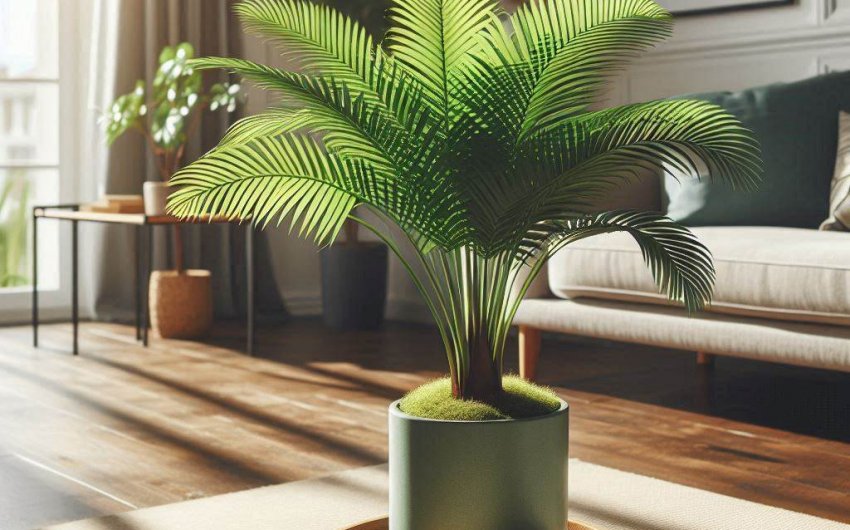
There’s nothing quite like the elegant sway of an indoor palm plant to bring a touch of the tropics into your home. Their lush, green fronds instantly create a relaxing and inviting atmosphere, making them a popular choice for both seasoned plant parents and beginners. But then, it happens. You notice it—a crisp, brown tip here, a fully browned frond there. Panic sets in! "Why is my indoor palm plant turning brown?" you ask yourself, envisioning your beautiful plant slowly fading away.
You're not alone! This is one of the most common problems palm plant owners face. While it can be disheartening, browning leaves are usually a sign that something in your palm’s environment isn’t quite right. The good news is that most browning issues are fixable, and with a little detective work and some care, you can bring your leafy friend back to its vibrant best.
In this super helpful guide, we'll dive deep into all the reasons why your indoor palm plant might be browning. We’ll cover everything from tricky watering habits to hidden pest problems, and most importantly, we'll give you simple, actionable steps to identify the cause and save your palm. Get ready to become a palm plant whisperer and keep your tropical beauty thriving for years to come!
Understanding Your Palm Plant: A Little Background Helps A Lot
Before we jump into troubleshooting, it's helpful to remember where palm plants come from. Most indoor palms like the Majesty palm, Areca palm, or Parlor palm originate from warm, humid, tropical regions. This means they naturally prefer consistent moisture, high humidity, and bright, indirect light. When we bring them into our homes, which often have dry air, inconsistent temperatures, and different lighting, we're asking them to adapt.
Browning is often your palm's way of telling you, "Hey, I'm a bit stressed out over here!" It’s a symptom, not a disease itself. By understanding their natural preferences, we can better mimic their ideal environment indoors and keep those fronds beautifully green.
The Top Reasons Your Indoor Palm Plant is Turning Brown (and How to Fix Them!)
Let's break down the most common culprits behind browning palm fronds. We'll start with the most frequent issues and work our way through less common ones.
1. The Watering Wrangle: Too Much or Too Little? (The #1 Culprit!)
This is by far the most common reason why indoor palm plant turning brown. It’s a delicate balance, and getting it wrong can lead to serious stress for your palm.
A. Underwatering: Crispy, Brown Tips and Edges
If your palm plant is consistently underwatered, its fronds will start to dry out from the tips and edges, gradually turning brown and feeling crispy to the touch. The soil will often look very dry and might even pull away from the sides of the pot.
- Why it happens: Palms need consistent moisture because in their natural habitat, they often have access to abundant water. If the soil dries out too much between waterings, the plant can't get enough water to support all its fronds, and the tips are usually the first to suffer.
- How to fix it:
- Check the soil moisture regularly: Stick your finger about 2-3 inches deep into the soil. If it feels dry, it's time to water. Don't just look at the top layer, as that can dry out quickly.
- Water thoroughly: When you water, do so until water drains out of the bottom of the pot with drainage holes. This ensures that the entire root ball gets a good soak.
- Increase watering frequency (if needed): In warmer months or drier climates, you might need to water more often. In winter, when growth slows, you might water less.
- Consider a bigger pot: If your palm is root-bound (its roots are tightly packed and circling the pot), it will dry out much faster. Repotting into a slightly larger planter pot can help.
B. Overwatering: Droopy, Yellowing Fronds with Brown Tips, Soft Trunk
This one is a bit trickier because overwatering can also cause brown tips, but often it's accompanied by yellowing fronds, especially lower ones, and the soil stays wet for too long. In severe cases, the base of the plant or trunk might feel soft or mushy, which is a sign of root rot.
- Why it happens: When a palm plant is overwatered, its roots sit in soggy soil without enough oxygen. This can lead to root rot, where the roots essentially drown and decay. Damaged roots can't take up water and nutrients effectively, leading to browning, yellowing, and general decline of the plant.
- How to fix it:
- Ensure proper drainage: Your pot with drainage holes is non-negotiable! If your pot doesn't have them, repot immediately. Also, make sure the drainage holes aren't blocked.
- Check soil before watering: Always let the top 2-3 inches of soil dry out completely before watering again. For some palms, like Majesty palms, they prefer to stay slightly moist, but never soggy. Others, like Parlor palms, can tolerate drying out a bit more.
- Improve soil aeration: Use a well-draining potting mix specifically for palms or a general indoor plant mix amended with perlite or coarse sand to improve drainage.
- Reduce watering frequency: If your soil is staying wet for too long, simply water less often.
- Address root rot (if suspected): If you suspect root rot, gently unpot the plant, inspect the roots, and trim away any brown, mushy ones. Repot into fresh, well-draining soil.
2. Humidity: The Palm's Best Friend (or Worst Enemy!)
As tropical plants, indoor palms absolutely love high humidity. Our homes, especially with heating or air conditioning running, are often very dry. Low humidity is a very common reason why indoor palm plant turning brown, especially the tips.
- Why it happens: In low humidity, moisture evaporates from the leaves too quickly, causing them to dry out and turn brown, particularly at the tips.
- How to fix it:
- Mist your palm regularly: Use a plant mister to mist the fronds daily, or even twice a day, especially during dry seasons.
- Use a pebble tray: Place your pot with drainage holes on a tray filled with pebbles and water. Make sure the bottom of the pot doesn't sit directly in the water. As the water evaporates, it creates a more humid microclimate around the plant. You can find excellent pebble trays online.
- Invest in a humidifier: This is the most effective way to boost humidity for your indoor palm plant, especially if you live in a very dry climate. A small room humidifier placed near your plant can make a huge difference.
- Group plants together: Plants release moisture into the air, so grouping your indoor palm plant with other houseplants can create a slightly more humid environment.
3. Light Levels: Just Right, Please!
While palms generally like bright light, too much direct, intense sunlight can also cause browning.
A. Too Much Direct Sunlight: Sunburn!
If your indoor palm plant is exposed to harsh, direct sunlight, especially through a window, its fronds can get "sunburned." This often appears as large, bleached, or brown patches on the fronds, sometimes with a crispy texture.
- Why it happens: Tropical palms usually grow under the canopy of larger trees in their natural habitat, receiving filtered or indirect light. Direct sun can be too intense for their delicate fronds.
- How to fix it:
- Move your palm: Relocate your indoor palm plant to a spot where it receives bright, indirect light. An east-facing window is often ideal, or a few feet away from a south or west-facing window.
- Use sheer curtains: If you can't move the plant, use sheer curtains to diffuse the intense sunlight.
B. Not Enough Light: Overall Weakness and Browning
While less common for browning, consistently too little light can weaken your palm, making it more susceptible to other issues, including browning. It might also lead to stunted growth and pale fronds.
- Why it happens: Like all plants, palms need light for photosynthesis. Without enough light, they can't produce enough energy to sustain healthy growth.
- How to fix it:
- Increase light exposure: Move your indoor palm plant to a brighter spot.
- Consider a grow light: If natural light is limited, a plant grow light can provide the necessary spectrum for healthy growth.
4. Nutrients and Soil: What's in the Pot?
The right soil and a balanced nutrient supply are crucial for a healthy indoor palm plant.
A. Nutrient Deficiency: General Yellowing and Browning
If your palm is lacking essential nutrients, it can show up as overall yellowing followed by browning. This is less common if you use a good quality potting mix and fertilize occasionally.
- Why it happens: Over time, plants use up nutrients in the soil. If not replenished, the plant can become deficient, leading to poor health.
- How to fix it:
- Fertilize properly: Use a balanced palm fertilizer specifically formulated for indoor plants during the growing season (spring and summer). Follow the package instructions carefully, as over-fertilizing can also cause issues. Less is often more!
- Repot: If your plant hasn't been repotted in a few years, the soil might be depleted. Repotting into fresh potting mix can give it a nutrient boost.
B. Salt Buildup: Crispy, Brown Tips and Edges
If you use tap water with high mineral content or over-fertilize, salts can build up in the soil over time. This appears very similar to underwatering, with crispy, brown tips and edges.
- Why it happens: Excess salts draw moisture away from the roots, making it harder for the plant to absorb water.
- How to fix it:
- Flush the soil: Every few months, water your indoor palm plant thoroughly until water drains out continuously for about 10-15 minutes. This helps flush out accumulated salts.
- Use filtered or distilled water: If your tap water is particularly hard (high in minerals), consider using filtered water or rainwater. A good water filter pitcher can help.
- Reduce fertilizer: If you suspect over-fertilizing, reduce the frequency or strength of your fertilizer solution.
5. Temperature Stress: Too Hot or Too Cold?
Indoor palm plants are sensitive to sudden temperature changes and extreme temperatures.
- Why it happens: Drafts from open windows or doors, proximity to heating/AC vents, or being too close to a cold window can stress the palm, causing browning, especially on the side facing the extreme temperature.
- How to fix it:
- Maintain consistent temperatures: Palms generally prefer temperatures between 65-80°F (18-27°C).
- Avoid drafts: Keep your palm away from drafty windows, doors, and direct blasts from heating or air conditioning vents.
6. Pests: Tiny Invaders Causing Big Problems
While less common than watering issues, pests can definitely cause an indoor palm plant turning brown. Look for signs on the undersides of leaves and in the crevices.
A. Spider Mites: Fine Webs and Tiny Specks
These tiny pests are a common culprit for browning and overall decline. You might see very fine webbing, especially where the fronds meet the stem, and tiny red or brown specks.
- Why it happens: Spider mites suck the sap from the plant's cells, leading to stippling (tiny dots), yellowing, and eventually browning of the leaves. They thrive in dry, low-humidity conditions.
- How to fix it:
- Increase humidity: This is a key deterrent for spider mites.
- Wipe down leaves: Use a damp cloth to wipe down the fronds, especially the undersides, to physically remove mites.
- Use insecticidal soap: For more severe infestations, apply an organic insecticidal soap spray specifically for houseplants. Follow the directions carefully.
- Neem oil: A Neem oil spray can also be effective as an organic pest control.
B. Mealybugs and Scale: White, Cottony Masses or Bumps
These pests also suck sap, causing yellowing, wilting, and eventually browning of leaves. Mealybugs look like tiny white cottony masses, while scale insects look like small, oval, raised bumps on stems and leaves.
- Why it happens: Like spider mites, these pests feed on plant sap, weakening the plant.
- How to fix it:
- Isolate the plant: Immediately move the infested indoor palm plant away from other plants to prevent spread.
- Physical removal: For mealybugs, dab them directly with a cotton swab dipped in rubbing alcohol. For scale, you might need to gently scrape them off.
- Insecticidal soap or Neem oil: Apply as directed to the affected areas. Repeat treatments may be necessary.
7. Natural Aging: It's Just Getting Older!
Sometimes, browning is perfectly normal! Palm fronds don't last forever. The oldest, lowest fronds will naturally yellow and then brown as they age.
- Why it happens: Just like leaves on trees, old fronds eventually die off to make way for new growth.
- How to fix it:
- Prune carefully: Once a frond is completely brown and dry, you can prune it off with sharp, clean pruning shears. Cut close to the main stem but avoid cutting into the trunk itself. Do not cut off fronds that are only partially brown if there is still green on them; the plant is still drawing nutrients from them.
8. Chemical Residue: What's on Your Fronds?
Sometimes, things we spray on our plants, like leaf shine products or even certain pest control chemicals, can cause browning if used improperly.
- Why it happens: Some chemicals can react negatively with the plant tissue or clog the pores on the leaves.
- How to fix it:
- Read labels carefully: Always follow instructions for any plant care spray or product.
- Test first: If trying a new product, test it on a small, inconspicuous part of the plant first.
- Rinse leaves: If you suspect chemical burn, gently rinse the leaves with plain water.
The Art of Pruning Brown Palm Fronds
Once you’ve identified and addressed the cause of browning, you'll likely have some brown fronds that need to be removed. Proper pruning is essential for the health and aesthetics of your indoor palm plant.
- Wait until completely brown: Do not prune fronds that are only partially brown or still have some green on them. The plant is still reabsorbing nutrients from these fronds. Wait until they are entirely crispy brown.
- Use sharp, clean tools: Always use disinfected pruning shears or a sharp knife to prevent spreading diseases.
- Cut close to the trunk: Cut the frond as close to the main trunk as possible without cutting into the trunk itself.
- Don't over-prune: Resist the urge to remove too many fronds, even if they're looking rough. Palms need their fronds for photosynthesis. Removing too many can stress the plant.
Key Takeaways for a Thriving Indoor Palm
- Water Wisely: The most critical factor. Let the top few inches of soil dry out before watering again. Ensure excellent drainage.
- Humidity is Happiness: Palms crave humidity. Mist, use a pebble tray, or get a humidifier.
- Light Matters: Bright, indirect light is ideal. Avoid harsh, direct sun.
- Check for Pests: Regularly inspect your palm for any unwelcome guests.
- Be Patient: Plant recovery takes time. Don't expect instant results. Consistency is key!
By paying close attention to these factors and making adjustments as needed, you'll be well on your way to enjoying a lush, green, and vibrant indoor palm plant that adds a beautiful tropical touch to your home for many years to come!