
Why Is My Lawn Growing Mushrooms?
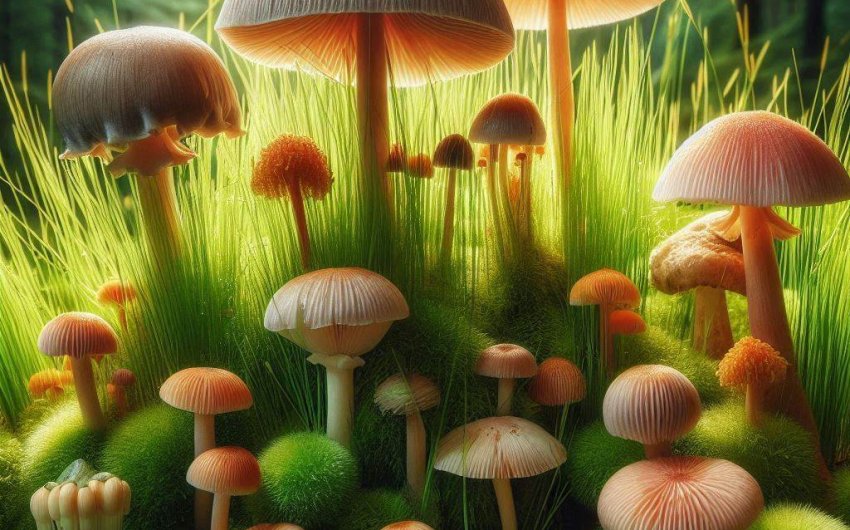
Seeing mushrooms sprout up in your lawn can be a bit surprising. One day your grass looks perfect, and the next, there are dozens of fungi popping up. Don't worry, it's a very common occurrence. Most of the time, these lawn mushrooms are harmless to your grass and are actually a sign of a healthy ecosystem beneath the surface. Let's dig into why these interesting little growths appear and what they mean for your yard.
What Are Mushrooms, Anyway?
Before we get into why they're in your lawn, let's understand what mushrooms are. They aren't plants; they're actually the fruiting body of a fungus. Think of it like an apple on an apple tree. The mushroom is the "apple," and the main part of the fungus, called the mycelium, is the "tree" that lives underground. This mycelium is a network of tiny, thread-like structures that spread through the soil, often hidden from view.
Fungi play a super important role in nature. They are decomposers. This means they break down dead organic material, like old tree roots, wood chips, leaves, and even buried construction debris. This decomposition process returns valuable nutrients to the soil, making it richer and healthier for your grass and other plants.
Not All Mushrooms Are the Same
There are thousands of different types of mushrooms, and many can grow in your lawn. Some are small and unassuming, while others are quite large and noticeable. You might see anything from a common lawn mushroom like a Lawn Mushroom Identification Guide to a fairy ring mushroom. Most lawn mushrooms are not edible, and some can even be poisonous. It's always best to assume they are toxic and keep pets and children away from them. Never eat a mushroom unless you are absolutely sure of its identity and know it's safe to consume.
Common Reasons for Lawn Mushrooms
So, why do these fungi decide to pop up in your beautiful lawn? It almost always comes down to a few key conditions that mushrooms love.
1. Plenty of Moisture
Mushrooms thrive in damp conditions. If your lawn has been getting a lot of rain, or if you've been watering frequently, you're creating the perfect environment for fungi to grow. Excess moisture in the soil is a big trigger. This is why you often see them after a few days of steady rain or if your sprinkler system has been on a lot.
- Overwatering: If you're watering your lawn too much, or too often, the soil stays consistently wet, which encourages mushroom growth. Your grass usually only needs about an inch of water per week, including rainfall.
- Poor Drainage: If your lawn has areas where water tends to sit and doesn't drain well, these soggy spots become prime real estate for fungi. This could be due to compacted soil or low spots in your yard.
- High Humidity: While not directly affecting soil moisture, high humidity in the air can also contribute to the overall dampness that mushrooms prefer.
2. Abundant Organic Matter
This is perhaps the biggest reason you'll see mushrooms in your lawn. Remember, fungi are decomposers. They feed on decaying organic matter hidden beneath the surface of your grass. This organic matter can be:
- Dead Tree Roots: If you've had a tree removed, its old roots can linger in the ground for years, slowly decaying. This is a rich food source for fungi.
- Old Wood Debris: Buried stumps, logs, or even old construction wood that was never fully removed can provide a long-term food supply for mushrooms.
- Thatch: A thick layer of thatch (dead grass clippings and other organic material that builds up between the green grass and the soil surface) can hold moisture and provide food for fungi. While some thatch is healthy, too much can be problematic.
- Compacted Soil: When soil is compacted, it can prevent proper air circulation and water penetration, leading to moisture retention and a buildup of organic matter that doesn't decompose efficiently.
3. Shady Areas
Mushrooms generally prefer cooler, shadier spots. Direct sunlight can dry out the soil too quickly and isn't ideal for their growth. If you have areas of your lawn that are consistently shaded by trees, buildings, or fences, you might notice more mushrooms there. The reduced evaporation in these areas keeps the soil damp longer.
4. Recent Construction or Disturbances
If you've recently had construction work done on your property, or if your lawn has been disturbed in some way, it can expose or introduce new sources of organic matter to the soil. For example, if soil was brought in from another location, it might contain mushroom spores or mycelium. Digging can also break up old tree roots or wood debris, making them more accessible to fungi.
Are Lawn Mushrooms Harmful to My Grass?
Generally speaking, no. In most cases, lawn mushrooms are not directly harmful to your grass. In fact, they are often a sign of a healthy, active soil ecosystem.
- Beneficial Decomposers: As mentioned, they break down organic matter, which releases nutrients back into the soil. This process enriches the soil and makes it healthier for your grass to grow. They are like nature's recycling crew.
- Soil Health Indicators: Their presence can indicate that your soil has a good amount of organic matter, which is beneficial for soil structure, water retention, and nutrient availability.
- Not Parasitic: Most lawn mushrooms are saprophytic, meaning they feed on dead organic matter. They don't attack or draw nutrients directly from your living grass plants.
When to Be Concerned About Fungi in Your Lawn
While most lawn mushrooms are harmless, there are a few fungal issues that can be problematic for your lawn. These are usually not what you'd consider a "mushroom" in the traditional sense but are still fungal diseases.
- Fairy Rings: These are circular patterns of darker green grass, often with a ring of mushrooms around the edge, or sometimes a ring of dead or stressed grass. They are caused by a fungus that lives deeper in the soil. While the mushrooms themselves are usually harmless, the dense mycelium can sometimes repel water, leading to dry spots in the grass. You can try to aerate the soil in fairy ring areas with a Garden Fork to help water penetrate.
- Lawn Diseases: There are various fungal diseases that can affect turfgrass, such as brown patch, dollar spot, or rust. These typically cause discolored patches of grass rather than distinct mushrooms. If you suspect a lawn disease, you might need a Lawn Fungicide.
What to Do About Lawn Mushrooms
Since most lawn mushrooms are harmless, you often don't need to do anything about them. However, if you find them unsightly, are concerned about pets or children eating them, or want to reduce their appearance, here are some strategies.
1. Pick Them by Hand
The simplest and most immediate solution is to just pick them. Put on some Gardening Gloves, twist them off at the base, and dispose of them in the trash. This won't stop the mycelium underground from producing more, but it will remove the visible mushrooms and prevent them from releasing spores, which can lead to more mushrooms in the future. Regular mowing will also remove them.
2. Adjust Your Watering Habits
Since moisture is a big factor, rethinking how you water your lawn can help.
- Water Deeply, Less Often: Instead of frequent, shallow watering, water your lawn deeply and less often. This encourages deeper root growth for your grass and allows the soil surface to dry out between waterings, making it less hospitable for mushrooms.
- Water in the Morning: Watering in the morning gives the grass blades time to dry out during the day. Watering in the evening means the lawn stays wet overnight, which is perfect for fungal growth.
- Check for Drainage Issues: If you have soggy spots, consider ways to improve drainage. This might involve Aerating Your Lawn to reduce compaction or adding organic matter like compost to improve soil structure.
3. Remove Organic Matter
This is the most effective long-term solution for reducing mushroom growth, as it removes their food source.
- Dig Out Old Stumps and Roots: If you know there's a decaying tree stump or large roots buried in your lawn, removing them will eliminate a major food source for fungi. This can be a big job, but it's very effective.
- Dethatch Your Lawn: If you have a thick layer of thatch, consider dethatching your lawn. A Lawn Dethatcher can remove this buildup, improving air circulation and reducing the amount of decaying material available to fungi. Aim for a thatch layer of less than half an inch.
- Aerate Your Lawn: Aeration involves removing small plugs of soil from your lawn. This helps reduce soil compaction, improves drainage, and allows air and water to penetrate more effectively. This can help break down organic matter more efficiently and create a less favorable environment for mushrooms. You can use a manual Core Aerator or rent a machine.
- Clean Up Debris: Regularly rake up leaves, grass clippings (unless you're mulching them back into the lawn to provide nutrients), and any other decaying plant material. This reduces the food source for fungi.
4. Improve Sunlight and Air Circulation
If your lawn is very shady, try to prune trees or shrubs that are blocking sunlight. This can help dry out the soil surface and make the area less attractive to mushrooms. Improving air circulation by pruning dense bushes around the lawn also helps.
5. Consider a Fungicide (Use with Caution)
Fungicides are typically used to treat lawn diseases, not just aesthetic mushrooms. Most experts don't recommend using a fungicide solely to eliminate common lawn mushrooms because they are rarely harmful and fungicides can have negative impacts on beneficial soil organisms. However, if you have a severe recurring problem or suspect a fungal disease is actively harming your grass, you might consult with a lawn care professional or consider a Lawn Fungicide Granules. Always read the label carefully and follow instructions precisely.
The Good News About Lawn Mushrooms
Even though they can be a bit of an eyesore, the appearance of mushrooms in your lawn is largely a good sign. It indicates that your soil is alive and full of beneficial microorganisms. The fungi are doing their job, breaking down organic material and returning valuable nutrients to the soil, which ultimately makes your grass healthier and stronger.
Think of them as nature's little helpers. If you address the underlying conditions – too much moisture or too much decaying organic matter – you'll likely see fewer mushrooms over time. But a few popping up here and there is completely normal and nothing to be alarmed about. Your lawn is just doing its thing!