
What Are Green and Brown Materials in Composting?
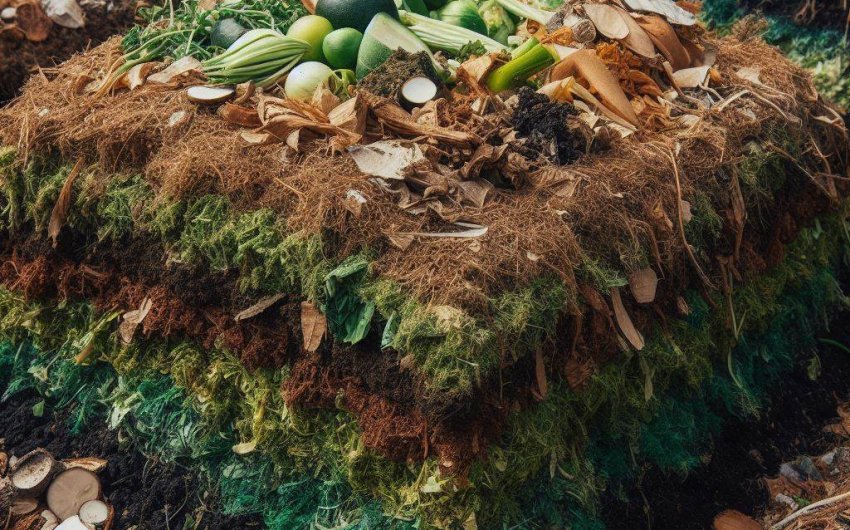
If you've ever looked into composting, you've probably heard the terms "green materials" and "brown materials." These aren't just fancy gardening words; they're the secret ingredients to making great compost. Think of them as the two main food groups for the tiny workers in your compost pile – the microbes and bacteria that break down organic waste into rich, dark compost. Getting the right mix of these two types of materials is key to a successful composting journey.
Let's break down what each of these terms means, why they're so important, and how to use them to create fantastic compost for your garden.
Understanding the Basics of Composting
Before we dive into green and brown materials, let's quickly chat about what composting actually is. Composting is a natural process where organic materials, like food scraps and yard waste, decompose (break down) over time. This decomposition is done by tiny organisms like bacteria, fungi, and worms. When these materials break down, they turn into a nutrient-rich soil amendment called compost, often called "black gold" by gardeners.
Compost is amazing for your garden because it:
- Makes soil healthier.
- Helps soil hold water better.
- Adds important nutrients for plants.
- Reduces waste going to landfills.
To make this magic happen, your compost pile needs four main things:
- Organic materials: This is where our green and brown materials come in!
- Moisture: Like a wrung-out sponge – not too wet, not too dry.
- Air (Oxygen): The microbes need to breathe.
- Microbes: The tiny workers doing all the breaking down.
The balance of green and brown materials helps provide the right food and conditions for those microbes.
What Are Green Materials?
Green materials are basically your nitrogen-rich items. Think of them as the "wet," "fresh," or "nitrogen-heavy" ingredients in your compost recipe. These materials are often fresh, moist, and tend to be green in color, though not always. They are packed with nitrogen, which is a super important nutrient for the microbes that do the actual composting work. Nitrogen helps these microbes grow and multiply quickly, making the composting process happen faster.
Key characteristics of green materials:
- High in Nitrogen: This is their main role in the compost pile.
- Often Moist: They add water to the pile.
- Break Down Quickly: Because they are softer and richer in nitrogen, they decompose fast.
- Can Get Smelly: If you have too many green materials without enough browns, your pile can get slimy and smelly because there's not enough carbon to balance the nitrogen.
Common Examples of Green Materials:
Let's look at some everyday items you can toss into your compost bin that count as green materials:
- Food Scraps: This is a big one for most households. Think about all those things you usually throw away after meals or while cooking.
- Fruit and Vegetable Peels: Apple cores, banana peels, orange rinds, potato skins, carrot tops – all great.
- Expired Produce: That spinach that went bad, the tomatoes that got too soft.
- Coffee Grounds: Yes, used coffee grounds are considered green material because they are high in nitrogen. They also add a nice aroma to your pile. You can even get a Compost Bin with Filter for kitchen scraps.
- Tea Bags: Just make sure they are not made of plastic. Paper or natural fiber tea bags are best.
- Crushed Eggshells: While not high in nitrogen, eggshells add calcium and other minerals, and they break down slowly. Many composters lump them in with green materials as they are fresh food waste.
- Fresh Grass Clippings: If you mow your lawn, those fresh, green clippings are a perfect green material. Be careful not to add too much at once, as they can get matted and smelly. Spread them out or mix them well with browns.
- Weeds (Non-Seeding): If you're pulling weeds from your garden, as long as they haven't gone to seed, they can be added. Avoid weeds that have already produced seeds, as these seeds might survive the composting process and sprout in your garden later.
- Spent Garden Plants: After you've harvested your vegetables, the leftover plant matter (like tomato vines or bean stalks) can go into the compost.
- Manure (Herbivore): Manure from animals that eat plants (like chickens, cows, horses, or rabbits) is a fantastic green material. It's very rich in nitrogen. Avoid pet waste from carnivores (like dogs and cats) as it can contain pathogens.
- Green Leaves/Plant Trimmings: Freshly cut leaves or trimmings from non-diseased plants are also good.
What Are Brown Materials?
Now, let's talk about brown materials. These are your carbon-rich items. Think of them as the "dry," "woody," or "carbon-heavy" ingredients. They provide the main structure for your compost pile, helping with air circulation and preventing the pile from becoming a slimy, smelly mess. Carbon is also an essential food source for the microbes, giving them the energy they need to break down the materials.
Key characteristics of brown materials:
- High in Carbon: This is their main role in the compost pile.
- Often Dry: They absorb excess moisture from the green materials.
- Break Down Slower: They are tougher and take more time to decompose.
- Prevent Odors: They help balance the nitrogen from green materials, which prevents smells. They also create air pockets in the pile.
Common Examples of Brown Materials:
You'll find many brown materials right in your own yard or around your home:
- Dried Leaves: This is probably the most common and abundant brown material for many people. Fall leaves are fantastic for compost. You can store them in a bin or bag for use throughout the year. A Leaf Shredder can help them break down faster.
- Twigs and Small Branches: Break these into small pieces, or put them through a Wood Chipper Shredder for faster decomposition. The smaller the pieces, the quicker they break down.
- Straw: Great for adding bulk and structure.
- Shredded Newspaper/Cardboard: Avoid glossy paper or colored inks. Black and white newspaper and plain, uncolored cardboard (like cereal boxes or delivery boxes, torn into small pieces) are excellent brown materials. Remove any tape or labels.
- Sawdust/Wood Shavings: Make sure the wood is untreated. Avoid sawdust from pressure-treated lumber, as it contains chemicals.
- Pine Needles: These are a great brown material, but they break down slowly and can make your compost a bit more acidic. Use in moderation.
- Dead Plants/Spent Flowers: If you have plants that have died back or old flower arrangements, these are good brown materials.
- Hay (Old): Similar to straw, this is a good bulky brown material.
- Paper Towel/Toilet Paper Rolls: Shredded into small pieces.
- Dryer Lint: Can be used in small amounts, especially if you have a lot of natural fibers in your laundry.
- Old Cotton Clothes/Natural Fabrics: Rip these into small pieces. Make sure they are 100% cotton, wool, linen, or other natural fibers, and free of synthetic blends or dyes.
The Magic Ratio: Balancing Green and Brown Materials
Now for the crucial part: the ratio. To get your compost pile to heat up and decompose efficiently, you need to find the right balance between green and brown materials. This balance is often talked about in terms of the Carbon-to-Nitrogen ratio (C:N ratio).
For most backyard composters, a good general guideline is a ratio of 25-30 parts carbon to 1 part nitrogen. In simpler terms, this often translates to:
- About 2-3 parts brown materials for every 1 part green materials (by volume).
This isn't a hard and fast rule; composting is more art than strict science. You don't need a scale or measuring cups. Just eyeball it.
Why the Right Ratio Matters:
- Too Many Greens (Too Much Nitrogen): If you have too much green material and not enough browns, your compost pile can become:
- Slimy and Smelly: The microbes will have too much nitrogen, and they'll quickly consume it. Without enough carbon to balance it out, the pile becomes anaerobic (lacks oxygen), and it starts to putrefy, smelling like rotten eggs or ammonia. This is a common composting problem.
- Compacted: Wet green materials can compact, reducing air circulation, which again leads to smells.
- Too Many Browns (Too Much Carbon): If you have too much brown material and not enough greens, your compost pile will:
- Decompose Slowly: The microbes won't have enough nitrogen to grow and multiply quickly, so the breakdown process will be very slow, or it might not heat up at all.
- Stay Dry: Brown materials absorb moisture, so the pile might become too dry, slowing decomposition.
When you have the right mix, your compost pile will heat up. This heat is a sign that the microbes are actively working, breaking down the materials quickly and efficiently. A hot pile also helps kill off weed seeds and pathogens.
Building and Maintaining Your Compost Pile with Green and Brown Materials
Knowing what green and brown materials are is one thing; using them effectively is another. Here's how to incorporate them into your composting routine.
1. Layering or Mixing
Some people prefer to layer their compost materials, like making a lasagna. You might put down a layer of browns, then a layer of greens, and repeat. This can work, but a better approach, especially for beginners, is to mix your materials thoroughly. This helps ensure good contact between green and brown materials, better air circulation, and more even decomposition. If you have a Compost Tumbler, mixing is easy with a few turns. For a pile, use a Compost Aerator Tool.
2. The "Add as You Go" Method
Many home composters simply add materials as they become available. Keep a kitchen compost bin for food scraps (greens). When you add your kitchen scraps to the main pile, try to cover them with some brown material (like a handful of dry leaves or shredded paper) to help with smells and moisture balance.
3. Size Matters
The smaller your pieces of green and brown materials are, the faster they will break down. Large pieces of cardboard or thick branches will take a very long time to decompose. Shredding or chopping materials speeds up the process significantly. Use Garden Shears for small plant matter.
4. Maintain Moisture
Remember that Goldilocks principle for moisture? Too wet, and it gets smelly and anaerobic (lacks oxygen). Too dry, and the microbes go dormant, slowing the process to a crawl. The ideal moisture level is like a wrung-out sponge – damp but not dripping.
- If your pile seems too dry, add some water while turning it.
- If it seems too wet and smelly, add more brown materials and turn the pile to add air. The browns will soak up the excess moisture and provide more carbon.
5. Turn Your Pile Regularly
Turning your compost pile (mixing it up) does a few important things:
- Adds Oxygen: This is vital for the aerobic (oxygen-loving) microbes.
- Mixes Materials: Helps distribute the green and brown materials evenly.
- Speeds Up Decomposition: By providing fresh oxygen and mixing things, you encourage the microbes to work faster.
How often you turn depends on how fast you want your compost. For a hot, active pile, you might turn it every few days or once a week. For a slower pile, once a month or whenever you add a lot of new material is fine.
Common Composting Problems and How Green/Brown Materials Help
Understanding green and brown materials helps you troubleshoot common composting issues.
Problem 1: My Compost Pile Smells Bad (Like Ammonia or Rotten Eggs)
- Cause: Too many green materials (too much nitrogen) and not enough brown materials (carbon). It's likely gone anaerobic due to lack of oxygen.
- Solution: Add a generous amount of brown materials like dry leaves, shredded cardboard, or straw. Turn the pile thoroughly to introduce air and mix in the new browns. The browns will absorb excess moisture and balance the nitrogen.
Problem 2: My Compost Pile Isn't Breaking Down / It's Just Sitting There
- Cause: Not enough green materials (not enough nitrogen for microbes) or too dry.
- Solution: Add more green materials like food scraps, fresh grass clippings, or fresh manure. If it's also dry, add some water as you turn the pile. The added nitrogen will kickstart microbial activity and help the pile heat up.
Problem 3: My Compost Pile Is Too Wet and Slimey
- Cause: Too many green materials (too much moisture) or not enough air.
- Solution: Add more brown materials to absorb the excess moisture. Turn the pile to add air. Break up any compacted areas.
Problem 4: My Compost Pile Attracts Pests (Rats, Flies)
- Cause: Often happens when food scraps (especially meat, dairy, or oily foods, which you should avoid) are not buried or covered properly.
- Solution: Always bury your green materials (especially food scraps) deep within the compost pile and cover them with a layer of brown materials. This helps deter pests and also reduces odors. Avoid adding meat, dairy, or oily foods to your backyard compost unless you have a specialized sealed Compost Bin designed for them.
A Note on What NOT to Compost
While most organic matter can be composted, there are some things you should generally avoid in a home compost pile to prevent problems:
- Meat, Bones, Fish, Dairy Products, Oily Foods: These can attract pests, create foul odors, and can contain pathogens that might not be killed in a typical home compost pile.
- Diseased Plants: Pathogens from diseased plants can survive composting and spread disease to your garden when you use the finished compost.
- Weeds with Seeds: As mentioned, seeds might survive and sprout in your garden.
- Pet Waste (Dog and Cat Feces): Can contain harmful pathogens and parasites.
- Chemically Treated Wood/Lawn Clippings: Avoid anything treated with pesticides, herbicides, or wood preservatives, as these chemicals can harm your plants and the composting microbes.
- Glossy Paper/Magazines: Contain inks and coatings that are not good for your compost.
- Coal Ash or Charcoal Briquette Ash: Can contain harmful substances. Wood ash from a fireplace is generally okay in small amounts.
The Reward: Rich, Nutrient-Filled Compost
Once you've mastered the balance of green and brown materials, and kept an eye on moisture and aeration, you'll eventually be rewarded with beautiful, dark, crumbly compost. It will have an earthy smell and no longer resemble the materials you put in. This finished compost is packed with nutrients and beneficial microbes, making it a fantastic amendment for your garden beds, potted plants, or even for top-dressing your lawn.
So, the next time you're about to throw away food scraps or bag up fallen leaves, remember the green and brown materials and their vital roles in composting. You'll be well on your way to creating your own "black gold" and a healthier, more vibrant garden.