
How to Start a Compost Bin in Winter Months?
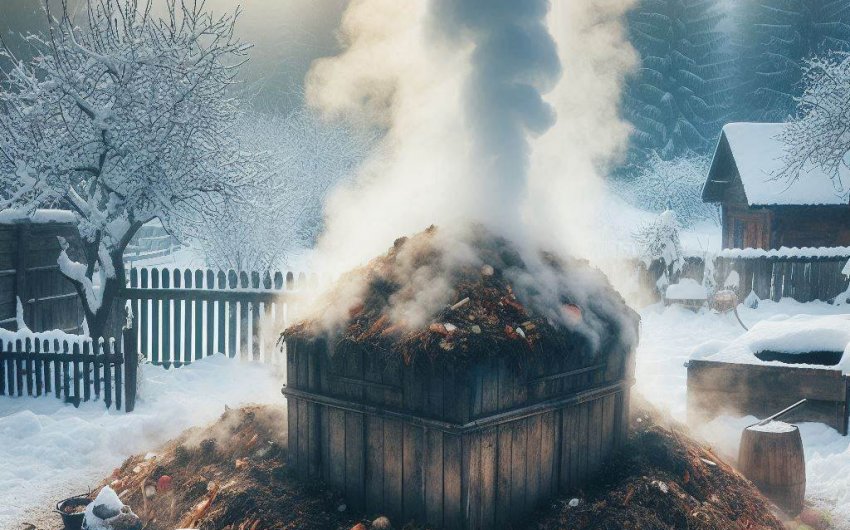
The thought of starting a compost bin might bring up images of warm spring days or sunny autumn afternoons. But what about when the temperatures drop, and snow starts to fall? Can you really begin composting in the dead of winter? The answer is a resounding yes! While the process might slow down, starting a compost bin in the colder months is absolutely doable and can give you a head start for next spring's gardening season.
Don't let the chill deter you. Winter composting is a great way to keep diverting food scraps from landfills and continue building that valuable "black gold" for your garden. It just requires a few tweaks to your usual composting strategy. Let's explore how to get your compost bin up and running even when Jack Frost is nipping at your nose.
Why Start Composting in Winter?
You might wonder why bother starting now when it's cold. There are several excellent reasons to embrace winter composting:
- Reduces Winter Waste: Even in winter, you produce kitchen scraps. Composting keeps them out of the trash.
- Ready for Spring: By starting your compost bin in winter, you'll have a more mature pile when spring arrives. This means you'll have a head start on producing finished compost for your spring planting.
- Builds Good Habits: Composting takes consistency. Starting in winter helps you get into the routine of collecting and adding materials, making it a natural habit by the time warmer weather arrives.
- Takes Advantage of Materials: You might have saved up a good amount of brown materials (like fallen leaves) from the autumn, which are perfect for starting a winter pile.
- Compost Still Works (Slowly): While the microbial activity slows down significantly, it doesn't stop completely, especially if you build it correctly. And it will really kick into gear once spring hits.
Understanding Winter Composting Challenges
Before we dive into the "how," let's acknowledge the main challenge: cold temperatures. The tiny microbes that do the actual work of composting are less active in the cold. This means your compost pile might not "heat up" in the way it would in summer, and decomposition will be slower. You likely won't see steam rising from your pile in winter.
However, the goal of winter composting is often more about containment and storage of materials than rapid decomposition. You're building a foundation that will activate fully once the weather warms up.
Step 1: Choosing the Right Compost Bin for Winter
Your choice of compost bin can make a difference in how easy and effective your winter composting is.
Enclosed Bins or Tumblers:
- Pros: These are excellent for winter composting. They offer better insulation against the cold, helping to retain any heat generated by the microbes. They also keep out pests and prevent your materials from getting too wet from snow or rain. A Compost Tumbler is particularly good because it allows you to easily mix the materials, even if they are frozen.
- Cons: Can be more expensive. Large volumes of frozen material can make turning difficult.
- Recommendation: If you're buying a new compost bin specifically for year-round use, an enclosed bin or tumbler is a great choice. Look for models with good insulation.
Open Bins or Piles:
- Pros: Very affordable or free to build. Can handle large volumes of material.
- Cons: Less insulation, meaning decomposition will be slower and more prone to freezing solid. More exposed to weather and potential pests.
- Recommendation: If you have an existing open compost pile, you can certainly continue to use it. Just be aware it will largely be a "holding pen" for materials until spring. You can add extra insulation around the outside with straw bales or old blankets.
Locating Your Winter Compost Bin:
- Accessibility: Choose a spot that's easy to get to, even when there's snow on the ground. You'll be making regular trips with kitchen scraps.
- Shelter: A spot that's somewhat sheltered from harsh winds can help retain a tiny bit of heat.
- Sunlight: While not as critical as in summer, a spot that gets some winter sun can help slightly warm the bin.
- Drainage: Ensure the spot has good drainage so water from melting snow doesn't pool around your bin.
Step 2: Gathering Your Materials – The Green and Brown Balance
This is the most critical part of successful composting, especially in winter. You need a good mix of green materials (nitrogen-rich, like kitchen scraps) and brown materials (carbon-rich, like leaves or shredded paper).
Green Materials (Nitrogen):
These are your fresh, "wet" materials that activate the microbes. In winter, your main source will likely be kitchen scraps.
- Fruit and Vegetable Scraps: Peels, cores, wilted produce, etc.
- Coffee Grounds and Filters: Excellent source of nitrogen.
- Tea Bags: (Ensure they are not plastic-based).
- Crushed Eggshells: Add calcium; while not nitrogen-rich, they are food waste.
- Avoid: Meat, dairy, bones, and oily foods are generally not recommended for home compost bins, especially in winter, as they can attract pests and create odors when decomposition is slow.
Brown Materials (Carbon):
These are your "dry," woody materials that provide structure and absorb moisture. Having a good stockpile of brown materials before winter hits is crucial.
- Fallen Leaves: If you collected and stored them in autumn, you're in luck! Store them in large trash bags or a dedicated bin. A Leaf Shredder can help break them down faster.
- Shredded Newspaper: Black and white sections are best. Avoid glossy paper.
- Shredded Cardboard: Plain cardboard, like from delivery boxes (remove tape and labels), torn into small pieces.
- Straw or Hay: Excellent for bulk and aeration. You can find bales at garden centers or farm supply stores.
- Pine Needles: Can be used, but use in moderation as they decompose slowly and can make compost more acidic.
- Wood Shavings/Sawdust: From untreated wood only.
The Winter Ratio:
In warm weather, a 2-3 parts brown to 1 part green ratio (by volume) is common. In winter, it's often a good idea to lean slightly heavier on the brown materials. This helps:
- Insulate: More browns create more air pockets, which helps trap warmth.
- Absorb Moisture: Prevents the pile from becoming a frozen, solid block from too many wet greens.
- Prevent Odors: Slower decomposition means a higher risk of anaerobic conditions if too many wet greens are present.
Tip: Have a separate container of dry brown materials (like shredded leaves or newspaper) next to your compost bin or close to your back door. Every time you add kitchen scraps, cover them with a generous layer of browns. This is key for managing smells and moisture.
Step 3: Building Your Winter Compost Pile
Starting your pile in winter is similar to other seasons, but with a few winter-specific considerations.
1. Start with a Base Layer:
Lay down a good 6-12 inch layer of coarse brown materials (like twigs, small branches, or straw) at the bottom of your compost bin. This provides good drainage and aeration, preventing the base from becoming a frozen, soggy mess.
2. Begin Adding Materials:
- Layer or Mix: You can layer greens and browns, but it's often better to mix them as thoroughly as possible. For a tumbler, just keep adding. For an open bin, try to distribute new materials evenly.
- Small Pieces are Best: The smaller the pieces of your materials, the faster they will break down. If possible, chop up food scraps and shred leaves or cardboard. A food scrap disposer can help.
- Cover All Green Materials: This is crucial. Every time you add kitchen scraps (green materials), make sure to cover them completely with a layer of brown materials. This helps insulate them, prevents odors, and deters pests. You can even keep a small Compost Bin with Filter near your kitchen.
3. Add a "Compost Activator" (Optional but Helpful):
While not strictly necessary, adding a shovel full of finished compost (if you have some), garden soil, or a specific Compost Starter can introduce beneficial microbes to your new pile. This gives it a microbial "kickstart" that will be ready to work once temperatures rise.
4. Moisture Level:
Maintain a moisture level like a wrung-out sponge. If your green materials are very wet, add extra browns. If the pile seems very dry, you can add a small amount of warm water, but be careful not to make it soggy, as it will freeze.
5. Consider a "Thermal Mass":
For extra insulation, some composters will put an old blanket, tarp, or even a layer of straw bales around the outside of their compost bin (especially an open bin). This can help trap whatever heat is generated and slow down freezing. For an enclosed bin, you can simply ensure the lid is always securely closed.
Step 4: Maintaining Your Compost Bin in Winter
Maintenance in winter is a bit different from summer.
Turning the Pile:
- Less Frequent: Don't expect to turn your pile as often as you would in warmer months. The microbes are slow, and the pile likely won't be heating up.
- When to Turn: If you have an enclosed tumbler, you might give it a few turns every week or so, especially after adding a new batch of materials. For an open pile, turning might only happen once a month, or when the weather is milder, or even just waiting until spring. If the pile is frozen solid, you might not be able to turn it at all.
- Benefits of Turning (Even in Cold): Turning still helps mix the materials, adds a little oxygen, and can prevent large blocks of frozen material. Use a sturdy Compost Aerator Tool if possible.
Adding New Materials:
- Be Consistent: Keep adding your kitchen scraps.
- Chop and Cover: Continue to chop scraps into smaller pieces and always cover them with brown materials. This is the best way to prevent odors and discourage pests, especially when decomposition is slow.
- Thaw Frozen Materials (Optional): If your kitchen scraps are frozen into a solid block in your collection pail, you might consider letting them thaw slightly before adding them to the main bin, or chop them with a shovel if the bin is big enough to manage. This helps them mix in better.
What to Expect:
- Slow or No Heat: Your pile likely won't get hot and steamy like it does in summer. This is normal.
- Freezing: Parts of your pile, especially the outer layers, may freeze solid. This is also normal. It just means the decomposition process will pause until things warm up. The microbes aren't dead; they're just on a winter break.
- Less Volume Reduction: Because decomposition is slow, your pile won't shrink as quickly as it would in warmer weather.
Troubleshooting Winter Composting Problems
Even with the best planning, you might run into a few issues.
Problem 1: My Compost Bin is Frozen Solid!
- Cause: Very cold temperatures combined with wet materials.
- Solution: Don't worry, it's not ruined. The microbes are just dormant. Continue to add materials on top. When spring arrives, it will thaw, and decomposition will restart. You might want to break it up with a Garden Pick if it is a large pile and you want to speed up thawing.
Problem 2: My Compost Bin Smells Bad in Winter.
- Cause: Too many green materials (especially those with strong odors) without enough brown materials to balance them, or not enough air.
- Solution: Immediately add a generous layer of brown materials and mix them in if possible. Make sure you are always covering kitchen scraps with browns when you add them. If it's a closed bin, ensure the lid is sealed.
Problem 3: Pests are Visiting My Compost Bin.
- Cause: Uncovered food scraps, especially attractive items like meat or dairy (which should be avoided anyway).
- Solution: Always bury new food scraps deep within the pile and cover them thoroughly with brown materials. If you have an open pile, consider switching to an enclosed compost bin or even a worm bin indoors for winter to minimize pest access.
Preparing for Spring
When spring finally arrives and temperatures consistently rise above freezing, your winter compost pile will suddenly "wake up."
- Turn it Regularly: Start turning your pile more frequently to introduce oxygen and activate the microbes.
- Check Moisture: Add water if it seems too dry after thawing.
- Add More Greens: As garden activity picks up, you'll have more green materials like fresh grass clippings or early weeds, which will really get the pile cooking.
By following these tips, you'll successfully navigate composting through the coldest months, and come spring, you'll be well on your way to having a fantastic batch of nutrient-rich compost ready to nourish your garden. So, don't put off your composting efforts; embrace the winter challenge!