
Best Watering Cans for Indoor Plants
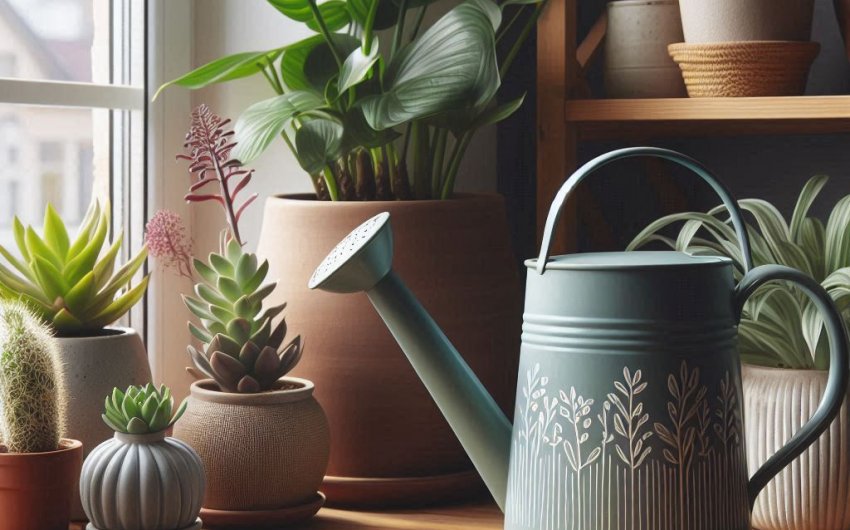
Choosing the best watering cans for indoor plants is a decision that impacts not only the health of your beloved greenery but also the ease and enjoyment of your plant care routine. Far beyond mere aesthetics, the right watering can offers precise control, comfortable handling, and ergonomic design, ensuring that each plant receives exactly the hydration it needs without spills or splashes. From delicate succulents to thirsty tropicals, the ideal vessel makes nurturing your indoor jungle a truly seamless experience.
Why Does My Choice of Watering Can Matter?
The seemingly simple act of watering your indoor plants is profoundly affected by the type of watering can you choose. It's more than just a container for water; it's a tool that dictates precision, efficiency, and ultimately, the health of your plants. Understanding why your choice of watering can matters is the first step to finding the best watering cans for indoor plants.
How Does It Affect Plant Health?
The design of your watering can directly impacts the health of your indoor plants by influencing how accurately and gently you deliver water.
- Preventing Overwatering/Underwatering: A can with precise control allows you to deliver exact amounts of water, preventing both the detrimental effects of overwatering (root rot) and underwatering (dehydration).
- Root Health: A thin, elongated spout directs water to the soil surface, preventing direct splashing onto delicate foliage, which can lead to fungal diseases. It also ensures water reaches the root zone rather than just sitting on the surface.
- Even Saturation: A well-designed spout allows for an even, gentle flow, ensuring the entire soil ball gets properly saturated without creating dry pockets or runoff.
How Does It Impact Your Watering Routine?
The right watering can can make your plant care routine significantly more enjoyable and efficient.
- Comfort and Ergonomics: A comfortable handle and balanced design reduce hand and wrist strain, especially when watering many plants.
- Preventing Spills: A non-drip spout and a well-designed fill opening minimize spills and splashes, keeping your home clean and preventing damage to furniture or floors.
- Accuracy: A long, narrow spout allows you to reach plants on high shelves or in dense arrangements without bumping into other pots or foliage.
- Time-Saving: An appropriate capacity reduces the number of refills, while a good flow rate allows for quick, yet controlled, watering.
Why Are Different Spouts Important?
The spout design is one of the most critical features of an indoor watering can.
- Long, Narrow Spout: Essential for reaching precisely into pots with dense foliage, delivering water accurately to the soil line. It also provides a gentle, controlled flow, preventing erosion of the potting mix.
- Small Opening: A small opening at the spout's end ensures a fine, controlled stream, preventing gushes of water that can disturb the soil or overfill small pots.
- Nozzle (Rose): Some indoor watering cans come with a detachable "rose" (a perforated sprinkler head) for gentle, rain-like watering of delicate seedlings or for providing humidity around plants. However, for most established houseplants, the direct pour from the narrow spout is preferred.
What is the Ideal Capacity?
The capacity of the watering can should match the number and size of your indoor plants.
- Too Small: A can that is too small means constant refills, which can be tedious and time-consuming if you have many plants.
- Too Large: A can that is too large will be heavy and unwieldy, causing strain and potentially leading to spills.
- Balance: For most indoor gardeners, a capacity of 0.5 to 1.5 liters (16 to 50 ounces) is ideal. This provides enough water for several plants without being too heavy. For very extensive collections, two cans (one larger, one smaller) might be beneficial.
Considering these factors underlines how a well-chosen watering can is an investment in both your plant's vitality and your gardening pleasure, guiding your search for the best watering cans for indoor plants.
What Are the Best Materials for Indoor Watering Cans?
The material of your watering can significantly influences its durability, weight, aesthetic appeal, and overall performance for indoor plants. Each material offers distinct advantages and disadvantages, guiding your choice for the best watering cans for indoor plants that fit your style and needs.
What Are the Pros and Cons of Plastic Watering Cans?
Plastic watering cans are the most common and often the most budget-friendly option.
- Pros:
- Lightweight: Easy to carry, even when full, reducing strain.
- Affordable: Very economical, making them accessible for all budgets.
- Durable: Generally shatterproof if dropped, resisting dents and rust.
- Variety: Available in an endless array of colors, shapes, and sizes.
- Translucent Options: Some plastic cans are translucent, allowing you to see the water level. A small plastic watering can is easy to find.
- Cons:
- Aesthetics: Can sometimes look less elegant or sophisticated than metal options, depending on the design.
- Less Sturdy Feel: May feel less substantial than metal.
- UV Degradation: Cheaper plastics can become brittle or discolored over time if consistently exposed to direct sunlight (though less of an issue indoors).
What Are the Pros and Cons of Metal Watering Cans?
Metal watering cans, typically made from stainless steel, galvanized steel, or copper, offer durability and a classic aesthetic.
- Pros:
- Durability: Very robust and long-lasting, resistant to cracking or breaking.
- Aesthetics: Often have a timeless, elegant, or modern look, making them decorative objects even when not in use. Stainless steel watering cans are particularly sleek.
- Weight: Can provide a stable feel, reducing wobbliness.
- Cons:
- Heavier: Can become quite heavy when full, potentially causing strain for those with many plants or weaker grip.
- Cost: Generally more expensive than plastic options.
- Rust/Corrosion: Galvanized steel is rust-resistant but can rust if the coating is compromised. Copper develops a patina over time. Stainless steel is the most resistant to rust.
- Dents: Can dent if dropped, especially softer metals like copper or thin steel.
What About Ceramic Watering Cans?
Ceramic or stoneware watering cans are less common but prized for their unique artistic appeal.
- Pros:
- Highly Decorative: Often beautiful artisanal pieces that double as home decor.
- Weight: Can be quite substantial, offering good stability.
- Cons:
- Fragility: Very prone to breaking if dropped or knocked.
- Heavy: Can be very heavy, making them difficult to handle when full.
- Less Functional Spouts: Spouts may not always be designed for precise, non-drip pouring compared to purpose-built plastic or metal cans.
- Cost: Often the most expensive option.
Considering these material attributes, balanced against your budget, personal style, and physical capabilities, will help you determine the best watering cans for indoor plants for your home.
What Key Features Should I Look For?
Beyond material, the functionality and ease of use of a watering can are defined by several key features. To select the best watering cans for indoor plants, it's crucial to examine these design elements closely, ensuring they support precise watering and a comfortable experience.
Why is Spout Design Important?
The spout design is arguably the most critical feature for an indoor watering can, directly impacting water delivery and plant health.
- Long and Thin: Look for a long, slender spout that allows you to direct water precisely to the soil line of individual pots, even those nestled in dense foliage or on high shelves. This prevents water from splashing onto leaves (which can encourage fungal diseases) or spilling onto floors.
- Narrow Opening: A narrow opening at the end of the spout ensures a gentle, controlled stream of water. This prevents erosion of the potting mix, overfilling small pots, or creating channels in the soil that lead to uneven watering.
- Non-Drip Design: The spout should have a design that prevents drips after you stop pouring. This keeps your floors and surfaces clean.
What About Handle Design and Ergonomics?
A comfortable and well-balanced handle design is essential for ease of use, especially if you have many indoor plants or large ones.
- Ergonomics: The handle should fit comfortably in your hand, allowing for a natural grip that minimizes wrist strain.
- Balance: When the can is full, it should feel balanced in your hand, not too heavy or awkward. A well-designed can will have its weight distributed evenly as the water level changes.
- Open vs. Closed Handles: Some cans have a continuous, open loop handle, while others have a closed handle with a separate grip. Choose what feels most secure and comfortable for you. A long spout watering can with ergonomic handle is highly recommended.
How Does Capacity and Fill Opening Matter?
- Capacity: As discussed, choose a capacity that matches your needs – typically 0.5 to 1.5 liters for most indoor plant collections. This minimizes refills without making the can too heavy.
- Fill Opening: The opening where you pour water into the can should be wide enough to prevent spills when filling from a tap or pitcher. A larger opening makes refilling quicker and less messy. Some designs have an opening that is also easy to clean if mineral buildup occurs.
What About Aesthetic Appeal?
While functionality is key, the aesthetic appeal of your watering can is also important, especially since it often sits out as part of your home decor.
- Match Decor: Choose a color, material, and style that complements your interior design. A sleek stainless steel can might fit a modern home, while a rustic copper can or a simple plastic one in a vibrant color could suit a more eclectic space.
- Consider Placement: If the can will be displayed prominently, aesthetics become more important. If it will be stored away, practicality might take precedence.
Are There Other Features to Look For?
- Detachable Rose (Sprinkler Head): While often not needed for most houseplants, a removable rose can be useful for gently watering delicate seedlings or providing a mist-like spray for humidity-loving plants.
- Material Quality: Regardless of the type, choose a well-constructed can with sturdy seams and durable components to ensure it lasts.
- Measurement Markings: Some cans have subtle measurement markings inside, which can be helpful for precise watering or when adding liquid fertilizer.
By carefully evaluating these key features, you can confidently select the best watering cans for indoor plants that enhance both your plant care efficiency and your home's aesthetic.
What Are the Best Watering Can Brands and Models?
Navigating the vast market of watering cans for indoor plants can be overwhelming. To help you choose the best watering cans for indoor plants, here are some top brands and models consistently praised for their design, functionality, and durability, catering to various needs and budgets.
Which Brands Offer Ergonomic and Functional Designs?
Several brands excel at creating watering cans that prioritize both user comfort and effective water delivery for indoor plants.
- Haws: A legendary British brand, Haws is synonymous with high-quality, elegant watering cans. Their indoor models, often made of galvanized steel or copper, feature perfectly balanced designs and long, thin spouts that deliver a precise, non-drip stream. They are an investment but are built to last a lifetime and are highly aesthetic. The Haws Copper Indoor Watering Can is a gardener's dream.
- Fiskars: Known for ergonomic design across their tools, Fiskars offers plastic watering cans with comfortable, often soft-grip handles and well-engineered spouts that provide good control without dripping. They are a reliable and affordable choice.
- Ikea (SOCKER series): While a budget option, Ikea's SOCKER watering cans (often galvanized steel) are surprisingly well-designed for indoor plants, featuring a long, narrow spout and a comfortable handle, making them a popular, stylish, and inexpensive choice.
Which Brands Focus on Modern Aesthetics?
For those prioritizing a sleek, contemporary look for their watering can that complements modern home decor, certain brands stand out.
- Blomus: This German brand offers minimalist, stainless steel watering cans with clean lines and a polished finish. They are designed to be as much a decorative object as a functional tool, fitting perfectly into modern interiors.
- Menu (Watering Can by Norm Architects): A Danish design brand, Menu creates extremely elegant and sculptural watering cans, often in stainless steel, that are true works of art. They are designed to be displayed.
- Umbra: Offers innovative and aesthetically pleasing plastic watering cans that often incorporate unique shapes and modern color palettes, combining style with practicality at a mid-range price point. A great modern watering can by Umbra will look good in any room.
What are Reliable Budget-Friendly Options?
You don't need to break the bank to find a functional and effective watering can for indoor plants.
- Behrens: While often larger, some of their galvanized steel cans can be found in smaller sizes suitable for indoor use. They are durable, classic, and very affordable.
- Amazon Basics/Generic Brands: Many generic plastic watering cans available on Amazon or at local nurseries offer excellent basic functionality with a long spout and ergonomic handle at a very low price. Look for good reviews focusing on spout control.
- Local Nursery Brands: Often carry private-label plastic or small metal watering cans that are well-suited for indoor plants and are usually very reasonably priced.
What About Specialty Features?
For specific needs, certain models or types offer specialized features:
- Self-Watering Reservoir Cans: While not a "watering can" in the traditional sense, systems like those found with self-watering plant pots can reduce the need for constant manual watering.
- Integrated Nozzle: Some cans come with a detachable "rose" (sprinkler head) for delicate tasks like watering seedlings or providing a fine spray.
- Small Size for Succulents: For very small plants, like succulents or air plants, consider a miniature watering can or even a squeeze bottle for succulents for incredibly precise application.
By exploring these top brands and considering their specific strengths, you'll be well-equipped to select the best watering cans for indoor plants that enhance both your plant care routine and your home's aesthetic.
How Do I Maintain My Indoor Watering Can?
Proper maintenance of your indoor watering can is essential to ensure its longevity, prevent issues like clogs or rust, and keep it performing optimally for your indoor plants. A little care goes a long way in preserving your investment and keeping your watering routine seamless.
How Often Should I Clean My Watering Can?
The frequency of cleaning depends on your water source and how often you use the can.
- Regular Rinse: After each watering session, it's a good practice to empty any remaining water and give the can a quick rinse. This prevents stagnant water buildup, which can lead to algae or bacterial growth.
- Monthly Deep Clean: Aim for a more thorough cleaning once a month, or more frequently if you notice mineral buildup, algae, or an unusual smell.
- After Fertilizing: If you use liquid fertilizer in your watering can, clean it immediately and thoroughly after each use to prevent residue buildup, which can clog the spout or lead to unwanted plant nutrient issues if not rinsed.
How Do I Prevent Mineral Buildup?
Mineral buildup (often appearing as white, chalky deposits) is common, especially if you use hard tap water. It can clog spouts and leave unsightly marks.
- Use Filtered Water: Whenever possible, use filtered water, rainwater, or distilled water for your indoor plants. This significantly reduces mineral accumulation in your can and is also better for most plants. A Brita filter pitcher can be used to filter tap water.
- Vinegar Soak: For existing mineral buildup, fill the can with a solution of equal parts white vinegar and water. Let it sit for several hours or overnight. For stubborn clogs in the spout, you can try to push a pipe cleaner or thin brush through it.
- Scrubbing: Use a bottle brush or sponge to scrub the inside of the can and the spout to remove loosened deposits. Rinse thoroughly with clean water afterward.
How Do I Prevent Rust in Metal Cans?
Rust is a primary concern for metal watering cans, especially those made of galvanized steel or tin. Stainless steel is highly rust-resistant.
- Dry Completely: The most important step is to empty the can completely after each use and allow it to air dry thoroughly, both inside and out. Don't let water sit in the can for extended periods.
- Avoid Scratches: Be careful not to scratch the galvanized coating on steel cans, as this can expose the underlying metal to rust.
- Rust-Proofing (for non-stainless steel): For very long-term storage or if you notice minor rust, you can apply a very thin coat of mineral oil to the interior and exterior of non-stainless steel cans after they are completely dry.
- Copper Patina: Copper cans will naturally develop a greenish-blue patina over time. This is not rust and is generally considered desirable, enhancing the can's aesthetic appeal.
Where Should I Store My Watering Can?
Proper storage helps maintain your watering can's condition.
- Dry Location: Store your watering can in a cool, dry place when not in use. Avoid storing it outdoors where it's exposed to rain, humidity, or extreme temperatures.
- Empty: Always store it completely empty.
- Display or Put Away: If it's a beautiful can, you might display it as part of your decor. If not, tuck it away in a cabinet or utility closet.
By following these simple maintenance practices, your chosen best watering cans for indoor plants will remain a clean, functional, and aesthetically pleasing tool for years to come.