
How to Clean Rusty Gardening Tools Effectively?
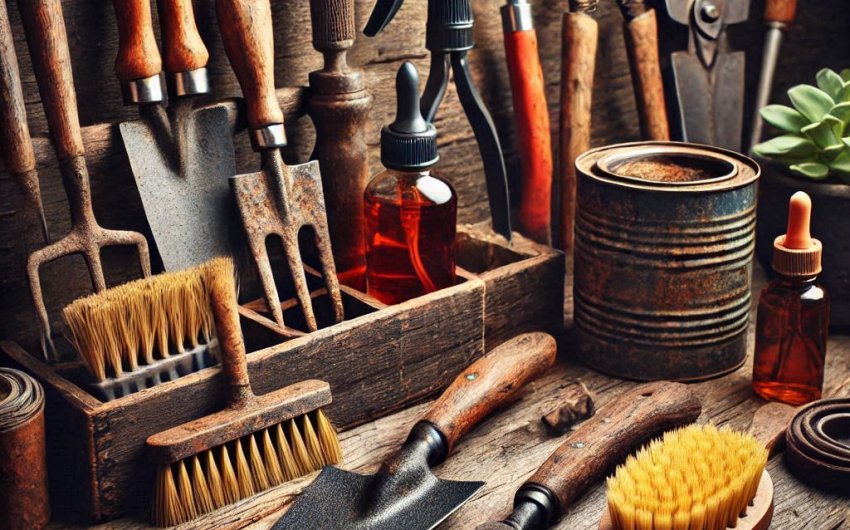
Observing a layer of reddish-brown oxidation on your trowel, pruners, or shovel can be disheartening, signaling a decline in their performance and longevity. Learning how to clean rusty gardening tools effectively is not only crucial for restoring their functionality but also for extending their lifespan and preventing the spread of plant diseases. This guide delves into various methods, from simple household remedies to more specialized techniques, ensuring your essential garden implements remain sharp, clean, and ready for use.
Why Do Gardening Tools Rust?
Rust, the common enemy of many metal objects, frequently afflicts gardening tools due to the very nature of their use. Understanding precisely why and how rust forms is the first step in learning how to clean rusty gardening tools effectively and, more importantly, how to prevent it from happening in the first place.
What is Rust (Oxidation)?
Rust is a common term for iron oxide, a chemical compound formed when iron or steel (an alloy of iron) reacts with oxygen and water (or moisture) in a process called oxidation. This reaction results in a flaky, reddish-brown coating that degrades the metal.
- The Chemical Process: Iron atoms lose electrons to oxygen atoms. Water acts as a catalyst, speeding up this reaction significantly. The presence of salts, acids, or other contaminants in the water can further accelerate the rusting process.
- Why it's a Problem: Rust weakens the metal, making tools brittle and prone to breaking. It also creates a rough, uneven surface that makes cutting, digging, or pruning much less efficient and more difficult. Rust can also harbor plant pathogens.
What Factors Accelerate Rust on Gardening Tools?
Gardening tools are particularly susceptible to rust due to their constant exposure to the very elements that cause it.
- Moisture: This is the primary culprit. Leaving tools outdoors in the rain, or putting them away wet after use, exposes them to water. Even high humidity can cause rust over time.
- Soil Contact: Soil often contains moisture, salts, and acids that can adhere to tool surfaces and accelerate oxidation. Leaving soil caked onto tools is a sure fire way to promote rust.
- Plant Sap/Residue: Plant sap contains sugars and other organic compounds that can become sticky, attract moisture, and create an environment conducive to rust formation if not cleaned off.
- Poor Storage: Storing tools in damp sheds, garages, or directly on the ground (where they absorb ground moisture) provides an ideal environment for rust to develop.
- Lack of Maintenance: Failing to regularly clean, dry, and oil tools after each use allows moisture and debris to sit on metal surfaces, initiating the rusting process. Even tools made of "stainless steel" (which is rust-resistant, not rust-proof) can eventually develop surface rust if neglected.
Recognizing these factors is key to both knowing how to clean rusty gardening tools effectively and preventing future rust issues.
What Supplies Do You Need to Clean Rusty Tools?
Before diving into the actual cleaning process, gathering the right supplies is essential. Having everything on hand will make the job smoother and more effective when learning how to clean rusty gardening tools effectively. Many of these items are common household products or easily found at hardware stores.
Abrasive Materials for Scrubbing
These physically remove rust through friction.
- Wire Brush: Excellent for scrubbing off loose or flaky rust from larger surfaces. A stiff wire brush is invaluable.
- Steel Wool: Finer than a wire brush, good for more detailed work and lighter rust. Use fine-grade steel wool for less abrasive cleaning.
- Sandpaper: Various grits (e.g., 80-grit for heavy rust, 120-220 grit for lighter rust and smoothing).
- Scrub Pad/Sponge with Abrasive Side: For lighter rust on smooth surfaces.
- Pumice Stone: Can be surprisingly effective for rubbing off rust without excessive scratching.
Rust-Removing Agents (Acids/Chemicals)
These work chemically to dissolve rust. Always use with caution and proper ventilation.
- White Vinegar: A weak acid that is very effective for soaking rusty tools. Inexpensive and readily available. You can buy large jugs of white vinegar for this purpose.
- Citric Acid (Powder): A stronger acid than vinegar when mixed with water. Food-grade and relatively safe.
- Oxalic Acid (Rust Remover): More potent than vinegar or citric acid, often found in commercial rust removers. Use with great care and follow instructions precisely.
- Baking Soda: When mixed with water to form a paste, it's a mild abrasive and can help loosen rust.
- Commercial Rust Removers: Products like CLR (Calcium Lime Rust remover) or specific rust converter/remover gels. These often contain stronger chemicals and require strict adherence to safety guidelines.
Lubricants and Protectants
After cleaning, protecting the metal is key.
- Machine Oil (e.g., 3-in-1 oil): For lubricating moving parts and a thin protective coating.
- Mineral Oil: A food-safe option for tools used with edible plants.
- Linseed Oil: Can be used to condition wooden handles and provides some water resistance.
- WD-40: Good for loosening rusted parts and providing short-term protection. A spray can of WD-40 is always handy.
- Silicone Spray: Creates a water-repellent barrier on metal surfaces.
Safety Gear
Always prioritize personal safety.
- Gloves: Heavy-duty rubber gloves for chemical use, and general work gloves for scrubbing.
- Eye Protection: Safety glasses or goggles to protect against splashes or flying rust particles.
- Ventilation: Work in a well-ventilated area, especially when using chemical removers.
Miscellaneous Items
- Buckets/Tubs: For soaking tools.
- Old Towels/Rags: For drying and wiping.
- Wire Brush/Scraper (for handles): For cleaning dirt and grime from wooden or plastic handles.
- Steel Wool or Fine Sandpaper: For smoothing wooden handles.
Having all these supplies ready will make the process of how to clean rusty gardening tools effectively much smoother and safer.
How Do You Clean Light Rust with Household Items?
For tools with light or surface rust, common household items can be surprisingly effective and are a great starting point for learning how to clean rusty gardening tools effectively. These methods are generally safer and more environmentally friendly than harsh chemicals.
Vinegar Soak
White vinegar is a weak acid that reacts with iron oxide, dissolving the rust.
- Preparation: Remove any large clumps of dirt or grime from the tools. If tools have wooden handles, try to keep them out of the vinegar soak, or soak only the metal parts.
- Soak: Submerge the rusty metal parts of your tools completely in a container filled with white vinegar. For very light rust, a few hours may suffice. For moderate rust, soak overnight (8-12 hours).
- Scrub: After soaking, remove the tools. The rust should be softened. Use a wire brush, steel wool, or an abrasive scrub pad to scrub away the loosened rust. It should come off relatively easily.
- Rinse and Dry: Thoroughly rinse the tools with clean water to remove all vinegar residue. Immediately dry them completely with a clean towel to prevent new rust from forming.
- Oil: Apply a thin coat of machine oil or mineral oil to all metal surfaces.
Baking Soda Paste
Baking soda is a mild abrasive that can help lift rust.
- Preparation: Mix baking soda with a small amount of water to create a thick paste.
- Apply: Apply the paste generously to the rusty areas of your tools, ensuring they are well-covered.
- Wait: Let the paste sit on the rust for a few hours, or even overnight, to allow it to work.
- Scrub: Use a wire brush, steel wool, or an old toothbrush to scrub off the rust. The paste will help loosen and lift it.
- Rinse and Dry: Rinse thoroughly with clean water and immediately dry completely.
- Oil: Apply a protective layer of oil.
Lemon Juice and Salt
The acid in lemon juice, combined with the abrasive action of salt, can tackle rust.
- Preparation: Sprinkle coarse salt over the rusty areas of the tool.
- Apply Lemon Juice: Squeeze fresh lemon juice over the salt-covered rust, ensuring it's saturated. The salt helps the lemon juice adhere.
- Wait: Let the mixture sit for a few hours.
- Scrub: Use an old toothbrush, steel wool, or a wire brush to scrub the rust away.
- Rinse and Dry: Rinse thoroughly with clean water and immediately dry completely.
- Oil: Apply a protective layer of oil.
These simple methods are often all you need for light rust and are an excellent introduction to how to clean rusty gardening tools effectively.
How Do You Tackle Heavy Rust with Stronger Methods?
For gardening tools with stubborn or widespread rust, you'll need to employ more aggressive methods. These involve stronger chemical reactions or more intensive physical abrasion to effectively penetrate and remove the deep layers of oxidation, truly answering how to clean rusty gardening tools effectively in tougher cases.
Oxalic Acid (Commercial Rust Removers)
Oxalic acid is a common active ingredient in many commercial rust removers.
- Safety First: Always wear heavy-duty rubber gloves and eye protection. Work in a well-ventilated area. Read and follow the product's specific instructions, as concentrations vary.
- Preparation: Clean off any loose dirt or debris from the tools.
- Application:
- Powdered Oxalic Acid: Mix the powder with water according to package directions to create a solution or a paste.
- Liquid Rust Remover: Pour the solution into a non-metal container.
- Submerge the rusty tool parts in the solution, or apply the paste generously to the rusty areas.
- Soak/Wait: Allow the tools to soak for the recommended time (usually from 15 minutes to several hours, depending on the severity of the rust and the product's strength). Do not exceed the recommended time.
- Scrub: Remove the tools (wearing gloves!). Use a wire brush, coarse steel wool, or sandpaper to scrub away the loosened rust.
- Neutralize/Rinse: Thoroughly rinse the tools with plenty of clean water. Some oxalic acid products may recommend a baking soda rinse to neutralize any remaining acid. Immediately dry completely.
- Oil: Apply a protective layer of oil generously.
Electrolysis (for Severely Rusted Tools)
Electrolysis is a highly effective method for removing heavy rust without damaging the underlying metal. It uses an electric current to reverse the rusting process. This method requires a bit more setup and understanding of basic electrical safety.
- Safety First: This involves electricity and water. Extreme caution and adherence to safety guidelines are paramount. Use rubber gloves, eye protection, and work in a dry, safe area. Never mix electricity and water without proper knowledge and precautions.
- Setup:
- Plastic Container: Use a plastic tub large enough to submerge the tool.
- Electrolyte Solution: Fill the tub with water and add washing soda (sodium carbonate, NOT baking soda) at a ratio of 1 tablespoon per gallon of water.
- Sacrificial Anode: Place a piece of scrap steel (like rebar or an old steel plate – NOT stainless steel) in the solution. This is the positive electrode (anode). Ensure it does not touch the rusty tool.
- Rusty Tool: Suspend the rusty tool in the solution, ensuring it doesn't touch the anode or the bottom of the container. This is the negative electrode (cathode).
- Power Source: You need a DC power supply, like a battery charger (e.g., 12V car battery charger). Connect the positive (+) terminal of the charger to the sacrificial anode and the negative (-) terminal to the rusty tool.
- Process: Plug in the charger. Bubbles will form around the tool (hydrogen) and the anode (oxygen). Rust will detach from the tool and typically form a muddy sludge at the bottom or collect on the anode.
- Duration: This can take several hours to a day or more, depending on the rust severity.
- Remove and Clean: Once the rust is gone, disconnect the power. Remove the tool, scrub off any remaining residue with a wire brush, rinse thoroughly, dry immediately, and oil heavily.
Wire Wheel/Grinder (for Heavy-Duty Tools)
For very stubborn, thick rust on robust tools like shovels or hoes, a wire wheel attachment on an angle grinder or bench grinder can quickly remove rust.
- Safety First: Always wear heavy-duty gloves, eye protection, and a full face shield. Be aware of sparks and flying metal fragments. Secure the tool being cleaned firmly.
- Technique: Gently press the rusty tool against the spinning wire wheel. The abrasive wires will quickly grind away the rust.
- Caution: This method is very aggressive. It can remove some underlying metal and create deep scratches if not used carefully. It's not suitable for delicate tools or cutting edges that need precision.
- Finish: After removing the bulk of the rust, clean, dry, and oil the tool immediately.
These stronger methods provide effective solutions for how to clean rusty gardening tools effectively when facing significant corrosion, but always remember that increased power comes with increased safety considerations.
How Do You Clean and Restore Wooden Handles?
While the focus on how to clean rusty gardening tools effectively is often on the metal parts, don't forget the wooden handles. Neglected handles can become rough, splintered, and uncomfortable to use, reducing the overall satisfaction of your tools. Restoring them ensures a comfortable and safe grip.
Cleaning Dirt and Grime
Wooden handles, especially those on shovels, hoes, and rakes, can accumulate a thick layer of dirt, grime, and even old paint.
- Scrubbing: Use a stiff wire brush or a scraper, or coarse sandpaper (60-80 grit) to remove caked-on dirt, loose paint, and rough patches.
- Soap and Water (Slightly Damp Cloth): For lighter dirt, wipe the handle with a slightly damp cloth moistened with warm, soapy water. Avoid saturating the wood, as too much moisture can cause swelling or cracking.
- Dry Thoroughly: After cleaning, allow the wooden handle to dry completely in a well-ventilated area, away from direct sunlight or heat sources. This is crucial before oiling.
Sanding for Smoothness
Once clean, sanding smooths the wood, removing splinters and preparing it for conditioning.
- Start Coarse: Begin with a coarser grit sandpaper (e.g., 80-100 grit) to remove any remaining rough spots, deep scratches, or splintering.
- Progress to Finer Grit: Work your way up to finer grits (e.g., 120-150 grit, then 200-220 grit) for a silky smooth finish. Focus on areas where your hands will grip the most.
- Wipe Dust: After sanding, wipe the handle thoroughly with a clean, dry cloth or a tack cloth to remove all sanding dust.
Conditioning and Protecting Wooden Handles
Once clean and smooth, the wood needs to be protected from moisture and splitting.
- Choose a Wood Conditioner:
- Linseed Oil: Boiled Linseed Oil (NOT raw linseed oil, which dries very slowly) is a traditional and excellent choice for tool handles. It penetrates the wood, nourishing it and providing water resistance.
- Tung Oil: Similar to linseed oil, it provides good protection and a durable finish.
- Mineral Oil: A food-safe option, though it might need more frequent reapplication.
- Application: Apply a generous coat of your chosen oil to the entire wooden handle with a clean rag.
- Soak In: Let the oil soak into the wood for 15-30 minutes.
- Wipe Off Excess: With a clean, dry cloth, wipe off any excess oil. It's crucial to remove all excess to prevent a sticky residue.
- Repeat: For best results, especially on very dry or new handles, apply multiple thin coats, allowing each coat to dry completely (often 24 hours) and lightly sanding between coats with a fine-grit sandpaper (e.g., 220-grit) if desired.
- Curing: Allow the final coat to cure fully before heavy use.
By dedicating time to clean and restore your wooden handles, your overall process for how to clean rusty gardening tools effectively becomes comprehensive, ensuring your tools are comfortable, safe, and last longer.
How Do You Prevent Rust on Gardening Tools?
Prevention is truly the best medicine when it comes to rust on gardening tools. Implementing a simple routine of care after each use will save you time and effort in the long run, ensuring you rarely have to worry about how to clean rusty gardening tools effectively.
Clean Tools After Every Use
This is the golden rule of rust prevention.
- Remove Dirt and Debris: Don't put tools away dirty. Immediately after using them, wipe off all soil, mud, plant sap, and any other debris. A stiff brush or a putty knife can help remove stubborn grime.
- Wash (If Necessary): If tools are very muddy or sticky with sap, wash them with water and mild dish soap.
- Dry Thoroughly: This is the most crucial step. Use a clean, dry towel to dry all metal surfaces completely. Even better, let them air dry in a sunny, well-ventilated spot for a short period before final treatment. Pay special attention to crevices and joints.
Sharpen and Lubricate Blades
Well-maintained blades perform better and are less prone to rust.
- Sharpen Regularly: Keep cutting edges sharp. Sharp blades make clean cuts, reducing plant damage and making your job easier. Dull blades require more force, which can lead to damage to the tool or operator fatigue.
- Lubricate Moving Parts: For pruners, loppers, and shears, apply a few drops of machine oil to the pivot points and springs after each cleaning.
- Oil Metal Surfaces: After cleaning and drying, apply a thin coat of machine oil, mineral oil, or a silicone spray to all metal surfaces. This creates a protective barrier against moisture. For tools used with edibles, mineral oil is a food-safe choice.
Proper Storage
Where and how you store your tools significantly impacts rust prevention.
- Dry Environment: Store tools in a dry shed, garage, or workshop. Avoid damp basements or leaving them exposed outdoors.
- Hang or Organize: Store tools neatly on hooks, in tool racks, or in dedicated toolboxes. This keeps them off the ground (where they can absorb moisture) and prevents them from getting damaged or lost. A garden tool organizer rack can be a great investment.
- Dedicated Tool Shed/Cabinet: If possible, a well-ventilated, dry storage unit specifically for gardening tools is ideal.
Disinfect Cutting Tools
While not directly about rust, disinfecting cutting tools is vital for plant health and often goes hand-in-hand with cleaning.
- Prevent Disease Spread: After pruning diseased plants, or between cutting different types of plants, wipe your pruners, loppers, and shears with rubbing alcohol or a 10% bleach solution. This prevents the spread of fungal, bacterial, and viral diseases from one plant to another. Ensure tools are dry after disinfecting.
By adopting these simple but consistent habits, you'll find that the need for intense rust removal becomes a rare occurrence, allowing you to focus on the joy of gardening with well-maintained, ready-to-use tools.