
Top Garden Forks for Aerating Soil
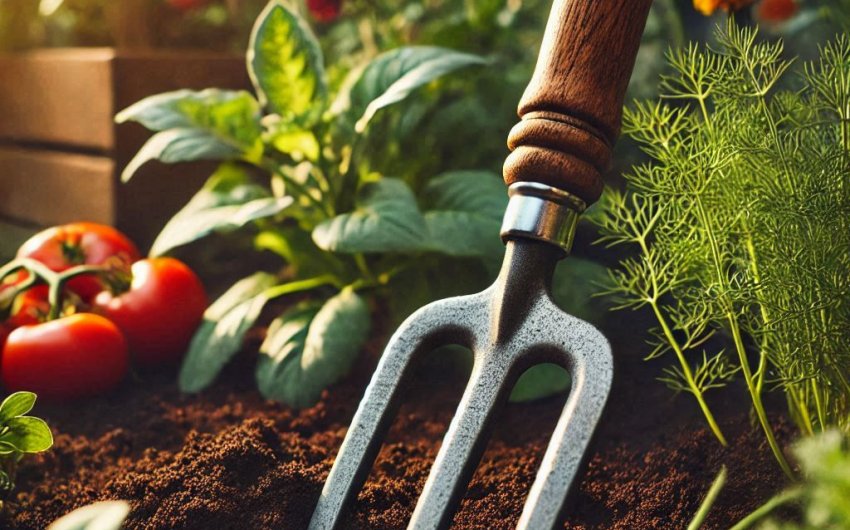
A healthy garden starts from the ground up, quite literally. Beneath the vibrant flowers and lush vegetables lies the true engine of growth: the soil. And one of the most common, yet often overlooked, challenges in maintaining healthy soil is compaction. Over time, foot traffic, heavy rainfall, and even regular gardening activities can press soil particles together, squeezing out the vital air pockets that plant roots desperately need. This leads to struggling plants, poor drainage, and an overall less productive garden.
While there are many ways to improve soil, one of the most effective and fundamental tools for combating compaction is the humble garden fork. Far more versatile than just turning compost, the right type of garden fork can transform dense, lifeless soil into a welcoming environment for roots, microbes, and water. It's a low-tech, yet incredibly powerful, instrument for anyone serious about improving their garden's foundation. Let's delve into the world of garden forks for aerating soil and discover which ones are best for breathing new life into your garden beds.
Why Is Aerating Soil So Important for Your Garden?
Before we talk about forks, let's understand why we even need to aerate our soil. Soil aeration might sound like a fancy gardening term, but it's a simple concept with huge benefits for almost any garden. It's about ensuring your soil can breathe and function properly.
What is Soil Compaction and Why is it a Problem?
- Soil Compaction Defined: Imagine squeezing a sponge until it's really dense. That's what happens when soil becomes compacted. Soil is naturally made up of solid particles (sand, silt, clay) with spaces (pores) in between. These pores are where air and water are held. Compaction occurs when these soil particles are pressed together, reducing the size and number of those vital air and water-filled pores.
- Causes of Compaction:
- Foot Traffic: Walking repeatedly over garden beds or lawns.
- Heavy Machinery: Using large lawnmowers or tillers.
- Heavy Rainfall: Rain can break down soil clumps and drive particles together.
- Poor Soil Structure: Soil with low organic matter content is more prone to compaction.
- Problems Caused by Compaction:
- Suffocated Roots: Plant roots, like all living things, need oxygen to grow and absorb nutrients and water. In compacted soil, there's not enough air, leading to stressed, shallow, and unhealthy roots.
- Poor Drainage: When pores are squeezed shut, water can't drain effectively. This leads to soggy, waterlogged conditions after rain, which can cause root rot and fungal diseases.
- Reduced Water Absorption: Paradoxically, compacted soil can also become very hard and repel water. Water just pools on the surface or runs off instead of soaking in, leading to drought stress for plants.
- Nutrient Lockout: Beneficial soil microbes, which help make nutrients available to plants, need oxygen. In compacted soil, their activity slows down, making it harder for plants to access the food they need.
- Hard to Work With: Compacted soil is dense and difficult to dig, plant in, or amend.
- Thatch Buildup (Lawns): In lawns, compaction hinders the decomposition of dead grass, leading to a thick layer of thatch that exacerbates many of the above problems.
How Does Aeration Help Your Garden?
Soil aeration directly combats the problems of compaction by creating new air and water channels in the soil.
- Improves Root Growth: By loosening the soil and creating air pockets, aeration allows plant roots to grow deeper, wider, and more freely, accessing more water and nutrients.
- Enhances Water Penetration: Water can easily soak into the soil instead of running off, leading to more efficient watering and less waste. It also improves drainage, preventing soggy conditions.
- Boosts Microbial Activity: Increased oxygen levels encourage the activity of beneficial soil microbes, fungi, and earthworms. These organisms are vital for breaking down organic matter, cycling nutrients, and building healthy soil structure.
- Increases Nutrient Availability: With active microbes and better water movement, nutrients become more available for plants to absorb.
- Easier to Work With: Aerated soil is softer, lighter, and much easier to dig, plant, and amend with compost or other materials.
- Reduces Thatch (Lawns): For lawns, aeration helps break down the thatch layer by promoting microbial activity directly within it.
In short, aerating your soil with a garden fork is a powerful way to rejuvenate your garden from the ground up, leading to healthier plants, better yields, and less frustration.
What Types of Garden Forks Are Best for Aerating Soil?
Not all garden forks are created equal when it comes to aerating soil. Different types are designed for specific tasks, and choosing the right one will make your aeration efforts much more effective and less strenuous.
1. Digging Forks (Garden Forks):
- Description: This is the most common type of garden fork, often simply called a "garden fork." It typically has 4 flat, sharp, slightly curved tines (prongs). The tines are strong and robust, designed to break up compacted soil, dig, and turn.
- How it Helps Aerate: You can use a digging fork by inserting its tines into the soil, pushing the fork slightly forward or backward, and gently rocking it to loosen and lift the soil without completely inverting it. This creates cracks and channels in the soil.
- Best For:
- Breaking up heavily compacted soil in vegetable beds or borders.
- Loosening soil before planting.
- Mixing in amendments like compost or granular fertilizer.
- Light aeration of established beds.
- Considerations: Look for a digging fork with a strong, forged head forged digging fork and a durable handle (fiberglass or hardwood). The tines should be sharp enough to penetrate hard soil easily.
2. Broadforks:
- Description: A more specialized and heavy-duty tool, a broadfork garden broadfork has a long handle (often two handles, like a bicycle handlebar) and a wide bar at the bottom with long, strong tines (usually 5-6). It's designed for minimal-disturbance soil aeration.
- How it Helps Aerate: You stand on the broadfork's crossbar, pushing the tines deep into the soil. Then, using the handles, you rock the fork back and forth, levering the soil upwards to create deep cracks and aeration without inverting the soil layers. This is known as "no-dig" or "minimum-till" aeration.
- Best For:
- Deeply aerating large garden beds without destroying soil structure.
- Preparing new garden beds.
- Breaking up hardpan layers.
- For those practicing no-till gardening.
- Considerations: Broadforks are excellent for large areas but require a bit of physical effort. They are an investment but can last a lifetime. Look for high-quality steel tines.
3. Pitchforks (Manure Forks / Hay Forks):
- Description: Pitchforks have 3-5 longer, thinner, and often more widely spaced tines that are usually curved. They are primarily designed for moving loose, bulky materials like hay, compost, or manure.
- How it Helps Aerate: While not ideal for deep soil aeration, a pitchfork can be used for light aeration on very loose soil or for fluffing up a compost pile. Their longer, thinner tines can penetrate softer soil easily.
- Best For:
- Turning compost piles.
- Spreading mulch or organic matter.
- Lightly aerating very soft, established soil where deep compaction isn't an issue.
- Considerations: Not suitable for heavy, compacted clay or rocky soil, as the tines may bend or break.
4. Spading Forks:
- Description: Similar to a digging fork, but often has flat, wider tines, sometimes with a sharper edge, making them good for slicing through soil and roots.
- How it Helps Aerate: Used similarly to a digging fork for general soil loosening and turning.
- Best For:
- Cutting through sod or dense root systems.
- Breaking up stubborn clods of earth.
- General digging and turning where a shovel might be too cumbersome.
- Considerations: A good all-around alternative to a digging fork, often favored for heavier-duty digging.
When choosing a garden fork for aeration, consider the type of soil you have, the size of your garden, and your preferred method of soil cultivation. For most home gardeners dealing with compaction, a sturdy digging fork is a versatile essential, while a broadfork is a fantastic investment for larger beds and minimum-till practices.
How Do You Use a Garden Fork for Aerating Soil?
Using a garden fork for aerating soil isn't complicated, but knowing the right technique will make the job easier, more effective, and reduce strain on your body. The goal is to loosen the soil without completely turning it over, which helps preserve its natural layers and delicate soil life.
General Steps for Aerating with a Digging Fork:
- Prepare the Area:
- Clear Debris: Remove any large weeds, rocks, or excessive mulch from the surface of the soil where you plan to aerate.
- Moisture Level: The soil should be slightly moist, not bone dry and hard, and not soaking wet and muddy. If it's too dry, it will be incredibly difficult to penetrate. If it's too wet, it will be heavy and could create more compaction. Water the area a day or two before if it's too dry.
- Position Your Body:
- Stand Safely: Place one foot on the shoulder (the horizontal bar just above the tines) of the fork for leverage.
- Hold Firmly: Grip the handle firmly with both hands, one near the top and one lower down.
- Straight Back: Keep your back straight and bend at your knees and hips. Use your leg and body weight, not just your back, to push the tines into the soil.
- Insert the Fork:
- Push the tines of the digging fork digging fork vertically into the soil as far as they will go.
- Loosen and Rock:
- Once the tines are deep in the ground, gently rock the fork back and forth, or slightly lift the handle to just barely lift and loosen the soil. You are trying to create fissures and channels, not to completely flip the soil over.
- You might hear a satisfying crackling sound as the compacted soil breaks apart.
- Repeat Systematically:
- Remove the fork from the soil.
- Move the fork a few inches over (6-12 inches depending on how dense your soil is) and repeat the process. Work in a grid pattern across your garden bed to ensure even aeration.
- Leave the Soil in Place: For aeration, the goal is to loosen the soil in situ (in its place) rather than turning it upside down. This preserves the beneficial soil layers and disturbs soil organisms as little as possible.
- Add Amendments (Optional but Recommended): After aeration, it's the perfect time to add a layer of compost garden compost or other organic matter to the surface. The aeration holes will allow these amendments to work their way deeper into the soil with subsequent watering or rain, further improving soil structure and feeding beneficial microbes.
Specific Technique for a Broadfork:
Using a broadfork broadfork tool is even more ergonomic for larger areas:
- Position: Place the broadfork across the bed.
- Stand on Bar: Step onto the crossbar, using your body weight to push the long tines deep into the soil.
- Leverage: Once the tines are fully inserted, step off the bar. Then, holding both handles, pull them back towards you and rock them slightly to lever the soil up. You'll feel the ground lift and loosen.
- Repeat: Pull the broadfork out and move it back about 6-12 inches, overlapping the previous section slightly, and repeat the process across the entire bed.
When to Aerate:
- Growing Season: Aerate when plants are not actively stressed by extreme heat or cold.
- Before Planting: Ideal for preparing new beds or before planting a new crop.
- Annually/Bi-Annually: For heavily trafficked areas or compacted soil, aerate annually. For generally healthy beds, every 1-2 years is often sufficient.
- After Rain: After a good rain, or after watering the day before, is often the easiest time to aerate, as the soil is penetrable but not muddy.
By mastering the technique of using a garden fork for aeration, you'll significantly improve your soil's health, leading to more vigorous plants and a more productive garden with less effort.
What Are the Benefits of Regular Soil Aeration?
Regular soil aeration using a garden fork is a powerful practice that goes far beyond simply making holes in the ground. It contributes to a healthier, more productive, and more resilient garden ecosystem, benefiting your plants from the roots up.
Key Benefits of Aerated Soil:
- Improved Root Growth and Health:
- Access to Oxygen: Roots need oxygen to breathe, grow, and absorb water and nutrients. Aeration creates vital air pockets, allowing roots to penetrate deeper and more extensively into the soil.
- Reduced Stress: Healthy roots lead to stronger, more resilient plants that can better withstand drought, heat, and disease.
- Enhanced Water Management:
- Better Penetration: Water, whether from rain or irrigation, can quickly soak into the soil instead of pooling on the surface or running off. This means less wasted water and more efficient hydration for your plants.
- Improved Drainage: Aeration helps prevent waterlogging in heavy soils by creating channels for excess water to drain away, reducing the risk of root rot and fungal diseases.
- Increased Water Retention (Paradoxically): While improving drainage, aeration also allows the soil to better absorb and hold water within its pore spaces, acting like a sponge, making it more available to plants during dry spells.
- Increased Nutrient Availability:
- Boosted Microbial Activity: Beneficial soil microbes and fungi, which are essential for breaking down organic matter and cycling nutrients, thrive in oxygen-rich environments. Aeration provides this oxygen, increasing their activity.
- Better Absorption: With healthy roots and active microbes, nutrients already present in the soil become more readily available for plants to absorb, reducing the need for excessive fertilization.
- Better Incorporation of Organic Matter:
- Deep Delivery: When you aerate, the holes created provide pathways for organic matter (like compost organic garden compost and other amendments added to the surface) to work their way deeper into the soil.
- Feeds the Soil Web: This enriches the soil, feeds the microbes and earthworms, and further improves soil structure over time, leading to a self-sustaining healthy soil.
- Reduced Soil Compaction:
- Direct Relief: Aeration directly breaks up compacted layers caused by foot traffic, heavy equipment, or rainfall.
- Prevents Future Compaction: By improving soil structure and organic matter content, regular aeration makes the soil more resistant to future compaction.
- Fewer Weeds and Pests:
- Stronger Plants: Healthy, vigorous plants growing in aerated soil are better able to outcompete weeds and naturally resist pest infestations.
- Less Attractive to Pests: Some common lawn pests (like grubs) prefer compacted soil.
- Easier Gardening:
- Reduced Effort: Working with loose, aerated soil is simply much easier. Digging, planting, and weeding become less strenuous tasks.
- Better Seed Germination: Seeds have better soil contact and easier access to moisture and air in aerated soil, leading to higher germination rates.
In essence, regular soil aeration with a garden fork is an investment in the long-term health and productivity of your garden. It helps create the ideal environment for your plants to truly thrive, transforming your soil into a living, breathing foundation for abundant growth.
How Do You Maintain Your Garden Fork for Long Life?
Your garden fork is a workhorse, digging into tough soil, lifting heavy loads, and helping you aerate. To ensure this valuable tool lasts for years and performs its best, a little regular maintenance is key. Neglecting your fork can lead to rust, bending, or even breakage.
Routine Cleaning After Each Use:
- Remove Soil and Debris: Immediately after each use, knock off any large clumps of soil from the tines. Use a stiff brush or a stick to scrape off any remaining dirt or stubborn clay.
- Rinse Thoroughly: Hose down the metal head and tines with water to remove all soil residues. Pay attention to the areas where the tines meet the shaft, as dirt can accumulate there.
- Dry Completely: This is crucial! Use a rag or old towel to thoroughly dry all metal parts of the fork. Water left on the metal, especially carbon steel, will quickly lead to rust.
Sharpening the Tines (Periodically):
- Why it's important: While not as critical as sharpening pruning shears, sharp tines penetrate soil more easily, reducing effort and strain on your body. Over time, digging in rocky or heavy soil can dull the tips.
- How to do it:
- Use a File: Use a large, coarse mill bastard file mill bastard file or a sharpening stone.
- Angle: Look at the existing bevel (slanted edge) on the inside or outside of the tines (depending on the fork). You want to restore this angle.
- Stroke: With the fork secured (e.g., in a vise or against a sturdy surface), file each tine from the base of the bevel towards the tip, in one direction, for a few strokes. Repeat on all tines.
- Burr Removal: Briefly run the file flat along the opposite side of the tine to remove any burr (wire edge) that forms.
- Frequency: Sharpen your fork annually or whenever you notice it becoming difficult to push into the soil.
Rust Prevention and Lubrication:
- Oiling the Metal: After cleaning and drying, apply a thin coat of tool oil tool oil, mineral oil, or even vegetable oil to the metal head and tines. This creates a protective barrier against moisture and prevents rust.
- Waxing (for long-term storage): For tools being stored for months, a coat of paste wax can provide extra protection.
Handle Care:
- Wooden Handles:
- Clean: Wipe down the handle to remove dirt and sap.
- Sand Splinters: If splinters appear, lightly sand the area with fine-grit sandpaper fine-grit sandpaper to prevent hand injury.
- Oil: Periodically apply linseed oil linseed oil for wood or tung oil to wooden handles. This keeps the wood from drying out, cracking, and becoming brittle. It also enhances its look. Allow to soak in and wipe off excess.
- Fiberglass/Plastic Handles: These are generally lower maintenance. Just keep them clean. Inspect for cracks or damage regularly.
Proper Storage:
- Dry Location: Store your clean, dry, and oiled garden fork in a dry place like a shed, garage, or workshop. Avoid leaving it outside, leaning against a damp wall, or storing it directly on a concrete floor.
- Hang or Rack: Hang the fork on a tool rack garden tool wall rack or store it upright in a bucket of sand (sand should be slightly oiled to prevent rust) to keep the tines protected and out of the way.
By consistently performing these maintenance steps, your garden fork will remain a reliable, efficient, and long-lasting tool, helping you aerate your soil and build a healthier garden for many years to come.