
Best Lightweight Garden Hoses for Easy Handling
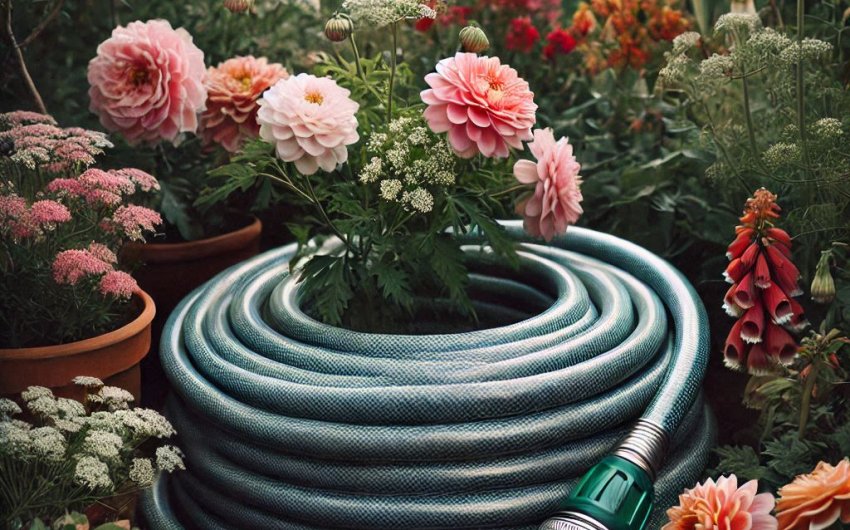
Managing garden irrigation efficiently without the burden of heavy, cumbersome equipment is a common desire for many green thumbs, and finding the best lightweight garden hoses can significantly improve your watering experience. Traditional rubber hoses, while durable, are often bulky and challenging to maneuver, making daily watering chores a physical workout. Thankfully, modern innovations offer a variety of lighter alternatives designed for easy handling, storage, and tangle-free operation. This comprehensive guide will explore the different types of lightweight hoses, their key features, important considerations when buying, and tips for maintenance, helping you select the perfect hose to effortlessly nourish your plants.
Why choose a lightweight garden hose?
The sheer convenience and ease of use are the primary reasons gardeners opt for lightweight garden hoses. Traditional hoses, often made of heavy rubber or thick PVC, can be a real struggle to coil, move, and store, especially for extended lengths or for individuals with limited strength.
What are the main benefits of a lightweight hose?
- Easy Handling and Maneuverability: This is the most significant advantage. A lightweight hose feels less burdensome to pull around the garden, making watering less of a chore. It's particularly beneficial for large yards, multiple garden beds, or for anyone who finds heavy lifting difficult.
- Reduced Kinking and Tangling: Many lightweight hoses, especially expandable and fabric varieties, are designed to be highly flexible, which significantly reduces the frustration of kinks and tangles. This saves time and prevents water flow interruptions.
- Compact Storage: When empty, lightweight hoses, especially expandable models, shrink to a fraction of their watering size, making them incredibly easy to store in small spaces, on a hose reel, or in a bucket. This declutters your garage or shed.
- Less Damage to Plants: Because they are lighter, there's less risk of accidentally dragging a heavy hose over delicate plants and damaging them.
- Improved Accessibility: The ease of movement means you're more likely to water those hard-to-reach corners of your garden regularly.
- Less Physical Strain: For those with back problems, joint pain, or reduced mobility, a lightweight hose makes gardening tasks much more accessible and enjoyable.
Who benefits most from a lightweight hose?
- Elderly Gardeners: The reduced weight is a huge advantage for maintaining independence in the garden.
- Gardeners with Mobility Issues: Makes watering manageable without excessive strain.
- Anyone with a Large Yard: Pulling a heavy hose over long distances is exhausting; a lightweight option makes it effortless.
- Those with Limited Storage Space: Their compact nature is perfect for small sheds, balconies, or patios.
- Beginner Gardeners: Simplifies one of the most frequent gardening tasks, encouraging consistent watering habits.
While lightweight hoses often trade some extreme durability for their flexibility and low weight, the benefits in terms of ease of use often outweigh these considerations for the average homeowner.
What are the different types of lightweight garden hoses?
The market for lightweight garden hoses has expanded significantly, offering various materials and designs, each with its own set of characteristics. Understanding these types is crucial for making an informed decision.
1. Expandable Hoses
- How they work: These hoses are made from a stretchy, often latex or synthetic rubber core, covered by a durable fabric casing. When water pressure fills them, they expand up to three times their original length. When the water is turned off, they contract back to their compact size.
- Pros:
- Extremely lightweight: One of the lightest options available.
- Highly flexible and tangle-free: They rarely kink or knot.
- Incredibly compact for storage: Shrink to a small size when empty.
- Easy to drain and coil.
- Cons:
- Durability concerns: Early models had a reputation for bursting or leaking, though modern designs (especially those with thicker latex cores or dual layers) are much improved. Still generally less durable than traditional hoses.
- Lower pressure tolerance: Can be sensitive to very high water pressure.
- Not ideal for constant pressure: Should be drained after each use and not left pressurized.
- Not great for continuous flow: Pressure needs to build up for full expansion.
- Best for: Light-duty watering, patios, balconies, small gardens, or as a secondary hose for quick tasks. Great for those who value extreme compactness. Look for expandable garden hoses with brass fittings for durability.
2. Fabric-Covered Hoses (Non-Expandable)
- How they work: These hoses typically have an inner tube (often PVC or a hybrid material) reinforced with a braided fabric outer layer. They maintain a consistent diameter whether pressurized or not.
- Pros:
- Lightweight, but more durable than expandable: Offer a good balance between weight and longevity.
- Highly flexible and kink-resistant: The fabric exterior helps prevent kinking and tangling.
- Good abrasion resistance: The fabric protects the inner tube from scrapes and punctures.
- Can tolerate consistent pressure better than expandable hoses.
- Cons:
- Not as compact for storage as expandable hoses.
- Can absorb water into the fabric, making them slightly heavier when wet.
- Best for: General-purpose watering, medium-sized gardens, or for those who want a lightweight hose with better durability than an expandable one. Many options like fabric garden hose with aluminum fittings exist.
3. Hybrid Hoses
- How they work: These hoses combine elements of different materials, often a blend of rubber and PVC, to achieve a balance of flexibility, durability, and lighter weight than pure rubber hoses. They are non-expandable.
- Pros:
- More flexible than traditional rubber/PVC hoses: Often lay flat and are less prone to kinking.
- Good durability and abrasion resistance: Designed for longevity.
- Good for all seasons: Many are designed to remain flexible in cold weather.
- Cons:
- Heavier than expandable or fabric-covered hoses, though still lighter than traditional heavy-duty rubber.
- Not as compact for storage as expandable types.
- Best for: Gardeners who need a durable, reliable, all-purpose hose but want something easier to manage than old-school rubber. A good example is a lightweight hybrid polymer hose.
What length and diameter should you choose?
Selecting the correct length and diameter for your lightweight garden hose is crucial for efficient watering and managing water pressure effectively.
Length Considerations
- Measure your needs: Before buying, measure the furthest point in your garden from your water spigot. Add a little extra (10-20 feet) for flexibility and reaching around obstacles.
- Avoid unnecessary length: A longer hose is heavier (even if lightweight material), more expensive, and can reduce water pressure. Don't buy a 100-foot hose if a 50-foot one will suffice.
- Common lengths: Lightweight hoses are typically available in 25 ft, 50 ft, 75 ft, and 100 ft lengths.
- Consider multiple hoses: For very large properties, it might be more practical to have a few shorter hoses (e.g., two 50-foot hoses) that can be connected when needed, rather than one very long hose that is always cumbersome.
Diameter Considerations
The diameter of a garden hose affects water flow and pressure. The most common diameters for garden hoses are 5/8 inch and 1/2 inch.
- 1/2-inch diameter hoses:
- Pros: Significantly lighter and more flexible than 5/8-inch hoses, even in traditional materials. Good for general watering, filling watering cans, and delicate plants. Lower cost.
- Cons: Deliver less water volume and lower pressure over distance. Not ideal for sprinklers that require high flow or for quickly filling large containers.
- Best for: Small gardens, patios, or when maximum lightness is the priority and high flow isn't needed. Many lightweight 1/2 inch garden hoses are available.
- 5/8-inch diameter hoses:
- Pros: The most common general-purpose size. Provides good water flow and pressure for most tasks, including running sprinklers, pressure washers, and quickly filling large items. Still relatively manageable in lightweight materials.
- Cons: Heavier and less flexible than 1/2-inch hoses.
- Best for: Medium to large gardens, or when consistent water pressure and volume are needed for various tasks. Look for a lightweight 5/8 inch hose.
- 3/4-inch diameter hoses (Less common for lightweight):
- Pros: Delivers the highest volume of water and pressure.
- Cons: Very heavy and expensive. Rarely found in truly lightweight materials.
- Best for: Very specialized tasks like commercial landscaping or fire prevention, not typically home gardening.
When deciding, balance your need for water flow with your desire for a lightweight, easy-to-handle hose. For most home gardeners, a 50-75 ft long, 1/2-inch or 5/8-inch diameter lightweight hose strikes the best balance.
What type of fittings should loppers have?
The fittings (couplings) on your lightweight garden hose are critical for its durability and ease of use. These are the connectors at each end of the hose that attach to your spigot and watering tools.
Why do fittings matter?
- Durability: Cheap plastic fittings are prone to cracking, breaking, or stripping threads, especially with frequent use or exposure to sun and cold.
- Leak Prevention: Good quality fittings ensure a tight, leak-free connection, preventing wasted water and frustration.
- Ease of Use: Well-designed fittings are easy to attach and detach, even for those with limited hand strength.
Common Fitting Materials:
Brass Fittings:
- Pros: The gold standard for garden hose fittings. Solid brass fittings are incredibly durable, corrosion-resistant, and can withstand high water pressure and UV exposure without degrading. They provide the most secure, leak-free connection.
- Cons: Can be more expensive than plastic or aluminum. Can sometimes be difficult to loosen if overtightened, or if mineral deposits build up over time.
- Recommendation: Always prioritize hoses with solid brass fittings if budget allows. They greatly extend the life of your hose.
Aluminum Fittings:
- Pros: Lightweight and corrosion-resistant. A good middle-ground option that is lighter than brass. Often seen on fabric-covered hoses to keep overall weight down.
- Cons: Not as strong or durable as brass. Threads can be more prone to stripping if overtightened or cross-threaded.
- Recommendation: A decent alternative if you need to keep weight at an absolute minimum and brass isn't an option. Look for aluminum garden hose connectors that are well-machined.
Plastic Fittings:
- Pros: Very lightweight and inexpensive.
- Cons: The least durable option. Prone to cracking, breaking, and UV degradation. Threads strip easily, leading to leaks. Not suitable for high pressure or heavy use.
- Recommendation: Generally avoid, especially for hoses you intend to use frequently. Fine for very temporary or occasional light use only.
Additional Fitting Features:
- Swivel Connections: Some hoses have a swivel fitting at the spigot end, which allows the hose to rotate independently, preventing kinks and twists as you connect it or coil it.
- Reinforced Collars: A reinforced collar or sleeve at the connection point where the hose meets the fitting helps prevent kinking and bending at this vulnerable spot, extending the hose's life.
- Quick Connectors: While not always built-in, many gardeners add quick-connect garden hose fittings to make attaching nozzles, sprinklers, and other accessories effortless. These should also be brass for durability.
Prioritizing hoses with high-quality brass or aluminum fittings will save you a lot of frustration from leaks and breakages, making your watering experience much smoother.
What other features should you consider?
Beyond the main types and materials, several other features can enhance the performance, durability, and convenience of your lightweight garden hose.
Kink Resistance
- Importance: Kinking is a major frustration with garden hoses, interrupting water flow and weakening the hose over time.
- How lightweight hoses help: Expandable and fabric-covered hoses are inherently highly kink-resistant due to their flexibility. Hybrid hoses are also designed to reduce kinking compared to traditional PVC.
- Look for: "Kink-resistant" or "no-kink" labels. While no hose is 100% kink-proof under all circumstances, lightweight materials significantly reduce the likelihood.
Flexibility and Coil Memory
- Importance: A flexible hose is easier to maneuver around obstacles and coil neatly for storage. "Coil memory" refers to a hose's tendency to retain the shape it was stored in, which can lead to kinks when uncoiled.
- Lightweight advantage: Generally, the lighter the hose, the less coil memory it has, making it lie flatter and easier to handle. Expandable hoses have virtually no coil memory.
All-Weather Flexibility
- Importance: Some hoses become stiff and brittle in cold weather, making them difficult to use and prone to cracking. Others soften excessively in hot sun.
- Look for: Hoses explicitly marketed as "all-weather" or "cold-weather flexible." Hybrid materials often excel in this area.
Drinking Water Safe
- Importance: If you plan to use the hose for filling pet bowls, children's pools, or for drinking, ensure it is labeled "drinking water safe" or "lead-free." Many standard hoses contain chemicals that can leach into the water.
- Look for: Drinking water safe garden hose labels.
Burst Pressure and Working Pressure
- Burst pressure: The maximum pressure the hose can withstand before bursting.
- Working pressure: The continuous pressure the hose is designed to handle.
- Importance: If your home has very high water pressure, ensure the hose's burst pressure rating is sufficiently high to avoid blowouts. Expandable hoses typically have lower pressure tolerances than other types.
UV Resistance
- Importance: Prolonged exposure to sunlight can degrade hose materials, making them brittle and prone to cracking.
- Look for: Hoses marketed with "UV protection" or "UV resistant" coatings/materials, especially if you plan to leave your hose out in the sun frequently.
Warranty
- Importance: A good warranty indicates the manufacturer's confidence in their product's durability.
- Look for: Check the warranty period and what it covers. Reputable brands often offer multi-year warranties.
By considering these additional features, you can fine-tune your choice to find a lightweight garden hose that not only offers easy handling but also matches your specific needs for durability, performance, and safety.
How do you maintain a lightweight garden hose for longevity?
While lightweight garden hoses offer incredible convenience, they often require a bit more care than their heavy-duty counterparts to ensure a long lifespan. Proper maintenance will help you get the most out of your investment.
General Care Tips for All Lightweight Hoses:
- Drain After Each Use: This is crucial for all types, but especially for expandable hoses.
- Expandable hoses: Turn off the spigot, then open your nozzle or sprayer to allow all water to drain out and the hose to fully contract. Leaving them pressurized can significantly reduce their lifespan.
- Fabric/Hybrid hoses: Draining prevents water from freezing inside (which can damage the hose) and reduces mildew buildup inside.
- Avoid Sharp Edges and Abrasion:
- Be mindful of dragging your hose over rough surfaces, sharp rocks, concrete edges, or thorny bushes. These can abrade or puncture the outer layer, leading to leaks.
- Use a hose guide or lift the hose over obstacles.
- Store Properly:
- Keep out of direct sun (when not in use): UV rays degrade hose materials over time, making them brittle.
- Protect from extreme temperatures: Bring hoses indoors during freezing winter months. Extreme cold can make materials stiff and prone to cracking.
- Coil neatly: Even expandable hoses benefit from being neatly coiled or placed in a hose storage bag or hose pot to prevent tangles and accidental damage.
- A lightweight hose reel is an excellent way to store and manage your hose.
- Inspect Fittings Regularly:
- Check for loose connections, stripped threads, or cracked plastic.
- Ensure washers are present and in good condition to prevent leaks. Replace worn garden hose washers as needed.
- Use a Pressure Reducer (if needed): If your home has exceptionally high water pressure, consider installing a pressure reducer at the spigot, especially for expandable hoses which have lower burst pressure tolerances.
- Avoid Driving Over Hoses: Even lightweight hoses can be damaged by the weight of a vehicle.
Specific Tips by Hose Type:
- Expandable Hoses:
- Do NOT leave pressurized: As mentioned, this is the quickest way to ruin them.
- Do NOT drag when full: The weight of the water inside can stress the inner tube if dragged.
- Avoid punctures: Their thin inner tube is more vulnerable to sharp objects.
- Fabric-Covered Hoses:
- Allow to dry: If the fabric gets wet, allow it to air dry before storing to prevent mildew growth on the fabric exterior.
- Hybrid Hoses:
- Generally more forgiving, but still benefit from draining and storing away from harsh elements to maximize their lifespan.
By implementing these simple maintenance practices, your best lightweight garden hoses will remain a convenient and reliable tool, making your daily watering routine a breeze for many seasons to come.