
How to Select the Perfect Wheelbarrow for Your Garden?
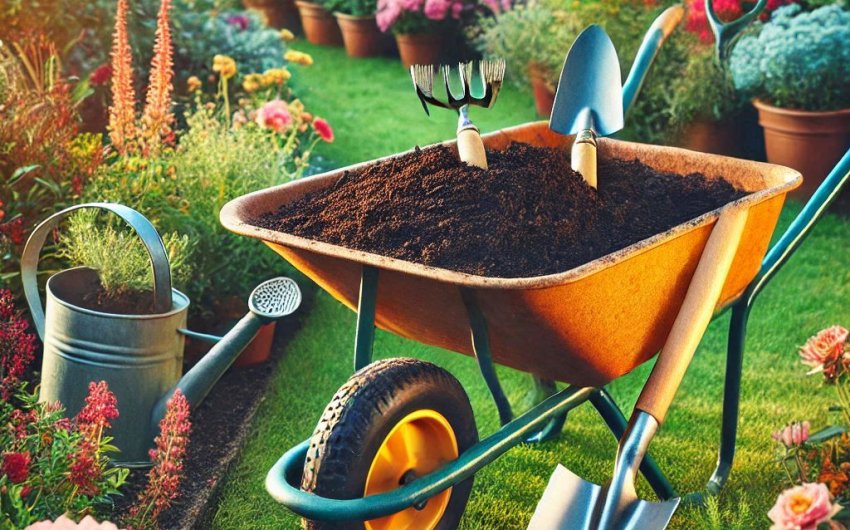
A reliable wheelbarrow is an indispensable workhorse for any gardener, making countless tasks from hauling soil to moving mulch significantly easier. Knowing how to select the perfect wheelbarrow for your garden involves considering various factors beyond just aesthetics, ensuring it aligns with your specific needs, the type of work you do, and the terrain of your outdoor space. This guide will delve into the essential features and considerations to help you choose a durable, efficient, and comfortable tool that will serve you well for years.
Why is the Right Wheelbarrow Important for Gardening?
The seemingly simple wheelbarrow is a cornerstone tool for gardeners, often overlooked but absolutely essential for efficiency and reducing physical strain. Understanding its significance is the first step in learning how to select the perfect wheelbarrow for your garden.
Reduces Physical Strain and Fatigue:
- Less Lifting: Instead of repeatedly lifting heavy bags of soil, mulch, or rocks, a wheelbarrow allows you to load material once and transport it in a single trip. This significantly reduces the strain on your back, arms, and shoulders.
- Improved Ergonomics: A well-designed wheelbarrow positions the load over the wheel(s), making it easier to balance and push or pull, rather than lifting and carrying.
- More Efficient: You can move much more material in fewer trips, saving energy and time, allowing you to spend more productive time on other gardening tasks.
Increases Efficiency and Productivity:
- Hauling Capacity: A wheelbarrow dramatically increases the amount of material you can move at once. Whether it's bags of soil, compost, rocks, firewood, or garden waste, it can carry loads that would be impossible or highly impractical to move by hand or with a smaller bucket.
- Fewer Trips: This directly translates to fewer trips across the garden, speeding up tasks like spreading mulch over a large area or moving excavated soil.
- Versatility: It's not just for soil; it's perfect for transporting tools, plants, harvested crops, leaves, branches, and more.
Protects Your Garden and Hard Surfaces:
- Minimizes Damage to Lawn/Paths: Dragging heavy sacks or stepping repeatedly on your lawn can cause compaction and damage. A wheelbarrow concentrates the weight on its wheels, reducing this impact.
- Cleanliness: When moving messy materials like soil or compost, a wheelbarrow contains the mess, preventing spills on clean pathways, patios, or driveways.
- Access to Difficult Areas: For gardens with narrow paths or uneven terrain, a well-chosen wheelbarrow can navigate areas where larger machinery might struggle.
Durability and Longevity:
Advertisement- A quality wheelbarrow is built to last for many years, often decades, with proper care. It's a long-term investment that withstands heavy loads and various weather conditions.
- Inferior wheelbarrows can quickly bend, rust, or break, leading to frustration and repeated replacement costs.
A Fundamental Tool:
- Along with a shovel and a pair of pruning shears, a wheelbarrow is arguably one of the most fundamental and indispensable tools for anyone seriously involved in gardening or yard work. Its absence is keenly felt once you realize how much hauling is involved in most garden projects.
Therefore, consciously learning how to select the perfect wheelbarrow for your garden is not just about buying a piece of equipment; it's about investing in your comfort, efficiency, and the long-term health of both your garden and your body.
What Are the Main Types of Wheelbarrows?
The first step in learning how to select the perfect wheelbarrow for your garden is to understand the fundamental differences between the main types available. Each design offers specific advantages and disadvantages for various gardening tasks and user preferences.
One-Wheel Wheelbarrows (Traditional):
- Description: This is the classic design, featuring a single wheel at the front, two handles, and two legs for stability when at rest.
- Pros:
- Maneuverability: Highly maneuverable, especially in tight spaces, narrow paths, or around obstacles. The single pivot point allows for easy turning and precise dumping.
- Agility: Easier to navigate uneven terrain, rocky paths, or slopes with a single wheel cutting through.
- Dumping: Can be easier to tip and dump contents precisely due to the single pivot.
- Cons:
- Balance Required: Requires more balance and upper body strength to operate, especially when loaded with heavy or unbalanced materials. Can be prone to tipping if overloaded or used on very uneven ground.
- Stability at Rest: Less stable when at rest compared to two-wheel models.
- Ideal For: Smaller gardens, tight garden beds, navigating crowded areas, precise dumping of soil or mulch around plants, or experienced users who value agility. A common choice is a True Temper 6 cu ft Steel Wheelbarrow.
Two-Wheel Wheelbarrows (Garden Carts / Haulers):
- Description: Features two wheels at the front (or under the bed), providing inherent stability, and typically two handles at the back. Some are more cart-like, with a lower center of gravity.
- Pros:
- Stability: Much more stable than one-wheel models, making them easier to handle, especially with heavy or bulky loads. Less prone to tipping.
- Less Balance Required: Easier on the back and arms, as you don't need to constantly balance the load.
- Good for Bulky Loads: Excellent for large, bulky items like firewood, bags of mulch, or tall plants.
- Cons:
- Less Maneuverable: Wider turning radius can make them difficult to navigate in very tight spaces or narrow garden paths.
- Can Get Stuck: Two wheels can sometimes get caught on uneven terrain or large roots more easily than a single wheel.
- Dumping: Can be more awkward to tip and dump precisely, as the load is spread across two wheels.
- Ideal For: Larger gardens, open spaces, moving very heavy or bulky loads, users with back issues, or beginners who need maximum stability. A popular model is a Gorilla Carts Poly Garden Dump Cart.
Hybrid Wheelbarrows:
- Description: Some manufacturers offer designs that attempt to combine the best features of both types. This might include a single wheel that is exceptionally wide or designs that offer enhanced maneuverability for a two-wheel system.
Electric/Powered Wheelbarrows:
- Description: Equipped with a battery-powered motor that drives the wheel(s), eliminating the need for manual pushing.
- Pros:
- Effortless: Requires minimal physical effort to move heavy loads, especially uphill or over long distances.
- Ideal for Large Properties: Great for extensive landscaping projects or commercial use.
- Cons:
- Expensive: Significantly higher initial cost.
- Maintenance: Requires battery charging and occasional motor maintenance.
- Heavier: The unit itself is heavier.
- Ideal For: Very large properties, professional landscapers, or individuals with significant mobility/strength limitations. A specialized option is a Power King Electric Wheelbarrow.
Choosing Between One-Wheel and Two-Wheel:
- Your Garden Layout: If your garden has narrow paths, tight corners, or many obstacles, a one-wheel wheelbarrow's maneuverability will be a huge advantage.
- Typical Load: If you frequently move very heavy, unstable, or bulky loads (e.g., large rocks, multiple bags of soil, firewood), a two-wheel model offers superior stability.
- Your Physical Strength: If you have back problems or limited upper body strength, a two-wheel wheelbarrow will be much easier and safer to use.
By evaluating your specific needs against the strengths of these different types, you're well on your way to understanding how to select the perfect wheelbarrow for your garden.
What Materials and Capacity Are Best for a Garden Wheelbarrow?
Once you've decided on the type of wheelbarrow, the choice of materials for the tray (or "tub") and the frame, along with its capacity, are crucial factors in learning how to select the perfect wheelbarrow for your garden. These elements directly impact durability, weight, and suitability for different tasks.
A. Tray (Tub) Material:
The material of the wheelbarrow's tub determines its weight, durability, and resistance to corrosion and impact.
Steel (Metal):
- Characteristics: Typically made from pressed steel, often galvanized or powder-coated for rust resistance.
- Pros:
- Highly Durable: Extremely robust and can withstand heavy, abrasive, or sharp materials like rocks, bricks, or broken concrete without denting or puncturing.
- Heavy Duty: Excellent for demanding tasks.
- Long-Lasting: With proper care (drying after use, occasional waxing), a good steel tub can last for decades.
- Cons:
- Heavier: Can be significantly heavier than poly tubs, even when empty, which can increase user fatigue.
- Rust Potential: Susceptible to rust if the coating is scratched or chipped, or if left out in the elements while wet.
- Sticky Materials: Wet soil, concrete, or sticky materials can cling to the metal, making it harder to empty cleanly.
- Noise: Can be noisy when moving rocks or heavy items.
- Ideal For: Hauling heavy, abrasive materials (rocks, gravel, demolition debris, firewood), demanding construction or landscaping tasks. If you go with steel, look for a galvanized or heavily powder-coated steel wheelbarrow.
Poly (Polyethylene/Plastic):
- Characteristics: Made from high-density polyethylene (HDPE), a durable, flexible, and often UV-stabilized plastic.
- Pros:
- Lightweight: Much lighter than steel, making the wheelbarrow easier to push, lift, and maneuver, especially for those with less strength.
- Rust-Proof: Will not rust or corrode, making it ideal for wet materials like compost, manure, or simply for being left outside.
- Non-Stick: Materials like wet soil or concrete are less likely to stick to the smooth plastic surface, making emptying easier and cleaner.
- Quiet: Quieter operation compared to metal tubs.
- Impact Resistant: Less prone to denting upon impact.
- Cons:
- Less Abrasion Resistant: Can be scratched or gouged by very sharp rocks, broken glass, or heavy pointed tools.
- Flexibility: Some cheaper poly tubs can flex or deform under very heavy loads.
- UV Degradation: Can become brittle or discolored over many years of intense sun exposure if not UV-stabilized.
- Ideal For: Most general gardening tasks including moving soil, mulch, compost, leaves, grass clippings, and lighter construction debris. Excellent for those seeking a lighter, rust-free option. Many poly wheelbarrows are highly rated.
B. Frame Material:
The frame supports the tub and provides the structure for the handles and wheel(s).
Steel Frame:
- Characteristics: The most common and durable option, offering excellent strength and rigidity. Often powder-coated for rust resistance.
- Pros: Very strong, can handle heavy loads, durable.
- Cons: Can rust if powder coating is scratched. Heavier.
- Ideal For: Any wheelbarrow meant for heavy-duty use.
Wood Frame (Less Common Today):
- Characteristics: Traditional wooden handles and sometimes wooden cross-braces.
- Pros: Natural feel, traditional aesthetic.
- Cons: Prone to rot, splintering, and warping if not maintained. Less durable than steel.
- Ideal For: Restoration projects or very light, infrequent use where aesthetics are paramount.
C. Capacity:
Wheelbarrow capacity is measured in cubic feet (cu ft) or gallons. Match the capacity to your typical workload.
Small Capacity (2-4 cu ft / 15-30 gallons):
- Ideal For: Smaller gardens, light tasks like moving a few bags of soil or small piles of leaves, or for users with limited strength/storage space. Good for precise work around plants.
- Common Use: For light garden cleanup.
Medium Capacity (5-7 cu ft / 37-52 gallons):
- Ideal For: Most average-sized home gardens. Versatile enough for moving bags of mulch, soil, compost, and moderate amounts of garden debris or firewood. A good all-rounder.
- Common Use: The sweet spot for general gardening. A 6 cu ft wheelbarrow is a popular choice.
Large Capacity (8-10+ cu ft / 60-75+ gallons):
- Ideal For: Large properties, extensive landscaping projects, commercial use, or moving very bulky items like large quantities of leaves, hay, or multiple bags of heavy materials.
- Common Use: Heavy-duty yard work.
- Consideration: Be realistic about how much weight you can comfortably push. A large capacity doesn't always mean you can fill it to the brim with heavy materials like gravel.
By carefully evaluating these material choices and aligning the capacity with your typical tasks, you'll gain significant clarity on how to select the perfect wheelbarrow for your garden.
What Other Features Are Important When Choosing a Wheelbarrow?
Beyond the type, material, and capacity, several other features contribute significantly to the overall performance, comfort, and longevity of your wheelbarrow. Paying attention to these details is vital for learning how to select the perfect wheelbarrow for your garden that will truly serve you well.
Wheels and Tires:
- Pneumatic (Air-Filled) Tires:
- Pros: Provide excellent cushioning and shock absorption, making it easier to roll over uneven terrain, rocks, and roots. Smoother ride, reducing impact on your arms and back. Generally better traction.
- Cons: Susceptible to punctures (flats) and require air pressure maintenance.
- Ideal For: Most gardens with varied terrain, providing maximum comfort. You might want to have a tire repair kit on hand.
- Solid (Flat-Free) Tires:
- Pros: Never go flat, no air pressure to maintain, completely puncture-proof.
- Cons: Harder ride, less shock absorption, can be bouncier on uneven terrain, potentially less traction.
- Ideal For: Paved surfaces, very smooth gardens, or situations where puncture resistance is paramount (e.g., working with thorny debris). Look for a flat-free wheelbarrow tire.
- Wheel Size: Larger diameter wheels generally roll more easily over obstacles and uneven ground.
- Bearings: Look for good quality ball bearings in the wheel hub. They ensure smooth rolling and contribute to the wheel's longevity.
- Pneumatic (Air-Filled) Tires:
Handles:
- Material:
- Wood: Traditional, good grip, but can splinter or rot if not maintained.
- Steel/Tubular Steel: Very durable, strong, usually coated for comfort and rust resistance.
- Ergonomic Grips: Look for rubber, plastic, or foam grips on the handles. These improve comfort, reduce blistering, and provide better traction, especially when hands are wet or sweaty.
- Length: Ensure the handles are long enough for your height. You should be able to stand relatively upright while pushing the wheelbarrow without stooping excessively.
- Handle Spacing: Ensure the handles are wide enough apart for comfortable pushing and pulling without hitting your hips or legs.
- Material:
Balance and Center of Gravity:
- Weight Distribution: A well-designed wheelbarrow positions the load's center of gravity directly over or slightly forward of the axle (the wheel). This makes it easier to tip back onto the wheel and push, rather than having to lift too much weight.
- Test It Out: If possible, try pushing an empty wheelbarrow in the store. Does it feel balanced? Are the handles at a comfortable height when you tip it back onto its wheel?
Legs/Supports:
- Stability: The legs provide stability when the wheelbarrow is at rest. Look for wide, sturdy, well-braced legs.
- Material: Often steel, ensure they are strong and resistant to bending.
- Protective Feet: Some models have plastic caps on the feet to prevent them from digging into soft ground or scratching paved surfaces.
Dump Mechanism (for 2-wheel carts):
- Many two-wheel garden carts feature a dump mechanism (a lever or foot pedal) that allows you to easily tip the bed and unload contents without having to manually lift the entire cart. This is a significant convenience for bulk materials. A dump cart is very popular.
Assembly:
- Complexity: Some wheelbarrows come fully assembled, while others require extensive assembly. Read reviews or product descriptions to understand the assembly difficulty.
- Tools Required: Ensure you have the necessary tools (wrenches, screwdrivers) if assembly is required.
Maintenance and Storage:
- Rust Resistance: Regardless of material, choose a wheelbarrow with good rust protection (galvanized steel, powder coating, UV-stabilized poly).
- Ease of Cleaning: A smooth tub surface (poly or well-finished steel) is easier to clean after use, preventing buildup and prolonging life.
- Storage Space: Consider where you will store the wheelbarrow. Some models can be partially disassembled for more compact storage.
By taking these additional features into account, you can confidently navigate the options and make a choice that truly reflects how to select the perfect wheelbarrow for your garden, ensuring it's a comfortable, efficient, and long-lasting asset.