
Top Loppers for Pruning Thick Branches
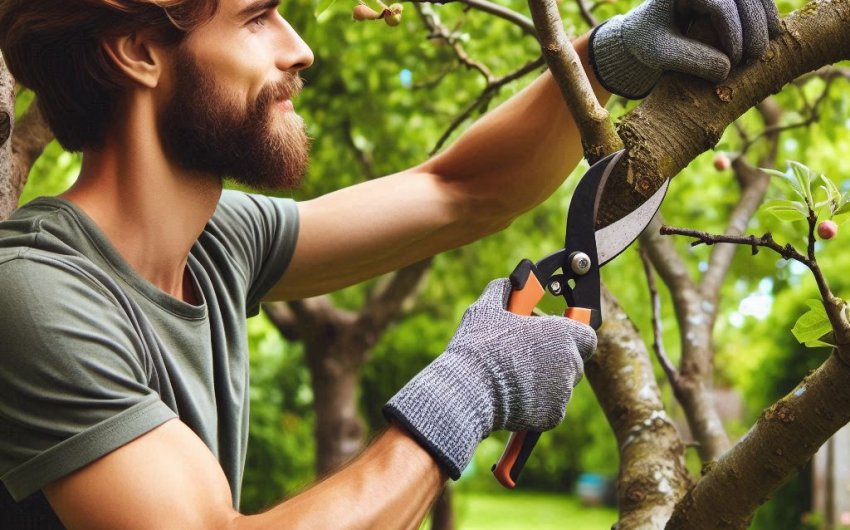
For gardeners facing the challenge of overgrown shrubs, dense hedges, or small tree limbs, having the right tool makes all the difference, and understanding the top loppers for pruning thick branches is essential. Standard hand pruners are insufficient for robust cuts, requiring specialized tools that offer enhanced leverage and cutting power. This comprehensive guide will delve into the features that make loppers exceptional for tackling heavy-duty tasks, exploring blade types, handle designs, and innovative mechanisms that amplify strength, ensuring you select a powerful and efficient tool for a clean, effortless cut every time.
What makes loppers suitable for thick branches?
Unlike hand pruners designed for smaller stems, loppers are engineered specifically to cut through thicker, tougher branches with greater ease. Their design features are centered around maximizing leverage and power while minimizing the effort required from the user.
Key design features for thick branches:
- Long Handles:
- Leverage: The most significant difference. Loppers have much longer handles than hand pruners, typically ranging from 15 inches up to over 36 inches. This extended length creates a longer lever arm, multiplying the force you apply and allowing you to cut through thicker material with less physical effort.
- Reach: Longer handles also provide extended reach, enabling you to prune branches higher up in trees or deeper within dense shrubs without needing a ladder or reaching precariously.
- Robust Blades and Pivot Points:
- Blade Strength: The blades on loppers are thicker and more robust than those on hand pruners, designed to withstand the stress of cutting through woody material without bending or breaking. They are often made from high-carbon steel, sometimes forged for extra strength.
- Sturdy Pivot: The pivot mechanism where the two blades meet is reinforced to handle the immense pressure generated during a cut, ensuring stability and durability.
- Enhanced Cutting Mechanisms:
- While all loppers provide leverage, some models incorporate advanced mechanisms to further amplify cutting power:
- Gearing/Compound Action: Many top loppers for pruning thick branches feature a geared system or a compound hinge that essentially increases the mechanical advantage. This means a smaller amount of force applied to the handles translates into a much greater cutting force at the blades, making cuts incredibly easy. Look for terms like "PowerGear" or "PowerLever."
- Ratchet Mechanism: Found primarily on anvil loppers, a ratchet mechanism allows you to cut a thick branch in several incremental squeezes. Each squeeze drives the blade deeper, locking in place until the next squeeze. This is excellent for users with less hand strength, as it breaks down one difficult cut into several easier ones.
- These mechanisms are particularly beneficial when dealing with branches approaching the lopper's maximum cutting capacity, as they significantly reduce the physical strain on the gardener.
- While all loppers provide leverage, some models incorporate advanced mechanisms to further amplify cutting power:
By combining long handles with robust blades and often incorporating innovative power-amplifying mechanisms, loppers transform the challenging task of cutting thick branches into a manageable and efficient process, preventing fatigue and ensuring cleaner cuts.
What are the best blade types for cutting thick branches?
When selecting loppers for pruning thick branches, the type of blade mechanism is paramount. The two main types, bypass and anvil, excel in different scenarios, and understanding their strengths will guide your choice for optimal cutting performance and plant health.
1. Bypass Loppers
- How they work: Bypass loppers function like scissors, with two blades that slide past each other. One blade is sharp, while the other is a thicker, unsharpened hook that holds the branch in place.
- Best for Thick Live Branches:
- Clean Cuts: Bypass blades create a very clean, precise cut, similar to a sharp knife slicing through butter. This minimal tearing or crushing of plant tissue is vital for the health of live branches, as clean cuts heal faster and reduce the risk of disease entry.
- Optimal for Green Wood: They are the preferred choice for pruning live wood on shrubs, trees, and woody vines.
- Max Capacity: High-quality heavy-duty bypass loppers can typically cut live branches up to 2 inches (5 cm), and sometimes even up to 2.5 inches (6.3 cm), especially with power-amplifying mechanisms.
- Why they are often preferred: For most gardeners, the primary goal is to prune live plants to improve their health and shape. Bypass loppers deliver the superior cut quality necessary for this task.
- Limitations: While excellent for live wood, they can struggle and potentially be damaged when used on very dry, dead, or extremely hard woody material. The blades can become twisted or jammed if forced.
- Examples: Brands like Fiskars PowerGear bypass loppers or Corona forged bypass loppers are popular for their cutting power on thick, live branches.
2. Anvil Loppers
- How they work: Anvil loppers have a single sharp blade that cuts down onto a flat, unsharpened "anvil" plate. The cutting action is more of a chopping or crushing motion.
- Best for Thick Dead Branches:
- Crushing Power: They excel at cutting through very hard, dry, or dead woody material. The crushing action helps them power through stubborn branches that might bind bypass blades.
- Less Effort for Dry Wood: Because of their design, they often require less raw hand strength to sever extremely tough, brittle deadwood.
- Max Capacity: Similar to bypass loppers, heavy-duty anvil loppers can handle dead branches up to 2 inches (5 cm) in diameter.
- Why they are sometimes chosen: If your pruning tasks primarily involve removing a significant amount of dead, thick brush or very woody stems, anvil loppers can be highly efficient.
- Limitations:
- Crushing Live Tissue: Their primary drawback is that they tend to crush and bruise live plant tissue, leaving ragged, open wounds that are slow to heal and prone to disease. This makes them unsuitable for most precision pruning of living plants.
- Not for all tasks: They are a specialized tool for specific pruning tasks.
- Examples: Look for robust anvil loppers for deadwood if this is your main requirement.
Summary: For general pruning of thick, live branches on trees and shrubs where plant health and clean cuts are paramount, heavy-duty bypass loppers are almost always the superior choice. Anvil loppers are best reserved for tough, dead, and woody material where a clean cut is less critical.
What power-amplifying mechanisms are available?
When dealing with thick branches, even long handles might not provide enough leverage for an easy cut. This is where specialized power-amplifying mechanisms come into play, significantly reducing the effort required from the gardener. These features are often what differentiate the top loppers for pruning thick branches from standard models.
1. Gearing Systems (e.g., Fiskars PowerGear, Compound Action)
- How they work: These loppers incorporate gears or a compound hinge at the pivot point that mechanically multiplies the force you apply to the handles. As you squeeze the handles, the gears engage, giving you significantly more cutting power at the blades.
- Benefits:
- Effort Reduction: They can make cutting through thick branches feel like cutting through much thinner ones, dramatically reducing hand and arm fatigue.
- Smooth, Continuous Cut: Unlike ratchet loppers, geared systems typically allow for one continuous, smooth cutting motion, which is faster for repetitive cuts.
- Enhanced Capacity: They allow you to cut branches at the upper end of the lopper's stated capacity (e.g., 2 inches) with relative ease.
- Common Applications: Often found on high-quality bypass loppers, making them ideal for precise, powerful cuts on live wood.
- Examples: Fiskars PowerGear loppers are a well-known example of this technology. Many brands use variations of "compound action" or "power-assisted" gearing.
2. Ratchet Mechanisms
- How they work: Predominantly found on anvil loppers, a ratchet mechanism allows you to make a cut in multiple stages. You squeeze the handles, the blade cuts a bit and then locks into place. You then open your grip slightly and squeeze again, driving the blade deeper until the branch is severed.
- Benefits:
- Ultimate for Low Strength: This mechanism is perfect for gardeners with limited hand or upper body strength, as it breaks down one difficult cut into several very easy squeezes.
- Maximum Capacity with Minimal Effort: It allows individuals who might otherwise struggle to cut branches at the upper limit of the lopper's capacity.
- Limitations:
- Slower Cutting: Because a single cut requires multiple squeezes, ratchet loppers are slower for continuous pruning than geared loppers or sharp standard loppers.
- Crushing Action: As they are almost exclusively found on anvil loppers, they share the drawback of crushing live plant tissue.
- Examples: You can find various ratchet loppers from different manufacturers.
3. Lever-Action Mechanisms
- How they work: While less common as a standalone feature than gears or ratchets, some loppers use specialized lever configurations within the pivot to increase leverage, providing a boost in cutting power without complex gearing.
- Benefits: Can offer a good balance of power and simplicity.
When choosing loppers for thick branches, consider your own strength, the volume of pruning you do, and the type of cuts you prioritize. Geared bypass loppers are excellent for efficient, clean cuts on live wood with reduced effort, while ratchet anvil loppers are invaluable for maximum power with minimal strain on very tough or dead wood.
What handle length and material are best for thick branches?
The handles of your loppers for pruning thick branches are not just for gripping; they are integral to the tool's effectiveness, leverage, and your comfort during demanding pruning tasks.
Handle Length: More Leverage, More Reach
- Impact on Power: Longer handles significantly increase leverage, which means less effort is required from you to cut through thicker branches. This is the fundamental principle behind loppers' power advantage over hand pruners.
- Reach: Extended handles allow you to reach higher into trees or deeper into dense shrubs without needing a ladder, enhancing safety and accessibility.
- Common Lengths: For thick branches, look for loppers with handle lengths typically ranging from 24 inches (60 cm) to 36 inches (90 cm) or even longer.
- 24-28 inches: Good for general purpose and moderately thick branches.
- 30-36+ inches: Ideal for maximum leverage and reaching challenging, thicker branches.
- Consider Your Height and Strength: While longer handles offer more power, they can also be unwieldy for shorter individuals or in very confined spaces. Choose a length that feels balanced and controllable for you.
Handle Materials: Durability, Weight, and Shock Absorption
The material of the lopper handles influences their weight, strength, and how much shock they absorb when making a cut.
- Steel (Tubular Steel):
- Pros: Extremely strong and durable, able to withstand significant force without bending. Often more affordable.
- Cons: Can be heavy, leading to increased fatigue during long pruning sessions. Offers little to no shock absorption, so impact can be felt in your hands and arms.
- Best for: Gardeners prioritizing brute strength and durability who don't mind the extra weight.
- Aluminum:
- Pros: Significantly lighter than steel, which reduces fatigue and makes the loppers easier to maneuver. Rust-resistant.
- Cons: While strong, aluminum can be prone to bending or deforming under extreme stress (e.g., if forced beyond its capacity) compared to steel. Does not absorb much shock.
- Best for: Gardeners seeking a good balance between strength and weight, especially for moderate to heavy use. Many excellent aluminum handle loppers exist.
- Fiberglass (Composite Materials):
- Pros: Offers an excellent combination of strength and extremely light weight. Crucially, fiberglass excels at absorbing shock and vibrations from cutting, providing a more comfortable experience and reducing strain on your joints.
- Cons: Often the most expensive option.
- Best for: Professional arborists or dedicated gardeners who do extensive pruning and prioritize comfort and reduced fatigue over long periods. Look for fiberglass handle loppers.
Ergonomics and Grip:
- Non-slip grips: Look for handles with rubberized or textured grips that provide a secure and comfortable hold, even when wet or when wearing gloves.
- Shock Absorbers: Many top loppers for pruning thick branches will have built-in rubber bumpers or spring systems near the pivot or at the end of the handles. These cushion the impact of the cut, protecting your hands and arms from jarring forces.
By carefully considering handle length for optimal leverage and reach, and choosing a handle material that balances durability, weight, and shock absorption for your personal needs, you can select loppers that make pruning thick branches as comfortable and efficient as possible.
What blade materials and coatings offer superior performance for thick branches?
The effectiveness and longevity of your loppers for pruning thick branches largely depend on the quality of their blades. Superior blade materials and protective coatings ensure lasting sharpness, efficient cutting, and resistance to wear and rust.
Blade Materials: The Foundation of Cutting Power
- High-Carbon Steel:
- Pros: This is the industry standard for quality lopper blades. High-carbon steel blades are exceptionally hard and hold a very sharp edge, allowing for precise, clean cuts through tough woody material. They can be sharpened to a very fine edge.
- Cons: Susceptible to rust and corrosion if not properly cleaned and dried after each use. Requires regular maintenance.
- Forged Steel:
- Pros: Blades crafted through a forging process (heating and hammering into shape) have a stronger, more aligned grain structure compared to stamped blades. This results in superior strength, durability, and edge retention, making them ideal for heavy-duty pruning.
- Cons: Tools with forged blades are often more expensive due to the intensive manufacturing process.
- Heat-Treated Steel:
- Pros: Blades undergo a heat treatment process (hardening and tempering) to improve their strength, toughness, and resistance to wear without making them brittle. This is common for quality blades across various steel types.
- Cons: Quality of heat treatment varies between manufacturers.
Blade Coatings: Enhancing Performance and Durability
Coatings are applied to lopper blades to improve their functionality, protect against corrosion, and ease maintenance.
- Non-Stick Coatings (e.g., PTFE/Teflon-like, often black or dark grey):
- Pros:
- Reduced Friction: Allows the blades to glide through wood more easily, making cuts smoother and requiring less effort.
- Sap Resistance: Prevents sticky plant sap and resins from building up on the blades, which can hinder cutting action and promote rust. This makes cleaning much easier.
- Corrosion Protection: Offers an initial layer of defense against rust.
- Cons: Can wear off over time with heavy use, reducing their effectiveness.
- Pros:
- Hard Chrome Plating:
- Pros: Creates an extremely hard, smooth, and durable surface that is highly resistant to wear, corrosion, and sap buildup. Often found on professional-grade tools due to its longevity and performance.
- Cons: Tools with chrome-plated blades can be more expensive.
- Rust-Resistant Finishes:
- Pros: Various finishes are applied to steel blades to provide enhanced resistance to rust and moisture. While not impervious, they significantly reduce the likelihood of corrosion with regular care.
What to Look For:
- "Hardened Steel": A good baseline for durability.
- "Forged Blades": Indicates superior strength and edge retention, often found on premium models.
- "Non-stick," "Low-Friction," or "Chrome-Plated" Blades: These coatings are highly beneficial for smooth cutting and easy cleaning, especially when working with sappy wood.
- Replaceable Blades: Many high-quality loppers for pruning thick branches feature replaceable blades, allowing you to extend the life of your tool for many years even if a blade eventually becomes damaged or too worn. Brands like Corona and Fiskars offer replacement parts.
Investing in loppers with high-quality blade materials and durable, low-friction coatings ensures that your tool remains sharp, efficient, and robust enough to tackle even the thickest branches with confidence and ease.
How do you maintain loppers for optimal performance and longevity?
Proper maintenance is paramount for ensuring your loppers for pruning thick branches remain sharp, efficient, and durable for many years. Neglecting your loppers can lead to dull blades, inefficient cutting, rust, and premature wear, ultimately costing you more in replacements or repairs.
Why is Lopper Maintenance So Important?
- Plant Health: Sharp, clean blades make precise cuts that heal quickly, minimizing stress on the plant and reducing its vulnerability to diseases and pests. Dull or dirty blades tear and crush plant tissue, creating open wounds that are slow to heal.
- Tool Longevity: Regular cleaning, sharpening, and lubrication prevent rust, corrosion, and excessive wear on the blades and moving parts, significantly extending the lifespan of your investment.
- User Effort: Sharp, well-maintained loppers require significantly less force to make a cut, reducing strain and fatigue on your arms, shoulders, and back, especially when dealing with thick branches.
Step-by-Step Lopper Maintenance:
- Clean After Every Use (Critical!):
- Remove Debris: Immediately after each pruning session, use a stiff brush or a damp cloth to wipe off all plant sap, dirt, leaves, and any other debris from the blades, pivot points, and handles. Sap is particularly corrosive and can gum up the mechanism.
- Stubborn Sap/Resin: For sticky sap or resin buildup, use rubbing alcohol (70% isopropyl alcohol or higher) on a cloth. For more persistent grime or light rust, use fine-grit sandpaper, a wire brush, or specialized resin remover spray.
- Sterilize Blades (Especially After Cutting Diseased Material):
- To prevent the spread of plant diseases, sterilize your lopper blades, especially after cutting into diseased wood or when moving between different plants.
- Wipe blades thoroughly with rubbing alcohol.
- Alternatively, use a 10% bleach solution (1 part bleach to 9 parts water). If using bleach, immediately rinse the blades thoroughly with plain water afterwards and dry completely, as bleach is highly corrosive and can damage metal if left on.
- Dry Thoroughly:
- Moisture is the primary cause of rust. After cleaning or sterilizing, ensure all parts of your loppers, especially the blades and pivot points, are completely dry before storing. Use a clean, dry cloth or allow them to air dry in a well-ventilated area.
- Lubricate Moving Parts:
- Apply a few drops of camellia oil, WD-40, or a general gardening tool lubricant to the pivot bolt and the sliding surfaces of the blades. This prevents rust, reduces friction, and ensures a smooth, easy cutting action.
- Sharpen Blades Regularly:
- The frequency depends on how often you use your loppers and the type of material you cut. A dull blade will "chew" and tear branches rather than slice them cleanly.
- Tools for Sharpening: Use a diamond sharpening file or a carbide sharpener designed for garden tools.
- Technique: Identify the cutting bevel (the angled edge) of the blade. Hold your sharpener at the same angle as the original bevel. Draw the sharpener firmly along the cutting edge, always pushing away from the edge, using consistent strokes. For bypass loppers, only sharpen the beveled edge; for the flat side, make a few light passes to remove any burrs. For anvil loppers, sharpen the single cutting blade.
- Test: Carefully test the sharpness on a small twig or piece of paper; it should cut cleanly.
- Proper Storage:
- Always store your loppers in a dry, safe place, away from direct weather exposure.
- Ensure the blades are locked in the closed position to prevent accidental injury and protect the sharp edge.
- Consider using a tool rack or hanging them to keep them off the ground.
By adhering to this maintenance regimen, your investment in top loppers for pruning thick branches will pay off with years of reliable, efficient, and effortless service, ensuring the health and beauty of your garden.